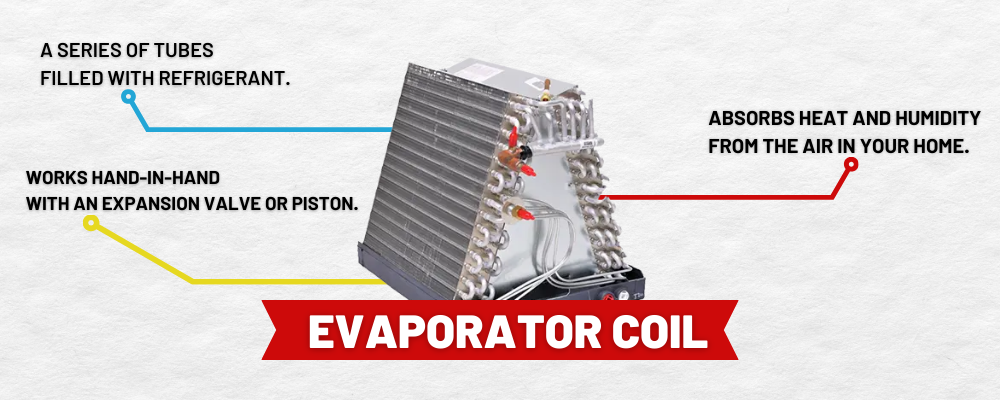
Have you ever wondered how your air conditioner keeps your home cool and comfortable, even on the hottest days? The secret lies in a key component called the evaporator.
Understanding what an air conditioner evaporator is can help you appreciate how your cooling system works—and why it’s so important to keep it in good shape. You’ll discover what the evaporator does, how it affects your comfort, and simple tips to ensure it runs smoothly.
Keep reading to unlock the cool comfort your air conditioner promises!

Credit: medium.com
Air Conditioner Evaporator Basics
The evaporatoris a key part of the air conditioner. It helps cool the air inside your home or office. The evaporator works by absorbing heat from the indoor air.
Warm air passes over the cold evaporator coils. The coils contain a special liquid called refrigerant. This refrigerant changes from liquid to gas, taking heat away from the air.
This cooled air then circulates back into the room, making it feel fresh and cool. The process also removes moisture, reducing humidity.
| Key Components | Description |
|---|---|
| Evaporator Coils | Cold coils that absorb heat from indoor air |
| Refrigerant | Liquid that changes to gas, carrying heat away |
| Blower Fan | Pushes warm air over the coils to cool it |
| Drain Pan | Collects water removed from air during cooling |

Credit: howardair.com
How The Evaporator Works
The evaporatoris a key part of an air conditioner. It cools the air inside a room. The evaporator has cold refrigerant flowing through its tubes. Warm air from the room passes over these tubes. The refrigerant absorbs the heat from the air.
This heat absorption cools the air. The cooled air is then blown back into the room. This process helps lower the room temperature.
| Step | Description |
|---|---|
| Heat Absorption | Warm air flows over cold evaporator coils. Heat moves from air to refrigerant. |
| Refrigerant Cycle | The refrigerant carries heat away and changes from liquid to gas. |
| Cooling Effect | Cooled air is sent back to the room. The cycle repeats to keep air cool. |
Types Of Evaporators
Coil evaporatorshave tubes or coils filled with refrigerant. Air passes over these coils. This cools the air by removing heat. Coil evaporators are common in many air conditioners. They are easy to maintain and work well in small spaces.
Plate evaporatorsuse flat plates to cool the air. These plates have refrigerant flowing inside. Air moves over the plates and loses heat. Plate evaporators are compact and have good heat transfer. They are often found in larger cooling systems.
Finned tube evaporatorshave tubes wrapped with metal fins. The fins increase the surface area to cool more air. Air flows over the fins, which helps remove heat quickly. These evaporators are efficient and used in many types of air conditioning units.
Signs Of Evaporator Issues
Reduced cooling efficiencyis a clear sign of evaporator problems. The air conditioner may struggle to cool the room effectively. This can happen because the evaporator coil is dirty or blocked. Dirt stops cool air from passing freely. It can also cause the system to work harder, wasting energy.
Ice formationon the evaporator coil is another problem. Ice may build up because of low refrigerant levels or poor airflow. This ice blocks the coil and stops it from absorbing heat. The cooling process slows down or stops altogether.
Unusual noiseslike hissing, rattling, or buzzing can indicate evaporator trouble. These sounds might come from loose parts or refrigerant leaks. They warn that something is wrong inside the air conditioner and needs attention soon.
Maintenance Tips
Cleaning the evaporator coil keeps the air conditioner working well. Use a soft brush to remove dust and dirt. Avoid using strong chemicals that can damage the coil. Gentle vacuuming also helps clear debris.
Regular inspections catch problems early. Check for leaks, corrosion, or ice build-up. Look inside the unit for any signs of wear or damage.
Preventing mold and mildew keeps the air fresh and healthy. Make sure the drain pan is clean and drains properly. Keep the area dry and well-ventilated to stop mold growth.
Upgrading Or Replacing Evaporators
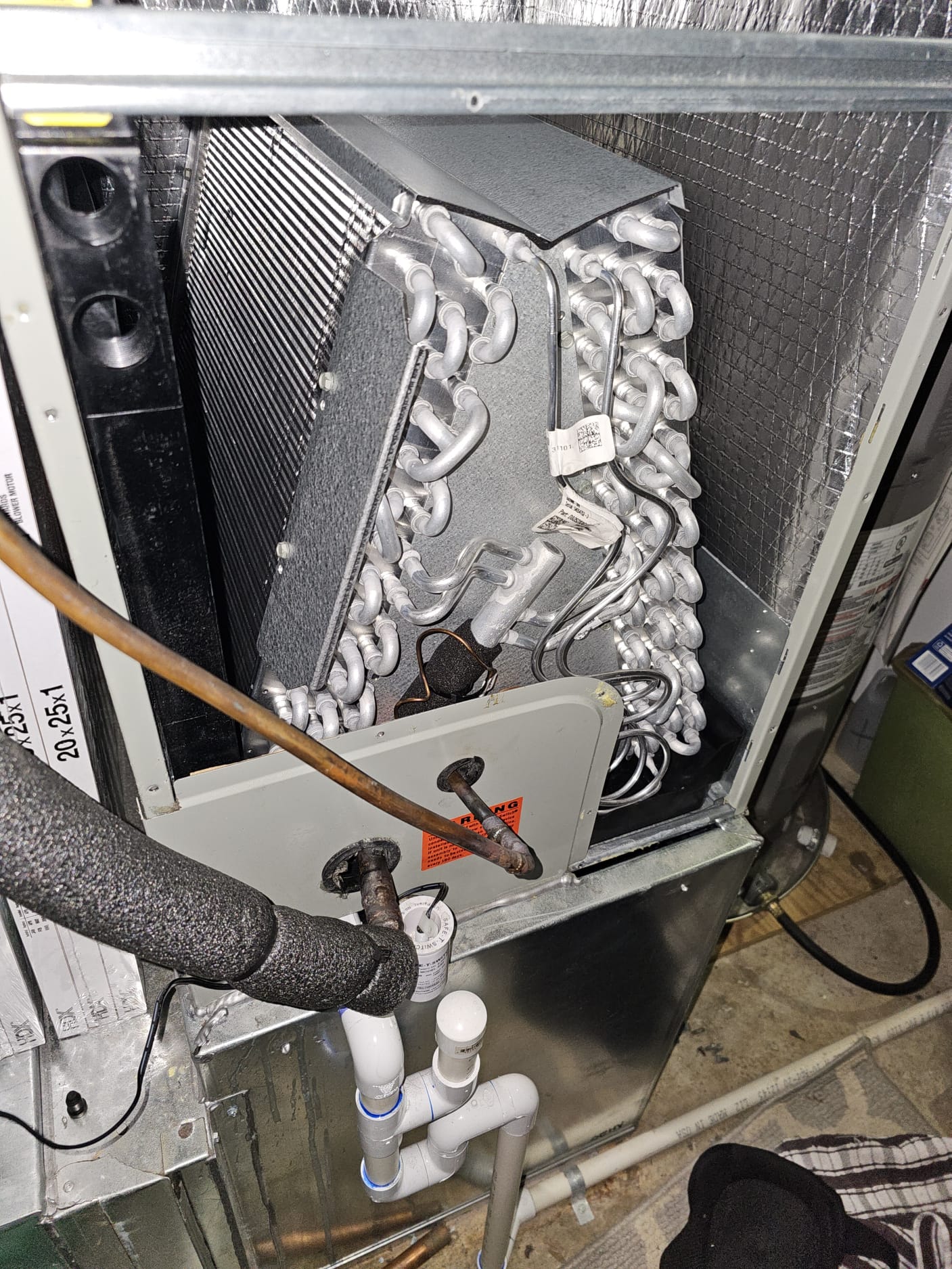
An air conditioner evaporator cools the air by absorbing heat from inside your home. Upgrading or replacing it improves cooling efficiency and comfort. Keeping the evaporator in good condition helps the AC work better and last longer.
When To Replace
Signs of a bad evaporatorinclude ice buildup, leaks, or poor cooling. Age matters. Most evaporators last 10-15 years. If repairs are frequent, replacement may save money. Strange noises or bad smells also hint at problems. Regular checkups help catch issues early.
Choosing The Right Evaporator
Select an evaporator that matches your air conditioner’s size and model. Using the wrong size can reduce efficiency. Consider energy ratings and material quality. Copper coils usually last longer. Ask for parts with a good warranty. Quality means fewer repairs and better cooling.
Professional Installation
Installers must handle refrigerant safely. Improper installation can cause leaks or damage. A professional will check for correct airflow and pressure. This ensures the system runs smoothly. Proper setup also extends your evaporator’s life. Always hire certified technicians for best results.
Credit: www.logan-inc.com
Frequently Asked Questions
What Does An Air Conditioner Evaporator Do?
An air conditioner evaporator absorbs heat from the indoor air. It allows the refrigerant to evaporate, cooling the air. This process helps maintain a comfortable indoor temperature. The cooled air is then circulated throughout the space, ensuring efficient temperature control.
How Does An Evaporator Coil Work?
An evaporator coil works by containing refrigerant that absorbs heat from indoor air. As warm air passes over the coil, the refrigerant evaporates, removing heat. This cooled air is then distributed throughout the space, effectively reducing the room temperature.
Why Is My Evaporator Coil Freezing?
An evaporator coil may freeze due to restricted airflow. Dirty filters or blocked vents can be the culprits. Low refrigerant levels or a malfunctioning fan can also cause freezing. Regular maintenance and timely repairs can prevent this issue.
How Do You Clean An Evaporator Coil?
To clean an evaporator coil, first turn off the power. Remove any dust or debris using a soft brush or vacuum. Use a coil cleaner spray and allow it to work. Rinse with water and let it dry completely before restoring power.
Conclusion
An air conditioner evaporator cools the air inside your home. It helps remove heat and humidity from the room. This part is key for making your space comfortable. Keeping the evaporator clean improves your AC’s performance. Regular care can also save energy and money.
Understanding this part helps you appreciate your air conditioner more. It works quietly to keep you cool every day. Simple but important.