Have you ever worried about your car being stolen or broken into? You’re not alone.
Protecting your vehicle is more important than ever, and that’s where an anti-theft device car comes in. But what exactly is it, and how can it keep your car safe? You’ll discover how these devices work, why they’re essential, and how they give you peace of mind every time you park your car.
Keep reading to find out how you can take control of your car’s security starting today.

Credit: www.amazon.ca
Types Of Car Anti Theft Devices
Car anti theft devices help protect vehicles from theft. They come in many forms. Each type uses a different method to stop thieves.
This article explains some common types of car anti theft devices. Knowing these can help you choose the right protection for your car.
Mechanical Locks
Mechanical locks are simple devices that block parts of the car. They make it harder for thieves to move or start the vehicle.
- Door locks that require a key
- Hood locks to protect the engine
- Wheel locks that prevent the car from rolling
Electronic Immobilizers
Electronic immobilizers stop the engine from starting without the correct key or code. They use chips or transponders inside the key.
This system is hard to bypass because it controls the car’s fuel or ignition system electronically.
Gps Tracking Systems
GPS tracking systems use satellites to track the car’s location. If the car is stolen, the owner or police can find it quickly.
| Feature | Description |
| Real-time Tracking | Shows the car’s exact location at any time |
| Geofencing | Sends alerts if the car leaves a set area |
| History Log | Records past routes and stops |
Alarm Systems
Alarm systems make loud noises to scare thieves away. They activate when doors open without a key or if someone breaks a window.
- Door sensors
- Glass break detectors
- Motion sensors inside the car
Steering Wheel Locks
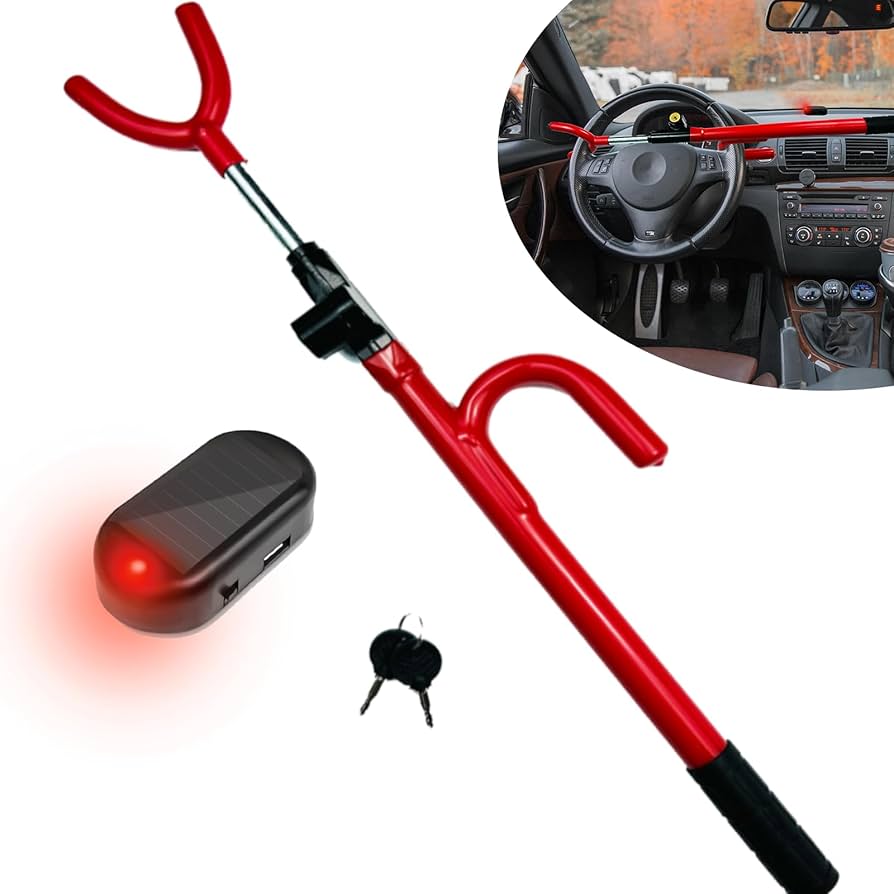
Steering wheel locks block the steering wheel from turning. They are easy to use and visible to thieves, which can stop thefts.
Many models have a long metal bar with hooks that attach to the steering wheel and the brake or pedals.

Credit: www.carsystemsinstallation.ca
How Anti Theft Devices Work
Anti theft devices in cars help protect the vehicle from being stolen. They use different ways to stop thieves from taking the car.
These devices work by blocking access, stopping the engine, alerting the owner, or tracking the car if stolen.
Preventing Unauthorized Access
Many anti theft devices stop thieves from opening or starting the car. They lock doors and windows tightly.
Some use key codes or remote controls to allow only the owner to enter the vehicle.
- Central locking systems
- Keyless entry with codes
- Steering wheel locks
Disabling Engine Start
Anti theft devices can stop the engine from starting without the right key or code. This keeps thieves from driving away.
Some systems use electronic immobilizers that block fuel or ignition systems until the correct signal is received.
- Immobilizers block engine fuel supply
- Ignition systems stay off without key
- Smart keys send coded signals
Alerting Vehicle Owner
Many anti theft devices send alerts if someone tries to steal the car. This helps owners react fast.
Alarms, sirens, and notifications on phones warn the owner about suspicious activity.
- Loud sirens scare off thieves
- Flashing lights draw attention
- Phone alerts notify the owner
Tracking Stolen Vehicles
Some devices use GPS to track the car’s location if it is stolen. This helps police find the vehicle.
Owners or authorities can see the car’s position on a map in real time.
- GPS trackers send location signals
- Real-time tracking on apps or websites
- Helps recover stolen cars quickly
Benefits Of Using Anti Theft Devices
Anti theft devices help protect cars from being stolen. They make it harder for thieves to take your vehicle.
Using these devices can save money and give car owners more confidence about their vehicle’s safety.
Reducing Theft Risk
Anti theft devices lower the chance of car theft. They act as a barrier that stops thieves quickly.
Common devices include alarms, steering locks, and GPS trackers. These tools make stealing a car more difficult.
- Alarms sound to scare off thieves
- Steering locks block wheel movement
- GPS trackers help locate stolen cars
Lowering Insurance Premiums
Many insurance companies offer lower rates for cars with anti theft devices. This lowers your yearly insurance cost.
Using these devices shows insurers your vehicle is safer. They view it as a smaller risk to insure.
- Alarms and immobilizers reduce theft chances
- Lower risk means lower insurance fees
- Some insurers give discounts for device installation
Increasing Vehicle Resale Value
Cars with anti theft devices often sell for more money. Buyers feel safer buying cars with extra protection.
Devices show the car was cared for and protected. This can make your vehicle more attractive to buyers.
- Higher resale price due to added security
- More buyers interested in protected vehicles
- Better proof of vehicle maintenance
Peace Of Mind For Owners
Anti theft devices give owners calm and confidence. They worry less about their car being stolen.
Knowing the vehicle is protected helps owners feel safer every day. This reduces stress and anxiety.
- Feel secure when parking in public places
- Less stress about car theft
- More trust in vehicle safety
Choosing The Right Anti Theft Device
Choosing the right anti theft device for your car can keep it safe from thieves. Many options exist, so think about your needs carefully.
Consider your car type, your budget, and how easy the device is to use. This helps you pick the best option.
Assessing Vehicle Type And Value
First, think about your car’s type and value. Expensive cars need stronger protection. Older cars might need simpler devices.
Different vehicles need different devices. For example, a sports car might need a GPS tracker, while a family car may benefit from an alarm system.
Budget Considerations
Set a budget before buying an anti theft device. Devices vary in price, so know how much you can spend.
- Low-cost options include steering wheel locks and alarms.
- Mid-range devices may have immobilizers or GPS trackers.
- High-end systems offer remote control and smartphone alerts.
Compatibility With Existing Systems
Check if the anti theft device works with your car’s current security. Some devices may clash or not connect well.
| Device Type | Compatibility | Notes |
| Alarm System | Most Cars | Easy to add |
| Immobilizer | Newer Models | Works with engine control |
| GPS Tracker | All Vehicles | Needs power source |
| Steering Lock | All Vehicles | Manual use |
Ease Of Use And Installation
Choose a device that is easy to install and use. Some devices need professional help, while others you can install yourself.
- Simple alarms are plug and play.
- Steering locks need no installation.
- GPS trackers may require wiring or battery power.
- Immobilizers might need expert setup.
Installation And Maintenance Tips
Anti theft devices help protect your car from theft. Proper installation and regular maintenance keep them working well.
This guide covers key tips for installing and maintaining your car’s anti theft device.
Professional Vs Diy Installation
Professional installation ensures the device works correctly. Experts know how to handle wiring and settings safely.
DIY installation saves money but may cause issues if done wrong. Follow instructions carefully and use proper tools.
- Professional installers have experience and tools
- DIY can be cheaper but risks device failure
- Check warranty rules before choosing DIY
- Test the device fully after installation
Regular System Checks
Check your anti theft device often to catch problems early. Look for warning lights or error sounds.
Test all functions monthly. Ensure alarms and immobilizers activate as expected.
Battery Replacement And Upkeep
| Battery Type | Replacement Frequency | Tips |
| Standard Alkaline | Every 6-12 months | Check for corrosion and leakage |
| Rechargeable Lithium | Every 2-3 years | Charge fully before reinstalling |
| Car Battery Backup | Check every 6 months | Keep terminals clean and tight |
Replace batteries before they die to avoid device failure. Use the right type as the manual says.
Software Updates For Electronic Devices
Keep your anti theft device’s software current. Updates improve security and fix bugs.
Follow these tips for updates:
- Check the manufacturer’s website monthly
- Download updates only from official sources
- Install updates with the car parked and engine off
- Restart the device after updating

Credit: www.amazon.ca
Common Myths About Car Anti Theft Devices
Many people believe certain things about car anti theft devices that are not true. These myths can cause confusion when choosing or using these devices.
Knowing the facts helps car owners protect their vehicles better. Let’s look at some common myths and explain the truth behind them.
Devices Can Fully Prevent Theft
Some think anti theft devices can stop all theft attempts. No device can guarantee full protection. Thieves may find ways to bypass them.
Anti theft devices reduce risks but do not make your car theft-proof. They act as a strong deterrent and slow down thieves.
- Devices increase the time needed to steal the car
- Visible alarms scare away many thieves
- Some thieves avoid cars with anti theft systems
All Systems Are The Same
Many believe all anti theft systems work alike. In reality, systems vary in features and effectiveness. Some use alarms, others use immobilizers.
Choosing the right device depends on your needs and car type. Some systems offer remote control, GPS tracking, or engine locks.
- Alarm systems sound noise when triggered
- Immobilizers stop the engine from starting
- GPS trackers help find a stolen car
- Steering locks physically block the wheel
Installation Is Always Expensive
Many think installing anti theft devices costs a lot. Some devices are affordable and easy to install. Others need professional help and cost more.
Simple devices like steering locks require no installation cost. Electronic systems may need extra work but prices vary widely.
- Basic steering locks cost less and install fast
- Alarm systems may need wiring and sensors
- GPS trackers often include monthly fees
- Professional installation ensures device works well
Future Trends In Vehicle Security
Car theft is a big problem. New anti theft devices help keep vehicles safe. Technology is changing fast. Future trends will make cars more secure.
These trends use smart tools and new ideas. They stop thieves and track stolen cars. Let’s look at some key future trends in vehicle security.
Smart Technology Integration
Smart technology uses sensors and apps to protect cars. It connects the car to the owner’s phone. Owners get alerts if someone tries to break in.
Smart systems can lock or disable the car remotely. They also learn patterns to spot unusual activity. This helps stop theft before it happens.
- Remote locking and unlocking
- Real-time alerts and notifications
- Activity pattern recognition
Biometric Access Controls
Biometric controls use unique body features to unlock cars. This includes fingerprints, facial recognition, or eye scans. It makes sure only the owner can enter.
Biometrics are hard to fake or steal. They add a strong layer of security. This technology will be more common in future cars.
- Fingerprint scanners on door handles
- Face recognition cameras inside the car
- Retina or iris scanning for driver identity
Advanced Gps And Ai Tracking
GPS helps find stolen cars. Future systems use AI to track and predict car locations. AI can spot unusual routes or stops.
These trackers work with police to recover stolen vehicles quickly. They also warn owners if the car moves without permission.
- AI analyzes driving patterns
- Instant location updates
- Alerts for unauthorized movement
Vehicle-to-vehicle Communication Security
Cars will talk to each other to avoid danger. This communication needs strong security to stop hackers. Future devices will protect these signals.
Secure vehicle-to-vehicle communication helps prevent accidents and theft. It stops fake messages from tricking cars or stealing data.
- Encrypted communication channels
- Detection of fake signals
- Protection from hacking attacks
Frequently Asked Questions
What Is The Primary Function Of An Anti Theft Device Car?
An anti theft device car prevents unauthorized vehicle access. It deters thieves by triggering alarms or immobilizing the engine. These devices enhance vehicle security and reduce theft risk effectively.
How Do Anti Theft Devices In Cars Work?
Anti theft devices use sensors or electronic codes to detect unauthorized entry. They activate alarms, disable the engine, or send alerts to owners. This technology stops theft attempts quickly and efficiently.
Are Anti Theft Devices Mandatory For All Cars?
Anti theft devices are not legally mandatory everywhere. However, many insurance companies offer discounts if your car has one. Installing these devices is highly recommended for added vehicle protection.
Can Anti Theft Devices Prevent All Types Of Car Theft?
While anti theft devices reduce most theft risks, no device guarantees 100% prevention. Skilled thieves might bypass some systems. Combining devices and safe parking habits offers better security.
Conclusion
An anti-theft device helps protect your car from theft. It acts as a strong guard, making stealing very hard. Many types exist, like alarms, steering locks, and GPS trackers. Using one can give you peace of mind. It also lowers the chance of losing your car.
Choose a device that fits your needs and budget. Stay safe and keep your vehicle secure with the right tool. Simple steps can make a big difference in car safety.