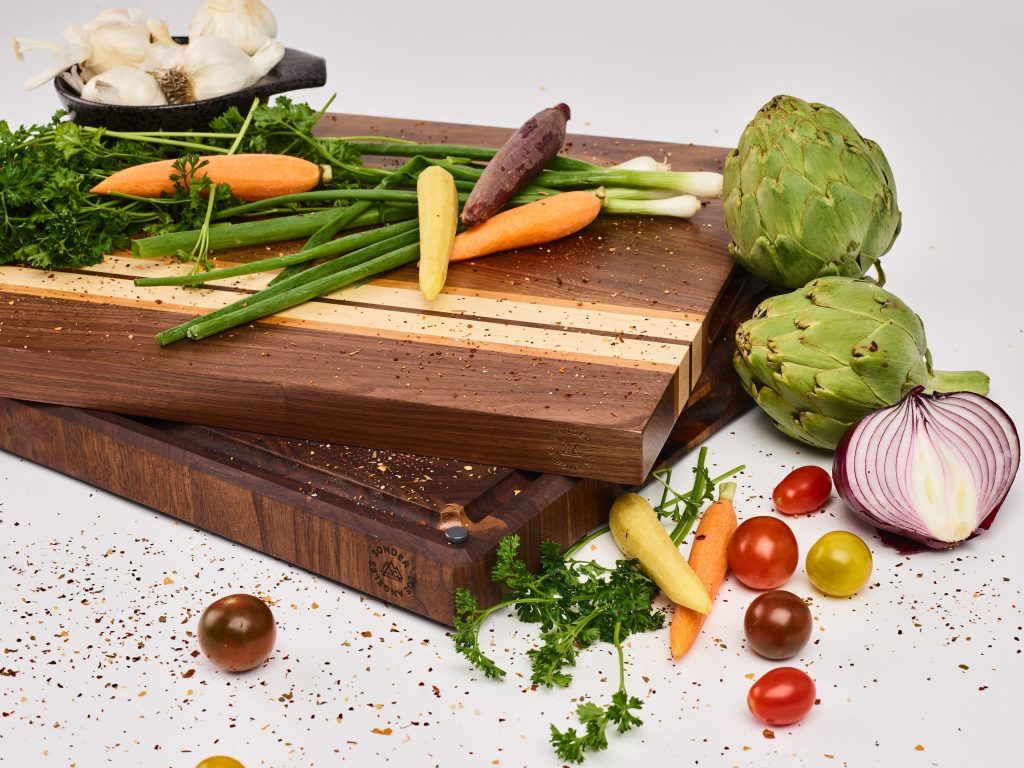
Have you ever wondered why some cutting boards last longer and stay sharper on your knives? If you care about your kitchen tools and want to make smarter choices, understanding what an end grain cutting board is can change the way you cook.
This type of board isn’t just another kitchen accessory—it’s designed to protect your knives and give you a smoother chopping experience. Keep reading, and you’ll discover why an end grain cutting board might be exactly what your kitchen needs.

Credit: www.amazon.com
End Grain Cutting Boards
End grain cutting boards are popular among chefs and home cooks. They offer a unique surface that protects knives and lasts longer.
These boards show the wood fibers from the end, not the side. This makes them different from other cutting boards.
What Sets End Grain Apart
End grain boards have a special look and feel. The wood fibers stand up vertically, creating a soft cutting surface.
- Knife blades slide between wood fibers, reducing dulling.
- The board heals small cuts as fibers close back.
- They are durable and resist deep gouges.
- Each board has a unique pattern from the wood grain.
How End Grain Is Made
Making an end grain cutting board takes skill and time. The wood is cut into blocks with the grain facing up.
| Process Step | Description |
| Wood Selection | Choose hardwoods like maple or walnut for strength. |
| Cutting | Slice wood into strips, then into small blocks. |
| Assembly | Arrange blocks so end grain faces up, forming a pattern. |
| Gluing | Glue and clamp blocks tightly to hold shape. |
| Sanding | Sand smooth to create an even cutting surface. |
| Finishing | Apply food-safe oil to protect and enhance wood. |
Benefits Of End Grain Boards
End grain cutting boards are popular for many reasons. They are made by arranging wood fibers vertically.
This unique design gives them special features that many cooks appreciate in the kitchen.
Durability And Longevity
End grain boards last a long time because they handle cuts better. The wood fibers stand up to chopping.
They resist deep cuts and cracks, so the board stays strong and useful for years.
Knife-friendly Surface
End grain boards protect your knives. The blades cut between the wood fibers instead of against them.
This means your knives stay sharper longer and need less frequent sharpening.
Self-healing Properties
Small cuts in end grain boards can close up over time. The wood fibers move back after being cut.
This self-healing helps keep the board smooth and clean without deep grooves.
Types Of Wood Used
End grain cutting boards are prized for their durability and beauty. The type of wood used affects the board’s performance and lifespan.
Choosing the right wood ensures the board resists knife marks and stays hygienic for food preparation.
Hardwoods Preferred
Hardwoods are the best choice for end grain cutting boards. They resist cuts and dents better than softwoods. Hardwoods also have tight grain patterns that prevent bacteria from entering.
- Maple: A common choice for its hardness and light color.
- Walnut: Known for its rich, dark color and strength.
- Cherry: Offers a warm tone and good durability.
- Beech: Hard and dense, with a fine grain.
Popular Wood Choices
The most popular woods for end grain boards vary by color, hardness, and grain. Each type brings unique qualities to the kitchen.
| Wood Type | Color | Hardness (Janka) | Notes |
|---|---|---|---|
| Hard Maple | Light cream | 1450 | Very durable and common |
| Black Walnut | Dark brown | 1010 | Rich color and strong |
| Cherry | Reddish-brown | 950 | Softens over time |
| Beech | Light pinkish | 1300 | Fine grain and hard |
Care And Maintenance
An end grain cutting board is a durable kitchen tool. Proper care helps it last longer and stay safe for food.
Taking time to clean and oil your board keeps it in good shape. Avoiding mistakes prevents damage.
Cleaning Tips
Clean your end grain board after every use. Use warm water and mild soap for best results.
Do not soak the board in water. Wipe it dry with a clean towel to stop warping and cracking.
- Use a soft sponge or cloth for cleaning
- Avoid harsh chemicals and bleach
- Dry the board thoroughly after washing
Oiling And Conditioning
Oiling keeps the wood from drying out and cracking. Use food-safe mineral oil or conditioning products.
Apply oil evenly on all surfaces. Let it soak for a few hours or overnight, then wipe off the excess.
- Oil your board once a month or as needed
- Use a clean cloth to apply the oil
- Conditioning wax can add extra protection
Avoiding Common Mistakes
Do not put your end grain board in the dishwasher. Heat and water damage the wood and glue.
Avoid cutting on the same spot repeatedly. Rotate the board to spread the wear evenly.
- Keep the board away from extreme heat and moisture
- Do not use strong detergents or bleach
- Store the board standing up to air dry
Choosing The Right Board
End grain cutting boards last long and protect your knives well. Picking the right one matters for your kitchen tasks.
This guide helps you decide by looking at size, weight, and cost factors.
Size And Thickness
Choose a size that fits your kitchen space and chopping needs. Thick boards resist warping and absorb cuts better.
Smaller boards are easy to store, but bigger boards give more working area.
Weight Considerations
End grain boards are heavy due to dense wood blocks. Consider this if you move the board often.
- Heavier boards stay stable on the countertop.
- Lighter boards are easier to clean and store.
- Think about how often you will carry it around.
Budget And Quality
| Price Range | Quality | Durability |
| Low | Basic wood, less finish | Shorter lifespan |
| Medium | Good wood, smooth finish | Lasts several years |
| High | Premium wood, handcrafted | Lasts many years with care |
Investing in a quality board can save money long term. Look for solid wood and good craftsmanship.
Credit: www.organicauthority.com
Comparing With Other Boards
Cutting boards come in many types and materials. Each type has its own benefits and uses.
End grain cutting boards stand out for durability and knife care. Let’s compare them with other common boards.
Edge Grain Vs. End Grain
Edge grain boards show the wood’s long fibers on the surface. They are often cheaper and easier to make.
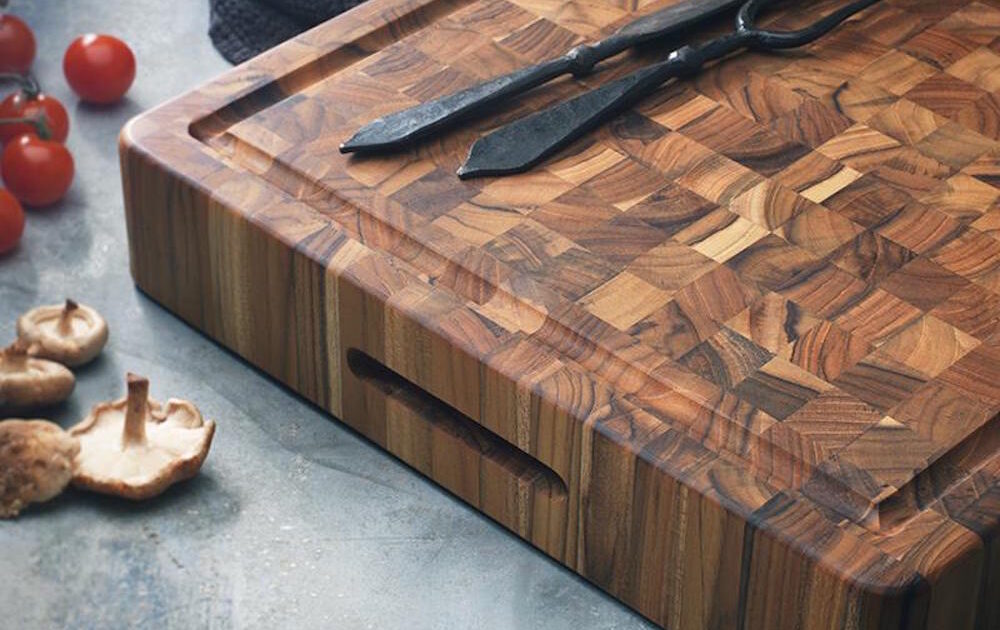
End grain boards show the wood’s cross section. The fibers stand up vertically, which helps protect knives.
| Feature | Edge Grain | End Grain |
|---|---|---|
| Durability | Good | Very High |
| Knife Friendliness | Moderate | High |
| Appearance | Straight Wood Lines | Checkerboard Pattern |
| Price | Lower | Higher |
Plastic And Bamboo Options
Plastic and bamboo cutting boards are popular alternatives to wood. They have different strengths and weaknesses.
- Plastic boardsare lightweight and dishwasher safe. They can get cut marks easily.
- Bamboo boardsare eco-friendly and hard. They can dull knives faster than wood.
- Wood boardslike end grain are gentle on knives and last longer with care.
Common Uses And Applications
An end grain cutting board shows the wood’s grain on the surface. This makes it strong and gentle on knives.
These boards are popular in different places because they last long and look nice.
Home Cooking
End grain boards are great for home kitchens. They handle heavy chopping and cutting well.
They protect your knives and keep the board looking good for years. Many cooks like their natural look.
Professional Kitchens
Chefs in restaurants use end grain boards because they hold up under hard use. The boards resist cuts and scratches.
They are easy to clean and stay safe for food prep. Many kitchens have multiple boards for different foods.
- Chopping vegetables and fruits
- Cutting meat and poultry
- Preparing dough or bread
- Serving cheese or charcuterie
Gift Ideas
End grain cutting boards make special gifts for cooking lovers. They combine beauty with usefulness.
You can find boards in many shapes and sizes. Some have custom engraving for a personal touch.
- Housewarming presents
- Wedding gifts
- Holiday surprises
- Thank you or appreciation gifts

Credit: www.amazon.com
Frequently Asked Questions
What Is An End Grain Cutting Board?
An end grain cutting board is made from wood blocks with grain facing upward. It is durable and gentle on knives, reducing blade dulling.
Why Choose An End Grain Cutting Board?
End grain boards are self-healing and resist deep cuts. They last longer and provide a stable cutting surface.
How To Care For An End Grain Cutting Board?
Clean with mild soap and water. Oil regularly with food-safe mineral oil to maintain moisture and prevent cracking.
Are End Grain Cutting Boards Better For Knives?
Yes, they are softer on knife edges. This helps keep knives sharper for longer compared to other cutting boards.
Conclusion
End grain cutting boards last longer and resist knife marks well. They protect your knives and look nice in the kitchen. Cleaning them is simple, but regular oiling keeps them strong. These boards handle heavy chopping without damage. Choosing one adds value to your cooking tools.
Think of it as a smart, durable kitchen helper. Easy to use, easy to care for. A good choice for anyone who cooks often.