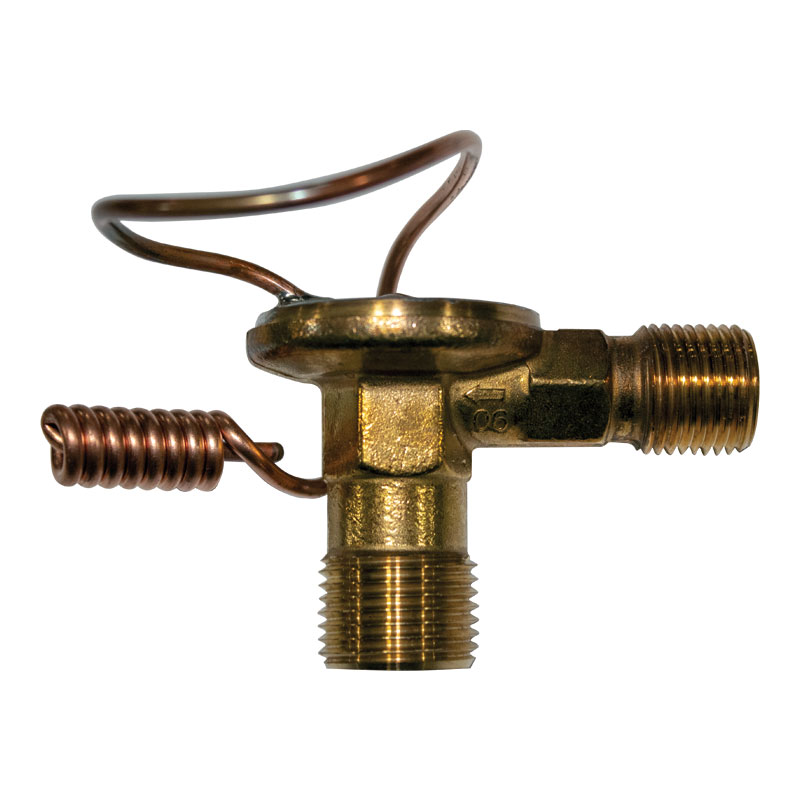
Have you ever wondered how your air conditioner keeps your room cool and comfortable, even on the hottest days? One key part that makes this possible is the expansion valve.
It might sound technical, but understanding what an expansion valve does can help you take better care of your AC and avoid costly repairs. You’ll discover exactly what an expansion valve is, why it’s important, and how it affects your air conditioner’s performance.
Keep reading—you’ll be surprised how this small part plays a big role in your comfort.

Credit: www.youtube.com
Role Of Expansion Valve
The expansion valve is a key part of an air conditioner. It helps control how the refrigerant moves inside the system.
This valve makes sure the air conditioner works efficiently. It controls pressure and temperature to cool your home.
Controlling Refrigerant Flow
The expansion valve controls how much refrigerant flows into the evaporator. It lets the right amount pass at the right time.
By adjusting the flow, the valve helps the refrigerant absorb heat from inside the room. This process cools the air effectively.
- Regulates refrigerant flow to match cooling needs
- Prevents too much or too little refrigerant from entering
- Maintains steady cooling performance
Pressure And Temperature Regulation
The expansion valve lowers the pressure of the refrigerant before it enters the evaporator. This drop in pressure cools the refrigerant.
It also helps keep the temperature inside the system stable. This balance protects the air conditioner from damage.
- Reduces refrigerant pressure for better cooling
- Keeps temperature steady inside the evaporator
- Prevents freezing or overheating of parts

Credit: www.amazon.com
Types Of Expansion Valves
An expansion valve controls the flow of refrigerant in an air conditioner. It lowers the pressure and temperature of the refrigerant. There are different types of expansion valves. Each type works in a unique way to help cool the air.
Choosing the right expansion valve is important for the system’s efficiency. Below are the common types of expansion valves used in air conditioners.
Thermostatic Expansion Valve
The thermostatic expansion valve, or TXV, uses a sensing bulb to measure temperature. It adjusts the refrigerant flow based on the cooling load. This helps keep the evaporator working well.
TXVs are common in many air conditioners. They improve efficiency by controlling refrigerant precisely. This valve responds to changes in temperature quickly.
Electronic Expansion Valve
The electronic expansion valve uses a small motor to control refrigerant flow. It gets signals from sensors and adjusts the valve opening. This allows very accurate control of the cooling process.
These valves are used in modern systems. They help save energy and improve comfort. Electronic valves can adapt to different conditions fast.
Capillary Tube
The capillary tube is a simple type of expansion valve. It is a thin tube that restricts refrigerant flow. The length and diameter of the tube control the pressure drop.
Capillary tubes are cheap and have no moving parts. They work well in small air conditioners. This type is less precise but very reliable.
How Expansion Valve Works
The expansion valve is a key part of an air conditioner. It controls the flow of refrigerant. This helps cool the air inside your home.
The valve reduces the pressure of the refrigerant. This causes it to cool down before entering the evaporator.
Refrigerant Flow Process
The refrigerant moves through different parts in a cycle. The expansion valve controls how much refrigerant goes through. This change in pressure turns the refrigerant into a cold mist.
- High-pressure liquid refrigerant arrives at the valve.
- The valve lowers the pressure suddenly.
- The refrigerant becomes a low-pressure liquid and gas mix.
- This cold mix flows into the evaporator coil.
- The refrigerant absorbs heat and cools the air.
Interaction With Other Components
The expansion valve works with other parts to keep the air conditioner running well. It adjusts based on signals from the system.
| Component | Role |
| Compressor | Pumps refrigerant through the system |
| Condenser | Turns refrigerant from gas to liquid |
| Evaporator | Absorbs heat and cools the air |
| Expansion Valve | Controls refrigerant pressure and flow |
Signs Of A Faulty Expansion Valve
The expansion valve is a key part of an air conditioner. It controls the flow of refrigerant.
If the valve is faulty, the air conditioner will not work well. Here are common signs to watch for.
Reduced Cooling Efficiency
A bad expansion valve can lower the cooling power of your AC. The air may not feel cold enough.
- The room takes longer to cool down.
- The AC cycles on and off more frequently.
- Energy bills may rise due to longer run times.
Unusual Noises
Strange sounds can mean the expansion valve has problems. You might hear clicking or hissing noises.
These noises happen because the refrigerant flow is uneven or blocked.
Frost Or Ice Build-up
Ice or frost on the evaporator coil or valve is a clear sign of trouble. It means the valve is stuck or clogged.
| Symptom | Cause |
| Frost on valve | Restricted refrigerant flow |
| Ice on evaporator coil | Low pressure due to valve failure |
| Reduced cooling | Improper refrigerant metering |
Maintenance Tips
The expansion valve in an air conditioner controls refrigerant flow. Proper care keeps it working well.
Regular maintenance helps avoid problems and extends the valve’s life.
Regular Inspection
Check the expansion valve often for signs of damage or leaks. Look for frost or ice buildup around it.
- Inspect connections for tightness
- Look for corrosion or rust
- Check for unusual noises during operation
- Ensure no blockages in the valve area
Cleaning Procedures
Cleaning the valve removes dirt and debris that may block refrigerant flow.
| Cleaning Step | Details |
|---|---|
| Turn off power | Ensure safety by disconnecting the unit |
| Remove dirt | Use a soft brush or cloth |
| Check valve screen | Clean or replace if clogged |
| Reassemble | Put parts back and tighten securely |
| Test unit | Turn on and check for proper cooling |
When To Replace
Replace the expansion valve if it shows wear that cleaning cannot fix.
- Frequent frost or ice buildup
- Constant temperature fluctuations
- Leaking refrigerant
- Strange noises or vibrations
- Reduced cooling efficiency
Impact On Energy Efficiency
The expansion valve controls the flow of refrigerant in an air conditioner. It helps regulate temperature and pressure inside the system. This control directly affects how much energy the air conditioner uses.
A well-functioning expansion valve ensures the air conditioner works efficiently. It reduces energy waste and keeps your cooling system running smoothly.
Optimizing Performance
The expansion valve adjusts the refrigerant flow to match cooling needs. This keeps the system balanced and avoids overworking the compressor. It also prevents temperature swings that reduce comfort.
Proper valve operation means the air conditioner uses just the right amount of refrigerant. This helps maintain steady cooling with less energy use.
- Maintains correct refrigerant pressure
- Prevents compressor strain
- Ensures steady cooling output
- Reduces risk of system breakdowns
Cost Savings
Using the right expansion valve lowers electricity bills. It stops the air conditioner from using extra power unnecessarily. This saves money over time.
Regular maintenance of the valve avoids costly repairs. It also extends the lifespan of the air conditioner. This means fewer replacement costs in the future.
- Reduces electric bills by improving efficiency
- Prevents expensive repairs
- Increases system lifespan
- Minimizes downtime and service costs

Credit: www.amazon.com
Frequently Asked Questions
What Does An Expansion Valve Do In An Air Conditioner?
An expansion valve controls refrigerant flow into the evaporator. It reduces pressure, allowing the refrigerant to absorb heat efficiently. This process cools the air inside your home. Proper valve function is essential for optimal air conditioner performance and energy efficiency.
How Does An Expansion Valve Affect Ac Cooling?
The expansion valve regulates refrigerant amount entering the evaporator. It ensures the refrigerant evaporates properly, absorbing maximum heat. This controls the cooling capacity and prevents compressor damage. A faulty valve can cause poor cooling and increased energy use.
What Are Common Signs Of A Faulty Expansion Valve?
Signs include inconsistent cooling, freezing evaporator coils, and unusual noises. You may notice high energy bills or frequent AC cycling. These symptoms suggest refrigerant flow issues, often caused by a malfunctioning expansion valve needing inspection or replacement.
Can An Expansion Valve Improve Ac Energy Efficiency?
Yes, a properly working expansion valve optimizes refrigerant flow. This balance improves heat absorption and reduces compressor workload. Efficient refrigerant control lowers electricity consumption, enhancing overall AC energy efficiency and reducing utility bills.
Conclusion
Understanding the expansion valve helps in maintaining your air conditioner. It controls refrigerant flow, ensuring efficiency and comfort. Without it, cooling becomes uneven and energy costs rise. Regular checks are vital to its performance. This small component has a big impact on your system’s longevity.
Recognizing its role can prevent costly repairs. Remember, a well-functioning valve means a more effective air conditioner. Now, you’re better prepared to handle any cooling issues. Always prioritize regular maintenance for optimal performance. Keep your home comfortable and your energy bills low.