Are you struggling to find the best setting for your air conditioner? You want to stay cool without wasting energy or driving up your bills.
Choosing the right temperature and mode can make a huge difference in comfort and savings. You’ll discover simple tips to set your AC perfectly, so you feel just right every time. Keep reading, and you’ll learn how to get the most from your air conditioner while keeping your home comfortable and your wallet happy.
Ideal Temperature Settings
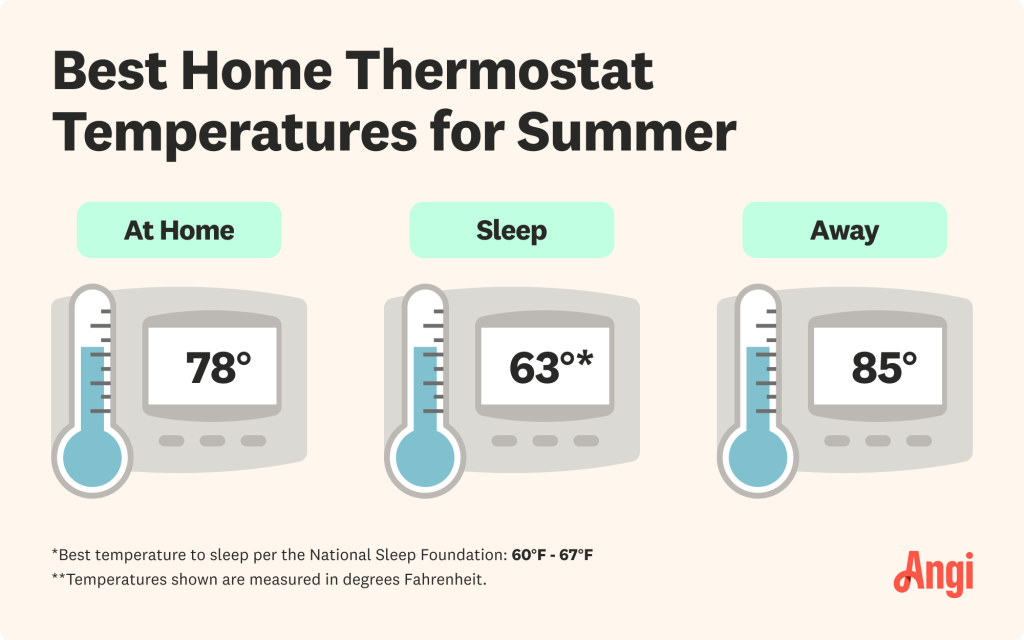
The recommended temperaturefor cooling is usually around 75°F (24°C). This setting keeps the room comfortable without using too much energy. Setting the air conditioner too low can waste power and increase bills.
For energy efficiency, raise the thermostat a few degrees when no one is home. Using a programmable thermostat helps to adjust temperatures automatically. It saves energy and keeps your home cool only when needed.
- Living rooms: 72°F to 75°F (22°C to 24°C)
- Bedrooms: 70°F to 73°F (21°C to 23°C)
- Kitchens: 75°F to 78°F (24°C to 26°C)
- Unused rooms: Set higher to save energy

Credit: blossomaircon.com
Fan Speed And Mode Settings
Choosing the right fan speedhelps control airflow and energy use. Low fan speed saves power and keeps the room gentle. High fan speed cools faster but uses more energy. Medium speed is a good balance for daily use.
Exploring cooling modeslets you pick how the air conditioner works. Cool mode lowers the temperature quickly. Dry mode reduces humidity without much cooling. Fan mode only circulates air without cooling.
Using auto mode effectivelyallows the air conditioner to adjust settings by itself. It changes fan speed and cooling based on room temperature. This saves energy and keeps the room comfortable without manual changes.
Humidity Control
Humidityaffects how cool or warm a room feels. High humidity makes air feel sticky and warmer. Low humidity can cause dry skin and throat.
Air conditioners often have dehumidifier functions. These remove extra moisture from the air. This helps keep the room comfortable without making it too cold.
Balancing humidity and temperatureis key. Setting the AC to around 40-60% humidityis ideal. This range feels comfortable and healthy for most people.
- Too much humidity: air feels heavy and warm
- Too little humidity: air feels dry and uncomfortable
- Good humidity: air feels fresh and cool

Credit: www.acostainc.com
Airflow Direction
Optimizing airflowhelps keep a room cool and comfortable. Aim the air conditioner’s louvers so cool air flows evenly across the room. Avoid pointing the airflow directly at people to prevent discomfort. Cold air blowing straight on skin can cause chills or stiffness.
Set louvers to direct air slightly upward in cooling mode. This helps cool air spread well as it falls naturally. In heating mode, angle louvers downward to warm the lower parts of the room first.
- Adjust louvers to balance air distribution.
- Avoid strong direct airflow on sitting or sleeping areas.
- Use fan mode to improve airflow without strong cooling.
- Check and clean louvers regularly to keep air flowing freely.
Energy Saving Tips
Using timers and schedulershelps control when the air conditioner runs. Set the AC to turn off during cool times or when no one is home. This saves energyand lowers bills. Many units have built-in timers or remote controls for easy setup.
Regular maintenancekeeps the air conditioner working well. Clean or replace filters often to improve airflow. Clear dirt from coils and check for leaks. Well-maintained AC uses less energy and lasts longer.
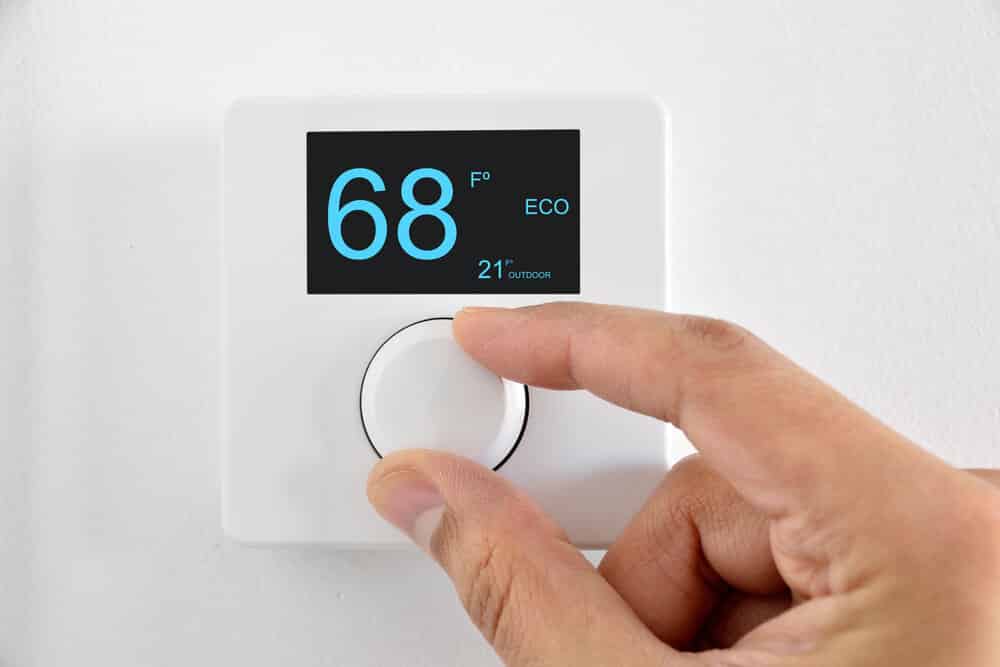
| Smart Thermostat Features | Benefits |
|---|---|
| Auto temperature adjustment | Keeps rooms comfortable without waste |
| Remote control via phone | Turn AC on/off from anywhere |
| Learning your schedule | Runs only when needed to save energy |
Credit: fischerheating.com
Seasonal Adjustments
Set your air conditionerto around 78°F (25-26°C)during hot summer days. This helps save energy and keeps your home cool. Use the fan modeto circulate air without extra cooling. Close blinds and curtains to block sunlight and reduce heat inside.
Before cooler seasons arrive, clean or replace filtersto improve air flow. Check outdoor units for debris. Set the temperature a bit higher when nobody is home to save energy.
| Season | Recommended Setting | Tip |
|---|---|---|
| Summer | 78°F (25-26°C) | Use fan mode and block sunlight |
| Cooler Seasons | Set higher when away | Clean filters and check unit |
| Switching Modes | Use heating or cooling as needed | Adjust thermostat gradually |
Switch between heating and cooling by adjusting the thermostat. Avoid sudden changes to save energy. Keep the temperature steady for comfort and efficiency.
Frequently Asked Questions
What Is The Ideal Temperature For Air Conditioners?
The ideal AC temperature is between 24°C and 26°C (75°F to 78°F). This range balances comfort and energy savings effectively.
How Does Fan Speed Affect Ac Performance?
Higher fan speed cools rooms faster but uses more energy. Lower speeds save energy and maintain steady cooling.
Should I Use Energy-saving Mode On My Ac?
Yes, energy-saving mode reduces electricity use by cycling the compressor off when the room is cool enough.
How Often Should I Clean Ac Filters?
Clean AC filters every 1-2 months. This improves airflow, efficiency, and indoor air quality.
Conclusion
Finding the best air conditioner setting is key for comfort and savings. Set your thermostat between 75-78°F for optimal efficiency. This range keeps your home cool without straining the unit. Adjust settings based on daily activities and room occupancy. Ceiling fans can help circulate cool air, enhancing comfort.
Regular maintenance ensures your AC works effectively. Clean filters and check for issues. This saves energy and money. With these tips, you enjoy a comfortable and cost-effective home environment. Stay cool and make smart choices for your air conditioning needs.