Have you ever wondered how your home stays warm and cozy during cold months? The answer often lies in a boiler heating system.
If you want to understand how this system works and why it might be the best choice for your heating needs, you’re in the right place. By the end of this article, you’ll see how a boiler heating system can make your home more comfortable and efficient.
Let’s dive in and explore what makes this heating method so effective and popular.

Credit: beckelectriccompany.com
How Boiler Heating Works
A boiler heating system warms up buildings by using hot water or steam. It heats water in a closed container called a boiler.
The hot water or steam moves through pipes to heat rooms. This process is efficient and keeps homes warm during cold weather.
Basic Components
A boiler heating system has several key parts. These parts work together to create and move heat.
- Boiler:The main unit that heats water.
- Burner:Burns fuel to create heat.
- Pipes:Carry hot water or steam to rooms.
- Radiators or Heat Exchangers:Release heat into the rooms.
- Thermostat:Controls the temperature.
Heat Generation Process
The boiler heats water by burning fuel like gas, oil, or wood. The burner creates a flame that warms the water inside the boiler tank.
As the water heats, it turns into steam or stays hot. This heat energy is then ready to move through the system.
Heat Distribution Methods
The heated water or steam moves through pipes to radiators or heat exchangers. These devices spread heat into rooms.
- Hot Water Circulation:Hot water flows in pipes to warm rooms.
- Steam Circulation:Steam travels through pipes and releases heat.
- Radiators:Metal parts that give off heat to the air.
- Baseboard Heaters:Long units along walls that warm the room.

Credit: gas-go.uk
Types Of Boiler Systems
Boiler heating systems provide warmth by heating water or steam. They come in different types, each with unique features.
Understanding the types helps you choose the right system for your home or building.
Combi Boilers
Combi boilers heat water directly from the mains when you turn on a tap. They do not need a separate water tank.
- Compact and space-saving
- Provide hot water on demand
- Energy efficient for small homes
- Suitable for homes with limited space
System Boilers
System boilers store hot water in a cylinder for use when needed. They work well for homes with multiple bathrooms.
| Feature | Description |
| Hot Water Storage | Yes, in a cylinder |
| Space Needed | More than combi boilers |
| Installation | Easier than conventional boilers |
| Best For | Homes with higher hot water demand |
Conventional Boilers
Conventional boilers, also called regular boilers, need a cold water tank and a hot water cylinder. They work with older heating systems.
Key points about conventional boilers:
- Require more space for tanks
- Can supply hot water to many taps at once
- Work well with traditional radiator systems
Fuel Options For Boilers
Boiler heating systems use different fuels to create heat for buildings. Choosing the right fuel depends on cost, availability, and environmental impact.
This guide covers common fuel choices for boilers and their key features.
Natural Gas
Natural gas is a popular fuel for boilers. It burns cleanly and produces less pollution than oil or coal. Many homes and businesses have natural gas pipelines for easy access.
Oil
Oil-fired boilers use heating oil stored in tanks. This fuel is common where natural gas is not available. Oil provides strong heat but can be more expensive and polluting.
- Heating oil is easy to store on-site.
- Oil boilers need regular maintenance.
- Oil prices can fluctuate widely.
- Burning oil releases more carbon emissions.
Electricity
Electric boilers use electric resistance or heat pumps to warm water. They are clean and quiet but can cost more to run depending on electricity rates.
| Advantage | Disadvantage |
| Low pollution at point of use | High operating costs |
| Compact and easy to install | Depends on power grid reliability |
| No fuel storage needed | Electricity may come from fossil fuels |
Renewable Sources
Renewable fuel options include biomass, solar thermal, and geothermal energy. These options reduce carbon emissions and use natural resources.
- Biomass:Burns organic materials like wood pellets.
- Solar Thermal:Uses sunlight to heat water directly.
- Geothermal:Uses heat from the earth to warm buildings.
Benefits Of Boiler Heating
A boiler heating system uses hot water or steam to warm your home. It offers many advantages over other heating methods. This system provides steady heat and works well in different types of houses.
Understanding the benefits helps you see why boilers are a popular choice. They combine comfort with energy savings and a smart design.
Energy Efficiency
Boiler systems use energy efficiently. They heat water quickly and keep it warm for a long time. This reduces the amount of fuel needed to heat your home.
- Less energy waste compared to forced-air systems
- Can use different fuels like natural gas or electricity
- Modern boilers have high efficiency ratings
Consistent Warmth
Boilers provide smooth and steady heat. Unlike other systems, they don’t create cold spots or sudden temperature changes. This keeps your home comfortable all day.
| Benefit | Explanation |
| Even Heat Distribution | Warm water spreads heat evenly through pipes and radiators. |
| Quiet Operation | Boilers run quietly without loud fans or blowers. |
| Better Humidity | Boilers do not dry out the air like some heating systems. |
Space Saving Design
Boiler units are compact and fit in small spaces. You can install them in basements, closets, or utility rooms. This frees up room in your living areas.
Key space-saving points:
- Wall-mounted options available
- No large ductwork needed
- Flexible installation options
Common Boiler Issues
Boiler heating systems are important for keeping homes warm. They can have problems that stop them from working well.
Knowing about common boiler issues helps you spot trouble early. This can save time and money on repairs.
Leaks And Corrosion
Leaks happen when water escapes from the boiler or pipes. Corrosion is rust that damages metal parts inside the system.
Both leaks and corrosion can cause serious damage. They lower the boiler’s efficiency and may lead to breakdowns.
- Look for water puddles near the boiler
- Check for rust or discoloration on pipes
- Listen for unusual dripping sounds
- Fix leaks quickly to avoid bigger problems
Pressure Problems
Boilers need the right pressure to work safely. Low pressure makes the boiler stop heating. High pressure can cause leaks or damage.
You can check the pressure gauge on the boiler. It should usually be between 1 and 2 bars. If it is outside this range, call a technician.
- Low pressure may mean a leak or lost water
- High pressure can be caused by a faulty valve
- Pressure problems reduce heating performance
- Regular checks help keep pressure stable
Ignition Failures
The ignition system lights the burner to heat water. If the boiler does not ignite, it will not produce heat.
Ignition failures can happen from dirty parts or electrical faults. Sometimes the gas supply is blocked or turned off.
- Check if the boiler tries to start but fails
- Dirty burners or sensors may stop ignition
- Gas supply issues prevent lighting
- Professional service can fix ignition problems
Maintenance Tips
Keeping your boiler heating system in good shape helps it work well and last longer. Regular care stops problems before they start.
Here are some simple tips to keep your boiler system running smoothly and safely.
Regular Inspections
Check your boiler system often for any signs of trouble. Look for leaks, strange noises, or rust on pipes and parts.
Inspect the pressure gauge and thermostat settings to make sure they are correct. Call a professional if you find any issues.
Bleeding Radiators
Air can get trapped inside radiators, making them less warm. Bleeding the radiators removes this air.
Use a radiator key to open the valve slightly until you hear air hiss out. Close the valve once water starts to flow.
- Turn off the heating before bleeding
- Use a cloth to catch any water drips
- Check boiler pressure after bleeding
System Flushing
Flushing the boiler system removes sludge and dirt that build up over time. This keeps water flowing well.
You can flush the system yourself or hire a technician. It is best done every few years to keep the system clean.
- Turn off the boiler and let it cool
- Drain the system water into a bucket
- Refill with clean water and a cleaning solution
- Flush again to remove all dirt
Upgrading To Efficient Boilers
A boiler heating system warms your home by heating water. This hot water then moves through pipes to radiators or floors.
Upgrading to an efficient boiler saves energy and lowers heating costs. It also helps reduce pollution from burning fuel.
Energy Star Ratings
Energy Star ratings show how efficient a boiler is. Boilers with higher ratings use less fuel to heat your home.
Choosing an Energy Star certified boiler means you get better performance and save money on bills.
- Certified boilers meet strict energy use limits
- They produce fewer emissions
- They often have better technology inside
Smart Controls
Smart controls let you manage your boiler easily. You can set heating schedules and adjust temperatures from your phone.
This helps avoid wasting energy when you do not need heat. Smart controls improve comfort and save money.
- Remote control through apps
- Learning your schedule for efficient heating
- Adjusting heat room by room
Cost And Savings
Efficient boilers cost more upfront than old models. But they use less fuel, so they save money over time.
Lower fuel use means smaller heating bills. You also pay less for repairs with new boilers.
- Initial cost is higher
- Lower monthly energy bills
- Reduced maintenance expenses
- Possible rebates or tax credits
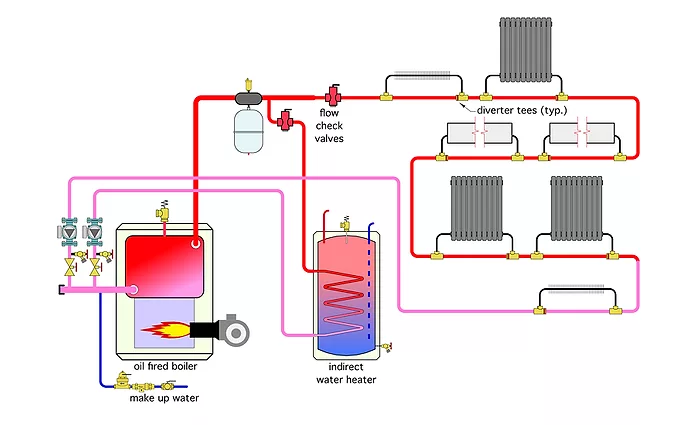
Credit: www.pmmag.com
Frequently Asked Questions
What Is A Boiler Heating System?
A boiler heating system uses water to provide heat. It distributes hot water or steam through radiators or underfloor systems. This method ensures even and efficient heating. Boilers can be powered by gas, oil, or electricity. They are popular for their reliability and energy efficiency.
How Does A Boiler Work?
A boiler heats water using fuel or electricity. The heated water or steam circulates through radiators or pipes. This process provides warmth to different areas in a building. Boilers are controlled by thermostats, ensuring consistent temperature. They are efficient and provide uniform heating.
What Are The Types Of Boiler Systems?
Boilers come in various types like combi, system, and conventional. Combi boilers are compact and provide instant hot water. System boilers store hot water in a cylinder. Conventional boilers use a water tank and a cylinder. Each type has its unique benefits and applications.
Are Boiler Systems Energy Efficient?
Yes, boiler systems are energy efficient. They provide consistent heating with minimal energy loss. Modern boilers have high-efficiency ratings and advanced controls. This ensures optimal fuel usage and reduced energy bills. Regular maintenance further enhances their efficiency and longevity.
Conclusion
Boiler heating systems keep homes warm and comfortable. They use water or steam to spread heat. These systems are reliable and work quietly. Regular care helps them last longer and work well. Knowing how they work can save energy and money.
A good boiler system fits many home sizes. Choosing the right one makes winter easier. Understanding boilers helps you stay warm safely.