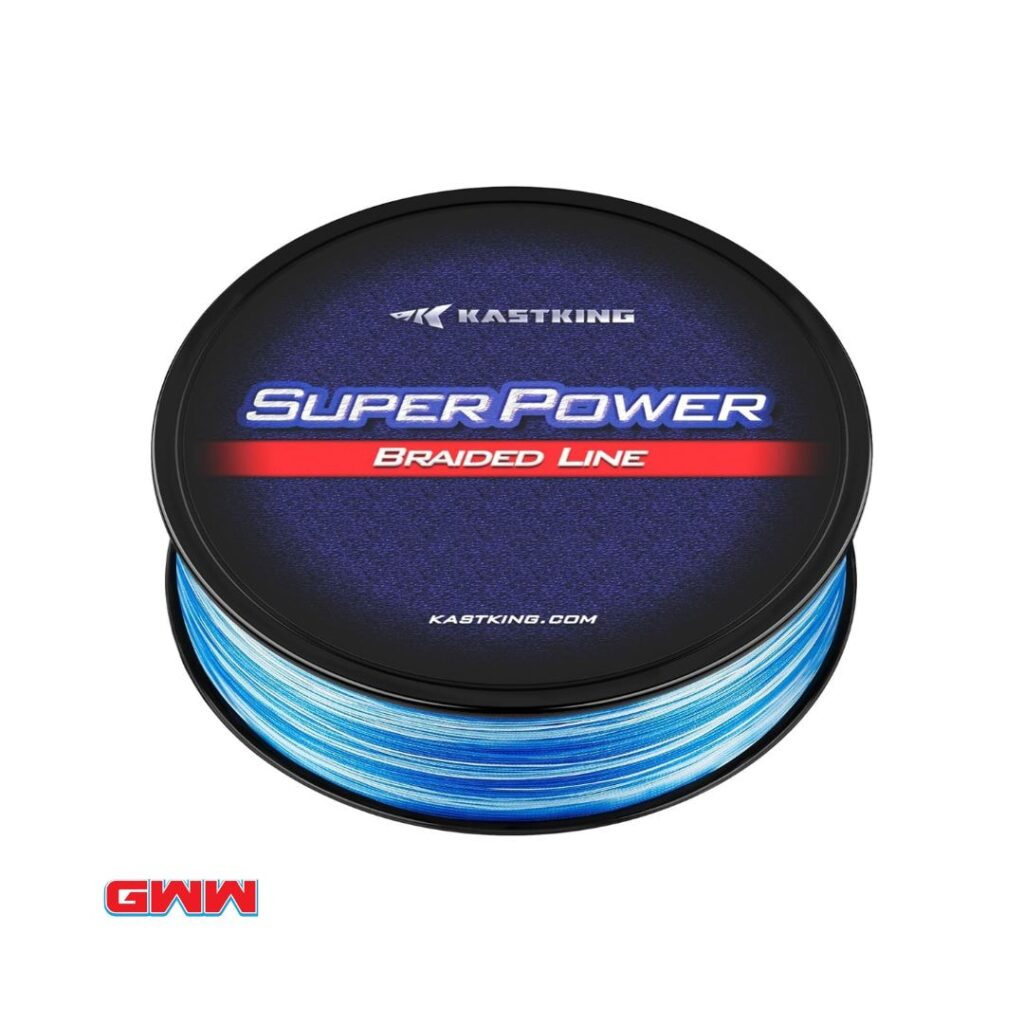
Are you tired of losing fish because your fishing line just can’t keep up? If you want a line that’s strong, sensitive, and reliable, braided fishing line might be exactly what you need.
But what makes it so special? You’ll discover what braided fishing line is good for and why it could change the way you fish forever. Keep reading to find out how this simple switch can improve your catch and make every fishing trip more successful.

Credit: reactiontackle.com
Benefits Of Braided Fishing Line
Braided fishing line is popular among many anglers. It offers several benefits that improve fishing experience.
This type of line is made from strong fibers woven together. It performs well in various fishing situations.
Exceptional Strength
Braided line is very strong for its size. It has a higher strength compared to monofilament or fluorocarbon lines.
Its strength helps catch bigger fish without breaking. Anglers can use thinner line without losing power.
- Holds heavy fish better
- Resists snapping under pressure
- Allows use of smaller diameter lines
High Sensitivity
Braided line has almost no stretch. This makes it very sensitive to fish bites and movements.
Anglers can feel even small tugs on the line. This helps react quickly and set the hook properly.
- Better bite detection
- Improved hook setting
- More control over lure movement
Durability In Harsh Conditions
Braided line resists abrasion better than many other lines. It holds up well around rocks and weeds.
It also works well in saltwater and rough environments. This durability increases the line’s lifespan.
- Resists cuts and scrapes
- Stands up to saltwater damage
- Lasts longer in tough fishing spots
Ideal Fishing Situations
Braided fishing line is a popular choice among anglers. It offers strength and sensitivity, making it suitable for specific fishing situations. Let’s explore where braided line shines the most.
Different environments and conditions call for different types of fishing line. Here, we will discuss ideal situations for using braided line.
Deep Water Fishing
In deep water fishing, braided line is beneficial due to its low stretch. It helps anglers feel bites even at great depths. The thin diameter of braided line allows for better line capacity on reels.
- Provides better sensitivity
- Increases line capacity
- Handles strong currents
Heavy Cover And Structure
Braided line is ideal for fishing in areas with heavy cover like weeds and rocks. Its abrasion resistance helps in pulling fish out of tough spots without breaking.
Fishing in heavy cover requires strength. Braided line offers that strength with less breakage risk.
Saltwater Vs Freshwater Use
Braided fishing line is versatile for both saltwater and freshwater use. Its durability makes it a good choice for rough saltwater conditions as well as calm freshwater environments.
| Environment | Benefits |
| Saltwater | Resists salt corrosion |
| Freshwater | Handles snags well |
Comparison With Other Lines
Choosing the right fishing line affects your catch and experience. Braided fishing line stands out in many ways. It offers unique benefits compared to other types.
This section compares braided line with monofilament and fluorocarbon lines. Understanding the differences helps you pick the best line for your needs.
Braided Vs Monofilament
Monofilament is a popular choice for many anglers. It stretches more than braided line, which can help absorb sudden fish pulls. Braided line has almost no stretch, giving better sensitivity.
- Strength:Braided line is stronger at the same diameter.
- Visibility:Monofilament is less visible underwater.
- Stretch:Monofilament stretches, braided does not.
- Durability:Braided line resists abrasion better.
- Cost:Monofilament is usually cheaper.
Use braided line when you want more strength and sensitivity. Use monofilament for stretch and lower cost.
Braided Vs Fluorocarbon
Fluorocarbon line is known for its low visibility and sink rate. It is nearly invisible underwater and sinks faster than monofilament. Braided line floats more but offers higher strength.
| Feature | Braided Line | Fluorocarbon Line |
|---|---|---|
| Visibility | High (usually colored) | Very low (clear) |
| Strength | Very high for diameter | Moderate to high |
| Stretch | Almost none | Low stretch |
| Abrasion Resistance | Excellent | Good |
| Sinking | Floats | Sinks fast |
| Cost | Moderate to high | Higher |
Choose braided line for strength and sensitivity in rough areas. Pick fluorocarbon when low visibility and sinking line are important.
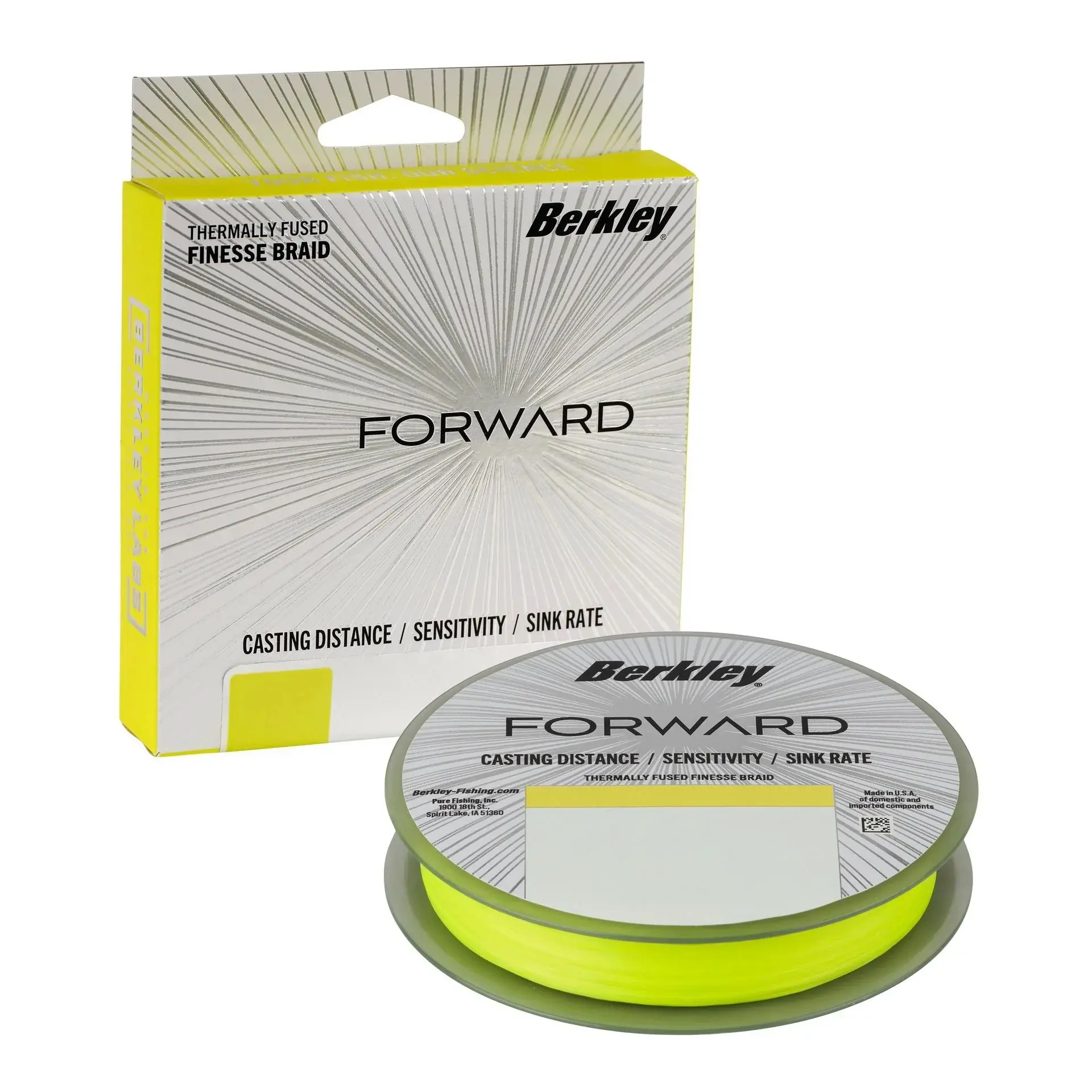
Credit: gearjunkie.com
Choosing The Right Braided Line
Braided fishing lines are strong and thin. They help anglers catch bigger fish. Choosing the right line makes fishing easier.
Different braided lines have different uses. Pick one that fits your fishing style and needs.
Line Diameter And Strength
Line diameter affects how far you can cast. Thinner lines cast farther and sink slower. Strength is about how much weight the line can hold.
Choose a line with the right balance of diameter and strength for your fishing type. Stronger lines help catch bigger fish but may be thicker.
- Thin diameter offers better casting and less water resistance
- Higher strength handles bigger, stronger fish
- Match line strength to your rod and reel limits
Color Options And Visibility
Braided lines come in many colors. Bright colors help you see the line on water. Camouflage colors help hide the line from fish.
Pick a color that fits your fishing conditions. Bright colors work well in low light. Dark colors are good in clear water.
- Fluorescent colors are easy to spot above water
- Green or brown blends well with natural water
- Use color to track your line during casting or retrieving
Knot Tying Tips
Tying knots with braided line can be tricky. The line is slippery and stiff. Use knots that hold tight and do not slip.
Wet the line before tightening the knot. Pull knots slowly and firmly. Practice common knots made for braided lines.
- Try the Palomar knot for strength and simplicity
- The Double Uni knot works well for joining lines
- Use a small drop of glue to secure knots if needed
Maintenance And Handling
Braided fishing line is strong and sensitive. Proper care keeps it working well longer.
Learning how to handle and maintain braided line helps avoid damage and saves money.
Preventing Line Wear
Braided line can wear out if rubbed on rough surfaces or sharp edges. Avoid dragging it over rocks or debris.
- Check your line regularly for frays or cuts.
- Use a line conditioner to reduce friction.
- Keep the line clean by rinsing with fresh water after saltwater fishing.
- Avoid tying knots too tightly, which can weaken the line.
Proper Storage Techniques
Store braided line in a cool, dry place away from sunlight. Heat and UV light can weaken the fibers.
| Storage Tip | Reason |
| Keep spool covered | Prevents dust and dirt buildup |
| Use original packaging | Maintains line shape and tension |
| Avoid moisture | Stops mold and line degradation |
| Store away from chemicals | Chemicals can damage line fibers |
Replacing Braided Line
Replace your braided line if you see damage or after long use. Old line can break easily.
- Cut off the old line from the spool.
- Clean the spool to remove dirt or residue.
- Attach the new braided line securely to the spool.
- Wind the new line evenly and tightly.
- Check for smooth line flow before fishing.

Credit: reactiontackle.com
Frequently Asked Questions
What Is Braided Fishing Line Best Used For?
Braided fishing line is ideal for heavy cover fishing. It offers high strength and low stretch, improving sensitivity. Anglers use it for catching big fish and fishing in dense weeds or rocky areas.
How Does Braided Line Compare To Monofilament?
Braided line is stronger and thinner than monofilament. It has no stretch, providing better bite detection. However, it’s more visible in water and can be less forgiving on knots.
Can Braided Fishing Line Be Used In Saltwater?
Yes, braided line is excellent for saltwater fishing. It resists abrasion and doesn’t absorb water, making it durable against harsh saltwater conditions. It’s perfect for targeting large saltwater species.
Why Choose Braided Line For Freshwater Fishing?
Braided line offers superior strength and sensitivity in freshwater. It helps detect subtle bites and handles heavy cover like weeds and logs. It’s great for bass and other aggressive freshwater fish.
Conclusion
Braided fishing line offers strength and sensitivity for many fishing needs. It works well in heavy cover and deep water. This line handles big fish without stretching or breaking. Anglers appreciate its thin diameter and long casting ability. It also resists abrasion better than other lines.
Choosing braided line depends on your fishing style and conditions. Try it for a strong, reliable fishing experience. Give braided line a chance and see the difference yourself.