Have you ever wondered what happens inside your brain during a sudden impact or injury? Understanding brain shearing could be the key to protecting yourself and your loved ones from serious harm.
This article will break down what brain shearing is, why it matters, and how it affects your brain’s delicate structure. By the end, you’ll have a clear picture of this complex topic and know what steps to take to stay safe.
Keep reading—your brain will thank you.
Brain Shearing Basics
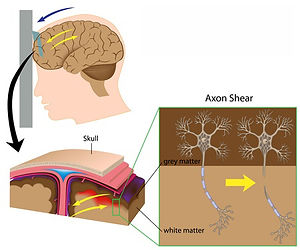
Brain shearing is a term used to describe an injury. It involves damage to the brain’s structure. This happens when the brain moves inside the skull.
Such movement can stretch or tear brain fibers. This affects how the brain works. Understanding brain shearing helps in recognizing symptoms early.
How Brain Shearing Happens
Brain shearing occurs during rapid head movements. The brain moves and twists inside the skull. This can damage nerve fibers.
It is common in accidents like car crashes. Sports injuries can also cause brain shearing. The sudden impact is the main reason.
- Fast head rotation
- Sudden stops in movement
- Direct hits to the head
Common Causes And Triggers
Several events can lead to brain shearing. Car accidents are a leading cause. They often involve sudden stops or impacts.
Sports like football or boxing also pose risks. They involve frequent hits to the head. Even falls from heights can trigger brain shearing.
- Car accidents
- Contact sports
- Falls
Physical Impact On The Brain
Brain shearing happens when the brain moves quickly inside the skull. This motion causes damage to brain tissue. The physical impact can harm cells and different brain parts.
Understanding the effects helps us learn how brain injuries affect health. It also guides medical care after injuries.
Effects On Brain Cells
Brain shearing stretches and tears nerve cells. These cells send messages in the brain and to the body. Damage to them slows or stops these signals.
- Neurons lose their ability to connect properly.
- Cell membranes rupture, causing cell death.
- Inflammation occurs around damaged cells.
- Loss of oxygen and nutrients worsens cell injury.
Types Of Brain Tissue Damage
Brain shearing causes different tissue damages depending on the force and direction. These injuries affect brain functions in many ways.
| Type of Damage | Description | Effect on Brain |
|---|---|---|
| Diffuse Axonal Injury | Stretching and tearing of axons | Disrupts communication between brain areas |
| Contusions | Bruising of brain tissue | Leads to swelling and pressure |
| Hematomas | Blood collection from broken vessels | Increases pressure inside the skull |
| Edema | Swelling due to fluid buildup | Reduces blood flow and oxygen supply |
Symptoms To Watch For
Brain shearing is a serious injury caused by rapid movement of the brain inside the skull. It can happen after a strong impact or sudden shaking. Recognizing the symptoms early is important for getting help fast.
Symptoms may show up right away or develop over time. Knowing what signs to look for can help you act quickly and avoid further harm.
Immediate Signs
Immediate signs of brain shearing appear soon after the injury. These symptoms often need urgent medical care.
- Loss of consciousness or fainting
- Severe headache
- Confusion or trouble thinking clearly
- Blurred or double vision
- Nausea or vomiting
- Dizziness or loss of balance
- Seizures or convulsions
- Weakness or numbness in limbs
- Difficulty speaking or understanding speech
Long-term Consequences
Brain shearing can cause lasting problems that affect daily life. These may appear days or weeks after the injury.
Some long-term effects include trouble with memory, mood changes, and physical difficulties.
- Memory loss or difficulty learning new things
- Chronic headaches
- Problems with attention and concentration
- Changes in mood or personality
- Sleep disturbances
- Weakness or poor coordination
- Difficulty with speech or language
- Emotional instability or depression

Credit: www.trialguides.com
Diagnosis Methods
Brain shearing is a serious injury that affects the brain’s structure. Diagnosing it quickly and accurately is very important.
Doctors use different tools and tests to find brain shearing. These help to see the damage and plan treatment.
Imaging Techniques
Imaging techniques show detailed pictures of the brain. They help doctors spot areas where shearing may have happened.
Common imaging methods include CT scans and MRI. These scans reveal bleeding, swelling, or tissue damage inside the brain.
- CT Scan: Uses X-rays to make quick brain images.
- MRI: Uses magnets to create detailed brain pictures.
- Diffusion Tensor Imaging (DTI): Shows nerve fiber damage.
Clinical Assessments
Clinical assessments check how the brain injury affects a person’s abilities. Doctors look at physical and mental functions.
Tests include checking consciousness, reflexes, and memory. These help to understand the injury’s impact on daily life.
- Glasgow Coma Scale: Measures consciousness level.
- Neurological Exam: Tests reflexes and muscle strength.
- Cognitive Tests: Assess memory and thinking skills.
Treatment Options
Brain shearing is a serious injury that needs quick and careful treatment. Proper care helps reduce damage and improve recovery chances.
This section covers emergency care and rehabilitation strategies to treat brain shearing effectively.
Emergency Care
Emergency care aims to stabilize the patient and prevent further brain damage. Medical teams act fast to manage symptoms and support vital functions.
- Ensure airway is open and provide oxygen.
- Control bleeding and reduce swelling in the brain.
- Use medications to lower pressure inside the skull.
- Perform surgery if needed to remove blood clots or repair damaged tissues.
- Monitor vital signs and brain activity continuously.
Rehabilitation Strategies
After emergency care, rehabilitation helps patients regain lost skills and improve quality of life. It involves different therapies based on the injury severity.
| Therapy Type | Purpose | Common Methods |
| Physical Therapy | Restore movement and strength | Exercise, balance training |
| Occupational Therapy | Improve daily living skills | Task practice, adaptive tools |
| Speech Therapy | Recover communication abilities | Language exercises, swallowing techniques |
| Cognitive Therapy | Enhance memory and thinking | Problem-solving tasks, memory games |

Credit: medium.com
Prevention Tips
Brain shearing happens when the brain moves quickly inside the skull. This can cause serious injury. Preventing brain shearing is very important for safety.
Using safety measures and protective gear lowers the risk of brain shearing. These steps help protect your brain in many situations.
Safety Measures
Stay aware of your surroundings to avoid accidents. Follow rules and signs to keep safe. Do not take unnecessary risks that might cause head injuries.
Keep your home and work areas free from hazards. Use handrails on stairs and keep floors clear to prevent falls. Always use seat belts in cars to reduce injury risks.
- Watch where you walk or run
- Follow traffic and safety rules
- Keep floors and stairs clear
- Use seat belts every time
Protective Gear Importance
Wearing protective gear helps stop brain shearing injuries. Helmets are the most common gear to protect your head. Always wear the right helmet for the activity.
Proper fit and condition of gear are important. Replace old or damaged helmets. Use other protective equipment like face guards and padding when needed.
- Wear helmets during biking, skating, or sports
- Check helmets fit snugly on your head
- Replace helmets after impact or damage
- Use extra padding for high-risk activities
Shocking Facts About Brain Shearing
Brain shearing is a severe injury where the brain tissue tears. It happens when the head moves fast or twists suddenly.
This injury can cause major problems like memory loss, confusion, or even death. Many people do not know how dangerous it is.
Unexpected Risk Factors
Many think only car crashes cause brain shearing. But many small actions can also lead to it.
Contact sports, falls in the elderly, and even violent shaking can cause brain shearing. Babies are very at risk from shaking.
- Playing football or boxing without proper gear
- Slipping and hitting the head at home
- Shaking a baby violently
- High-speed accidents with sudden stops
Surprising Recovery Stories
Many people survive brain shearing and recover more than doctors expect. Some regain speech and movement after months.
Family support and therapy play a big role in healing. Each recovery is different and shows how strong the brain can be.
- Patients walking again after severe injury
- Regaining memory through therapy and care
- Using art and music to help brain healing
- Long-term rehab improving daily life skills

Credit: fox-ae.com
Frequently Asked Questions
What Is Brain Shearing In Medical Terms?
Brain shearing refers to the tearing of brain tissue caused by rapid movement or trauma. It often occurs during accidents or violent impacts. This injury disrupts normal brain function and can lead to serious neurological issues.
How Does Brain Shearing Affect Brain Function?
Brain shearing damages nerve fibers, interrupting communication between brain cells. This can cause memory loss, cognitive difficulties, and impaired motor skills. The severity depends on the extent of the injury and affected brain areas.
What Causes Brain Shearing Injuries?
Brain shearing is usually caused by sudden acceleration or deceleration, like car crashes or falls. Violent shaking or rotational forces also contribute. These forces cause the brain to move inside the skull, leading to tissue tears.
Can Brain Shearing Be Treated Effectively?
Treatment focuses on minimizing further damage and supporting recovery. This may include medication, surgery, and rehabilitation therapies. Early intervention improves outcomes but some brain shearing injuries can cause permanent damage.
Conclusion
Brain shearing can cause serious damage inside the head. It happens when the brain moves quickly and tears. This injury affects how the brain works. Recognizing the signs early helps get proper care fast. Protecting your head is very important to avoid harm.
Understanding brain shearing makes you more aware of risks. Stay safe and pay attention to head injuries. Taking quick action can improve recovery chances. Knowledge about brain shearing helps everyone stay informed and cautious.