Have you ever wondered what those numbers mean when you see a “Btu” rating on an air conditioner? Understanding what a Btu air conditioner is can make a huge difference in keeping your space cool and comfortable without wasting energy or money.
If you want to choose the right air conditioner for your home or office, knowing about Btu is the key. Keep reading, and you’ll discover how this simple number affects your comfort and your bills in ways you might never have imagined.
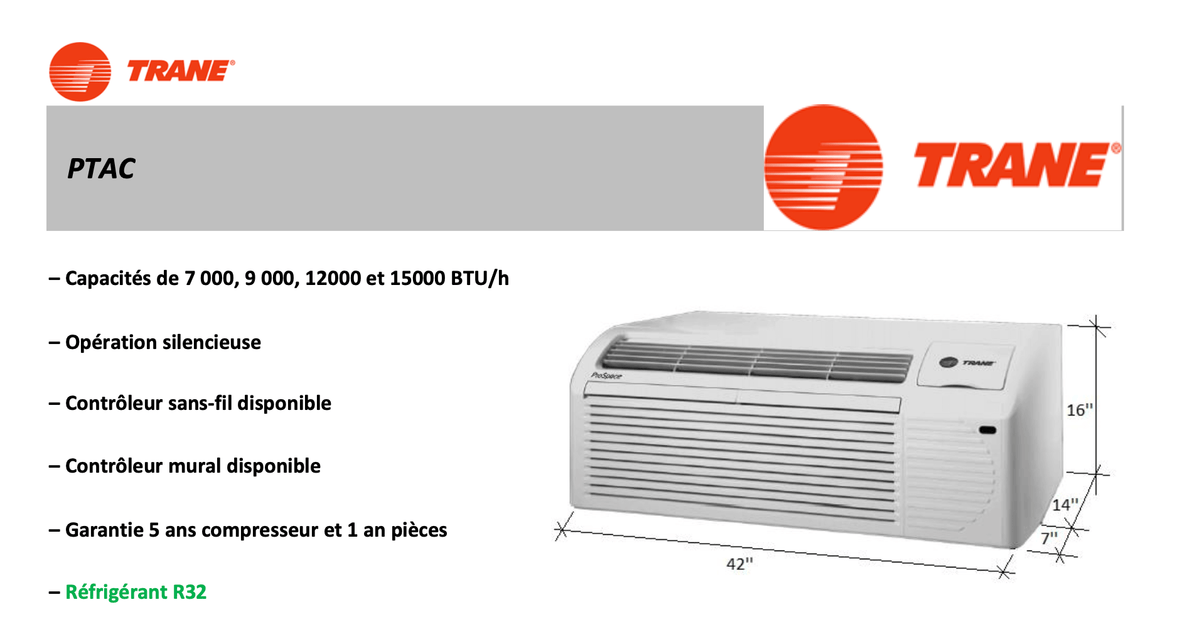
Credit: airgreen.ca
Btu Basics
BTU stands for British Thermal Unit. It measures heat energy. Air conditioners use BTU to show their cooling power.
Knowing BTU helps you pick the right air conditioner. It tells how much heat the unit can remove from a room.
What Btu Means
A BTU is the amount of heat needed to raise one pound of water by one degree Fahrenheit. This unit measures energy transfer.
- 1 BTU equals about 1055 joules of energy.
- It helps compare heating and cooling devices.
- Higher BTU means more heat energy moved.
- BTU measures both heating and cooling power.
Btu And Cooling Power
Air conditioners use BTU to show how much heat they remove in an hour. The higher the BTU, the bigger the space it can cool.
| Room Size (sq ft) | Recommended BTU |
|---|---|
| 100 – 150 | 5,000 – 6,000 |
| 150 – 250 | 6,000 – 8,000 |
| 250 – 350 | 8,000 – 10,000 |
| 350 – 450 | 10,000 – 12,000 |
| 450 – 550 | 12,000 – 14,000 |

Credit: senville.ca
How Btu Affects Air Conditioners
Btu stands for British Thermal Unit. It measures the cooling power of an air conditioner. The right Btu size is important for efficient cooling.
If the Btu is too high or too low, the air conditioner will not work well. It can lead to higher energy bills and less comfort.
Sizing Your Ac Unit
Choosing the right Btu size for your room is crucial. It depends on the room size and other factors.
- Measure the room in square feet.
- Consider the number of windows and doors.
- Think about sunlight exposure.
Energy Efficiency And Btu
Energy efficiency is about using less power to cool your space. A well-sized Btu unit can help with this.
| Btu Range | Room Size (sq ft) |
| 5,000 – 7,000 | 100 – 300 |
| 8,000 – 12,000 | 300 – 500 |
| 13,000 – 18,000 | 500 – 800 |
Choosing The Right Btu For Your Space
BTU stands for British Thermal Unit. It measures how much heat an air conditioner can remove. Choosing the right BTU helps cool your room efficiently.
If the BTU is too low, the room stays warm. If it is too high, the air conditioner wastes energy. Learn how to pick the best BTU for your space.
Room Size And Btu
The size of your room is the main factor to choose BTU. Bigger rooms need more cooling power. Smaller rooms need less.
Measure your room in square feet. Then use the BTU guide below to pick the right size.
- Up to 150 sq ft: 5,000 BTU
- 150 to 250 sq ft: 6,000 BTU
- 250 to 350 sq ft: 8,000 BTU
- 350 to 450 sq ft: 10,000 BTU
- 450 to 550 sq ft: 12,000 BTU
Climate Considerations
Climate affects how hard your air conditioner works. Hotter climates need more BTU to cool the same space.
If you live in a very hot place, add 10% to 20% more BTU. Cooler climates can use the standard BTU for room size.
- Hot climate: Add 20% BTU
- Moderate climate: Use standard BTU
- Cool climate: Use standard or slightly less BTU
Insulation And Btu Needs
Good insulation keeps your room cool longer. Poor insulation makes the air conditioner work harder.
If your room has poor insulation, increase BTU by 10% to 15%. Well-insulated rooms can use the regular BTU size.
- Good insulation: Standard BTU
- Average insulation: Add 10% BTU
- Poor insulation: Add 15% BTU or more
Types Of Btu Air Conditioners
BTU stands for British Thermal Unit. It shows how much heat an air conditioner can remove. Different types of ACs have different BTU ratings.
Choosing the right type and BTU size helps cool your space efficiently. Here are the main types of BTU air conditioners.
Window Units
Window units are small air conditioners that fit into a window. They are good for cooling one room. They come in many BTU sizes, from 5,000 to 12,000 BTU.
These units are easy to install and remove. They are a low-cost option for small spaces.
- Best for single rooms
- Require window space
- Range from 5,000 to 12,000 BTU
- Easy to install and remove
Portable Acs
Portable air conditioners can be moved from room to room. They have wheels and a hose to release hot air outside. Their BTU rating usually ranges from 8,000 to 14,000.
These units are good if you want flexibility. They do not need window installation but need a vent for hot air.
- Easy to move around
- Use a vent hose to release hot air
- BTU range from 8,000 to 14,000
- Good for cooling small to medium rooms
Central Air Systems
Central air systems cool entire homes or large buildings. They use ducts to distribute cool air in many rooms. Their BTU ratings can be very high, from 18,000 to over 60,000.
This system needs professional installation. It is efficient for large spaces and keeps the whole building cool.
- Cool many rooms at once
- Use ducts to spread cool air
- High BTU ratings, 18,000 to 60,000+
- Require professional installation
Calculating Btu Requirements
BTU stands for British Thermal Unit. It measures how much heat an air conditioner can remove from a room. Calculating the right BTU helps choose the best air conditioner size.
Choosing a unit with the correct BTU ensures the room cools efficiently. Too little BTU means poor cooling, while too much wastes energy.
Basic Calculation Methods
One simple way to find BTU needs is to measure the room size in square feet. Multiply the area by a number that fits the room’s heat load.
- Measure room length and width in feet.
- Multiply length by width to get square footage.
- Multiply square footage by 20 BTU for basic cooling needs.
- Adjust BTU if the room gets more sunlight or has many people.
Tools And Apps For Btu Estimation
Many online calculators and mobile apps help estimate BTU. They ask for room size, ceiling height, and other details to give a precise number.
| Tool/App | Features | Platform |
| CoolCalc | Room size, windows, insulation | Web |
| HVAC Buddy | BTU calculator, load estimate | iOS, Android |
| Energy Star Calculator | Energy saving tips, BTU estimate | Web |
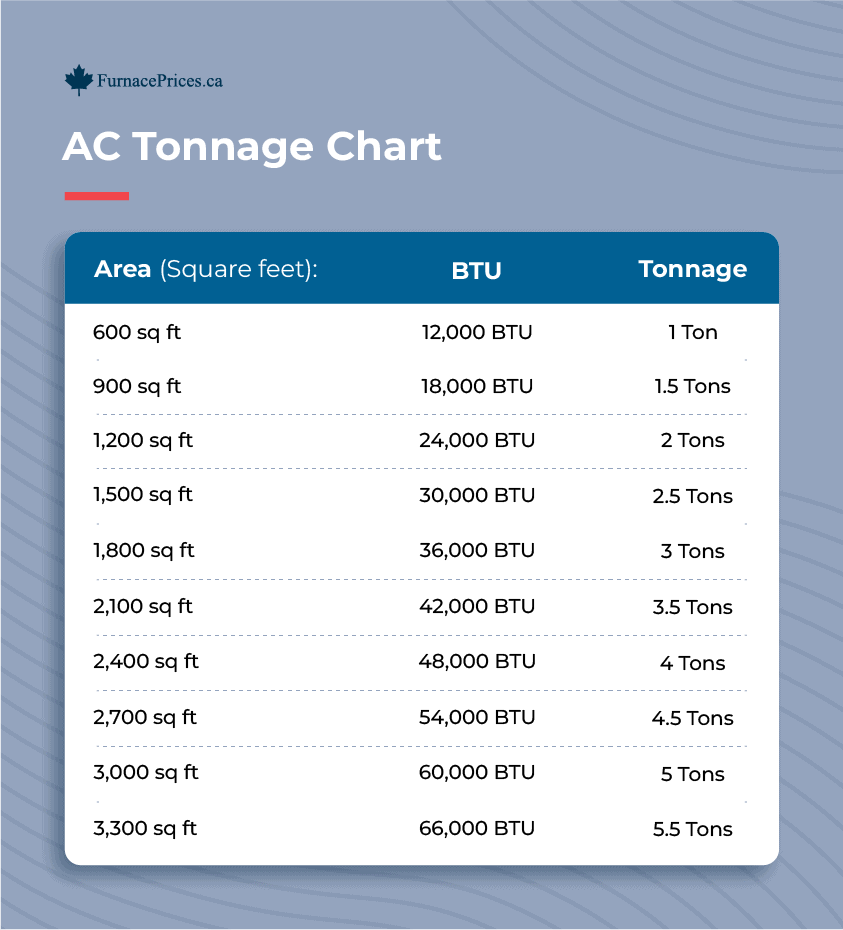
Credit: www.furnaceprices.ca
Common Btu Myths
BTU stands for British Thermal Unit. It measures how much heat an air conditioner can remove from a room.
Many people believe a bigger BTU means better cooling and efficiency. This is not always true.
Bigger Btu Means Cooler Air
People think a larger BTU air conditioner will cool faster and better. This idea is wrong.
If the BTU is too big for the room, the air conditioner will cool too fast. It will not remove humidity well.
- Too large BTU cools air but leaves it damp.
- Too small BTU cannot cool the room properly.
- Right BTU matches room size and insulation.
Btu Alone Determines Efficiency
BTU only shows cooling capacity. It does not show how energy efficient the unit is.
Efficiency depends on other factors like SEER rating and technology used in the air conditioner.
- Higher SEER means better energy use.
- Modern tech can cool more using less power.
- BTU size must match room for best efficiency.
Maintaining Your Btu Air Conditioner
Keeping your Btu air conditioner in good shape helps it work better. Regular care saves energy and extends the unit’s life.
Simple maintenance tasks can prevent big problems. Learn easy ways to clean and service your air conditioner.
Cleaning And Filter Replacement
Cleaning your air conditioner keeps air fresh and cool. The filter catches dust and dirt that can block airflow.
Replace or clean the filter every 1 to 3 months. A clean filter improves air quality and efficiency.
- Turn off the unit before cleaning
- Remove the filter carefully
- Wash reusable filters with warm water
- Replace disposable filters with the right size
- Let filters dry fully before reinstalling
Regular Servicing Tips
Check your air conditioner often for any unusual noise or leaks. Early fixes keep it running smoothly.
Schedule professional service at least once a year. Technicians clean coils and check refrigerant levels.
- Inspect the outdoor unit for debris and dirt
- Clear leaves and grass from the unit’s base
- Check electrical connections and tighten if needed
- Ensure the thermostat works properly
- Listen for strange sounds during operation
Energy Saving Tips For Btu Acs
BTU air conditioners cool rooms by removing heat. They use energy based on their size and settings. Saving energy helps lower electricity bills.
Using your BTU AC smartly can keep your room cool and save power. Small changes in how you use the AC make a big difference.
Optimal Temperature Settings
Setting your AC to the right temperature saves energy. Too cold settings make the AC work harder and use more power.
Keep your AC temperature around 24 to 26 degrees Celsius. This keeps you comfortable and cuts energy use.
- Set temperature to 24-26°C (75-78°F)
- Avoid lowering temperature too much
- Use a programmable thermostat if available
- Turn off AC when you leave the room
Using Fans And Ventilation
Fans help spread cool air from your AC. They let you raise the AC temperature and still feel cool.
Good ventilation moves warm air out and brings fresh air in. This reduces the AC’s work and saves energy.
- Use ceiling or standing fans with AC
- Open windows for cross ventilation if outside is cooler
- Close blinds to block direct sunlight
- Keep doors closed in cooled rooms
Frequently Asked Questions
What Does Btu Mean In Air Conditioners?
BTU stands for British Thermal Unit. It measures the cooling power of an air conditioner. Higher BTU means more cooling capacity.
How To Choose The Right Btu For A Room?
Calculate room size in square feet and match it with BTU capacity. Proper BTU ensures efficient cooling without energy waste.
Why Is Btu Important For Air Conditioner Efficiency?
BTU rating helps select an AC that cools effectively. It prevents under or overcooling, saving energy and reducing costs.
Can A Low Btu Ac Cool A Large Room?
No, a low BTU AC struggles to cool large rooms. It runs longer and uses more electricity without proper comfort.
Conclusion
Choosing the right BTU for your air conditioner matters a lot. It helps cool your space efficiently and saves energy. Too high or too low BTU can cause discomfort and waste power. Understanding BTU lets you pick the best unit for your room size.
Now, you can make a smart choice and enjoy cool, comfortable air all year round. Simple and clear.