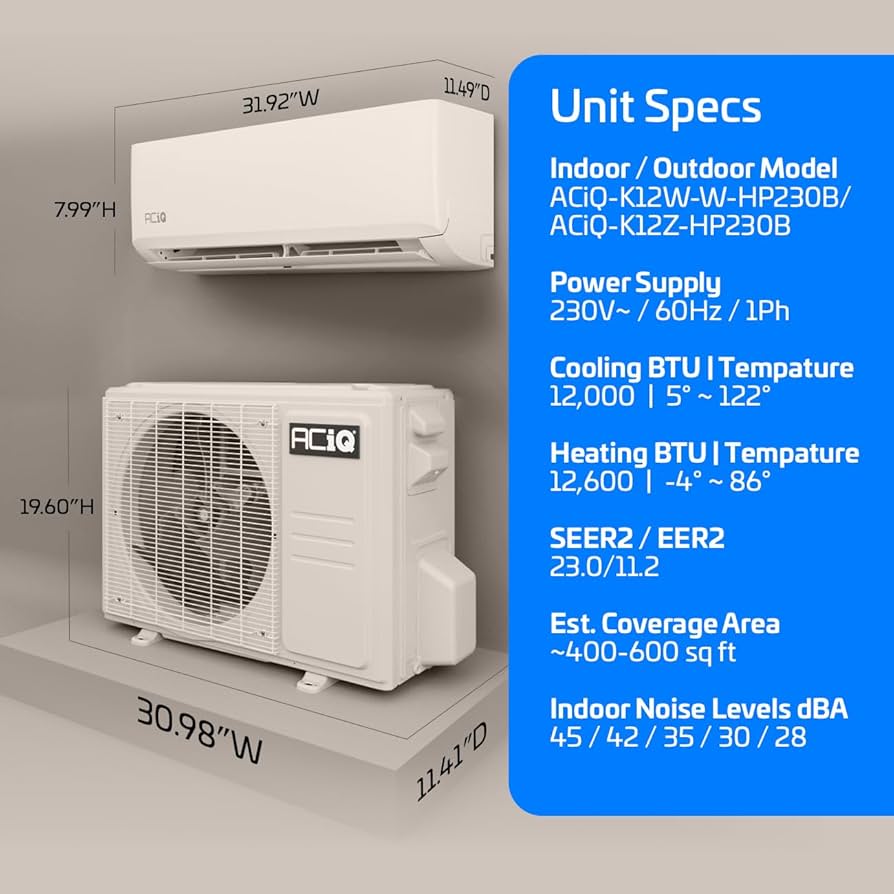
Have you ever wondered what those numbers on your air conditioner really mean? When you see “BTU” listed, it might seem like just another technical term.
But understanding what BTU stands for can make a big difference in how comfortable your home feels. If you want to choose the right air conditioner that cools your space efficiently without wasting energy or money, knowing about BTU is key.
Keep reading, and you’ll discover how this simple measurement impacts your cooling experience and helps you make smarter choices for your home.
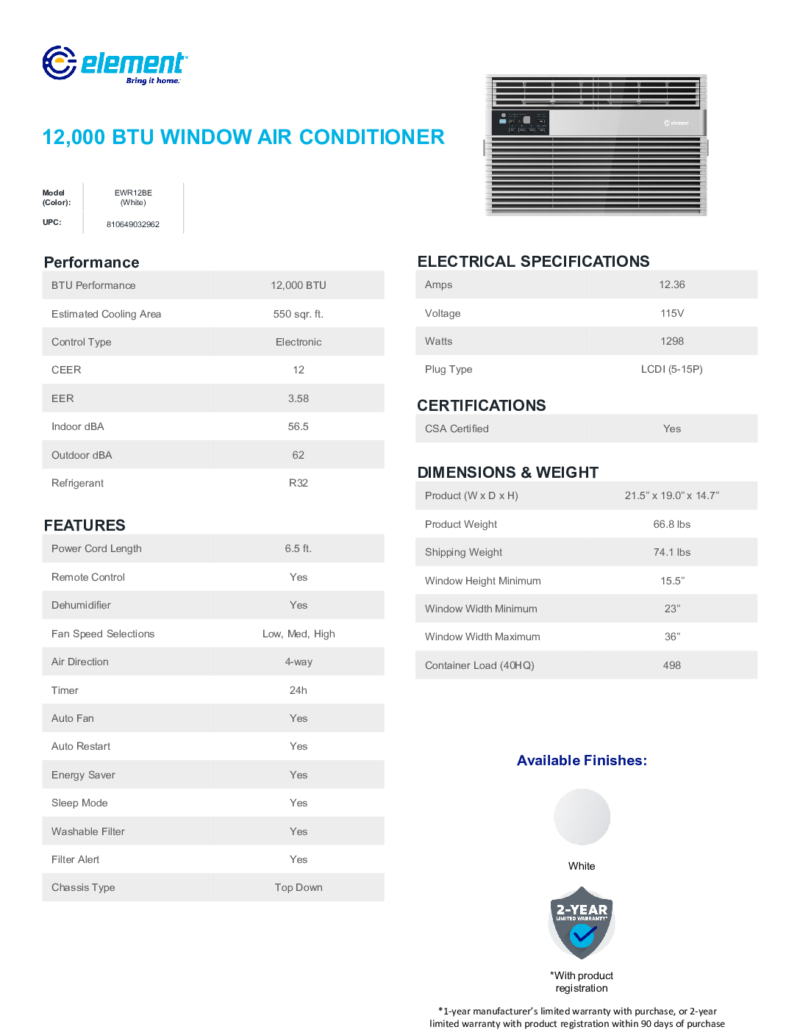
Credit: elementelectronics.com
Btu Basics
BTUstands for British Thermal Unit. It is a unit of energy. In air conditioners, BTU shows how much heat the unit can remove from a room in one hour.
The higher the BTU number, the more cooling power the air conditioner has. A small room needs fewer BTUs, while a large room needs more to cool properly.
Choosing the right BTU size helps the air conditioner work well and saves energy.
| Room Size (sq ft) | Recommended BTU |
|---|---|
| Up to 150 | 5,000 – 6,000 |
| 150 – 250 | 6,000 – 8,000 |
| 250 – 350 | 8,000 – 10,000 |
| 350 – 450 | 10,000 – 12,000 |

Credit: www.amazon.com
How Btu Affects Ac Performance
BTUstands for British Thermal Unit. It measures how much heat an air conditioner can remove from a room. The higher the BTU, the more cooling power the AC has. Choosing the right BTU size is very important.
Sizing your air conditionermeans picking the right BTU for your room size. If the AC is too small, it will run all the time and still not cool the room well. If it is too big, it will cool too fast and waste energy.
| Room Size (sq ft) | Recommended BTU |
|---|---|
| 100 – 150 | 5,000 – 6,000 |
| 150 – 250 | 6,000 – 8,000 |
| 250 – 350 | 8,000 – 10,000 |
Consequences of incorrect BTUinclude:
- Too small: AC runs longer, higher electric bills.
- Too big: Short cycles, poor humidity control.
- Both cases: Less comfort and faster wear.
Calculating Btu Needs
Calculating the BTUneeded depends mainly on the room size. Larger rooms require more cooling power. Measure the room’s length and width in feet. Multiply them to get the square footage.
Next, consider these factors that affect the BTU requirements:
- Number of windows and sunlight exposure
- Room height and ceiling type
- Number of people usually inside
- Heat from appliances or electronics
- Insulation quality of the room
| Room Size (sq ft) | BTU Needed |
|---|---|
| Up to 150 | 5,000 BTU |
| 150 – 250 | 6,000 – 8,000 BTU |
| 250 – 350 | 8,000 – 10,000 BTU |
| 350 – 450 | 10,000 – 12,000 BTU |
Btu Ratings And Energy Efficiency
BTU ratingsshow the cooling power of an air conditioner. Higher BTU means more cooling ability. But a bigger BTU unit can use more energy.
Energy Starlabels help find efficient AC units. These models use less electricity but cool well. They save money and help the environment.
Balancing power and efficiencyis key. Choose a BTU size that fits your room. Too big wastes energy; too small cools poorly.
| BTU Range | Room Size | Energy Use |
|---|---|---|
| 5,000 – 6,000 | Up to 150 sq ft | Low |
| 7,000 – 8,000 | 150 – 350 sq ft | Medium |
| 9,000 – 12,000 | 350 – 550 sq ft | Higher |
Choosing The Right Ac Unit
BTU (British Thermal Unit)measures the cooling power of an air conditioner. Choosing the right BTU depends on the room size. Too low BTU means the AC won’t cool well. Too high BTU wastes energy and can make the room feel damp.
Here is a simple guide to match BTU with room size:
| Room Size (sq ft) | Recommended BTU |
|---|---|
| 100 – 150 | 5,000 – 6,000 |
| 150 – 250 | 6,000 – 8,000 |
| 250 – 350 | 8,000 – 10,000 |
| 350 – 450 | 10,000 – 12,000 |
Types of air conditionersvary by design and use. Window ACs are common for single rooms. Portable ACs can move between rooms but might be less powerful. Split ACs have two parts and cool larger spaces quietly. Central ACs cool whole buildings but cost more.

Credit: minisplitsystemsdirect.com
Maintaining Optimal Cooling
Regular maintenance helps keep your air conditionerrunning well. Clean or replace the air filtersevery month. Dirt blocks airflow and lowers cooling power. Clear debris from outdoor units to avoid blockages. Check the thermostat settingsto make sure the AC runs efficiently. Tighten electrical connections and inspect wiring to prevent faults. Keep the coils cleanfor better heat exchange. Schedule professional checks yearly to find hidden issues early.
Improving AC efficiency saves energy and cuts costs. Use fans to spread cool air faster. Close windows and doors to keep cool air inside. Use curtains or blinds to block sunlight during hot hours. Set thermostat to a comfortable but not too low temperature. Avoid using heat-producing devices near the AC sensor. Seal leaks in ducts and around windows to stop cool air loss.
Frequently Asked Questions
What Does Btu Mean In Air Conditioners?
BTU stands for British Thermal Unit. It measures an air conditioner’s cooling capacity. Higher BTUs mean stronger cooling power for larger spaces.
How Do Btus Affect Air Conditioner Performance?
BTUs determine how much heat an AC can remove per hour. Proper BTU sizing ensures efficient cooling and energy savings.
What Btu Size Is Best For A Room?
Choose BTUs based on room size. Small rooms need 5,000-8,000 BTUs, while larger rooms require 12,000 or more BTUs.
Can A Wrong Btu Size Harm My Ac?
Yes, too low BTUs cause poor cooling. Too high BTUs waste energy and cause frequent cycling, reducing lifespan.
Conclusion
BTU measures how much heat an air conditioner can remove. Choosing the right BTU size keeps your room cool and comfortable. Too low BTU means the room stays warm. Too high BTU wastes energy and costs more. Understanding BTU helps you pick the best AC for your space.
It saves money and keeps you comfortable all year. Always check BTU before buying an air conditioner. Simple but important for a cool home.