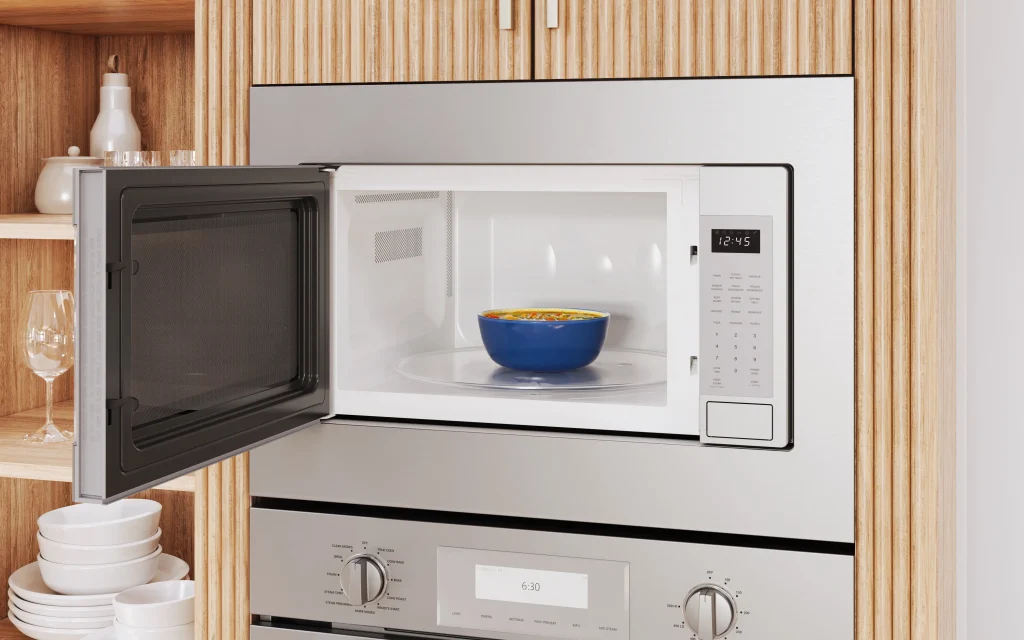
Imagine walking into your kitchen and everything is perfectly in its place, sleek and modern. You open a cupboard, and there it is—your trusty microwave, but not just any microwave.
This one’s seamlessly integrated into your kitchen design. Welcome to the world of built-in microwave ovens! If you’ve ever wished for more counter space or wondered how to give your kitchen a streamlined look, you’re in the right place. This article will uncover everything you need to know about built-in microwaves.
From their advantages to how they could transform your cooking experience, you’ll discover why this appliance might be the missing piece in your kitchen puzzle. Curious about how a built-in microwave can make your life easier and your kitchen more stylish? Keep reading, because this could be the upgrade you’ve been dreaming of.
Built-in Microwave Basics
A built-in microwave oven is more than just a kitchen appliance; it’s a smart solution for saving counter space while keeping your cooking area sleek and organized. Unlike countertop microwaves, these units are designed to fit seamlessly into your kitchen cabinetry. Understanding the basics will help you decide if a built-in microwave fits your cooking style and kitchen layout.
Key Features
Built-in microwaves come with features that make them stand out from regular models. Many offer sensor cooking, which adjusts time and power based on the food’s moisture level. You’ll also find options like convection cooking, allowing you to bake or roast in addition to reheating.
Some models include easy-to-clean interiors and quiet operation. Think about how often you use your microwave and what features would make your cooking faster or simpler. Have you noticed how sensor cooking can prevent overcooking leftovers?
Design And Style
These microwaves are designed to blend with your kitchen’s aesthetic. You can choose from stainless steel, black, or custom panel-ready models that match your cabinetry. This keeps your kitchen looking tidy without a bulky appliance taking up space.
Consider if you want a microwave with a drop-down door or a side-swing door—it affects how you access food in tight spaces. Your kitchen’s overall style guides this choice, so pick a design that complements your decor and fits your daily routine.
Installation Requirements
Installing a built-in microwave requires more planning than just plugging in a countertop model. These units need proper ventilation to avoid overheating, so you’ll often need a vent or fan system nearby. It’s also essential to measure your cabinet space carefully before purchasing.
Power supply is another factor; built-in microwaves usually require a dedicated electrical outlet inside the cabinet. Have you checked if your kitchen can support this kind of installation? Sometimes hiring a professional installer is the best way to ensure safety and a perfect fit.
Types Of Built-in Microwaves
Built-in microwave ovens come in several types, each designed to fit different kitchen needs and styles. Choosing the right type can impact how well the microwave blends with your kitchen and how you use it daily. Understanding these options helps you decide what fits your cooking habits and space best.
Trim Kit Models
Trim kit models allow you to convert a countertop microwave into a built-in one by adding a frame around it. This option is budget-friendly and flexible since you can choose any microwave that fits the kit. If you want a seamless look without replacing your current microwave, a trim kit might be your best bet.
Convection Microwaves
Convection microwaves combine microwave energy with a fan and heating element to bake and roast food. This means you can cook dishes faster while still getting that crispy, browned finish. If you enjoy baking but don’t want a separate oven, this type can save space and add versatility.
Combination Appliances
Combination appliances merge a microwave with other functions, like a traditional oven or a steam oven, into one unit. These are perfect if you want to maximize your kitchen’s functionality without crowding your counters. Think about whether you’d use multiple cooking methods in one place before choosing this type.
Performance And Functionality
Built-in microwave ovens deliver strong performance and versatile functions. They cook food quickly and evenly. These ovens blend well into kitchen designs, saving space and adding convenience. Understanding their performance features helps you use them better.
Power And Cooking Modes
Power levels in built-in microwaves usually range from 600 to 1200 watts. Higher wattage means faster cooking. Multiple cooking modes let you choose how to heat or cook food.
- Defrost mode for safely thawing frozen items
- Reheat mode to warm leftovers without drying
- Grill mode for browning and crisping food
- Combination mode mixes microwave and grill functions
This variety ensures each dish gets the right heat and time.
Sensor Cooking Technology
Sensor cooking technology adjusts time and power automatically. Sensors detect steam or humidity from the food. The microwave uses this data to stop cooking at the perfect moment.
This technology prevents overcooking or undercooking. It makes cooking easier and results more consistent every time.
Preset Programs
Preset programs offer one-touch cooking for common foods. These programs include settings for popcorn, vegetables, pizza, and more. Each preset uses ideal time and power for that food type.
They save time and remove guesswork. Just select the program and start cooking.

Credit: www.frigidaire.ca
Space And Kitchen Integration
Space and kitchen integration is essential for a tidy and functional cooking area. A built-in microwave oven fits into your kitchen design, saving space and adding style. It blends with cabinets and counters, creating a smooth and neat look. This section explores how built-in microwaves help save space and match kitchen decor.
Saving Counter Space
Built-in microwaves free up valuable counter space. Counters stay clear for food prep and other tasks. This is perfect for small kitchens or busy households. You avoid clutter and make cleaning easier. No more bulky appliances crowding your workspace.
Seamless Kitchen Design
Built-in microwaves create a seamless look in your kitchen. They fit flush with cabinets and walls, avoiding awkward gaps. This design enhances the overall flow and appearance. The microwave becomes part of the kitchen, not just an add-on. It matches finishes and colors for a uniform style.
Custom Cabinet Options
Custom cabinets allow perfect placement of built-in microwaves. You can choose height and location for easy access. Cabinets can include vents and storage around the microwave. This customization keeps your kitchen organized and efficient. Tailored options help maximize both function and beauty.
Energy Efficiency And Safety
Understanding energy efficiency and safety in built-in microwave ovens is crucial before making a purchase. These appliances not only save you money on electricity bills but also protect your household from common kitchen hazards. Paying attention to these aspects ensures you get a microwave that’s both economical and secure for everyday use.
Energy Consumption
Built-in microwave ovens typically use less energy compared to traditional ovens, making them a smart choice for quick heating tasks. Many models come with energy-saving modes that reduce power use during standby. Have you noticed how quickly your microwave heats food without running for long periods? That’s energy efficiency at work.
Choosing a microwave with an inverter technology can further lower your electricity consumption. This technology adjusts the power output more precisely, avoiding wasted energy during cooking. Over time, this can lead to noticeable savings on your energy bills.
Child Safety Features
Safety is a top priority, especially if you have kids at home. Most built-in microwaves include child lock functions that prevent accidental operation. This feature gives you peace of mind knowing your little ones can’t start the microwave or change settings without supervision.
Besides locks, some microwaves have cool-touch doors and exterior surfaces. This reduces the risk of burns, which is a common concern with kitchen appliances. Imagine how much safer it feels when you don’t have to worry about your child getting hurt near the microwave.
Auto Shut-off Functions
Auto shut-off features automatically turn the microwave off after a set time or when overheating is detected. This prevents food from overcooking and reduces fire risks. Think about those times you walked away and forgot to stop the microwave—auto shut-off can save you from potential accidents.
Some models also pause cooking when you open the door and resume once it’s closed. This adds an extra layer of safety and convenience. Wouldn’t you agree that these little smart functions make daily cooking less stressful?
Credit: www.kitchenaid.ca
Benefits Over Countertop Microwaves
Built-in microwave ovens offer several benefits over traditional countertop models. They save counter space and blend seamlessly into kitchen designs. These microwaves improve both the look and function of your cooking area.
Enhanced Aesthetics
Built-in microwaves fit flush with cabinets or walls. This creates a clean, modern kitchen look. Countertop microwaves often appear bulky and disrupt the design flow. A built-in model keeps the kitchen neat and stylish.
Improved Functionality
Built-in microwaves are installed at eye level for easy access. This reduces the need to bend or lift heavy dishes. Many models include advanced features and larger capacities than countertop versions. They free up counter space for food prep or other appliances.
Increased Home Value
Built-in microwaves are seen as a kitchen upgrade. They add a touch of luxury and convenience. This can make your home more attractive to buyers. Investing in a built-in microwave can raise your property’s market appeal.
Maintenance And Care Tips
Proper maintenance keeps your built-in microwave oven working well for years. Regular care prevents dirt buildup and mechanical problems. Simple steps help maintain performance and extend the oven’s life.
Cleaning Techniques
Clean the microwave after each use to avoid stains and odors. Use a damp cloth with mild soap to wipe the interior and exterior surfaces. Avoid harsh chemicals that can damage the finish.
- Steam clean by heating a bowl of water with lemon juice for 5 minutes.
- Wipe down the turntable and walls with a soft sponge.
- Dry all surfaces with a clean cloth to prevent moisture buildup.
Troubleshooting Common Issues
Some problems can be fixed easily without a technician. Check if the microwave door closes properly; a loose door often stops operation. Listen for unusual noises or weak heating, which might indicate a faulty component.
- Reset the microwave by unplugging it for a few minutes.
- Inspect the power cord for damage or loose connections.
- Clean the vents regularly to avoid overheating.
When To Call A Technician
Call a professional if the microwave won’t start or stops during cooking. Strange smells, smoke, or sparks need immediate expert attention. Avoid opening the microwave yourself, as it contains high-voltage parts.
- Persistent heating problems after troubleshooting.
- Broken door latch or seal that affects safety.
- Electrical issues like frequent tripping of circuit breakers.
Credit: www.kitchenaid.com
Choosing The Right Built-in Microwave
Choosing the right built-in microwave can transform how you use your kitchen. It’s not just about picking a stylish appliance—it’s about matching the microwave to your cooking habits, space, and budget. Let’s break down what you should consider before making this important decision.
Assessing Your Kitchen Needs
Think about how often you use a microwave and for what purposes. Do you mostly reheat leftovers, or do you like to cook meals from scratch? Knowing this helps you decide on the power level and features you really need.
Measure the space where the microwave will go. Built-in models require precise dimensions for a perfect fit. If you don’t have enough room, you might need to reconsider the size or the location.
Also, consider your kitchen’s style. Do you want a microwave that blends seamlessly with your cabinets or one that stands out as a statement piece? Your choice impacts both aesthetics and installation options.
Budget Considerations
Set a realistic budget before you start shopping. Built-in microwaves range widely in price, depending on brand, size, and features. Having a clear budget helps narrow your options quickly.
Keep in mind that installation costs can add up. Some models need professional installation, which can be pricey. Factor this into your total spending to avoid surprises.
Think about long-term value, not just upfront cost. Sometimes spending a bit more means better durability and energy savings over time. Ask yourself: Would you rather replace a cheap microwave soon or invest in one that lasts?
Top Brands And Models
Some brands stand out for their reliability and innovative features. Panasonic and Bosch often receive praise for powerful, compact built-in microwaves. GE and KitchenAid offer models that combine style with smart technology.
Look for models with user-friendly controls and easy-to-clean interiors. A microwave you dread using will just sit there. Reading user reviews can reveal real-world pros and cons you might not find in product descriptions.
Think about additional features like sensor cooking, convection options, and multi-stage cooking programs. Do these add value for your daily routine, or are they just bells and whistles? Your choice should simplify your life, not complicate it.
Frequently Asked Questions
What Is A Built-in Microwave Oven?
A built-in microwave oven is a kitchen appliance installed directly into cabinetry. It saves counter space and provides a seamless look. It blends with your kitchen design, offering convenience without occupying extra space.
How Does A Built-in Microwave Differ From Countertop Models?
Built-in microwaves are installed within cabinets, unlike countertop models that sit on surfaces. This integration saves space and enhances kitchen aesthetics. Built-in units often have more features and a higher price point.
Are Built-in Microwaves Easy To Install?
Installation requires professional help due to electrical connections and cabinetry modifications. Proper installation ensures safety and optimal performance. It is not a simple plug-and-play device like countertop microwaves.
What Are The Benefits Of A Built-in Microwave Oven?
Benefits include space-saving design, sleek appearance, and easy accessibility. They can integrate with other appliances for a cohesive kitchen look. Built-in microwaves often offer advanced features and better ventilation.
Conclusion
A built-in microwave oven saves kitchen space and looks neat. It fits inside cabinets or walls, blending with your kitchen design. Cooking and reheating become easier and faster. Many models offer useful features like grilling or convection. This appliance suits small and large kitchens alike.
Choosing the right one depends on your cooking needs and space. A built-in microwave adds convenience without clutter. It keeps your kitchen organized and stylish. Consider it if you want a tidy cooking area. Simple, efficient, and space-saving—a smart kitchen choice.