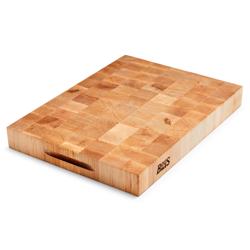
Have you ever wondered why a chopping board is a must-have in every kitchen? Whether you’re slicing fresh vegetables or carving juicy meats, your chopping board is the silent hero that makes food prep easier and safer.
But did you know that choosing the right chopping board can protect your knives, keep your food clean, and even boost your cooking efficiency? Keep reading to discover everything you need to know about what a chopping board is used for and how it can transform your kitchen experience.

Credit: miti-life.com
Chopping Board Basics
A chopping board is a flat surface used in kitchens. It helps cut and prepare food safely.
Chopping boards protect your countertops and keep knives sharp. They come in many materials and sizes.
Common Uses Of A Chopping Board
People use chopping boards for many kitchen tasks. These include cutting, slicing, and dicing food items.
- Chopping vegetables and fruits
- Slicing bread or cheese
- Cutting meat and poultry
- Preparing herbs and spices
- Serving food like cheese or snacks
Materials Used In Chopping Boards
Chopping boards come in different materials. Each material has pros and cons for kitchen use.
| Material | Advantages | Disadvantages |
| Wood | Gentle on knives, natural look | Needs regular oiling, can absorb moisture |
| Plastic | Easy to clean, dishwasher safe | Can get deep cuts, less durable |
| Bamboo | Eco-friendly, hard surface | May dull knives faster, requires care |
| Glass | Very easy to clean, hygienic | Hard on knives, slippery surface |
Maintaining Your Chopping Board
Proper care extends the life of your chopping board. Clean and store it correctly after use.
- Wash with warm soapy water after use
- Dry thoroughly to prevent warping
- Oil wooden boards regularly to avoid cracks
- Use separate boards for raw meat and vegetables
- Replace boards that have deep cuts or cracks
Material Varieties
Chopping boards come in many materials. Each type has good and bad points. Choosing the right one helps keep your kitchen clean and safe.
Different materials suit different cooking needs. Some are better for cutting, others for cleaning or style.
Wooden Boards
Wooden chopping boards are popular for their look and feel. They are gentle on knives and can last long. You should clean them well to stop germs.
Plastic Boards
Plastic boards are light and easy to clean. They often come in many colors. This helps keep raw and cooked food separate to avoid germs.
- Usually dishwasher safe
- Can wear down with heavy use
- Often cheaper than wood
- Good for raw meat and fish
Bamboo Boards
Bamboo boards are strong and eco-friendly. Bamboo grows fast, so these boards are more sustainable than some woods. They resist water but still need care to avoid cracking.
Glass Boards
Glass chopping boards look clean and modern. They do not absorb smells or stains. But they can dull knives and may break if dropped.
| Material | Durability | Knife Friendly | Cleaning |
| Wooden | High | Yes | Hand wash |
| Plastic | Medium | Yes | Dishwasher safe |
| Bamboo | High | Yes | Hand wash |
| Glass | Low (can break) | No | Dishwasher safe |
Choosing The Right Board
Choosing the right chopping board makes food prep safer and easier. Consider size, durability, and maintenance when picking a board.
The right board fits your kitchen space and cooking style. It protects your knives and stays clean with little effort.
Size Considerations
Pick a board size that fits your counter and the food you cut. Small boards save space but limit chopping area. Large boards offer more room but need more storage.
- Small boards work well for fruits and small vegetables.
- Medium boards suit daily cooking needs.
- Large boards are best for big tasks like carving meat.
Durability Factors
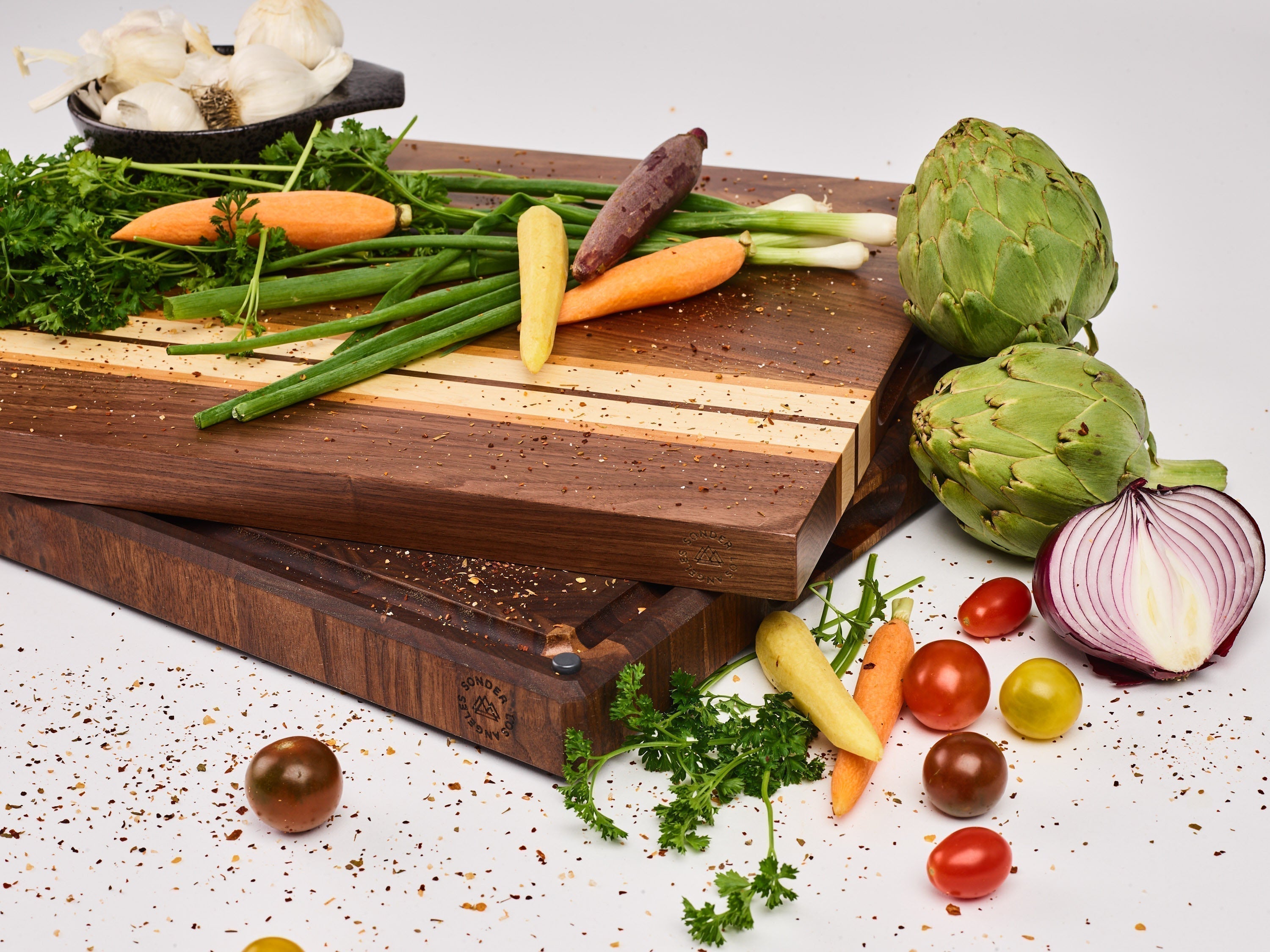
Choose a board material that lasts. Wood boards are tough and knife-friendly. Plastic boards resist stains and are easy to clean. Bamboo boards are strong and eco-friendly but need care.
| Material | Durability | Knife Friendly |
| Wood | High | Yes |
| Plastic | Medium | Moderate |
| Bamboo | High | Yes |
| Glass | Low | No |
Maintenance Needs
Think about how much time you can spend cleaning your board. Wood and bamboo need oiling to stay good. Plastic boards are dishwasher safe. Avoid glass boards if you want easy care.
- Wood and bamboo: hand wash, oil regularly.
- Plastic: dishwasher safe, but can scar.
- Glass: easy to clean but dulls knives fast.
Credit: sonderla.com
Safety And Hygiene
Chopping boards are essential kitchen tools. They help prepare food safely.
Using chopping boards correctly keeps your food clean and safe to eat.
Preventing Cross-contamination
Cross-contamination happens when germs spread from one food to another. This can cause food poisoning.
- Use separate boards for raw meat, vegetables, and cooked food.
- Label chopping boards by food type to avoid mix-ups.
- Wash hands before and after using each board.
- Replace old or deeply scored boards where germs can hide.
Proper Cleaning Techniques
Cleaning your chopping board well removes harmful bacteria.
| Cleaning Method | Instructions |
| Soap and Hot Water | Scrub board with soap and hot water after use. |
| Disinfectant | Use food-safe disinfectant weekly for deep cleaning. |
| Drying | Let board air dry completely to stop bacteria growth. |
| Dishwasher | Use only if board is dishwasher safe. |
Benefits In Food Preparation
A chopping board is a common kitchen tool. It helps prepare food safely and cleanly.
Using a chopping board improves how you cut and handle ingredients. It keeps your workspace neat.
Enhanced Cutting Precision
Chopping boards give a flat, steady surface. This helps you cut food evenly and safely.
- Protects knives from dulling quickly
- Prevents food from slipping while cutting
- Allows better control over slice thickness
- Reduces risk of accidents during chopping
Ease Of Use
Chopping boards are easy to clean and move. They help keep your kitchen organized.
| Feature | Benefit |
| Lightweight | Easy to handle and store |
| Non-slip base | Keeps board steady during use |
| Varied sizes | Fits different kitchen needs |
| Dishwasher safe | Simple cleaning and maintenance |

Credit: www.amazon.com
Prolonging Board Life
Chopping boards are important kitchen tools. Taking care of them helps them last longer.
Proper use and care keep the board safe and clean for food preparation.
Regular Maintenance Tips
Cleaning your chopping board after each use prevents stains and bacteria buildup.
Oiling wooden boards keeps the surface smooth and stops cracking or drying out.
- Wash with warm, soapy water immediately after use
- Dry the board completely before storing
- Apply food-safe mineral oil once a month
- Use a scrub brush for tough stains or smells
Storage Recommendations
Store chopping boards in a dry place with good air circulation. Avoid damp areas.
Keep boards upright to help them dry and prevent warping or mold growth.
- Do not stack wet boards together
- Use a rack or stand for vertical storage
- Avoid storing near heat sources like stoves
- Keep away from direct sunlight to prevent fading
Sustainability Considerations
Chopping boards are essential kitchen tools used to cut fruits, vegetables, and meats. Choosing the right chopping board can impact the environment.
Thinking about sustainability helps reduce waste and supports eco-friendly living. Here are some important points to consider.
Eco-friendly Options
Wooden chopping boards are natural and biodegradable. Bamboo boards grow quickly and use fewer resources. Avoid plastic boards that are hard to recycle.
- Choose boards made from sustainably harvested wood
- Look for certifications like FSC (Forest Stewardship Council)
- Select bamboo boards for fast-growing, renewable material
- Avoid plastic boards that add to landfill waste
Recycling And Disposal
Proper disposal of chopping boards helps reduce landfill waste. Wooden boards can be composted or reused. Plastic boards need special recycling methods.
| Material | Disposal Method | Notes |
| Wood | Compost or reuse | Biodegradable and eco-friendly |
| Bamboo | Compost or reuse | Fast-growing and sustainable |
| Plastic | Special recycling centers | Not biodegradable, avoid if possible |
Frequently Asked Questions
What Is The Primary Use Of A Chopping Board?
A chopping board is mainly used for cutting and preparing food safely. It provides a clean surface to chop vegetables, fruits, and meat, preventing kitchen mess and protecting countertops.
Can Chopping Boards Be Used For All Types Of Food?
Yes, but it’s best to use separate boards for meat and vegetables. This prevents cross-contamination and keeps food safe and hygienic during preparation.
What Materials Are Common For Chopping Boards?
Wood, plastic, bamboo, and glass are popular materials. Each offers different durability, ease of cleaning, and food safety benefits, depending on your kitchen needs.
How Often Should Chopping Boards Be Cleaned?
Chopping boards should be cleaned immediately after each use. Use hot, soapy water and sanitize regularly to prevent bacteria buildup and maintain kitchen hygiene.
Conclusion
A chopping board helps prepare food safely and easily. It protects your kitchen surfaces from knife marks. You can use it for cutting fruits, vegetables, meat, and bread. Different materials suit different needs, like wood or plastic. Keep your chopping board clean to avoid germs.
Using the right board makes cooking more organized and fun. It is a simple tool but very useful in every kitchen. Remember, a good chopping board saves time and effort. A small kitchen helper that makes a big difference.