Have you ever wondered what happens if your car gets damaged in an accident that’s your fault? That’s where collision coverage comes in.
Understanding collision coverage in car insurance is crucial because it can save you from paying a huge repair bill out of your own pocket. If you want to protect your vehicle and avoid unexpected expenses, you need to know exactly how this coverage works and when it matters most.
Keep reading to discover everything you need to make smart choices about your car insurance.
Collision Coverage Basics
Understanding collision coverage is key to protecting your vehicle and your wallet after an accident. This type of insurance coverage specifically handles damages to your car when you hit or collide with another vehicle or object. Knowing the basics helps you make informed decisions about your insurance needs and coverage options.
What Collision Coverage Means
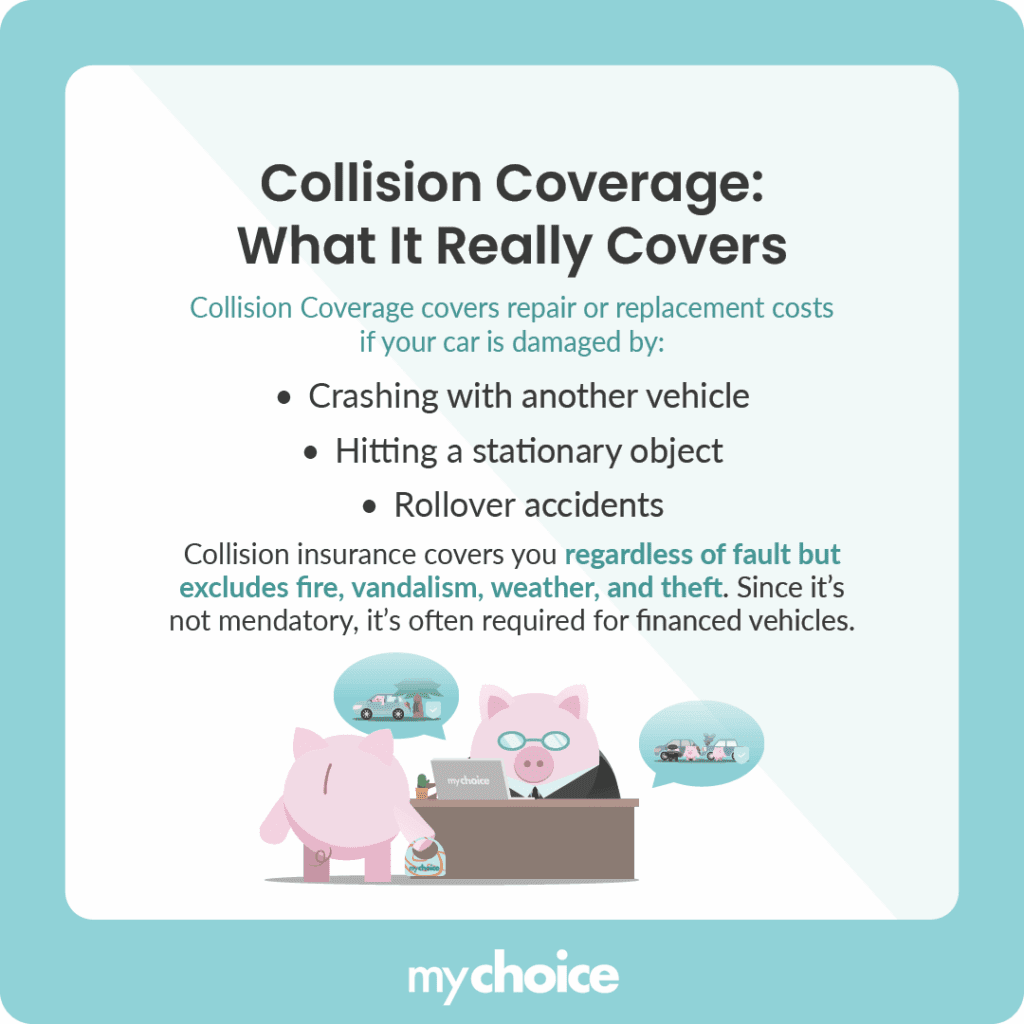
Collision coverage pays for repairs to your car if it’s damaged in a crash, regardless of who caused the accident.
It covers collisions with other vehicles, trees, poles, fences, and even guardrails. Without it, you’d have to pay out of pocket for repairs or replacement.
For example, if you accidentally back into a mailbox or hit a curb hard enough to damage your car, collision coverage steps in to help cover those costs.
How It Differs From Other Coverages
Collision coverage is often confused with comprehensive coverage, but they protect against different risks.
- Collision coveragedeals with accidents involving your car hitting something.
- Comprehensive coverage
Liability insurance, on the other hand, pays for damage you cause to other people or their property—not your own vehicle.
Knowing these distinctions helps you decide which coverages you really need. Are you prepared if your car suffers damage from a collision, or only from other risks? This question can guide your insurance choices effectively.
What Collision Coverage Covers
Understanding what collision coverage actually covers can help you decide if this part of your car insurance policy is right for you. It protects your vehicle against damage caused by a collision, but many drivers aren’t clear on the specific scenarios it applies to. Let’s break down the key areas collision coverage takes care of, so you know exactly when you’re protected and when you might be on the hook for repairs.
Damage To Your Vehicle
Collision coverage pays for repairs to your car if it’s damaged in an accident. This includes dents, scratches, broken windows, or more serious structural damage. Whether your car hits a guardrail, a pole, or another object, this coverage helps cover the cost of fixing it.
Think about the last time you heard someone say their insurance didn’t cover certain repairs. Collision coverage is designed to avoid that problem by focusing solely on damage to your own vehicle, regardless of fault.
Accidents Involving Other Vehicles
If you crash into another car, collision coverage kicks in to repair your vehicle. It doesn’t matter if you caused the accident or the other driver was at fault—your collision coverage handles your repair bills. This can be a huge relief, especially if the other driver’s insurance is slow to respond or disputes fault.
Have you ever wondered how long it takes to settle claims through the other driver’s insurance? With collision coverage, you can often get your car fixed faster because you’re not waiting on someone else’s insurer to pay up.
Single-car Accidents And Collisions
Collision coverage also protects you when you’re the only vehicle involved in an accident. If you skid on ice and hit a tree, or crash into a fence, this coverage will pay for the damage. It’s not just about collisions with other cars—it’s about any collision that damages your vehicle.
This is especially important if you live in areas with tricky driving conditions. Have you ever driven on a slippery road and thought, “What if I slide into something?” Collision coverage offers peace of mind in those moments.
When Collision Coverage Applies
Collision coverage in car insurance helps cover damage to your vehicle after a crash. It applies when your car hits another vehicle or object. Understanding when collision coverage applies can save you money and stress.
This coverage protects your car from many types of accidents. It does not cover all situations, so knowing its limits is important.
Types Of Accidents Covered
- Accidents with another car or vehicle
- Hitting a stationary object like a tree or pole
- Single-car accidents such as sliding into a guardrail
- Collisions caused by road hazards like potholes
- Damage from hitting animals such as deer
Situations Where It Doesn’t Apply
- Damage from natural events like floods or hail
- Theft or vandalism of your vehicle
- Mechanical breakdowns or wear and tear
- Accidents when driving under the influence
- Damage to other people’s property or injuries
Credit: www.mychoice.ca
Factors Affecting Collision Coverage Costs
Several factors influence the cost of collision coverage in car insurance. These elements determine how much you pay for protection against damages caused by collisions. Understanding these factors helps in managing your insurance expenses effectively.
Deductibles And Premiums
The deductible is the amount paid out of pocket before insurance covers the rest. Higher deductibles usually lead to lower premiums. Choosing the right balance affects your total insurance cost.
Vehicle Type And Age
Expensive or luxury cars often have higher collision coverage costs. Older vehicles may cost less to insure but might have limited coverage options. The car’s make, model, and condition impact the price.
Driving History Impact
Insurance providers review past driving records to set rates. A clean driving history results in lower costs. Accidents or traffic violations increase the risk and raise premiums.
Choosing The Right Collision Coverage
Choosing the right collision coverage protects your vehicle and wallet after an accident. It requires understanding your car’s value, balancing cost with protection, and knowing your state’s rules. This knowledge helps in picking the best coverage for your needs.
Assessing Your Vehicle’s Value
Start by knowing how much your car is worth today. New cars usually need full collision coverage. Older cars might not be worth the cost of full coverage. Check your car’s market value using trusted guides or online tools. This helps decide if collision coverage makes financial sense.
Balancing Cost And Protection
Collision coverage can be costly. Choose a deductible that fits your budget. A higher deductible lowers your premium but increases out-of-pocket costs after a crash. Consider how much you can pay if damage occurs. Balance between affordable monthly payments and solid protection.
State Requirements And Recommendations
States have different rules about car insurance coverage. Some require minimum collision coverage. Others leave it optional. Check your state’s laws before buying insurance. Also, insurers or agents may suggest coverage based on your driving habits. Follow their advice to stay protected and legal.
Filing A Collision Coverage Claim
Filing a collision coverage claim can feel overwhelming, especially right after an accident. Knowing the exact steps and what to expect can make the process smoother and less stressful. Understanding how to manage your claim effectively helps you get your car repaired faster and reduces out-of-pocket costs.
Step-by-step Claim Process
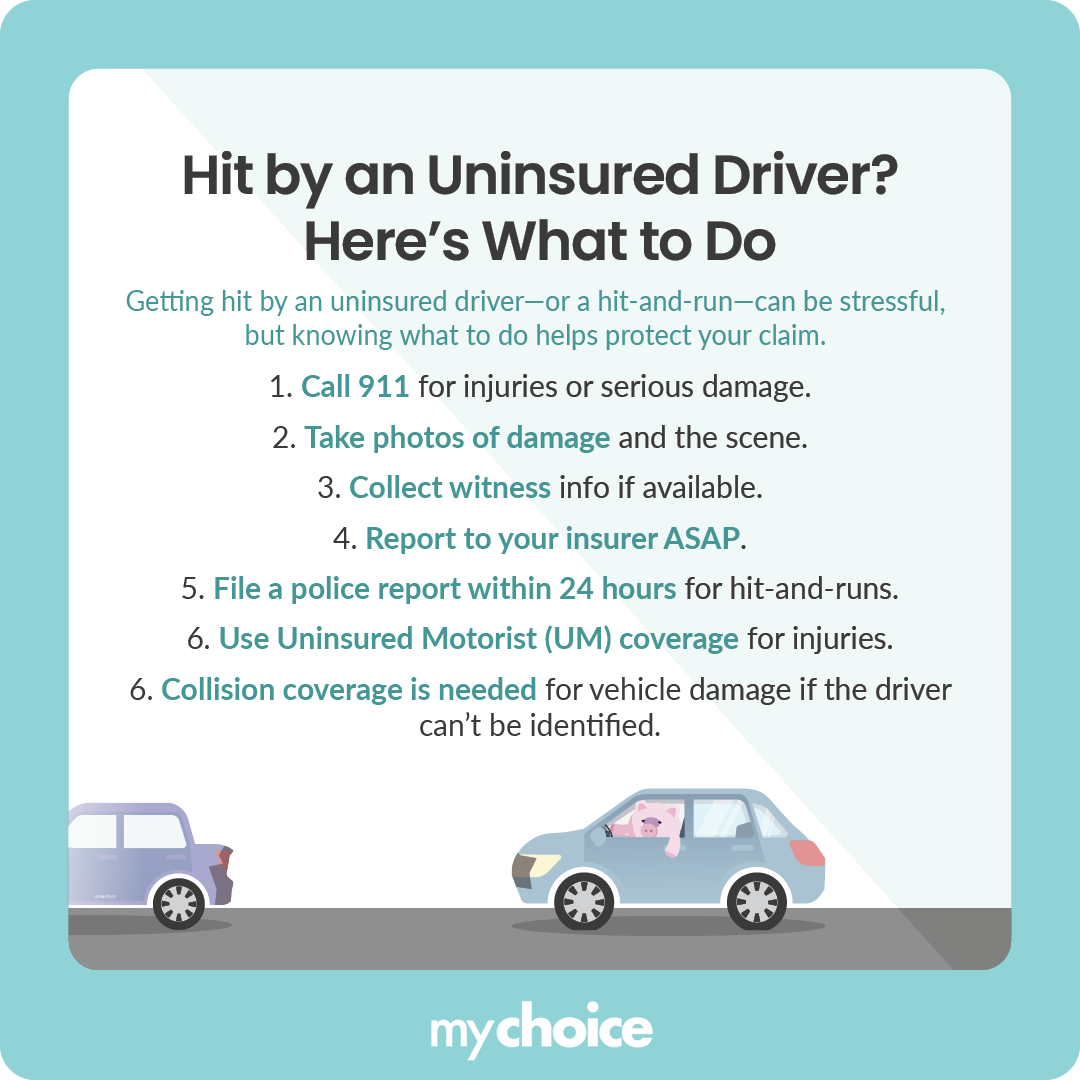
Start by reporting the accident to your insurance company as soon as possible. Most insurers offer 24/7 claim reporting via phone or mobile app, making it quick and easy.
Next, provide all necessary details: date, time, location of the accident, and a clear description of what happened. Include photos of the damage if you can, as they help speed up the review.
Your insurer will then assign a claims adjuster who evaluates the damage and estimates repair costs. You may be asked to take your car to an approved repair shop or get multiple quotes.
Once the repair estimate is approved, your insurance company will cover the costs minus your deductible.
What To Expect After Filing
After you file, expect regular communication from your insurance company. They might call to clarify details or update you on claim progress.
Waiting times vary, but most claims process within a week or two if all documents are in order. Delays often happen when additional investigation or third-party information is needed.
You’ll also receive instructions about your deductible payment and repair scheduling. Don’t hesitate to ask questions if anything is unclear—your claim handler is there to guide you.
Tips To Speed Up Claims
- Gather evidence immediately:Take photos, collect witness contacts, and write down accident details while fresh in your memory.
- Be honest and thorough:Provide complete and accurate information to avoid back-and-forth delays.
- Use your insurer’s app or online portal:Many companies process claims faster digitally than over the phone.
- Get repair quotes promptly:Don’t wait too long to schedule inspections or estimates.
- Stay in touch:Regularly check your claim status and respond quickly to any requests.
Have you ever delayed reporting a claim? It’s easy to think minor damage isn’t worth it, but waiting can complicate your case and increase costs. Acting quickly protects your interests and your wallet.
Collision Coverage And Your Overall Insurance Plan
Collision coverage plays a key role in your car insurance plan. It protects your vehicle from damage caused by collisions with other cars or objects. Understanding how this coverage fits within your overall insurance plan helps you make smart choices. It impacts your costs and the protection you get. Knowing when to keep or drop it can save money without risking your finances.
Combining With Other Coverages
Collision coverage works well alongside other types of insurance. It complements comprehensive coverage, which handles non-collision damage like theft or weather harm. Liability insurance covers damage to others, while collision focuses on your own car. Together, they offer broad protection. Bundling these coverages often leads to discounts and better value.
Impact On Total Insurance Cost
Adding collision coverage raises your insurance premium. The cost depends on your car’s value and your deductible choice. A lower deductible means higher premiums and vice versa. Older cars may cost more to insure with collision, sometimes outweighing the benefits. Evaluate how collision coverage affects your total monthly or yearly payments.
When To Consider Dropping Collision Coverage
Dropping collision coverage makes sense in some cases. If your car is old or has low market value, repair costs may exceed its worth. You can save money by removing collision coverage. Consider your financial ability to pay for repairs out of pocket. Also, check loan or lease agreements, as they may require collision insurance.

Credit: nginx.iws.edu

Credit: facchettilaw.com
Frequently Asked Questions
What Does Collision Coverage Mean In Car Insurance?
Collision coverage helps pay for damage to your vehicle after an accident. It covers repairs or replacement if your car hits another vehicle or object. This coverage is crucial for protecting your investment in your vehicle. However, it does not cover damage to another driver’s car or medical expenses.
Is Collision Coverage Mandatory?
Collision coverage is not legally required, but it is often recommended. Lenders may require it if you finance or lease your vehicle. It provides financial protection for your car, especially if it’s newer or valuable. Without it, you might face significant out-of-pocket repair costs after an accident.
How Does Collision Coverage Differ From Comprehensive?
Collision coverage specifically covers damage from accidents involving your vehicle. Comprehensive coverage, on the other hand, protects against non-collision incidents like theft, vandalism, and natural disasters. Both types of insurance are essential for full vehicle protection, but they cover different types of risks.
Does Collision Coverage Cover Rental Cars?
Collision coverage often extends to rental cars, depending on your policy. It can cover damages to a rental car after an accident. However, it’s important to check with your insurer for specific terms. Some rental companies offer additional coverage, but it might not be necessary if you already have collision coverage.
Conclusion
Collision coverage helps pay to fix your car after accidents. It protects your vehicle regardless of fault. This insurance can save you money on repairs. Consider your car’s value and budget before choosing coverage. Knowing what collision coverage means helps you make smart choices.
It gives peace of mind on the road. Always review your policy carefully to understand limits and deductibles. Protect your car and yourself with the right coverage. Simple, clear, and important for any driver.