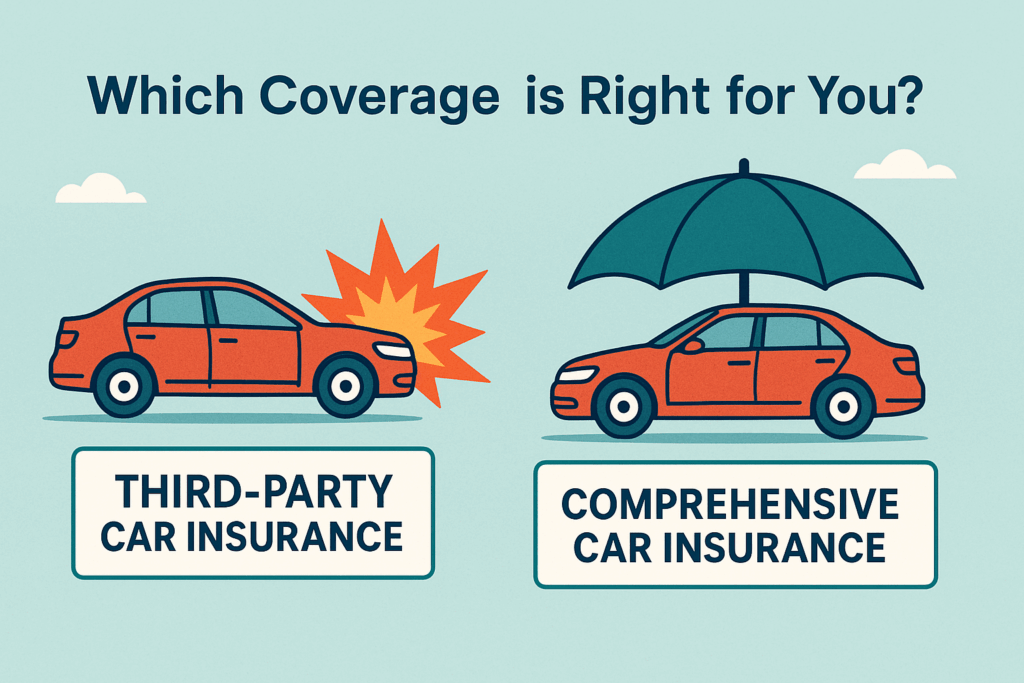
Are you wondering how to protect your car from unexpected damage and costly repairs? Understanding what comprehensive car insurance covers can save you a lot of stress and money.
This type of insurance goes beyond just accidents—it shields you from many other risks that could hit your wallet hard. Keep reading to discover exactly how comprehensive car insurance works and why it might be the smart choice for your peace of mind on the road.
Comprehensive Car Insurance Basics
Understanding the basics of comprehensive car insurance is essential for anyone looking to protect their vehicle beyond just accidents. This type of insurance offers a wider range of coverage that can give you peace of mind in many unexpected situations. Let’s break down what comprehensive car insurance really means and how it differs from other types of coverage you might already know.
Definition And Key Features
Comprehensive car insurance covers damage to your vehicle caused by events other than collisions. This includes theft, vandalism, fire, natural disasters, and even hitting an animal. It’s designed to protect your investment from a variety of risks that standard collision insurance doesn’t cover.
Some key features you should know:
- Broad Protection:Covers non-collision damage, like storms or falling objects.
- Theft and Vandalism:Reimburses you if your car is stolen or damaged maliciously.
- Animal Damage:Covers accidents involving animals, such as hitting a deer.
- Optional Extras:Some policies include glass damage or windshield repair without a deductible.
Think about the last time you heard about a hailstorm or a car being broken into in your neighborhood. Without comprehensive coverage, those damages come out of your pocket.
Difference From Other Insurance Types
Many drivers confuse comprehensive insurance with collision or liability insurance. It’s important to know how they differ so you can choose the right coverage for your needs.
| Insurance Type | What It Covers | When It Applies |
|---|---|---|
| Comprehensive | Non-collision events (theft, natural disasters, vandalism) | Damage from incidents other than crashes |
| Collision | Damage from crashes with other vehicles or objects | When you hit or are hit by something |
| Liability | Damage or injury you cause to others | When you are at fault in an accident |
Have you ever wondered why some drivers skip comprehensive insurance? Sometimes it’s because their car is older or less valuable, but ask yourself: can you afford to repair or replace your car if something unexpected happens?
Coverage Details
Understanding the coverage details of comprehensive car insurance can change how you view your protection on the road. This type of insurance goes beyond basic collision coverage to shield your vehicle from various risks. Knowing exactly what it covers helps you decide if it fits your needs and peace of mind.
Protection Against Theft And Vandalism
Comprehensive insurance steps in if your car is stolen or damaged by vandalism. It covers the cost of repair or replacement, which can save you thousands. Have you ever thought about how vulnerable your car might be even when parked safely?
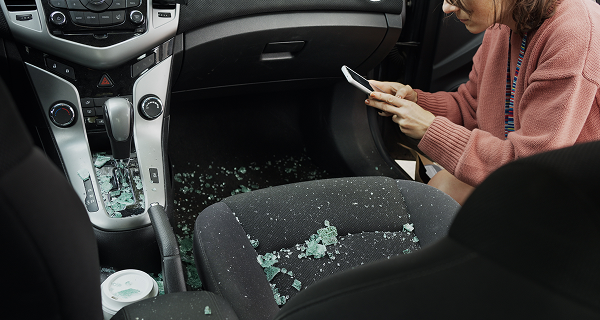
For instance, if someone breaks a window to steal your belongings, this coverage will handle the repairs. It also protects against damage like key scratches or graffiti.
Natural Disasters And Weather Damage
Weather can be unpredictable and harsh on your vehicle. Comprehensive insurance covers damage caused by hail, floods, hurricanes, and even falling objects like tree branches. This means you won’t be left footing the bill after a sudden storm.
Imagine waking up to find your car buried under snow or soaked from a flood. Without this coverage, you would have to pay for repairs or replacement out of pocket.
Collision And Non-collision Events
While collision insurance handles accidents with other vehicles, comprehensive covers non-collision incidents. This includes things like hitting an animal, fire damage, or glass breakage. It fills the gaps that collision insurance might leave open.
Have you ever considered what happens if you hit a deer on a rural road? Comprehensive insurance helps cover those unexpected events.
Additional Coverage Options
You can often add extras to your comprehensive insurance for even more protection. Options like roadside assistance, rental car reimbursement, or custom parts coverage can make a big difference during emergencies. These extras tailor your policy to fit your lifestyle and needs.
Think about whether you need a rental car while yours is being repaired or if you want coverage for expensive audio equipment. These choices can provide added convenience and security.
Benefits Of Full Coverage
Choosing full coverage car insurance means you’re not just protecting your vehicle—you’re securing your financial future and your peace of mind. The benefits go beyond just fixing dents or replacing broken glass. They provide a solid safety net that helps you handle unexpected events without stress or surprise costs.
Financial Security And Peace Of Mind
Full coverage shields you from high repair bills and medical expenses after accidents, theft, or natural disasters. Imagine being in a situation where your car is damaged in a storm—without comprehensive insurance, you’d have to pay out of pocket. With full coverage, your insurer steps in, so you don’t have to drain your savings or skip important bills.
Knowing that you’re covered for more than just liability lets you drive with confidence. You won’t constantly worry about what might happen on the road. Instead, you focus on enjoying the drive, trusting that your insurer has your back.
Wide Range Of Protection
Full coverage isn’t just about collisions. It covers a variety of risks including theft, vandalism, fire, and even damage from falling objects. This broad protection means fewer gaps in your coverage and less hassle when filing claims.
- Theft and Vandalism:Replaces your car or pays for repairs if someone breaks into or damages your vehicle.
- Natural Disasters:Covers damages from floods, hail, or storms that can leave your car in bad shape.
- Uninsured Motorists:Protects you if an accident is caused by a driver without insurance.
Have you ever thought about what would happen if a tree branch fell on your parked car? Full coverage handles these unpredictable moments.
Impact On Vehicle Resale Value
Maintaining full coverage can actually help preserve your car’s resale value. When you have comprehensive insurance, you’re more likely to repair damages promptly and professionally. This keeps your vehicle in better condition, which buyers notice.
Plus, a well-maintained car with a clean damage history can fetch a higher price. Buyers feel safer knowing the car wasn’t left with untreated damage or hidden problems. Would you pay more for a car that’s been fully protected from day one?

Credit: www.youtube.com
Cost Factors
Understanding the cost factors behind comprehensive car insurance can help you make smarter choices. These costs vary widely based on several elements that insurers consider when calculating your premium. Knowing what affects your price allows you to manage your policy better and avoid surprises.
Premium Determinants
Your premium depends on a mix of personal and vehicle-related factors. Your age, driving history, and location play big roles. For example, if you live in a city with high theft rates, your premium will likely be higher.
The type of car you drive also impacts the cost. Expensive or rare models usually cost more to insure because repairs are pricier. Even your car’s safety features can lower your premium by reducing the risk of damage or injury.
Deductibles And Their Role
A deductible is the amount you pay out-of-pocket before insurance kicks in. Choosing a higher deductible generally lowers your monthly premium. But ask yourself: can you comfortably afford that deductible if you need to make a claim?
Lower deductibles mean less financial burden during a claim but come with higher premiums. It’s a balancing act between paying less monthly and being prepared for unexpected expenses.
Ways To Lower Your Premium
- Maintain a clean driving record:Avoiding accidents and tickets can significantly reduce your premium.
- Bundle policies:Combining your car insurance with home or renters insurance often earns discounts.
- Install safety devices:Alarms, trackers, and anti-theft systems can lower your risk profile.
- Adjust coverage limits:Only pay for what you need—extra coverage can increase costs unnecessarily.
- Ask about discounts:Many insurers offer savings for things like good student status or professional affiliations.
Have you reviewed your current policy to see if you’re missing out on savings? Sometimes a quick call to your insurer can uncover unexpected discounts. Managing these factors actively puts you in control of your insurance costs.
How To Choose The Right Policy
Choosing the right comprehensive car insurance policy can feel overwhelming, but focusing on what truly matters will guide you to the best decision. Your choice should reflect your unique circumstances, budget, and the level of protection you expect. Let’s break down how to approach this step by step, ensuring you get exactly what you need without paying for extras that don’t add value.
Assessing Your Needs
Start by examining your daily driving habits. How often do you use your car, and where do you usually park it? If you live in a high-theft area or frequently drive in busy traffic, you might want more extensive coverage.
Think about your car’s value and age too. Newer vehicles often need more comprehensive protection, while older models might not justify a high premium. Also, consider your financial ability to handle unexpected repairs or losses out of pocket.
Comparing Insurance Providers
Don’t just look at price—consider the reputation of the insurer. Check customer reviews and ratings to see how well they handle claims. A cheaper policy isn’t worth much if the company makes it difficult to get your claim paid.
Look for additional perks like roadside assistance or rental car coverage. These extras can save you money and stress later on. Ask yourself: does the insurer offer flexible payment options that fit your budget?
Reading The Fine Print
Policies can have hidden clauses that affect your coverage. Pay close attention to exclusions—what isn’t covered can be just as important as what is. For example, some policies exclude damages caused by natural disasters or certain types of accidents.
Check the deductible amounts and how they impact your premium. A lower deductible means higher monthly costs but less out-of-pocket if you claim. Make sure you understand the claim process and any limits on payouts.
Credit: www.farmers.com
Claims Process
Understanding the claims process is vital for anyone with comprehensive car insurance. It outlines how to report damage or loss and what follows afterward. Knowing this process helps reduce stress during an already difficult time. It also speeds up your claim handling, so you get repairs or compensation faster.
Filing A Claim
Start by contacting your insurance company as soon as possible. Provide clear details about the incident, including date, time, and location. Share photos of the damage if you can. Keep your policy number and personal information ready. Some insurers allow you to file claims online or by phone. Follow their specific instructions carefully.
What To Expect During Assessment
An insurance adjuster will inspect your vehicle to determine the damage. They may visit you or ask for photos. The adjuster checks repair costs and decides if the claim is valid. This process can take a few days. Stay in touch with your insurer for updates. They will explain the next steps after assessment.
Tips For A Smooth Claims Experience
- Report the claim quickly to avoid delays.
- Keep all documents, including repair receipts and police reports.
- Be honest and detailed when describing the incident.
- Take clear photos of all damage and the accident scene.
- Communicate respectfully with your insurer and adjuster.
- Review your policy to understand coverage limits and exclusions.
Credit: x.com
Frequently Asked Questions
What Is Comprehensive Car Insurance Coverage?
Comprehensive car insurance covers damage to your vehicle not caused by a collision. It includes protection against theft, vandalism, fire, and natural disasters. This type of insurance provides peace of mind by covering unexpected events that can damage your car, ensuring you’re not left with hefty repair bills.
Does Comprehensive Insurance Cover Theft?
Yes, comprehensive insurance covers theft of your vehicle. If your car is stolen, comprehensive coverage will help pay for its replacement or repairs. It provides financial protection against loss, ensuring you’re not left without a vehicle or facing significant financial burdens.
Is Comprehensive Insurance Mandatory?
Comprehensive car insurance is not legally mandatory. However, it is highly recommended for added protection. While not required by law, lenders may require it for financed vehicles. This coverage ensures your investment is protected against non-collision incidents, offering peace of mind and financial security.
How Does Comprehensive Differ From Collision Insurance?
Comprehensive insurance covers non-collision incidents like theft and natural disasters. Collision insurance pays for damage from accidents with other vehicles or objects. Both types of coverage work together to provide full protection for your vehicle, covering a wider range of potential risks and damages.
Conclusion
Comprehensive car insurance protects your vehicle from many risks. It covers damage from accidents, theft, fire, and weather. This insurance gives you peace of mind on the road. Choosing the right coverage helps avoid big expenses later. It is wise to compare plans and understand terms well.
Keep your car and wallet safe with proper insurance. Simple, smart protection for your daily driving needs.