
When you’re choosing a dishwasher, there’s one feature that stands out: quietness. You want your kitchen to be a peaceful haven, not filled with the clatter of dishes.
But what exactly is considered quiet for a dishwasher? If you’ve ever found yourself straining to hear the TV over the noise of your old dishwasher, you know how important this is. Imagine enjoying a cozy dinner with your loved ones without being interrupted by the distracting hum from the kitchen.
We’ll uncover what makes a dishwasher truly quiet and how you can make the best choice for your home. Your quest for serenity in the kitchen starts here. Don’t miss out on finding the perfect balance between performance and peace.
Dishwasher Noise Levels
Understanding dishwasher noise levels can change how you feel about your kitchen appliances. Noise can disrupt your peace, especially in open-plan homes or small apartments. Knowing what counts as quiet helps you choose a dishwasher that fits your lifestyle.
Measuring Decibels
Dishwasher noise is measured in decibels (dB), a unit that quantifies sound intensity. The scale is logarithmic, meaning a small increase in dB represents a noticeable jump in loudness. For example, a dishwasher running at 50 dB is not just a little louder than one at 40 dB—it’s actually about three times louder to your ear.
Have you ever wondered why some dishwashers sound barely noticeable while others seem like a noisy distraction? The decibel rating gives you a clear number to compare models. Most manufacturers list this rating in their product details, so you can make an informed choice without guessing.
Typical Noise Range
Dishwashers usually operate between 40 dB and 70 dB. Models under 45 dB are considered very quiet and almost whisper-quiet. These are ideal if your kitchen is near living or sleeping areas.
- 40-45 dB:Ultra-quiet dishwashers that blend into the background noise of a calm home.
- 45-55 dB:Average noise range, noticeable but not disruptive in busy households.
- 55-70 dB:Louder models, often older or budget-friendly, which might interrupt conversations or TV watching.
Think about your home environment—are you comfortable with some noise, or do you need silence? Your answer will guide which noise level fits best for your dishwasher choice.
Factors Affecting Dishwasher Noise
Understanding what affects dishwasher noise can help you choose a model that won’t disrupt your home’s calm. Noise levels vary widely because of different design and setup factors. Let’s look at some key elements that play a role in how quiet—or loud—your dishwasher might be.
Motor And Pump Design
The motor and pump are the heart of your dishwasher’s operation and the biggest sources of noise. Some dishwashers use brushless motors, which tend to run more quietly and last longer than traditional motors. A well-designed pump reduces vibration and sound, so models with advanced motor technology often feel nearly silent.
Have you noticed how some appliances hum loudly while others barely make a sound? That difference often boils down to the quality and type of motor inside.
Insulation Quality
Insulation acts like a sound barrier around your dishwasher’s noisy parts. High-quality insulation absorbs sound waves and keeps the noise from escaping into your kitchen. Cheaper models often skimp on insulation, making them louder during cycles.
Think about the last time you heard a dishwasher running—was it a dull background noise or a disruptive roar? Better insulation can change that experience significantly.
Installation Impact
How your dishwasher is installed can affect noise levels more than you might expect. If it’s not tightly secured or sits unevenly, vibrations can amplify noise. Proper installation with tight fittings and anti-vibration pads helps reduce rattling and humming sounds.
Have you ever heard a clanking noise coming from your dishwasher? It might not be the machine itself but how it’s mounted. Ensuring a solid, level installation is an easy step to keep your kitchen quieter.
Quiet Dishwasher Benchmarks
Understanding quiet dishwasher benchmarks can help you choose a model that won’t disrupt your home’s peace. Noise levels vary widely, so knowing what counts as quiet is key. You want a dishwasher that cleans well but stays silent enough for your comfort.
Top Quiet Models
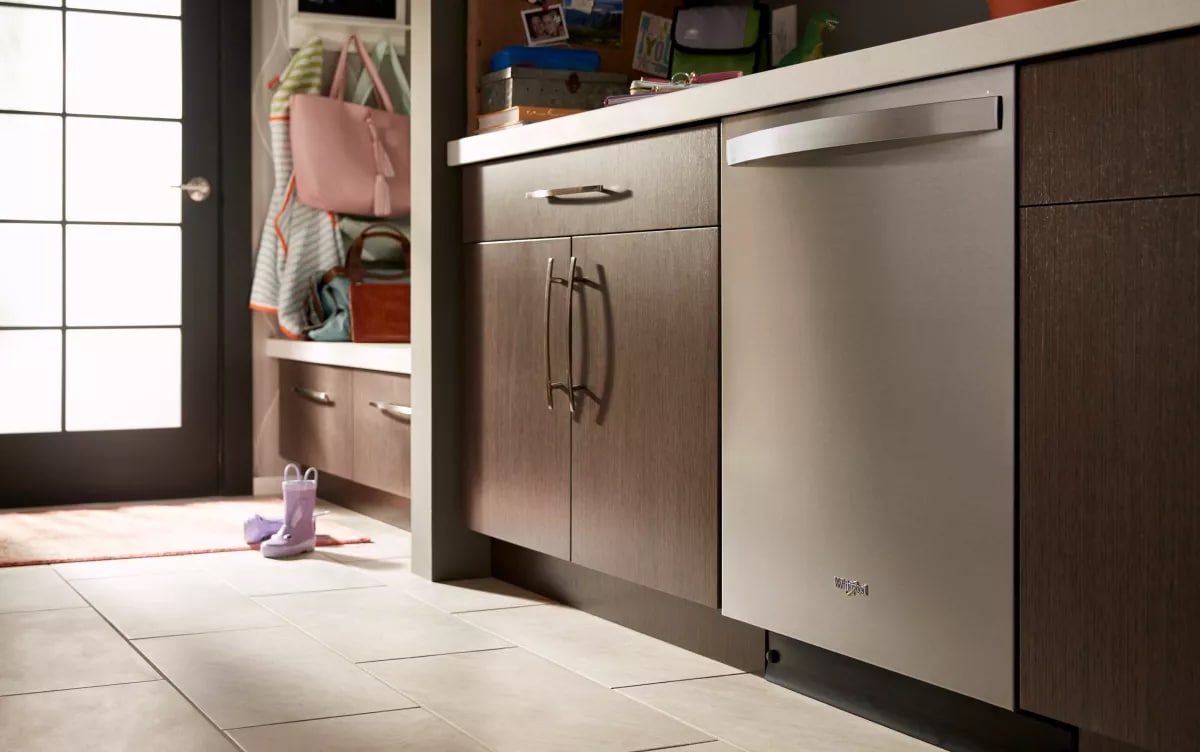
Some dishwashers are designed specifically to minimize noise. Brands like Bosch, Miele, and KitchenAid often lead the pack with models that operate under 45 decibels (dB). For instance, Bosch’s 800 Series runs at about 42 dB, making it nearly as quiet as a whisper.
Have you noticed how some dishwashers become background noise, barely noticeable even during late-night cycles? That’s the effect these top quiet models achieve. They combine insulation, advanced motors, and smart design to keep noise low without sacrificing cleaning power.
Noise Ratings To Look For
Noise levels are measured in decibels, a scale where every 10 dB increase represents a tenfold increase in sound intensity. Dishwashers typically range from 40 to 60 dB. A rating below 45 dB is generally considered very quiet.
- 40-44 dB:Whisper-quiet, ideal for open-plan homes or small apartments.
- 45-50 dB:Quiet enough for most kitchens, unlikely to disturb conversations.
- 50+ dB:Noticeably louder, may be disruptive in quiet environments.
When shopping, check the decibel rating on product labels. Ask yourself: How often will you run your dishwasher during quiet times? If you want peace during work-from-home hours or at night, aim for the lowest decibel ratings you can find.
Credit: www.whirlpool.com
Comparing Quiet Dishwashers
Comparing quiet dishwashers means balancing noise levels with other important features. Noise ratings for dishwashers usually range from 40 to 60 decibels. Lower numbers mean quieter operation. Finding the right model involves looking at how quiet it runs, its energy use, and its cost. Each factor affects the overall value and performance of the appliance.
Energy Efficiency Vs Noise
Energy-efficient dishwashers often use less power but can vary in noise levels. Some models reduce noise through better insulation and quieter motors. These improvements may raise the price but save money on electricity bills. Quieter models tend to have advanced technology that balances energy use and sound output well.
- Energy Star-rated dishwashers usually offer quieter cycles.
- Insulation materials help reduce vibration noise.
- Variable speed motors produce less sound than standard ones.
Price And Noise Trade-offs
Quiet dishwashers generally cost more than louder ones. Premium models feature soundproofing and advanced designs. Budget options might have higher decibel levels but are more affordable. Deciding between price and quietness depends on your kitchen setup and noise tolerance.
| Price Range | Noise Level (dB) | Features |
|---|---|---|
| High-end ($800+) | 40-44 | Superior insulation, quiet motors, energy efficient |
| Mid-range ($400-$800) | 45-50 | Decent noise control, moderate energy use |
| Budget (<$400) | 50-60 | Basic noise control, standard energy use |
Tips To Reduce Dishwasher Noise
Reducing dishwasher noise can make your kitchen a more peaceful place. Small changes around your dishwasher can have a big impact on how quietly it runs. Let’s look at practical tips you can apply right now to keep the noise down.
Proper Placement
Where your dishwasher sits plays a key role in noise levels. Placing it on a flat, stable surface prevents vibrations that cause rattling sounds.
Make sure the dishwasher is snugly fitted between cabinets without gaps. Loose installation lets the machine shake and amplify noise.
Have you noticed how sound bounces off hard surfaces? Adding a cushioned mat or padding underneath can absorb some of the noise. This simple fix often goes overlooked but really works.
Maintenance Tricks
Regular maintenance keeps your dishwasher running smoothly and quietly. Clean the filters and spray arms often to prevent blockages that make the motor work harder and louder.
Lubricate the door hinges and check for loose screws to stop creaks and rattles. Even a small tightening can reduce annoying sounds.
Have you ever heard grinding noises? That could mean debris caught in the pump. Clearing it out quickly avoids bigger, noisier problems later.
Credit: www.maytag.ca
When Dishwasher Noise Becomes A Problem
Dishwasher noise is normal, but it becomes a problem when it disrupts your daily life. You might notice it during quiet moments, like early mornings or late nights. At that point, what was once background noise turns into an annoyance that demands attention.
Signs Of Excessive Noise
How do you know your dishwasher is too loud? Pay attention if the sounds are:
- Louder than usual humming or buzzing
- Rattling or banging noises during cycles
- Grinding or squeaking sounds that seem unusual
- Interrupting conversations or making it hard to hear the TV
If you catch yourself pausing activities to wait for the noise to stop, it’s a clear sign your dishwasher’s volume has crossed the line.
Troubleshooting Common Issues
Before calling a technician, you can try some simple fixes yourself.
- Check for loose parts:Sometimes racks or utensils can cause banging sounds if they shift during washing.
- Clean the spray arms:Blocked holes can create unusual noises as water struggles to flow.
- Inspect the dishwasher’s leveling:An uneven appliance can vibrate and produce extra noise.
- Look for debris in the filter:Small items stuck inside can cause grinding sounds.
Have you noticed if the noise changes based on the wash cycle you select? That could narrow down the problem and save you time.

Credit: www.maytag.ca
Frequently Asked Questions
What Noise Level Is Considered Quiet For Dishwashers?
A quiet dishwasher usually operates at 44 decibels or lower. This noise level is similar to a soft whisper, ensuring minimal disturbance.
How Does Decibel Rating Affect Dishwasher Noise Perception?
Lower decibel ratings mean quieter operation. Dishwashers below 50 dB are ideal for open kitchens or small homes, reducing noise impact.
Are Quiet Dishwashers More Expensive Than Regular Ones?
Yes, quiet dishwashers often cost more due to advanced insulation and motor technology. However, the noise reduction benefits justify the price.
Can Dishwasher Placement Influence Its Noise Level?
Yes, placing the dishwasher away from living areas or on padded surfaces can reduce perceived noise. Proper installation also minimizes vibrations.
Conclusion
A dishwasher that runs quietly makes home life better. Sounds below 50 decibels are usually very soft. You can still hear some noise, but it won’t bother you. Quiet dishwashers help keep your kitchen peaceful. Choosing one means less noise during meals or work.
Remember, the best quiet dishwasher fits your budget and needs. Keep noise levels in mind to enjoy a calm kitchen. A quiet dishwasher can change how you feel at home. Simple and peaceful.