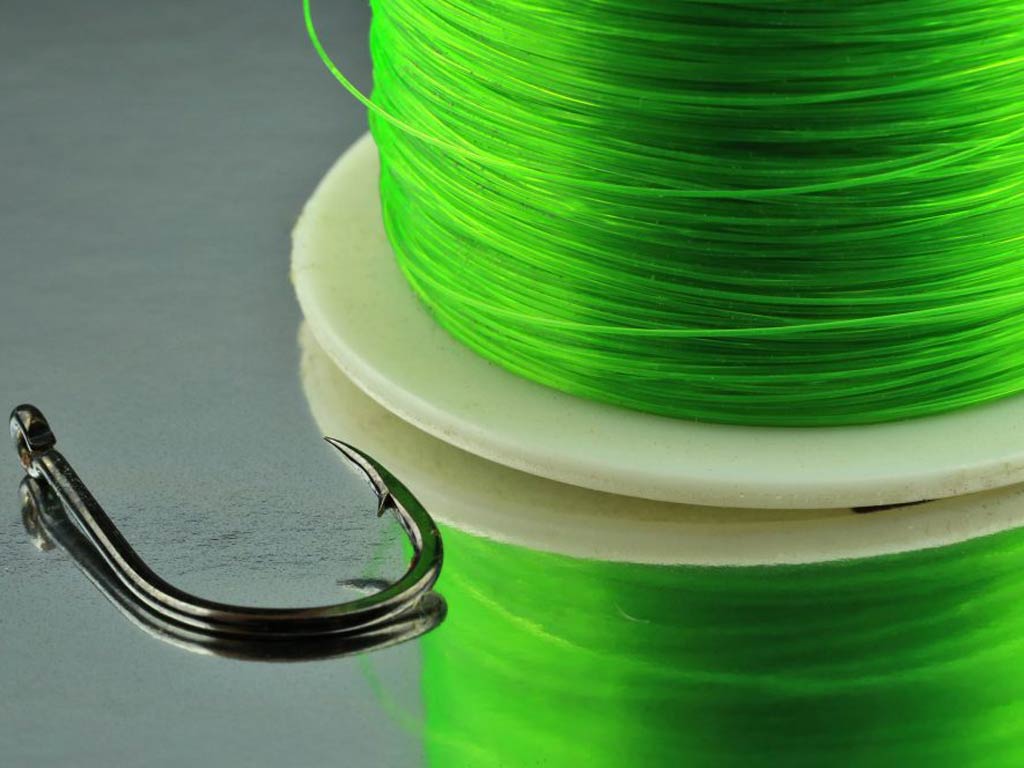
If you’re serious about fishing, you’ve probably heard about copolymer fishing line. But what exactly is it, and why should it matter to you?
Choosing the right fishing line can make the difference between a great catch and an empty hook. Copolymer fishing line offers unique benefits that can improve your fishing experience in ways you might not expect. Keep reading to discover how this special line can boost your performance and help you reel in more fish.
Copolymer Fishing Line Basics
Copolymer fishing lines are made by mixing two or more types of nylon or other materials. This mix improves strength and stretch compared to regular monofilament lines.
These lines offer better sensitivity and durability. Anglers use copolymer lines for different fishing conditions.
Composition And Material
Copolymer lines combine different polymers to improve fishing line features. The main materials are nylon and other synthetic fibers.
The blend creates a line that is stronger and less stretchy than regular nylon lines. It also resists abrasion better, helping it last longer.
- Nylon: adds flexibility and ease of use
- Polyester: increases strength and durability
- Other synthetic fibers: improve abrasion resistance
Types Of Copolymer Lines
Copolymer lines come in several types based on their material mix and purpose. Each type suits different fishing needs.
Some lines focus on strength, while others aim for low stretch or better casting distance.
- Standard copolymer: balanced strength and stretch
- Low-stretch copolymer: better sensitivity for bite detection
- Abrasion-resistant copolymer: ideal for rough environments
- High-strength copolymer: used for heavy fish and big water

Credit: hook-n-fish.com
Advantages Of Copolymer Lines
Copolymer fishing lines are made by combining two or more materials. This process improves their overall quality. Many anglers prefer copolymer lines for their reliable performance.
These lines offer benefits like high strength, good abrasion resistance, and better knot holding. They are suitable for various fishing conditions.
Strength And Durability
Copolymer lines provide strong tensile strength. This means they can handle heavy loads without breaking. They last longer than some other types of lines.
The mix of materials gives them more flexibility and toughness. This helps the line resist wear and tear during long fishing trips.
Abrasion Resistance
Copolymer lines resist damage from rubbing against rocks and other rough surfaces. This makes them ideal for fishing in tough environments.
Good abrasion resistance means fewer breaks and less need to replace the line often. It also helps catch larger fish in rough conditions.
Knot Performance
Copolymer lines hold knots tightly without slipping. This improves the connection between the line and the hook or lure.
Strong knot performance reduces the chance of losing fish because of knot failure. It also makes tying knots easier for beginners.
Comparing Copolymer With Other Lines
Copolymer fishing lines are popular among anglers. They offer a blend of strength, flexibility, and sensitivity. Understanding how they compare to other lines can help you choose the right one.
Let’s explore the differences between copolymer and other common fishing lines. We will look at monofilament, fluorocarbon, and braided lines.
Monofilament Vs Copolymer
Monofilament lines are known for their flexibility and affordability. Copolymer lines, however, tend to have less stretch, providing better sensitivity.
- Monofilament is great for beginners.
- Copolymer offers improved knot strength.
- Both have good abrasion resistance.
Fluorocarbon Vs Copolymer
Fluorocarbon lines are nearly invisible underwater, making them ideal for clear water fishing. Copolymer lines, while not as invisible, provide a balance of strength and flexibility.
| Feature | Fluorocarbon | Copolymer |
| Visibility | Low | Moderate |
| Sensitivity | High | Moderate |
| Flexibility | Low | High |
Braided Lines Vs Copolymer
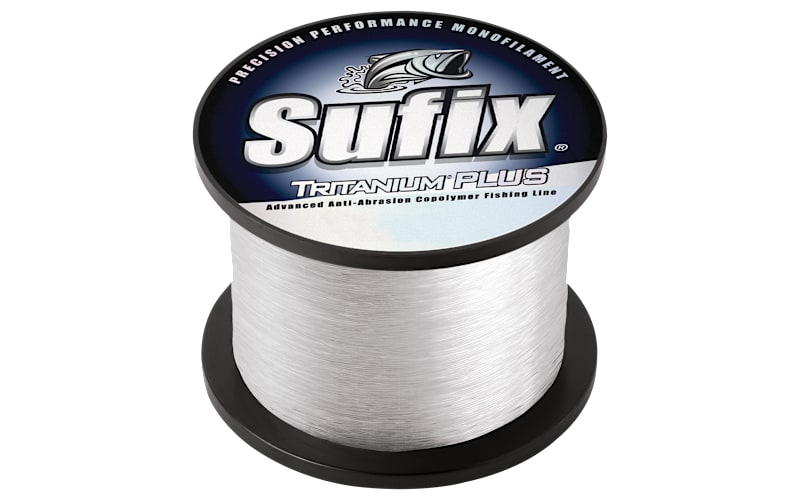
Braided lines are known for their strength and thin diameter. They are less stretchy than copolymer lines, making them highly sensitive. Copolymer lines provide a good balance of stretch and strength.
Credit: www.basspro.com
Choosing The Right Copolymer Line
Copolymer fishing lines blend different materials for better strength and stretch. Choosing the right line helps you catch more fish and avoid breakage.
Think about the type of fishing you do and the conditions. This guide will help you pick the best copolymer line for your needs.
Line Diameter And Strength
The diameter of copolymer line affects its strength and how far you can cast. Thinner lines cast farther but may break easier.
Stronger lines have a larger diameter and resist snapping. Choose a line with the right balance for your fishing style.
- Thin diameter for light tackle and long casts
- Thicker line for heavy fish and rough conditions
- Check the line’s pound test for strength
Visibility And Color Options
Copolymer lines come in many colors to match water and light conditions. The right color helps you see the line or hide it from fish.
Clear or light colors work well in clear water. Bright colors help track your line in low light or deep water.
- Clear or green for clear water and sunny days
- Bright colors for low light or murky water
- Match line color with your fishing environment
Best Uses By Fishing Environment
Different copolymer lines work better in certain fishing spots. Choose a line based on water type, fish size, and weather conditions.
Light lines suit calm lakes and small fish. Heavy lines fit fast rivers and big fish. Saltwater needs lines that resist corrosion and abrasion.
- Light copolymer lines for freshwater and small fish
- Medium strength for mixed environments and average fish
- Heavy-duty lines for saltwater and large fish
- Choose abrasion-resistant lines for rocky or weedy areas
Tips For Using Copolymer Lines
Copolymer fishing lines combine different materials for better strength and flexibility. They are popular among anglers for their smooth casting and resistance to abrasion.
Using copolymer lines properly helps you get the best performance and longer life. Here are some useful tips to guide you.
Proper Spooling Techniques
Spooling copolymer line correctly prevents tangles and line twists. Keep the spool tight and avoid overfilling the reel.
Use the right tension while spooling to avoid loose loops. This helps the line lay evenly on the reel.
- Attach the line to the spool firmly
- Keep tension with your fingers during winding
- Fill the spool about 90% full
- Check for twists and correct them immediately
Maintaining Line Longevity
Copolymer lines last longer when stored properly and cleaned regularly. Avoid exposing the line to sunlight for too long.
Rinse the line with fresh water after saltwater fishing. This removes salt and dirt that can weaken the line.
- Store the reel in a cool, dry place
- Check the line for nicks and cuts before use
- Replace the line if it shows signs of wear
Handling Common Issues
Copolymer lines can develop problems like memory, knots, or abrasion damage. Knowing how to fix these helps you fish better.
Use gentle methods to remove knots and avoid sharp bends. Replace the line if it frays or weak spots appear.
- Untwist the line to reduce memory
- Cut out damaged sections promptly
- Use line conditioner to improve flexibility
- Check knots carefully before casting

Credit: www.varivas.fishing
Popular Brands And Products
Copolymer fishing lines are popular for their strength and flexibility. Many anglers trust certain brands for quality and performance.
These lines combine different materials to improve durability. Below are some well-known brands and their top products.
Top-rated Copolymer Lines
Some copolymer lines stand out for their strength and smooth casting. Anglers often choose these for serious fishing trips.
- Seaguar InvizX– Known for low visibility and high sensitivity.
- PowerPro Copolymer– Offers great abrasion resistance and smoothness.
- Berkley Trilene Big Game– Trusted for big fish and tough conditions.
Budget-friendly Options
Affordable copolymer lines are good for beginners or casual anglers. They still provide decent strength and durability.
- Spiderwire Stealth Smooth– Offers good value with smooth casting.
- Stren Original Copolymer– Reliable and budget-friendly choice.
- Wild River Power Pro– Balances cost and performance well.
Frequently Asked Questions
What Is Copolymer Fishing Line Made Of?
Copolymer fishing line is made by combining two or more polymers. This blend enhances strength, flexibility, and abrasion resistance. It offers better performance than single polymer lines. It is ideal for various fishing conditions and fish species.
How Does Copolymer Fishing Line Compare To Monofilament?
Copolymer lines are stronger and more durable than monofilament lines. They have less stretch, improving sensitivity and hook setting. Copolymer lines resist abrasion better and last longer. They are generally more expensive but offer better performance.
Is Copolymer Fishing Line Suitable For Saltwater Fishing?
Yes, copolymer fishing line is excellent for saltwater fishing. It resists UV damage, abrasion, and salt corrosion. Its strength and durability make it ideal for tough saltwater species. Many anglers prefer it for both freshwater and saltwater use.
What Are The Advantages Of Using Copolymer Fishing Line?
Copolymer lines provide high strength, low stretch, and great abrasion resistance. They offer better sensitivity and longer casting distance. Their durability makes them cost-effective over time. These qualities make them popular among serious anglers.
Conclusion
Copolymer fishing line blends strength and flexibility well. It resists abrasion and handles tough fish better. This line offers smooth casting and good knot strength. Anglers find it reliable for various fishing conditions. Choosing copolymer line can improve your fishing experience.
Simple, strong, and durable—ideal for many fishing needs. Try it next time you head out to fish.