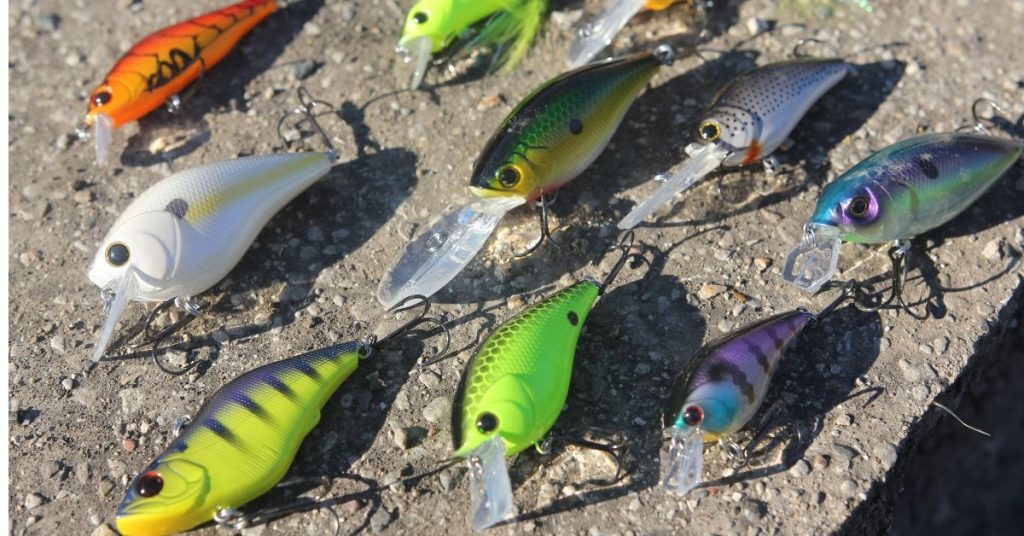
If you’ve ever wondered how to catch more fish with less effort, understanding the right lure can make all the difference. Crankbait fishing lures are a powerful tool that can help you attract fish quickly and effectively.
But what exactly is a crankbait, and why should it be part of your tackle box? You’ll discover how crankbaits work, why they’re so popular, and how using them can improve your fishing game. Keep reading to unlock the secret that many anglers use to reel in bigger catches.
Crankbait Basics
Crankbaits are popular fishing lures used to catch many types of fish. They mimic the movement of small fish or prey.
These lures come in different shapes and sizes. Learning about crankbaits helps improve fishing skills.
What Is A Crankbait
A crankbait is a hard-bodied fishing lure. It has a plastic or metal lip that makes it dive underwater.
When pulled, the lip causes the lure to wobble or wiggle. This action looks like a swimming fish.
Types Of Crankbaits
There are many types of crankbaits. Each type has a different shape, size, and diving depth.
- Shallow divers: These crankbaits dive less than 5 feet.
- Medium divers: They dive between 5 and 10 feet.
- Deep divers: These go deeper than 10 feet.
- Square bill: Has a flat front to bounce off rocks.
- Round bill: Has a round lip for smooth action.
How Crankbaits Work
Crankbaits work by moving in water like real fish. The lip pushes water and makes the lure dive and wobble.
The angler reels in the line to control speed and depth. The wobbling action attracts fish to strike.
Choosing The Right Crankbait
Crankbaits are popular fishing lures that mimic small fish or prey. Choosing the right crankbait can help catch more fish.
Different crankbaits work best in different conditions. Size, color, and diving depth are key factors to consider.
Selecting Size And Shape
Size affects how fish see the lure. Small crankbaits work well for picky fish or clear water.
Shape changes the lure’s action in the water. Rounded bodies make wide wobbling motions, while slender shapes swim faster.
- Small size for clear water or slow fish
- Large size to attract bigger fish or murky water
- Round shape for slow, wide wobble
- Slender shape for fast, tight action
Color Patterns And Water Conditions
Color matters most in different water types. Bright colors show up well in murky water.
Natural colors work best in clear water. Match colors to the local baitfish for better results.
- Bright colors like chartreuse for cloudy or stained water
- Natural colors like silver or brown for clear water
- Dark colors work well on sunny days
- Light colors show better on cloudy days
Diving Depth Considerations
Crankbaits dive to different depths. Pick one that matches where fish swim.
Shallow crankbaits work near the surface. Deep diving crankbaits reach fish in deep water or around structures.
- Shallow diving: 1 to 5 feet
- Medium diving: 6 to 12 feet
- Deep diving: 12 feet or more
- Match crankbait depth to fish location
Techniques For Crankbait Fishing
Crankbait fishing uses special lures that dive and wobble in water. These lures attract fish by mimicking small prey.
Knowing how to use crankbaits well can increase your catch. Different techniques work best in different situations.
Casting And Retrieving Tips
Cast your crankbait beyond where fish may be hiding. Let it dive to the right depth before starting your retrieve.
Keep your retrieve steady but vary the speed sometimes. A pause or quick jerk can trigger fish to bite.
- Cast past structures like rocks or logs
- Start reeling to let the lure dive
- Try steady, slow, or fast retrieves
- Pause or twitch the rod tip during retrieve
- Watch for fish reactions and adjust
Using Crankbaits In Different Waters
Shallow waters need shallow-diving crankbaits. Deep waters require lures that dive deeper.
Clear water calls for natural colors. Murky water works better with bright or dark colors.
- Shallow lures for lakes and ponds
- Deep lures for rivers and deep lakes
- Natural colors in clear water
- Bright colors in muddy water
- Match lure size to local baitfish
Adjusting Speed And Action
Change your retrieve speed to find what fish like. Sometimes slow works best, other times fast.
Try different rod movements to change the lure’s action. A twitch can make it look like a hurt fish.
- Slow retrieve for cold water or lazy fish
- Fast retrieve for active fish
- Twitch the rod tip to add action
- Pause to let lure float or rise
- Experiment to see what triggers bites

Credit: mysterytacklebox.com
Target Species For Crankbait
Crankbait fishing lures work well for many freshwater fish. They mimic small baitfish and attract predators.
These lures come in various sizes and colors. This helps anglers catch different types of fish with crankbaits.
Bass Fishing With Crankbaits
Bass are one of the top targets for crankbait fishing. These lures trigger bass to strike by imitating injured prey.
Crankbaits are especially good for covering water fast. They work well near rocks, weeds, and submerged structures.
- Use shallow-diving crankbaits in shallow water
- Deep-diving crankbaits reach bass in deeper areas
- Choose colors that match local baitfish
Other Popular Game Fish
Besides bass, crankbaits attract several other popular freshwater fish. These include walleye, pike, and crappie.
Each species responds to different crankbait styles and retrieves. Adjust lure size and color to match the fish.
- Walleye prefer smaller, natural-colored crankbaits
- Pike like larger, flashy crankbaits that move fast
- Crappie respond to tiny crankbaits with slow retrieves
Seasonal Strategies
Fish behavior changes with seasons. Crankbait use should change too for best results.
In spring, use crankbaits that dive shallow near spawning areas. In summer, try deeper-diving lures.
- Spring: Slow retrieves near shallow cover
- Summer: Deep, fast-moving crankbaits
- Fall: Bright colors and erratic retrieves
- Winter: Small crankbaits with slow movements
Maintenance And Care
Crankbait fishing lures need regular care to stay effective. Proper maintenance helps them last longer.
Cleaning, storing, and fixing lures can keep them in good shape for many fishing trips.
Cleaning And Storage
Clean crankbaits after each use to remove dirt and salt. This stops rust and damage.
Store lures in a dry, cool place. Use a tackle box with compartments to avoid tangles.
- Rinse lures with fresh water after fishing.
- Dry them completely before storing.
- Keep them separated to prevent scratches.
- Use silica gel packs to reduce moisture.
Hook Replacement
Hooks can get dull or rusty over time. Replace them to keep the lure working well.
Use pliers to remove old hooks carefully. Attach new hooks that fit the lure size.
- Check hooks before each fishing trip.
- Keep extra hooks and split rings handy.
- Choose sharp, strong hooks for best results.
Troubleshooting Common Issues
Crankbaits can have problems like poor swimming action or paint peeling.
Fix issues by checking for cracks, loose parts, or bent hooks.
- Test lure movement in water before fishing.
- Tighten or replace loose parts.
- Touch up paint chips with waterproof markers.
- Replace damaged hooks and split rings.

Credit: www.youtube.com
Advanced Crankbait Strategies
Crankbait fishing lures are popular for catching many types of fish. Using advanced strategies helps you catch more fish with these lures.
These strategies include using electronics, customizing your crankbaits, and combining lures. Each approach improves your fishing success.
Using Electronics To Locate Fish
Fish finders and sonar devices help locate fish underwater. They show you where fish gather around rocks, weeds, or drop-offs.
Knowing fish locations helps you cast crankbaits in the right spots. Electronics save time and increase your chances of catching fish.
- Use fish finders to scan water depths
- Look for schools or individual fish on the display
- Mark hot spots to return later
Customizing Crankbaits
You can modify crankbaits to match fish preferences. Change hooks, paint colors, or add rattles to attract attention.
Small changes affect how fish react. Customizing crankbaits makes them more effective in different water conditions.
- Replace hooks with sharper or stronger ones
- Paint or tape to change lure color
- Add split rings or rattles for noise
- Trim lips to adjust dive depth
Combining With Other Lures
Using crankbaits with other lures can confuse fish and increase bites. Switching lures helps when fish ignore one type.
Try casting a crankbait first, then follow with soft plastics or spinnerbaits. This mix covers different fish behaviors.
- Start with crankbait to locate active fish
- Use soft plastics for slow bites
- Try spinnerbaits to add flash and vibration
- Change lure speed and size for variety

Credit: www.amazon.com
Frequently Asked Questions
What Is A Crankbait Fishing Lure Used For?
A crankbait fishing lure mimics small fish or prey. It attracts predatory fish by creating realistic swimming motions. Anglers use it to catch bass, pike, and other game fish efficiently.
How Do Crankbait Lures Work In Fishing?
Crankbaits dive underwater when reeled in. Their shape and lips create wobbling actions. This movement triggers strikes from aggressive fish seeking easy meals.
What Types Of Fish Are Caught With Crankbaits?
Crankbaits target bass, walleye, pike, and trout. These lures suit freshwater fishing. Their versatility makes them popular for various predatory fish species.
When Is The Best Time To Use Crankbait Lures?
Crankbaits work best in spring and fall. Fish actively feed during these seasons. Early mornings and late afternoons increase lure effectiveness.
Conclusion
Crankbait fishing lures offer an exciting way to catch fish. They mimic real prey, attracting bass and other species. Easy to use, they enhance your fishing skills. With various designs, you can pick the right one for different conditions. Perfect for beginners and experienced anglers alike.
Remember to choose the right color and size for success. Experiment with different techniques to find what works best. Enjoy your time on the water and catch more fish with crankbaits. Keep learning and improving your skills. Happy fishing!