Ever find yourself puzzled about whether diesel fuel can freeze? You’re not alone.
Many people are unaware of how temperatures can impact diesel, potentially causing problems during cold weather. Understanding the freezing point of diesel isn’t just for mechanics or scientists; it’s crucial for anyone using diesel-powered vehicles or equipment. Imagine being stranded on a freezing day because your engine won’t start.
By learning about diesel’s freezing point, you can avoid unexpected setbacks and ensure your diesel engines run smoothly all winter long. Stick around, and you’ll discover not only what the diesel freezing point is, but also practical tips to keep your diesel from freezing, keeping you warm and worry-free during the cold months.
Credit: erp.irs.kg.gov.ng
Diesel Freezing Point Basics
Understanding the freezing point of diesel fuel is essential for safe and efficient engine operation. Diesel freezing point refers to the temperature at which diesel starts to gel or solidify. This can cause problems such as clogged filters and engine failure. Knowing the basics helps in choosing the right diesel type and additives for cold climates.
What Freezing Point Means For Diesel
The freezing point of diesel is not a sharp temperature but a range. It shows when wax crystals begin to form in the fuel. These crystals can block fuel lines and filters, stopping the engine. The lower the freezing point, the better diesel performs in cold weather. Diesel with a high freezing point is risky in winter conditions.
Factors Affecting Diesel Freezing Point
Several factors influence the freezing point of diesel. The main one is the fuel’s chemical makeup. Different blends have different freezing points. The presence of additives can lower the freezing point. Seasonal diesel blends change based on temperature needs. Storage conditions also affect the freezing point. Cold storage can cause fuel to gel sooner.
How Cold Weather Impacts Diesel
Cold weather affects diesel fuel in several ways. When temperatures drop, diesel begins to change its properties. This change can cause problems for engines and fuel systems. Understanding how cold impacts diesel helps prevent breakdowns and maintain engine performance.
Fuel Gelation And Its Effects
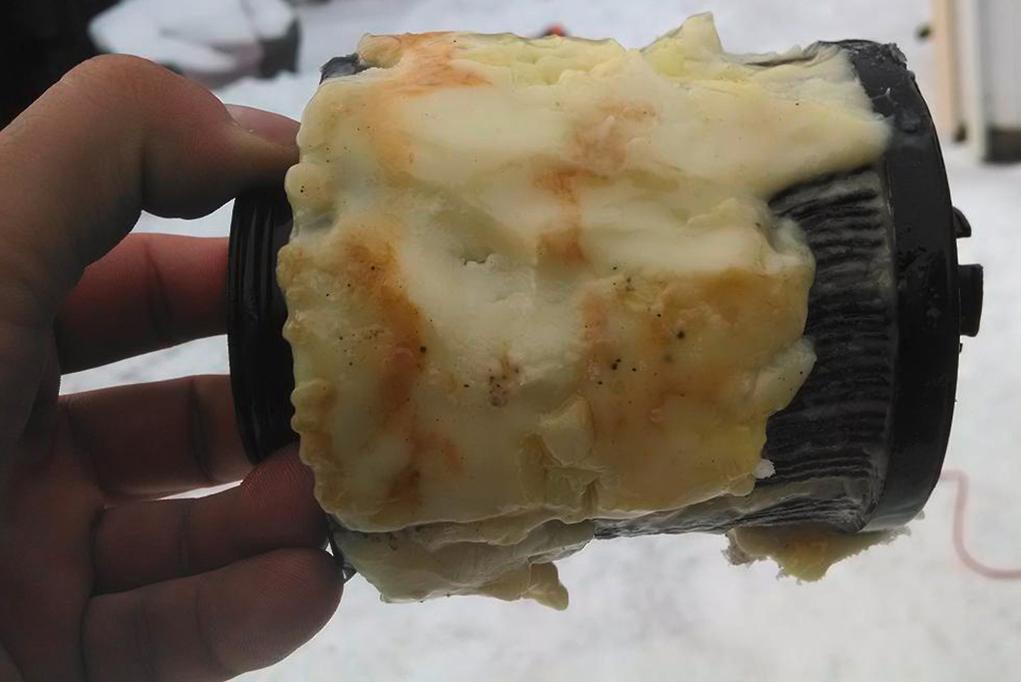
Diesel contains wax that solidifies in low temperatures. This process is called fuel gelation. As the wax crystals form, diesel becomes thick and slushy. Thickened fuel struggles to flow through filters and fuel lines.
Fuel gelation can cause:
- Engine starting difficulties
- Reduced fuel flow
- Clogged fuel filters
- Increased engine wear
Gelation happens near the diesel’s freezing point. Different diesel types freeze at different temperatures. Additives can help lower the freezing point and reduce gelation.
Common Issues In Low Temperatures
Low temperatures cause multiple diesel-related issues. Fuel can separate, creating water droplets that freeze in fuel lines. Ice blocks the fuel flow and stops the engine.
Other problems include:
- Thickened lubricants leading to higher engine friction
- Battery performance drops, making starts harder
- Condensation inside the fuel tank, causing corrosion
Cold weather requires careful fuel management. Using winter-grade diesel and additives helps keep engines running smoothly.
Types Of Diesel And Freezing Points
Diesel fuel comes in various types, each with different freezing points. Understanding these types helps in choosing the right diesel for cold climates. Freezing point affects how diesel performs in low temperatures. Some diesel types gel or freeze easily, causing engine problems. Others are treated to resist freezing and keep engines running smoothly.
Standard Diesel
Standard diesel is the most common type used worldwide. Its freezing point usually ranges from -10°C to -15°C (14°F to 5°F). In cold weather, standard diesel may start to gel. Wax crystals form, blocking fuel filters and pipes. This can stop the engine or reduce performance. It works well in mild climates but struggles in freezing temperatures.
Winterized Diesel
Winterized diesel is specially treated for cold weather. Additives lower the freezing point to around -20°C to -30°C (-4°F to -22°F). These additives prevent wax crystals from forming quickly. Winterized diesel flows better in cold temperatures. It reduces engine problems during winter. This type is common in colder regions and during winter months.
Biodiesel Variants
Biodiesel comes from renewable sources like vegetable oil or animal fat. It has different freezing points depending on the blend. Pure biodiesel (B100) freezes around 0°C to 10°C (32°F to 50°F). Lower blends, like B20 (20% biodiesel, 80% petroleum diesel), freeze closer to standard diesel. Biodiesel tends to gel faster than petroleum diesel. Cold flow additives or blending help improve its cold weather performance.
Testing Diesel Freezing Point
Testing the freezing point of diesel is important for safe and efficient engine operation. Diesel fuel can gel or solidify at low temperatures, causing engine problems. Knowing the freezing point helps prevent fuel blockages and keeps engines running smoothly in cold weather.
Testing diesel freezing point is a simple process. It involves cooling the fuel and observing the temperature where wax crystals start to form. This temperature shows when diesel may begin to freeze or gel.
Methods To Measure Freezing Point
- Cloud Point Test:Cool the diesel slowly. Watch for the first sign of wax crystals. The temperature at this point is the cloud point.
- Cold Filter Plugging Point (CFPP) Test:Filter the diesel while cooling. The CFPP is when the fuel clogs the filter due to wax crystals.
- Pour Point Test:Cool the diesel sample until it stops flowing. The pour point shows the lowest temperature the fuel will still pour.
- Automated Analyzers:Use modern instruments for precise freezing point detection. These devices give quick and accurate results.
Interpreting Test Results
Test results indicate diesel fuel’s cold weather performance. A lower freezing point means better resistance to cold.
If the freezing point is higher than expected, the fuel may gel in winter. This causes engine starting problems and fuel system damage.
Choose diesel with a freezing point suitable for your climate. Use additives or blend fuels to improve cold flow properties if needed.
Preventing Diesel Fuel Freezing
Preventing diesel fuel from freezing is crucial for reliable engine performance in cold climates. Diesel freezes because wax crystals form as temperatures drop. These crystals clog fuel lines and filters, stopping the engine from running smoothly. Taking steps to prevent freezing keeps vehicles and equipment ready to use.
Fuel Additives And Treatments
Fuel additives lower the freezing point of diesel fuel. They break down wax crystals and stop them from forming. Using anti-gel additives during winter months helps maintain fuel flow. Additives must be mixed well with the diesel before cold weather hits. Follow product instructions for correct amounts. Regular use improves cold weather performance and protects fuel systems.
Storage Tips For Cold Weather
Proper storage reduces the risk of diesel freezing. Store diesel in heated or insulated tanks to maintain temperature. Keep tanks full to reduce condensation and water buildup. Water in fuel causes ice blockages and damage. Avoid storing diesel outside during extreme cold. Use fuel heaters or circulation systems for large tanks. These practices keep diesel fluid and ready to use.
Credit: www.duramaxforum.com
Vehicle Maintenance For Cold Conditions
Cold weather creates tough conditions for diesel vehicles. Proper maintenance helps prevent fuel from gelling and engines from stalling. Keeping your vehicle ready for cold weather extends its life and improves safety. Focus on key areas such as the fuel system and engine warming methods.
Fuel System Care
Diesel fuel can gel and clog filters in low temperatures. Use winter-grade diesel or add anti-gel additives to keep fuel flowing smoothly. Check fuel filters regularly and replace them before winter starts. Keep the fuel tank at least half full to reduce condensation inside. Clean fuel injectors to maintain efficient spray patterns. Inspect fuel lines for cracks or leaks, which worsen in cold weather.
Engine Warm-up Strategies
Warm engines perform better and reduce wear in cold conditions. Start the engine and let it idle for a few minutes before driving. This allows oil to circulate and parts to reach operating temperature. Avoid high engine speeds during the first few minutes. Use block heaters or engine warmers in very cold climates. These devices keep the engine warm overnight, making starts easier. Plan your trips to allow gradual engine warm-up. This protects engine parts and improves fuel efficiency.
Choosing The Right Diesel For Winter
Choosing the right diesel for winter is essential to keep engines running smoothly. Cold temperatures cause diesel to gel, which blocks fuel lines and stops engines. Knowing the diesel freezing point helps prevent these issues. Selecting diesel fuel that suits winter conditions ensures reliable performance.
Selecting Based On Climate
Different climates demand different diesel types. Cold regions need diesel with lower freezing points. Winter diesel blends contain additives to resist gelling. Use summer diesel only in warmer areas. Check local weather trends before buying fuel. This choice reduces the risk of engine failure in cold weather.
Supplier Recommendations
Fuel suppliers offer guidance on winter diesel options. They know local climate and available products. Ask suppliers for diesel with proper cold flow properties. Suppliers can suggest additives if needed. Trust their advice to choose fuel that protects your engine. Regular communication helps maintain fuel quality throughout winter.

Credit: www.trucksales.com.au
Frequently Asked Questions
What Is The Diesel Freezing Point?
The diesel freezing point is the temperature where diesel fuel starts to gel. Below this point, wax crystals form. This causes fuel flow problems in engines. Knowing this helps prevent engine failures in cold weather.
Why Does Diesel Freeze At Low Temperatures?
Diesel freezes due to wax crystal formation when temperatures drop. These crystals block fuel filters and lines. This impacts engine performance and can cause stalling. Different diesel types have varying freezing points based on their composition.
How To Prevent Diesel Fuel From Freezing?
Use winter-grade diesel or additives to lower the freezing point. Keep fuel tanks full to reduce condensation. Store diesel in temperature-controlled environments when possible. Regular maintenance ensures fuel system components handle cold conditions.
What Happens If Diesel Freezes In The Engine?
Frozen diesel clogs filters and fuel lines, causing engine failure. It prevents proper combustion and can damage fuel pumps. Restarting the engine becomes difficult or impossible until fuel thaws. Immediate attention is needed to avoid costly repairs.
Conclusion
Diesel freezing point shows the temperature diesel starts to gel. It matters for cold climates and vehicle performance. Knowing this helps avoid engine problems in winter. Use diesel with a low freezing point in cold places. Simple checks and good fuel care keep engines running smoothly.
Remember, diesel fuel quality affects your vehicle’s health. Stay informed to protect your engine from cold damage. Diesel freezing point is key for safe, reliable driving in winter.