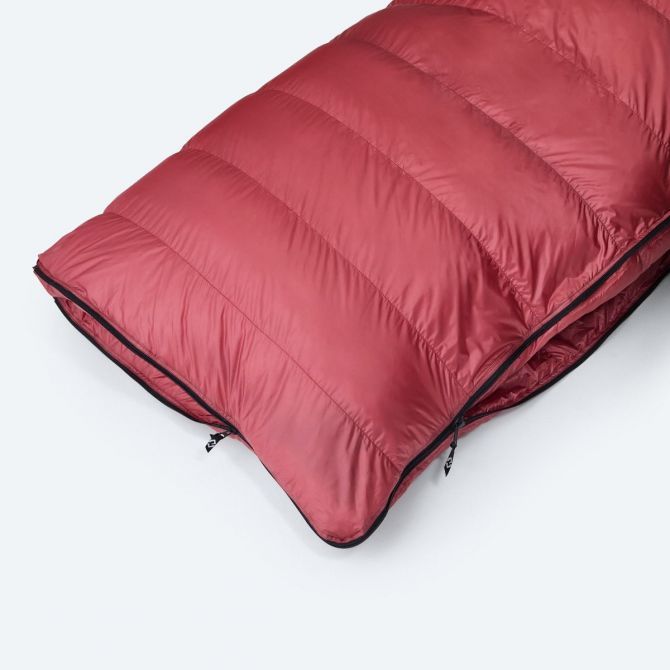
Are you looking for the perfect sleeping bag that keeps you warm without feeling heavy? A down sleeping bag might be exactly what you need.
But what is a down sleeping bag, and why do so many outdoor lovers swear by it? Understanding this can change the way you sleep on your next camping trip or outdoor adventure. Keep reading, and you’ll discover how a down sleeping bag can make your nights cozy, comfortable, and truly restful—no matter where you are.
The Essentials Of Down Sleeping Bags
Down sleeping bags are popular for camping and hiking. They provide warmth and are lightweight.
This guide explains what makes down sleeping bags special. You will learn about their features and benefits.
What Is A Down Sleeping Bag?
A down sleeping bag uses soft feathers from ducks or geese. These feathers trap heat to keep you warm.
Down is light and compressible. This means the sleeping bag can be packed small and carried easily.
Insulation And Warmth
Down insulation works by trapping air. This air keeps your body heat close to you.
Higher quality down offers better warmth. It also weighs less than synthetic insulation.
- Fill power shows down quality
- Higher fill power means better warmth
- Down keeps warmth even when compressed
Down sleeping bags are lightweight. This helps hikers carry less weight on long trips.
They compress into small sizes. This saves space in your backpack or luggage.
- Lightweight design improves comfort
- Compressible for easy storage
- Perfect for backpackers and travelers
Durability And Care
Down sleeping bags need careful handling. Water and dirt can damage the feathers.
Use a waterproof shell to protect the bag. Store it loosely when not in use to keep the feathers fluffy.
- Keep dry to maintain warmth
- Clean gently to avoid damage
- Store in a large bag or hang it
Cost And Value
Down sleeping bags usually cost more than synthetic ones. This is because of the natural materials.
They last longer if cared for well. This makes them a good investment for frequent campers.
- Higher price for better quality
- Long lifespan with proper care
- Good value for serious outdoor users

Credit: www.amazon.com
Advantages Of Down Insulation
Down sleeping bags use natural feathers from ducks or geese. This type of insulation keeps you warm by trapping heat.
Many campers choose down because it is light and easy to pack. It also lasts a long time with good care.
Lightweight And Compressible
Down insulation is very light compared to synthetic fills. It compresses well, so your sleeping bag takes less space in your backpack.
Excellent Warmth To Weight Ratio
Down traps air efficiently, which keeps body heat inside the sleeping bag. This means you stay warm without extra bulk or weight.
Durability And Longevity
With proper care, down sleeping bags last many years. The insulation keeps its loft and warmth better than most synthetic options.
- Resists compression damage
- Maintains warmth over time
- Can be repaired easily
- Less prone to clumping
Breathability And Comfort
Down allows moisture to escape while keeping warmth inside. This breathability helps reduce sweat and keeps you comfortable.
| Feature | Down Insulation | Synthetic Insulation |
|---|---|---|
| Weight | Light | Heavier |
| Warmth | High | Moderate |
| Compressibility | Excellent | Good |
| Durability | Long-lasting | Less durable |
| Water Resistance | Low unless treated | High |
Choosing The Right Fill Power
Down sleeping bags use natural feathers to keep you warm. Fill power measures the quality of these feathers.
Higher fill power means better insulation and lighter weight. Choosing the right fill power helps you stay comfortable.
What Is Fill Power?
Fill power shows how much space one ounce of down occupies. It tells how fluffy and warm the down is.
Higher fill power means the down traps more air, giving better warmth with less weight.
Common Fill Power Ratings
Fill power usually ranges from 400 to 900. The higher the number, the better the insulation.
- 400-500: Basic warmth, heavier and less compressible
- 600-700: Good warmth, lighter and more compressible
- 800-900: Excellent warmth, very light and compressible
Choosing Fill Power For Different Conditions
Choose fill power based on where and when you camp. Cold weather needs higher fill power for warmth.
- Warm weather: 400-600 fill power is enough
- Cool weather: 600-700 fill power works well
- Cold weather: 800+ fill power is best
Balancing Weight And Warmth
Higher fill power means lighter sleeping bags with more warmth. It is good for backpacking and long trips.
Lower fill power bags are heavier but cost less. They work well for casual camping where weight is not a problem.
Credit: cumulus.equipment
Temperature Ratings Explained
Down sleeping bags keep you warm by trapping heat. Temperature ratings tell you the lowest temperature you can use the bag comfortably.
These ratings help you pick the right bag for your trip. Understanding them keeps you safe and cozy outdoors.
What Temperature Ratings Mean
Temperature ratings show how cold it can be before you feel cold inside the bag. The ratings come from tests that measure warmth and comfort.
Types Of Temperature Ratings
- Comfort Rating:The lowest temperature a cold sleeper can use the bag without feeling cold.
- Limit Rating:The temperature at which a standard user can stay warm in a curled position.
- Extreme Rating:The survival rating where heat loss may cause hypothermia.
How To Use Temperature Ratings
Choose a bag with a comfort rating below the lowest temperature you expect. This helps avoid feeling cold at night.
| Rating Type | Purpose | Example Temperature |
| Comfort | Warmth for most users | 20°F (-6°C) |
| Limit | Warmth for cold sleepers | 10°F (-12°C) |
| Extreme | Survival only | -10°F (-23°C) |
Design Features For Comfort
Down sleeping bags are made to keep you warm and cozy during cold nights. Their design focuses on comfort and heat retention.
Good design features help improve fit and warmth. These include the shape, hood, collar, and zipper technology.
Shape And Fit
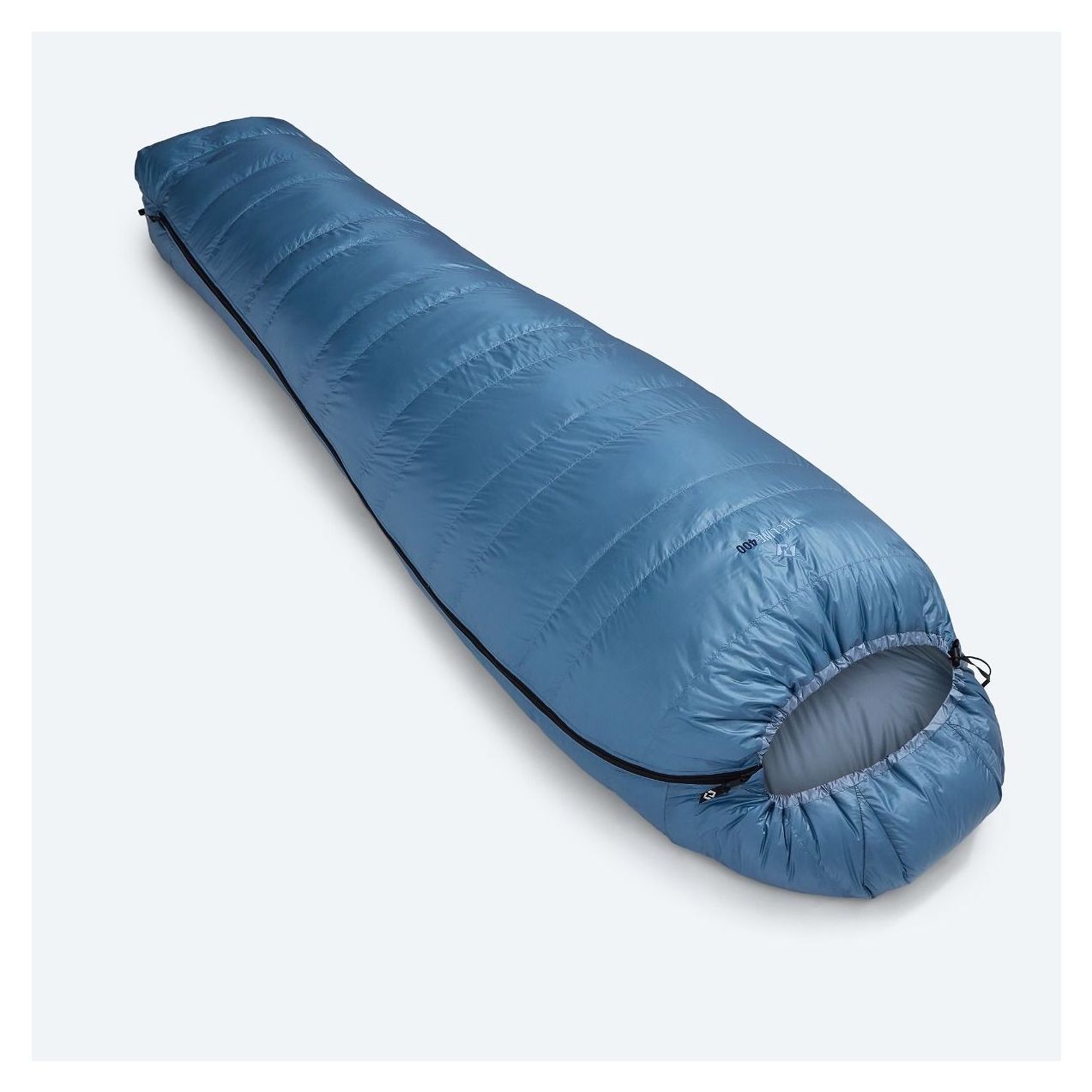
Down sleeping bags often have a mummy shape. This fits closely to your body to keep heat inside.
A snug fit reduces empty space where cold air can enter. It also makes the bag lighter and easier to carry.
Hood And Collar
The hood in a down sleeping bag helps protect your head from cold air. It usually has a drawstring to tighten it.
The collar inside the bag stops warm air from escaping around your neck. It creates a seal to keep heat close to your body.
Zipper Technology
High-quality zippers in down sleeping bags allow easy opening and closing. They also prevent cold air from getting in.
- Two-way zippers provide ventilation options
- Draft tubes along zippers block cold air
- Anti-snag designs stop fabric from catching

Credit: www.nemoequipment.com
Packability And Weight
Down sleeping bags are popular for camping and hiking. They are known for being lightweight and easy to carry.
These qualities make them a good choice for people who need to save space and reduce load.
Packability
Down sleeping bags compress very well. The down feathers can be squished tightly without damage.
This means they take up less space in your backpack. You can carry more gear or move easier.
- Compresses smaller than synthetic sleeping bags
- Fits into tight spaces or small stuff sacks
- Easy to pack for long trips
Weight
Down sleeping bags weigh less than many other types. This helps reduce the total weight you carry.
Lighter weight means less tiredness on long hikes. It also improves comfort during travel.
- Down is lighter than synthetic insulation
- Weight savings help on multi-day trips
- Good for backpackers and hikers
Caring For Your Down Sleeping Bag
A down sleeping bag keeps you warm by using soft feathers. It is light and packs small for trips. Taking care of it helps keep its warmth and comfort.
Proper care stops damage and keeps the down fluffy. Learn how to clean and store your sleeping bag safely.
Cleaning Tips
Clean your down sleeping bag only when needed. Washing too often can harm the feathers and fabric. Use gentle methods and special products for down.
Always follow these tips to clean your sleeping bag:
- Use a front-loading washing machine with a gentle cycle.
- Choose a down-specific detergent or a mild soap.
- Wash in cold or warm water, not hot.
- Rinse well to remove all soap residues.
- Dry slowly using a low heat setting or air dry.
- Add clean tennis balls in the dryer to keep down fluffy.
- Do not bleach or iron the sleeping bag.
Storage Solutions
Store your down sleeping bag properly to keep the feathers full of air. Avoid tight compression for long periods. Use large bags or hang it up.
Follow these tips to store your sleeping bag well:
- Use a large cotton or mesh storage sack, not the small stuff sack.
- Keep it in a dry and cool place, away from sunlight.
- Hang the sleeping bag on a wide hanger if possible.
- Make sure it is fully dry before storing to prevent mold.
- Do not store near chemicals or strong smells.
Comparing Down With Synthetic Options
Sleeping bags keep you warm during cold nights outdoors. Two main filling types are down and synthetic.
Each type has different benefits and drawbacks. Knowing these helps you choose the right sleeping bag.
Warmth And Weight
Down is very warm and light. It traps heat well without adding weight.
Synthetic fills are heavier and less warm. They need more material to match down’s warmth.
- Down offers better warmth-to-weight ratio
- Synthetic is heavier for the same warmth
Durability And Care
Down lasts longer if kept dry and clean. It loses warmth when wet and takes time to dry.
Synthetic fills dry faster and work well when wet. They resist moisture better but may break down sooner.
- Down needs careful cleaning and storage
- Synthetic is easier to maintain
Cost And Environmental Impact
Down sleeping bags are usually more expensive. The material comes from birds and requires special processing.
Synthetic bags cost less and use man-made fibers. Some synthetics use recycled materials, reducing waste.
- Down is pricier and natural
- Synthetic is cheaper and often recycled
Eco-friendly Down Alternatives
Down sleeping bags use feathers from ducks or geese for warmth. These bags are light and keep you cozy during cold nights.
Some people want eco-friendly options that do not use animal products or harm the environment. These alternatives provide good warmth and comfort.
Synthetic Insulation
Synthetic insulation is made from man-made fibers that trap heat. It works well in wet conditions because it dries fast.
This option is often cheaper than down and is easy to care for. It keeps warmth even if it gets damp.
Recycled Polyester Fill
Recycled polyester uses plastic waste, like bottles, to create insulation. This helps reduce trash in landfills and oceans.
Sleeping bags with recycled fill offer good warmth and support eco-friendly habits.
Plant-based Fibers
Some sleeping bags use fibers from plants like kapok or hemp. These natural fibers are soft and warm.
Plant-based fills are biodegradable and reduce the need for animal products.
Blended Insulation
Blended insulation mixes synthetic and natural fibers. This creates a balance between warmth, weight, and eco-friendliness.
These blends often improve durability and comfort in sleeping bags.
Top Brands And Recommendations
Down sleeping bags offer excellent warmth and comfort for outdoor adventures. Many brands make quality down sleeping bags for different weather conditions.
This guide highlights some top brands and their recommended models to help you choose the right sleeping bag.
The North Face
The North Face is a trusted brand known for durable outdoor gear. Their down sleeping bags provide great warmth for cold weather camping.
The “Inferno” series is popular for extreme cold, while the “Cat’s Meow” suits mild temperatures.
Mountain Hardwear
Mountain Hardwear offers lightweight sleeping bags filled with high-quality down. Their bags balance warmth and packability.
- “Phantom” series for cold and ultralight needs
- “Lamina” series blends synthetic and down for damp conditions
Western Mountaineering
Western Mountaineering is famous for premium down sleeping bags. They use high-fill power goose down for warmth and light weight.
| Model | Temperature Rating | Weight |
| Alpinlite | 20°F (-6°C) | 2.5 lbs (1.13 kg) |
| UltraLite | 30°F (-1°C) | 1.5 lbs (0.68 kg) |
| Versalite | 40°F (4°C) | 1.3 lbs (0.59 kg) |
Rei Co-op
REI Co-op offers affordable down sleeping bags with solid performance. Their bags suit beginners and casual campers.
- Magma 15 – for cold weather camping
- Magma Trail Quilt – lightweight and versatile
- Co-op Trailbreak 20 – budget-friendly option
Frequently Asked Questions
What Is A Down Sleeping Bag Made Of?
A down sleeping bag is filled with soft, insulating feathers from ducks or geese. It offers lightweight warmth and compressibility, making it ideal for cold weather camping and backpacking.
How Does A Down Sleeping Bag Keep You Warm?
Down traps body heat within its fluffy clusters. This insulation creates warm air pockets, effectively retaining heat and providing excellent thermal protection in cold conditions.
Why Choose A Down Sleeping Bag Over Synthetic?
Down sleeping bags are lighter and more compressible than synthetic ones. They offer superior warmth-to-weight ratio, making them perfect for backpackers seeking efficient insulation and packability.
Are Down Sleeping Bags Suitable For Wet Conditions?
Down loses insulating power when wet and takes longer to dry. Using a waterproof shell or choosing water-resistant treated down enhances performance in damp environments.
Conclusion
Down sleeping bags keep you warm with natural insulation. They are lightweight and easy to carry. Perfect for cold weather camping or hiking trips. Choose one that fits your needs and budget. Remember to care for it properly to last longer.
Down sleeping bags offer comfort and warmth on outdoor adventures. A good choice for anyone who loves camping in cold places.