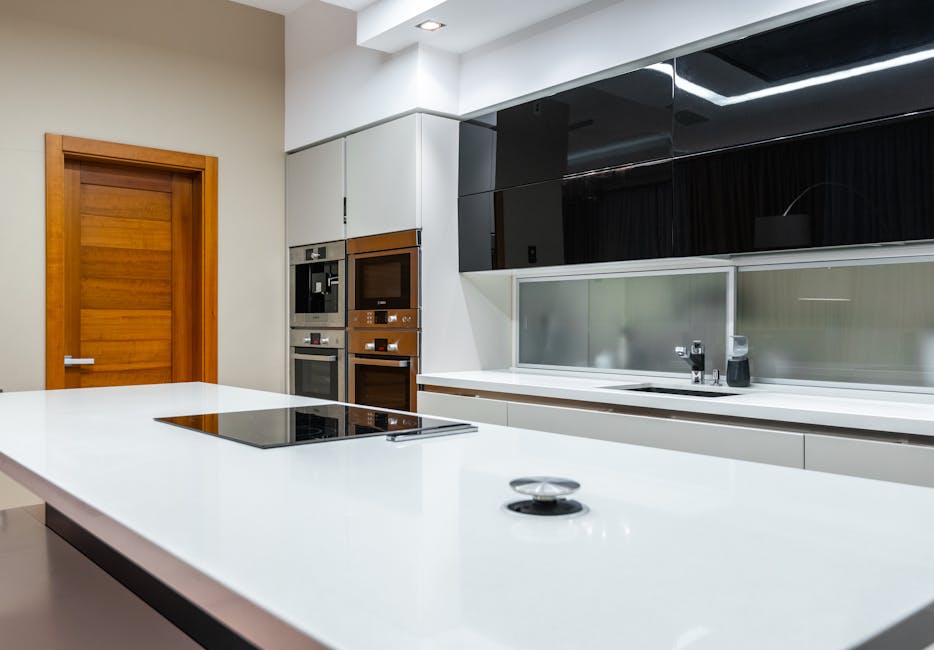
Imagine cooking a delicious meal without the worry of smoke, steam, or lingering odors invading your kitchen. Sounds like a dream, right?
A downdraft cooktop could make that dream a reality. If you’ve ever been frustrated by a smoky kitchen or a bulky overhead range hood, then this innovative appliance might be the solution you’ve been searching for. But what exactly is a downdraft cooktop, and how can it revolutionize your cooking experience?
By the end of this article, you’ll not only understand what a downdraft cooktop is but also discover why it might just be the perfect addition to your kitchen. Get ready to explore a cooking tool that combines style, efficiency, and convenience, transforming the way you cook.
Downdraft Cooktops Explained
Downdraft cooktops offer a unique solution for kitchen ventilation. They combine cooking and air extraction in a single unit. This design helps keep your kitchen clean and free from smoke or strong smells.
These cooktops pull air downwards, unlike traditional vents that push air upward. They work well in kitchens without overhead space or where a sleek, modern look is desired. Understanding how downdraft cooktops work helps in choosing the right model for your kitchen.
How Downdraft Ventilation Works
Downdraft cooktops use a built-in fan to pull cooking fumes downward. The air is drawn through vents located near the cooking surface. Then, the air passes through filters to trap grease and odors.
The cleaned air either vents outside or recirculates back into the kitchen. This system reduces smoke, steam, and smells effectively. It also frees up overhead space above the cooktop.
Types Of Downdraft Cooktops
- Electric Downdraft Cooktops: Powered by electricity, combining smooth glass surfaces with ventilation.
- Gas Downdraft Cooktops: Use gas burners with integrated downdraft vents for smoke removal.
- Pop-up Downdraft Cooktops: Feature vents that rise when cooking and retract when not in use.
- Integrated Downdraft Systems: Built into kitchen islands or counters for seamless design.
Key Features And Components
| Feature | Description |
|---|---|
| Ventilation Fan | Draws air down through the vent for filtering. |
| Filters | Trap grease, smoke, and odors to clean the air. |
| Control Panel | Allows easy adjustment of fan speed and settings. |
| Cooking Surface | Includes burners or heating elements integrated with ventilation. |
| Vent Outlet | Directs filtered air outside or back into the room. |

Credit: www.jcperreault.com
Benefits Of Downdraft Systems
Downdraft cooktops offer several advantages that can change how you experience your kitchen. These systems pull smoke, steam, and odors downwards right at the cooktop level. This design brings practical benefits you might not expect but will definitely appreciate every time you cook.
Space-saving Design
One of the biggest perks of a downdraft cooktop is how it frees up space. Unlike traditional range hoods that hang overhead, downdraft systems are built into the cooktop or countertop. This means you can have more open space above your stove, which is perfect if your kitchen has low ceilings or limited room.
Imagine not having a bulky hood blocking your view or limiting your cabinet options. This setup also makes it easier to install larger windows or lighting fixtures right above your cooking area, enhancing your kitchen’s natural light and ambiance.
Improved Kitchen Air Quality
Downdraft systems effectively capture smoke and odors right where they are produced, preventing them from spreading throughout your home. This is especially useful in open-plan living areas where cooking smells can travel easily. You’ll notice less lingering grease and fewer airborne particles, which can make your kitchen cleaner and healthier.
Think about how refreshing it feels when your kitchen doesn’t hold onto the smell of last night’s dinner. That freshness can make cooking more enjoyable and keep your whole living space feeling pleasant.
Aesthetic Appeal
Downdraft cooktops offer a sleek, modern look that complements contemporary kitchen designs. Their low-profile appearance lets your countertop and backsplash shine without interruption. This minimalist style often feels less cluttered and more elegant than traditional vent hoods.
Plus, the hidden design means you can choose stylish vent covers or retractable panels that blend seamlessly with your decor. Does your kitchen reflect your style, or is it dominated by functional but bulky appliances? A downdraft system might be the upgrade that balances both.
Choosing The Right Downdraft Cooktop
Choosing the right downdraft cooktop affects your kitchen’s efficiency and style. It involves more than just picking a model. Consider size, materials, and noise for the best fit.
Sizing And Compatibility
Measure your countertop space carefully. Downdraft cooktops come in various widths, usually 24 to 36 inches. Check if your kitchen layout supports a downdraft system. Ensure the ventilation duct fits under your counter or through the floor. Compatibility with your existing appliances matters too. A well-sized cooktop blends seamlessly with your kitchen design.
Material And Finish Options
Choose materials that match your kitchen décor. Stainless steel offers durability and a modern look. Glass surfaces are easy to clean and stylish. Matte finishes hide fingerprints better than glossy ones. Consider scratch resistance for long-term use. The right finish keeps your cooktop looking new over time.
Noise Levels And Performance
Downdraft cooktops vary in noise during operation. Look for models with quiet fans for a peaceful kitchen. Check the airflow power, measured in cubic feet per minute (CFM). Higher CFM means better smoke and odor removal. Balance noise and performance based on your cooking habits. A quieter cooktop improves your cooking experience.

Credit: www.jennair.com
Installation And Maintenance Tips
Installing and maintaining a downdraft cooktop requires careful attention to detail. Proper setup ensures it works efficiently and lasts longer. Let’s look at practical tips that can help you avoid common pitfalls and keep your cooktop performing well.
Proper Placement And Venting
Choosing the right spot for your downdraft cooktop is crucial. It should be near an external wall or vent to allow smoke and odors to escape easily. Think about the airflow in your kitchen—if the venting path is too long or obstructed, the system won’t work as intended.
Consider the height of surrounding cabinets and countertops. Your cooktop needs enough clearance for the downdraft vent to rise and pull air effectively. Have you checked if your kitchen layout supports this kind of ventilation?
Cleaning And Upkeep
Regular cleaning keeps your downdraft cooktop running smoothly. Grease and food particles can block the vent, reducing its suction power. Wipe the vent screen and filters every week with warm, soapy water to prevent buildup.
Some models have removable parts that you can soak or put in the dishwasher. Check the manufacturer’s guide to avoid damaging any components. How often do you clean your current kitchen vents?
Common Installation Challenges
One frequent issue is measuring the cutout space incorrectly. Downdraft cooktops require precise fitting, so double-check dimensions before installation. An ill-fitting cooktop can lead to poor ventilation and even damage your countertop.
Electrical and ductwork connections can also be tricky. Make sure you have a certified professional handle these parts to meet safety codes. Have you consulted an expert before starting your installation?
Comparing Downdraft To Traditional Ventilation
Comparing downdraft cooktops to traditional overhead ventilation reveals some interesting differences that might change how you think about kitchen design. Both systems aim to keep your cooking area smoke- and odor-free, but they do so in ways that affect your cooking space and overall kitchen vibe. Understanding these differences can help you decide which setup fits your needs best.
Advantages Over Overhead Hoods
Downdraft cooktops pull smoke and steam downward, right at the source. This can be a game-changer if you dislike bulky overhead hoods that block your view or clash with your kitchen style.
- Space-saving design:Without a big hood, your kitchen feels more open and less cluttered.
- Better sightlines:You can keep eye contact with guests or watch TV without obstruction.
- Flexible installation:Downdrafts work well with kitchen islands, where installing an overhead hood might be tricky or expensive.
Personally, I found that switching to a downdraft made my kitchen feel larger and more inviting during dinner parties. The absence of a hanging hood means no steam or smoke hangs around your face, which can be quite refreshing.
Limitations To Consider
Despite the perks, downdraft systems come with some trade-offs you should weigh carefully. They often don’t capture smoke and odors as efficiently as a strong overhead hood, especially when cooking with high heat or frying.
- Reduced airflow:Downdrafts may struggle with heavy smoke or large pots, leading to lingering smells.
- Installation constraints:These units require space beneath the cooktop for ventilation ducts, which can limit cabinet storage options.
- Higher maintenance:Filters and fans can be harder to reach and clean compared to overhead systems.
Think about your cooking habits—do you fry often or cook large meals that produce a lot of steam? If yes, an overhead hood might serve you better. But if you prefer a sleek look and mostly cook light meals, a downdraft could be perfect for your kitchen setup.
Popular Brands And Models
Downdraft cooktops combine cooking and ventilation in one sleek unit. Many brands offer various models to fit different kitchen styles and budgets. Choosing a reliable brand ensures good performance and durability.
Popular brands stand out for quality design and user-friendly features. Their models often include powerful vents that pull smoke and odors down. They save space and look modern in kitchens.
Top-rated Downdraft Cooktops
- KitchenAid:Known for strong suction and quiet operation. Models like the KitchenAid KCDS950ESS offer five burners and a retractable vent.
- JennAir:Offers sleek, high-end models with powerful ventilation. JennAir JGD6430DS features a downdraft vent hidden behind burners.
- GE Profile:Combines style and performance. The GE Profile PHP9036DJBB has a smooth glass surface and efficient vent system.
- Bosch:Provides compact models with good airflow. The Bosch NGM8056UC is popular for its modern design and easy cleaning.
Customer Reviews And Feedback
Users praise downdraft cooktops for saving overhead space. Many find the vent pulls smoke effectively during cooking. Quiet operation is a common positive point.
Some users mention occasional issues with vent power on cheaper models. Cleaning the vent is easy but requires regular attention. Overall, customers prefer brands that balance style and function well.
Choosing a model with good reviews helps ensure satisfaction. Pay attention to feedback on installation and maintenance. This helps avoid surprises after purchase.
Future Trends In Kitchen Ventilation
Kitchen ventilation is evolving rapidly, and downdraft cooktops are at the heart of this change. They offer a sleek, space-saving alternative to traditional overhead vents, but what lies ahead is even more exciting. Understanding future trends helps you make smarter choices for your kitchen’s design and functionality.
Innovations In Downdraft Technology
Downdraft cooktops are becoming more powerful and quieter. Newer models use advanced airflow systems that capture smoke and odors more efficiently without disrupting your cooking space.
Some designs now include adjustable heights, so the vent rises only when needed and hides away when not in use. Imagine cooking with no bulky vent above your stove, yet still enjoying fresh air and no lingering smells.
Materials are improving too, with corrosion-resistant surfaces and easy-to-clean filters. This means less maintenance and a longer lifespan for your downdraft system.
Integration With Smart Kitchens
Downdraft cooktops are becoming smarter by connecting to your home’s automation system. You can control the fan speed, lighting, and even receive maintenance alerts directly on your phone.
Voice control is another game-changer. Picture telling your kitchen assistant to turn on the vent without lifting a finger while your hands are busy stirring or chopping.
Smart sensors can detect smoke or steam and adjust ventilation automatically. This kind of hands-free operation makes your cooking experience safer and more convenient.
How would it feel to have a kitchen that anticipates your needs and supports you seamlessly? These advancements are not just about technology; they are about improving your daily life.

Credit: www.jennair.com
Frequently Asked Questions
What Is A Downdraft Cooktop?
A downdraft cooktop is a cooking surface with a built-in ventilation system. It pulls smoke and odors downward. This eliminates the need for an overhead range hood. It helps keep kitchens cleaner and air fresher.
How Does A Downdraft Cooktop Work?
It uses a fan and vent located behind or beside the cooktop. The fan draws cooking fumes downward. These fumes are then expelled outside or filtered and recirculated. This system efficiently removes smoke and odors at the source.
What Are The Benefits Of Downdraft Cooktops?
Downdraft cooktops save kitchen space by eliminating bulky overhead hoods. They provide a sleek, modern look and flexible kitchen design. They also improve air quality by removing smoke and odors effectively.
Are Downdraft Cooktops Suitable For All Kitchens?
Downdraft cooktops work best in kitchens with limited space or unusual layouts. However, they may not be as effective for heavy cooking with large pots. Proper installation and ventilation are essential for best performance.
Conclusion
A downdraft cooktop keeps your kitchen air clean and fresh. It pulls smoke and odors down, not up. This helps you cook without strong smells or steam. The design saves space and looks neat. Many find it easy to use and clean.
Choosing the right downdraft cooktop can improve your cooking experience. It fits well in smaller kitchens or open spaces. Consider it if you want a simple, effective way to manage kitchen air.