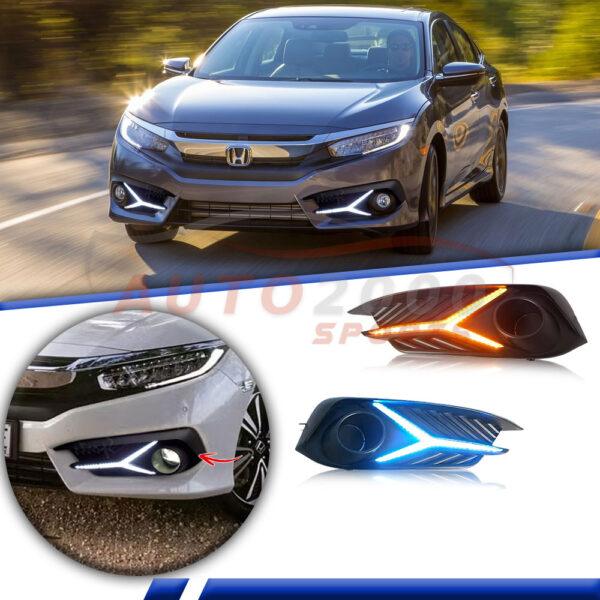
Have you ever noticed the bright lights on the front of your Honda Civic during the day and wondered what they are for? Those are called DRL systems, and they play a key role in keeping you safe on the road.
Understanding what the DRL system is and how it works can help you appreciate the smart features built into your car. If you want to learn how this simple yet powerful system improves your driving experience and safety, keep reading—this article breaks it down in clear, easy-to-understand terms just for you.
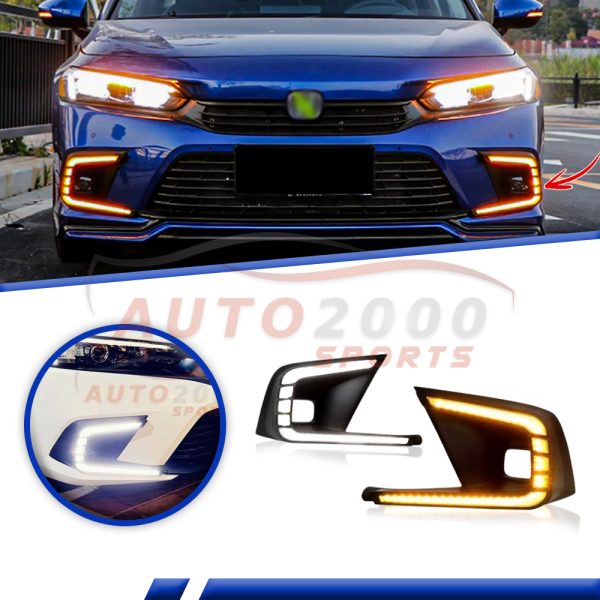
Credit: auto2000sports.com
Drl System Basics
The DRL system in your Honda Civic plays a crucial role in enhancing safety during daytime driving. Understanding the basics of this system helps you appreciate why these lights are more than just a design feature. Let’s break down what daytime running lights are and why they matter to you on the road.
What Are Daytime Running Lights
Daytime Running Lights (DRLs) are low-intensity lights that turn on automatically when your car is running. Unlike headlights, DRLs are designed to make your vehicle more visible to others rather than to illuminate the road ahead.
In your Honda Civic, these lights typically activate without any action from you. They help other drivers and pedestrians notice your car during daylight hours, reducing the chances of accidents.
Purpose Of Drl In Vehicles
The main purpose of the DRL system is to increase your vehicle’s visibility on busy streets and highways. Studies have shown that cars with DRLs are less likely to be involved in collisions during the day.
Think about how often you’ve seen a car blend into the background on a cloudy or foggy day. DRLs cut through that visual noise, giving your Civic a better presence on the road.
Have you ever wondered why some cars seem easier to spot from a distance? The DRL system is the reason, helping you and other drivers stay alert to each other’s presence.
Drl System In Honda Civic
The DRL (Daytime Running Lights) system in the Honda Civic plays a crucial role in enhancing your vehicle’s visibility during daylight hours. This feature improves safety by making your car more noticeable to other drivers and pedestrians, reducing the risk of accidents. Understanding how Honda designs and uses DRL can help you appreciate this safety component and make better use of it on the road.
How Honda Civic Implements Drl
Honda equips the Civic with DRL that automatically turns on when you start the engine. These lights use less power than regular headlights, so they don’t drain your battery. The system activates only during the day, switching off the moment you turn on the main headlights.
What’s interesting is how the DRL adjusts to different driving conditions. For example, on cloudy days or in tunnels, the system may brighten the lights to keep your car visible. This automatic adjustment means you don’t have to think twice about turning on your lights in varying conditions.
Types Of Drl Used In Honda Civic Models
Honda has used several types of DRL in different Civic models, each offering unique benefits:
- LED DRL:Found in newer Civic models, LED DRLs are bright, energy-efficient, and have a long lifespan. They also add a modern look to the car’s front design.
- Halogen DRL:Some older models feature halogen DRLs, which are less bright than LEDs but still effective in increasing daytime visibility.
- Integrated DRL and Headlight Units:In certain trims, the DRL is combined with the headlight assembly, allowing for seamless lighting transitions and a sleek appearance.
Have you noticed how your Civic’s DRL changes the way other drivers react? This subtle feature can make a big difference in everyday driving safety. Next time you drive, pay attention to how your DRL performs and how it impacts your awareness on the road.
Safety Benefits
The Daytime Running Light (DRL) system in the Honda Civic is more than just a sleek feature—it plays a critical role in enhancing your safety on the road. By keeping your vehicle visible during daylight hours, the DRL system helps prevent accidents and keeps you and other drivers alert. Understanding its safety benefits can help you appreciate why this system is a valuable addition to your daily drive.
Improved Visibility On Roads
DRLs make your Honda Civic stand out in various lighting conditions, including dawn, dusk, and cloudy weather. Your car becomes more noticeable to pedestrians, cyclists, and other drivers, reducing the chance of collisions. Have you ever noticed how easier it is to spot a vehicle with lights on during the day? That’s exactly the advantage DRLs provide.
Unlike traditional headlights, DRLs automatically turn on when you start your car and do not require manual activation. This continuous presence on the road gives you an edge in crowded traffic or when driving through shaded streets. Visibility is one of the simplest yet most effective ways to avoid accidents.
Accident Reduction Statistics
Studies show that vehicles equipped with DRL systems experience fewer daytime accidents. Research indicates a decrease in frontal collisions by as much as 5-10% when DRLs are used consistently. These numbers reflect how even small changes like better visibility can have a big impact on road safety.
Consider this: in countries where DRLs are mandatory, overall road safety improves noticeably. This is not a coincidence but a result of drivers being more aware of each other’s presence. Wouldn’t you want that extra layer of protection every time you get behind the wheel?
Style And Design Impact
The style and design of your Honda Civic speak volumes about your personality and taste. The Daytime Running Lights (DRL) system plays a subtle yet powerful role in shaping that impression. It’s not just about safety; it’s about making your car stand out on the road and reflect a modern, sleek aesthetic.
Drl’s Role In Honda Civic’s Look
The DRL system adds a sharp, futuristic edge to the Honda Civic’s front profile. These lights are designed to be bright and noticeable, creating a distinct visual signature even in daylight. They highlight the car’s contours and give it a more aggressive stance without overpowering the overall design.
Imagine driving through city streets where your Civic’s DRLs catch the attention of other drivers and pedestrians. This subtle glow enhances visibility but also adds a layer of sophistication to your vehicle’s appearance. It’s a small detail that makes a big impact.
Customization Options
Honda offers various DRL designs and settings to suit different driver preferences. You can find options ranging from simple white LED strips to more intricate shapes that complement the Civic’s body lines. This means you can tailor your car’s look to be sporty, elegant, or somewhere in between.
- Choose between standard white or smoked DRL covers for a unique look
- Upgrade to LED bulbs with different brightness levels and color temperatures
- Pair DRLs with other lighting upgrades like fog lights or accent lights
Have you ever thought about how a small change in your car’s lighting could redefine its style? Experimenting with DRL options might just be the easiest way to refresh your Civic’s design without a full makeover.
Operation And Maintenance
The Daytime Running Light (DRL) system in the Honda Civic enhances visibility during the day. It automatically turns on the lights at a lower intensity to make your car noticeable. Proper operation and maintenance keep this safety feature reliable and effective.
Understanding how the DRL system works helps you spot issues early. Regular checks ensure the lights function as designed. Maintenance prevents common problems that might reduce visibility or cause electrical faults.
How To Check Drl Functionality
- Start the engine and check if the DRLs turn on automatically.
- Look at both front lights to ensure they are equally bright.
- Inspect the lights for any flickering or dimming.
- Confirm that the DRLs turn off when you switch on the headlights.
- Use a clean cloth to wipe the light covers for clear visibility.
Common Issues And Fixes
- DRLs not turning on:Check the fuse and replace it if blown.
- Dim or flickering lights:Clean the light covers and check the bulb connections.
- DRLs stay on with headlights:Inspect the headlight switch or relay for faults.
- Burnt-out bulbs:Replace with OEM recommended bulbs for best results.
- Electrical problems:Visit a certified technician for wiring inspection and repair.
Regulations And Legal Aspects
Daytime Running Lights (DRL) in the Honda Civic must follow certain rules. These rules vary by country and region. They help ensure safety on the roads. Understanding these laws is important for all drivers. It helps avoid fines and keeps driving legal. Here is a look at the key rules and legal points.
Drl Requirements By Region
Different places set different standards for DRLs. Some require them on all new cars. Others only suggest or allow them.
- United States:DRLs are allowed but not mandatory. Some states may have specific rules.
- Europe:DRLs are required on all new cars since 2011. They must meet brightness and placement rules.
- Canada:DRLs are mandatory on all new vehicles since 1990. They must turn on automatically when the engine starts.
- Australia:DRLs are optional but becoming more common. Rules vary by state.
Always check local laws before driving with DRLs. This helps ensure compliance and safety.
Compliance For Honda Civic Owners
Honda Civic owners must ensure their DRLs meet local laws. The Civic’s DRLs are designed to follow international standards. Still, owners should verify settings and operation.
- Check the owner’s manual for DRL functions and settings.
- Ensure DRLs turn on automatically with the engine.
- Verify brightness and position comply with local rules.
- Inspect DRLs regularly to confirm they work properly.
Failing to comply with DRL laws can lead to fines or safety risks. Proper use helps protect you and others on the road.
Future Trends
Looking ahead, the Daytime Running Light (DRL) system in the Honda Civic is set to evolve dramatically. These changes will enhance safety, efficiency, and style, impacting how you experience driving every day. Understanding these future trends can help you make smarter choices when upgrading or buying your next Civic.
Innovations In Drl Technology
DRL technology is moving beyond simple illumination. Expect smarter lighting systems that adjust brightness based on ambient light and weather conditions.
Some models will feature adaptive DRLs that communicate with other safety systems, like collision detection, to alert drivers more effectively. Imagine your car’s lights reacting instantly to the environment, improving your visibility without distracting others.
- Energy-efficient LED and OLED lights will become standard, reducing power consumption.
- Integration with smartphone apps may allow you to customize DRL patterns and colors.
- Self-healing and more durable materials will reduce maintenance costs.
Upcoming Changes In Honda Civic Models
Honda is actively updating the Civic lineup with new DRL designs that complement the car’s sleek aesthetics while boosting functionality. You might notice sharper, more distinct light signatures that improve daytime visibility and add a modern touch.
The next-generation Civics could also introduce modular DRL units, making repairs and upgrades simpler and more affordable. These changes show Honda’s commitment to blending style with practical safety features.
Are you ready for your Civic to not just light the road but also communicate vital driving information through its DRLs? This shift could transform how you think about your car’s lighting system.
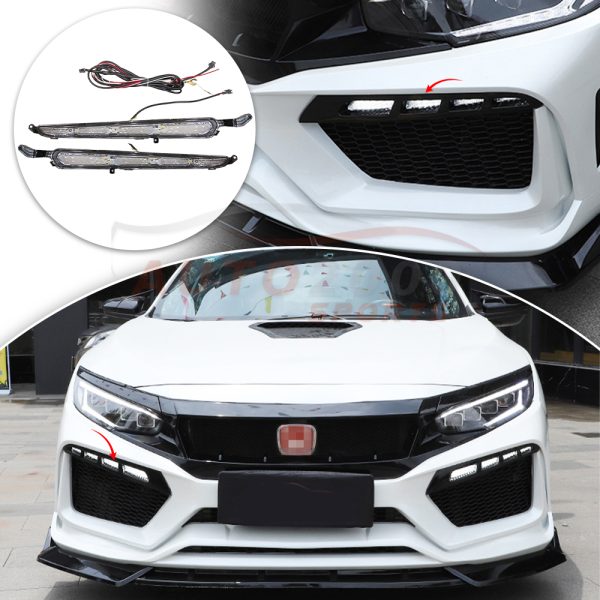
Credit: auto2000sports.com

Credit: www.amazon.ca
Frequently Asked Questions
What Is The Drl System In Honda Civic?
The DRL system in a Honda Civic stands for Daytime Running Lights. It automatically turns on the vehicle’s lights during daylight. This enhances visibility on the road, increasing safety. The DRLs are typically LED lights, which consume less power and are more durable.
How Does The Drl System Improve Safety?
The DRL system improves safety by increasing vehicle visibility during the day. It helps other drivers and pedestrians see your car. This reduces the risk of accidents. The lights are bright but not blinding, ensuring a balance between safety and comfort.
Are Drls Mandatory In All Honda Civics?
DRLs are not mandatory in all Honda Civics. However, they are standard in many newer models. They are designed to enhance safety. Some older models may not have DRLs, but they can be retrofitted. Always check your vehicle’s specifications for details.
Can I Turn Off The Drl System In My Civic?
Yes, you can turn off the DRL system in your Honda Civic. However, it is not recommended for safety reasons. DRLs are designed to increase visibility. If you choose to disable them, consult your vehicle’s manual or a professional.
Conclusion
The DRL system in a Honda Civic helps you stay safe on the road. It turns on lights during the day for better visibility. This feature makes your car easier to see by others. It works automatically, so you don’t need to think about it.
Using DRLs can reduce accidents in bright conditions. Knowing how it works helps you appreciate your Civic more. It’s a simple but important part of your car’s safety. Keep your lights in good shape to stay protected.