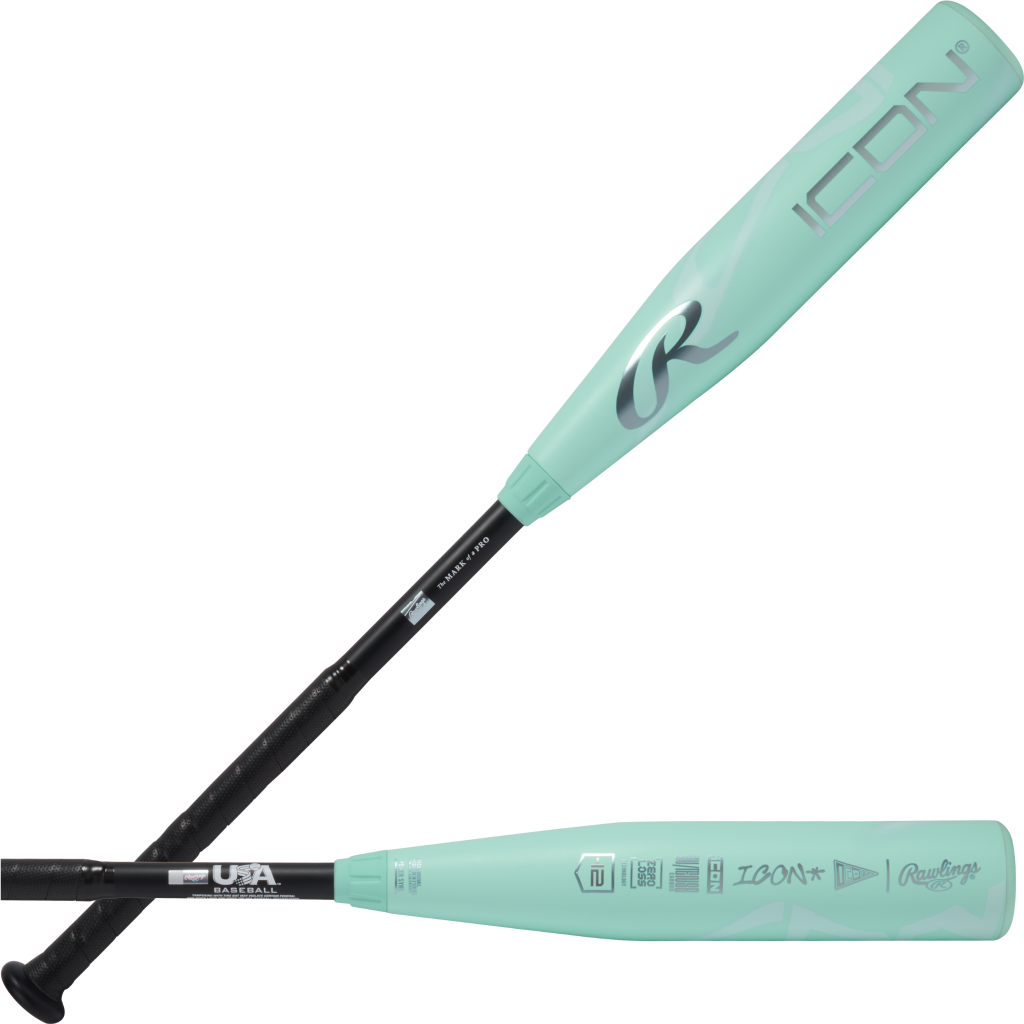
Have you ever wondered what the number on a baseball bat really means? If you’re looking to improve your game, understanding the “drop” in baseball bats is key.
This simple number affects how comfortable the bat feels and how well you can swing it. Knowing what drop is and how it works can help you choose the perfect bat tailored to your strength and playing style. Keep reading, and you’ll discover everything you need to make smarter choices that boost your performance on the field.

Credit: www.justbats.com
Drop In Baseball Bats
Drop in baseball bats is a term used to describe the weight-to-length ratio of a bat. This measurement helps players choose the right bat size for their comfort and performance.
Understanding the drop can help players select a bat that suits their playing style and physical strength. It can affect their swing and overall game performance.
Definition And Basics
The drop of a baseball bat is calculated by subtracting the bat’s weight (in ounces) from its length (in inches). For example, a bat that is 30 inches long and weighs 20 ounces has a drop of -10.
- Drop -3: Common for high school and college players
- Drop -5: Often used by older youth players
- Drop -10: Popular among younger players
How Drop Affects Performance
The drop can influence a player’s swing speed and control. A higher drop (more negative) means the bat is lighter relative to its length, allowing for faster swings. This is ideal for younger players who need more bat speed.
| Drop | Player Type |
| -3 | Advanced players |
| -5 | Intermediate players |
| -10 | Younger players |
Drop Measurement
In baseball, the drop of a bat is an important number. It helps players pick the right bat size for their strength and height.
The drop shows the difference between the bat’s length and weight. It affects how easy the bat is to swing.
Calculating Drop
The drop is found by subtracting the bat’s weight from its length. Both numbers use the same units.
Length is measured in inches, and weight is measured in ounces. The result is a negative number called the drop.
Example: A bat 30 inches long and 20 ounces weighs has a drop of -10.
| Bat Length (inches) | Bat Weight (ounces) | Drop (Length – Weight) |
|---|---|---|
| 30 | 20 | -10 |
| 32 | 22 | -10 |
| 28 | 18 | -10 |
Common Drop Values
Different players use different drop values based on their age and skill level. Lighter bats have bigger drops.
Younger players often use bats with drops from -10 to -13. Older or stronger players use smaller drops.
- Drop -13: Very light, good for young players
- Drop -10: Common for youth and beginner players
- Drop -3 to -5: Used by high school and college players
- Drop -3 or less: For advanced and professional players
Choosing The Right Drop
The drop of a baseball bat is the difference between its length and weight. It affects how easy the bat is to swing. Choosing the right drop helps players perform better at the plate.
Different factors like age, skill, and swing speed determine the best drop for each player. Picking the right one can improve control and power.
Age And Skill Level
Young players usually need a higher drop to handle the bat easily. Beginners also benefit from a lighter bat to build good hitting habits. More skilled players often choose bats with a lower drop to gain more power.
- Kids under 10 often use a drop between -10 and -13
- Intermediate players use drops between -8 and -10
- High school and college players prefer drops from -3 to -5
- Professional players usually use drop -3 bats
Weight And Swing Speed
The bat’s weight affects how fast a player can swing. A heavier bat adds power but needs more strength. A lighter bat allows faster swings but less power. Finding the right balance is key.
| Player Type | Recommended Drop | Reason |
| Slow Swing Speed | -10 or higher | Lighter bat helps increase swing speed |
| Average Swing Speed | -8 to -10 | Good balance of weight and speed |
| Fast Swing Speed | -3 to -5 | Heavier bat adds power without slowing swing |
Impact On Hitting
The drop of a baseball bat is the difference between its length and weight. It affects how players hit the ball. Understanding drop helps players pick bats that fit their style.
Different drop values change how much power and control a player has. It also changes the bat speed, which is important for hitting well.
Power Generation
Bats with a smaller drop (heavier bats) give more power. The extra weight helps hit the ball harder. Stronger players often use bats with lower drop numbers.
Heavier bats need more strength to swing fast. If a player can handle the weight, they can drive the ball farther.
Bat Control And Speed
Bats with a larger drop (lighter bats) are easier to control. They help players swing faster and react quickly to pitches. This is good for younger or smaller players.
Faster swings improve timing and help make contact with the ball more often. Good control means more consistent hits and better batting average.
Drop And Bat Material
In baseball, the term “drop” refers to the difference between a bat’s length and weight. It helps players find the right balance for swinging.
Bat material affects the bat’s weight, durability, and performance. Common materials include aluminum, composite, and wood.
Aluminum Bats
Aluminum bats are light and strong. They usually have a bigger sweet spot for hitting the ball well.
These bats often have a larger drop because the material is lighter. This helps players swing faster and with more control.
Composite Bats
Composite bats are made from a mix of materials like carbon fiber. They offer good balance and durability.
They tend to have a slightly smaller drop than aluminum bats. Composite bats can absorb vibration, making them comfortable to use.
Wooden Bats
Wooden bats are heavier than aluminum and composite bats. They have a smaller drop because wood is denser.
These bats offer a traditional feel and are often used in professional baseball. The drop helps balance weight and length for good control.

Credit: www.betweenthelinesaz.com
Drop Regulations In Leagues
In baseball, the term “drop” refers to the difference between the length and weight of a bat. Different leagues have rules on what drop values are allowed. These rules help keep the game fair and safe for all players.
Each baseball league has its own standards for drop. These standards vary especially between youth leagues and higher levels like high school or college. Knowing the drop regulations helps players choose the right bat.
Youth Baseball Rules
Youth baseball leagues focus on safety and skill development. They often have strict drop limits to make bats easier to handle. This helps young players swing with control and reduces injury risk.
- Most youth leagues require a drop between -8 and -13.
- Bats must be approved by league organizations like USA Baseball.
- Smaller drop numbers mean heavier bats for the same length.
- Lower drop bats can be harder for young players to swing fast.
High School And College Standards
High school and college leagues use bats with stricter drop rules. These bats must meet safety and performance standards set by governing bodies. The drop value affects how players choose their bats for competition.
| League Level | Allowed Drop Range | Bat Certification |
| High School | -3 only | BBCOR Certified |
| College | -3 only | BBCOR Certified |
Tips For Better Hits
Understanding the drop in baseball bats helps improve your hitting. The drop affects your swing speed and control.
Adjusting your approach based on the bat’s drop leads to stronger, more accurate hits.
Adjusting To Different Drops
The drop is the difference between the bat’s length and weight. A bigger drop means a lighter bat, which swings faster but may have less power.
- Choose a lighter bat for faster swings and better control.
- Use a heavier bat for more power but slower swing speed.
- Practice with different drops to find your comfort zone.
- Focus on timing your swing to match the bat’s weight.
Swing Mechanics
Good swing mechanics improve how you use the bat’s drop. Proper form boosts power and accuracy.
| Key Aspect | Tip |
| Grip | Hold the bat firmly but relaxed to allow quick movement. |
| Stance | Keep feet shoulder-width apart for balance. |
| Swing Path | Swing level and follow through toward the ball. |
| Timing | Start your swing early for lighter bats, later for heavier ones. |

Credit: www.justbats.com
Frequently Asked Questions
What Does Drop Mean In Baseball Bats?
Drop is the difference between a bat’s length (in inches) and its weight (in ounces). It indicates how light or heavy a bat feels.
How Does Drop Affect Bat Performance?
A higher drop means a lighter bat, allowing faster swings and better control. A lower drop means a heavier bat, offering more power but less speed.
What Drop Is Best For Youth Baseball Players?
Youth players typically use bats with a drop between -10 and -13. This range balances swing speed and control for developing skills.
Can Drop Vary Between Wood And Aluminum Bats?
Yes, aluminum bats often have a higher drop than wood bats. Wood bats tend to have smaller drop values, making them heavier relative to length.
Conclusion
Drop in baseball bats shows the difference between length and weight. It helps players find the right bat for their size and strength. A smaller drop means a heavier bat, which can add power. A larger drop means a lighter bat, which helps with faster swings.
Choosing the right drop improves comfort and performance at the plate. Remember, the best bat matches your skill and body type. Understanding drop makes picking a bat easier and more effective. Keep this in mind for your next baseball purchase.