
Have you ever felt that your air conditioner isn’t just cooling the air but also making the room feel less sticky? That’s where the dry mode comes in.
If you’ve noticed your AC running but the room doesn’t get colder, dry mode might be the reason. It’s designed to remove moisture from the air, making your space more comfortable without blasting cold air all the time. Understanding how dry mode works can help you use your air conditioner smarter and save energy.
Keep reading to discover what dry mode is, how it benefits you, and when you should use it for the best comfort in your home.
Dry Mode Basics
Dry modein air conditioners helps reduce humiditywithout much cooling. It works by removing moisture from the air. The air conditioner runs the fan at a low speed and cools the air just enough to condense water vapor. This water collects and drains away, making the room less humid and more comfortable.
The key parts in dry mode include the evaporator coil, which cools the air and collects moisture. The compressorruns less often to save energy. The fanmoves air slowly to help moisture settle. All these parts work together to keep the air dry but not too cold.

Credit: www.youtube.com
Benefits Of Dry Mode
Dry mode in air conditioners removes excess moisture from the air, making rooms feel cooler and less sticky. It helps reduce humidity without overcooling, creating a more comfortable environment. This mode also saves energy compared to regular cooling.
Humidity Control
Dry modehelps lower the humidityinside a room. It removes extra moisture from the air, making the space feel less sticky. This is good for health and keeps things dry and fresh. It also stops mold and dust mites from growing.
Energy Efficiency
Dry mode uses less energythan cooling mode. It runs the fan and compressor less often. This saves electricity and lowers energy bills. It’s a smart choice for hot, humid days when full cooling is not needed.
Improved Comfort
Dry mode makes a room feel cooler and more comfortablewithout making it very cold. It keeps the air fresh and pleasant. It is perfect for days when the air is damp but not very hot.
When To Use Dry Mode
Dry modeis best used during humid weatherwhen the air feels damp and sticky. It helps remove excess moisturewithout cooling the room too much. This setting is perfect for rainy daysor after a shower, making the air more comfortable.
Using dry mode avoids overcoolingand energy waste. It keeps the room from feeling too cold and stops the air conditioner from running too long. This mode saves electricitywhile still making the room feel fresh.

Credit: northnjhvac.com
Dry Mode Vs Cooling Mode
Dry modemainly focuses on removing moisturefrom the air. It does not cool the room as much as the cooling mode. This mode is good for humid days when the air feels sticky.
Cooling modeworks by lowering the room temperature. It makes the air cooler and dries it a bit as a side effect. This mode is best for hot days when you want to feel cold.
| Aspect | Dry Mode | Cooling Mode |
|---|---|---|
| Temperature Regulation | Maintains room temperature with minor changes | Significantly lowers room temperature |
| Moisture Removal | Removes high moisture, reduces humidity | Removes some moisture as a side effect |
Common Myths About Dry Mode
Many people think dry mode cools the room like regular AC. It does not. Dry mode mainly removes moisturefrom the air. The room gets less humid but not always colder.
Some believe dry mode saves a lot of energy. It can save energy but only in moderate humidity. If the air is very hot and dry, it may not help much.
Another myth is that dry mode works well in very cold weather. Actually, dry mode is best used in warm, humid conditions. It can make cold rooms feel too chillyor uncomfortable.
- Dry mode reduces humidity but does not cool fast.
- It saves energy mainly in humid weather.
- Not ideal for very cold or dry rooms.
- It helps prevent mold and dampness.
Maintaining Your Ac For Dry Mode
Cleaning filters is key to keeping the AC running well in dry mode. Filters trap dust and dirt. Dirty filters block airflow and reduce cooling. Remove filters and wash them with water. Let them dry completely before reinstalling. Clean filters every two weeks during heavy use.
Regular servicing helps maintain AC efficiency and extends its life. Service checks include:
- Cleaning coils to improve heat exchange
- Checking refrigerant levels to ensure proper cooling
- Inspecting electrical components for safety
- Verifying the thermostat works correctly
- Ensuring the drainage system is clear
Schedule professional servicing once or twice a year. This keeps the dry mode working smoothly and your home comfortable.
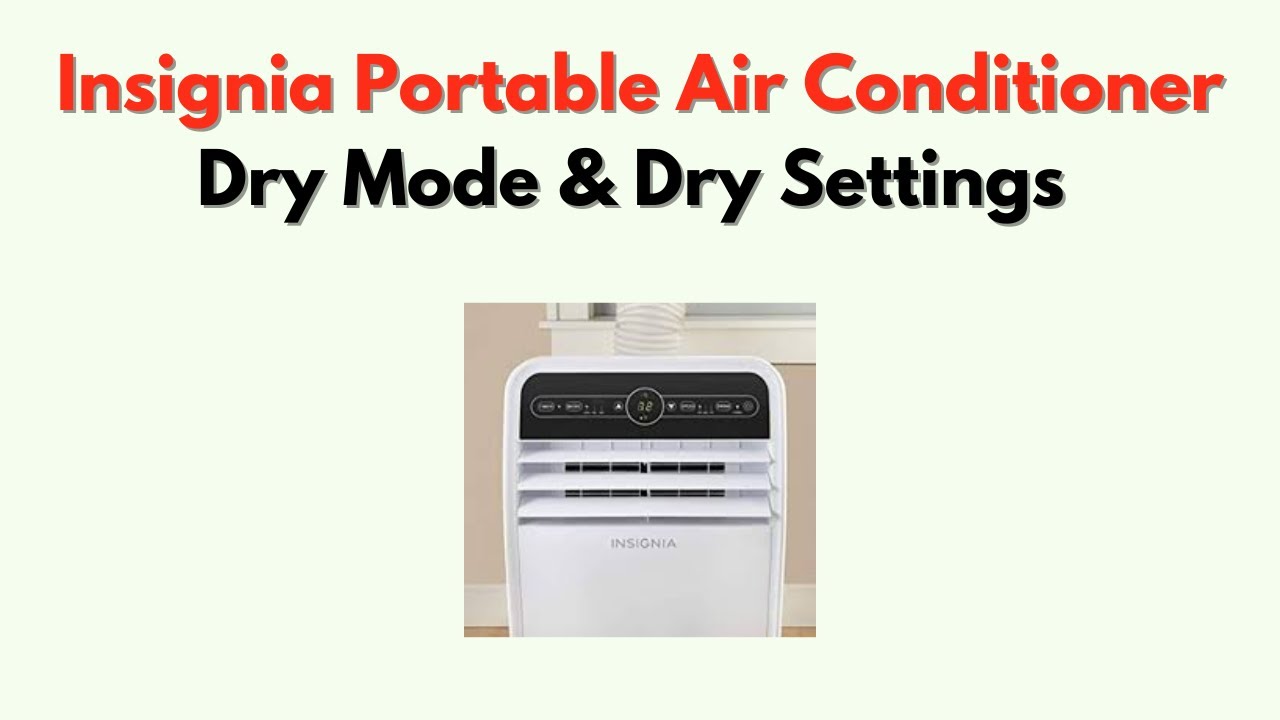
Credit: www.youtube.com
Frequently Asked Questions
What Is The Function Of Dry Mode In Ac?
Dry mode reduces humidity in the air by removing moisture. It is ideal for humid conditions, making your space more comfortable. It is not a substitute for cooling but helps maintain a pleasant environment. Use it when the air feels damp rather than hot.
How Does Dry Mode Differ From Cool Mode?
Dry mode focuses on dehumidifying the air, while cool mode lowers the room temperature. Dry mode uses less energy, making it cost-effective. It is suitable for muggy days, unlike cool mode, which is best for hot days. Both enhance comfort but serve different purposes.
Can Dry Mode Save Energy?
Yes, dry mode consumes less energy than cool mode. It doesn’t lower the temperature but removes moisture, which requires less power. This makes it an energy-efficient option, especially in humid conditions. Use dry mode to save on energy bills while maintaining comfort.
When Should I Use Dry Mode?
Use dry mode when the air feels humid but not hot. It’s perfect for rainy or muggy days. It helps reduce the stickiness without overcooling the room. This mode is ideal for maintaining a comfortable atmosphere without excessive energy use.
Conclusion
Dry mode in air conditioners helps remove extra moisture from the air. It keeps rooms comfortable without making them too cold. This mode saves energy by running the fan and compressor less often. Using dry mode can prevent mold and dampness in your home.
It works best in humid weather. Understanding this mode helps you use your AC more wisely. Try dry mode when the air feels sticky but not hot. It’s a simple way to improve indoor comfort easily.