
Have you ever noticed a setting on your air conditioner called “Dry” and wondered what it really does? You might think it’s just another way to cool your room, but it actually works differently—and knowing how to use it can make a big difference in your comfort and energy bills.
If you want to stay cool without feeling clammy or wasting power, understanding the Dry setting is key. Keep reading, and you’ll discover exactly what this mode does, when to use it, and how it can improve your indoor air quality and comfort.
Don’t miss out on these simple tips that could change the way you enjoy your AC!
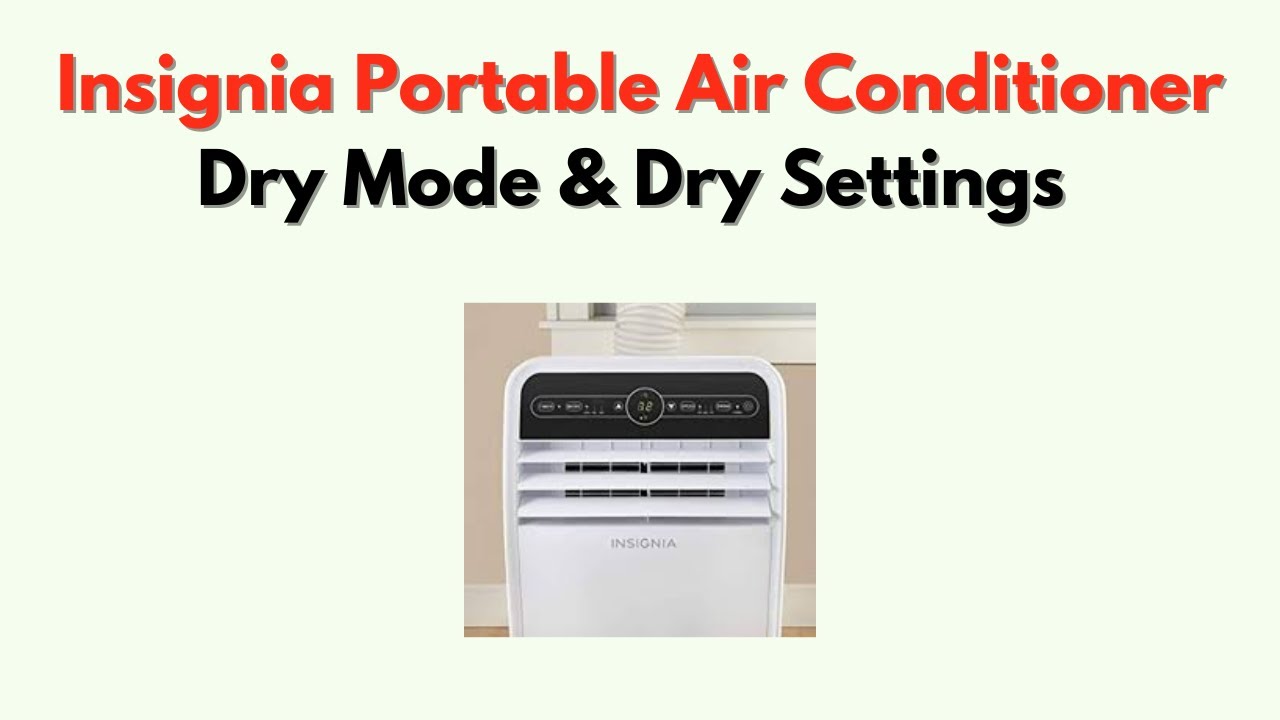
Dry Mode Function
The Dry Modeon an air conditioner helps reduce the humidity in a room. It works by removing moisture from the air, making the space feel cooler and more comfortable. This mode does not cool the air as much as the cool mode but keeps the room dry.
Using dry mode is useful during rainy seasons or in places with high humidity. It helps prevent mold and dampness. The air conditioner runs the fan and compressor at a slower speed to save energy.
- Reduces moisture without strong cooling
- Prevents dampness and mold growth
- Uses less electricity than cooling mode
- Maintains comfortable room air quality
Credit: www.youtube.com
How Dry Mode Works
The Dry Modeon an air conditioner helps to reduce the humidityin a room. It works by cooling the air slightlyto remove moisture without making the room too cold. The AC runs the fan at a low speedto keep air moving gently.
In this mode, the air conditioner collects water from the airand drains it outside. This makes the room feel more comfortableand less sticky. Dry mode is useful on rainy or humid dayswhen the air feels heavy.
- Removes moisture from the air
- Runs fan at low speed
- Prevents overcooling
- Drains collected water outside
- Makes room feel less humid
Benefits Of Using Dry Mode
Dry modeon an air conditioner helps save energy by using less power. It lowers the room’s humidity without making it very cold. This keeps the space comfortablewithout high electricity bills.
It also improves comfort by removing extra moisture in the air. This stops the room from feeling sticky or damp. The air feels fresher and more pleasant to breathe.
Lower humidity means less chance for mold and dust mites to grow. This is good for people with allergies or asthma.
| Benefit | Details |
|---|---|
| Energy Efficiency | Uses less electricity than cooling mode |
| Enhanced Comfort | Reduces stickiness by removing moisture |
| Reduced Humidity | Prevents mold and dust mite growth |

Credit: www.youtube.com
When To Use Dry Mode
Dry mode is best used during humid dayswithout much heat. It helps remove excess moisturefrom the air, making rooms feel more comfortable. This mode cools the air slightly but mainly focuses on reducing humidity.
Use dry mode when the weather is warm but not hot. It keeps the air fresh and stops the room from feeling sticky. Dry mode also saves energy compared to full cooling mode.
| Season | Recommendation |
|---|---|
| Spring | Use dry mode to control humidity during mild temperatures. |
| Summer | Use cooling mode if temperatures are very high. |
| Monsoon | Dry mode helps reduce heavy indoor moisture. |
| Autumn | Dry mode is ideal for moderate humidity. |
- Ideal indoor humidity: 30% to 50%
- Temperature range: 24°C to 28°C (75°F to 82°F)
- Air should feel dry but not cold
- Use dry mode to avoid dampness
Differences Between Cool And Dry Mode
Cool modelowers the room temperature to a set level. The air conditioner runs continuously until it reaches the temperature. It removes some humidity but focuses mainly on cooling.
Dry modefocuses on reducing humidity without much cooling. It runs the compressor and fan at low speeds. This helps remove moisture from the air while keeping temperature steady.
| Cool Mode | Dry Mode | |
|---|---|---|
| Temperature Regulation | Actively cools to set temperature. | Maintains temperature with minor changes. |
| Humidity Control | Reduces humidity slightly while cooling. | Effectively lowers humidity without strong cooling. |
Tips For Optimal Use
The Dry Settingon an air conditioner helps reduce humidity without cooling the room too much. It works best in places with high moisture but mild heat. Adjust the setting based on your comfort level and weather.
Room size affects how well the dry mode works. In a small room, the air conditioner removes moisture faster. Large rooms may need longer use or a stronger unit. Choosing the right size unit saves energy and keeps air fresh.
| Room Size | Recommended Action |
|---|---|
| Small (under 150 sq ft) | Use dry mode for shorter periods |
| Medium (150-300 sq ft) | Use dry mode as needed, adjust fan speed |
| Large (over 300 sq ft) | Consider a stronger unit or longer run time |
Common Misconceptions
Many people think the dry setting cools the room like normal air conditioning. It actually works differently. The dry setting mainly removes moisturefrom the air, making the room less humid. It does not lower the temperature much. Some believe it saves a lot of energy, but it still uses power to run the fan and compressor.
Others assume the dry mode is the best choice on hot days. It works better when the air feels sticky or damp, not very hot. Using dry mode in a very hot room may not make you feel cooler.
- The dry setting helps reduce humidity.
- It does not cool the air much.
- It uses some energy, but less than cooling mode.
- Better for less hot, humid days.
- Not ideal for very hot weather.

Credit: northnjhvac.com
User Experiences
Many users find the Dry Settinghelpful in reducing indoor humidity. It makes the room feel cooler without strong cold air. This mode is great for rainy daysor places with high moisture.
Some users say it uses less energycompared to the cooling mode. It helps save electricity bills. Others notice it prevents moldand keeps the air fresh.
| Case Study | Experience | Result |
|---|---|---|
| Home in Humid Area | Used Dry Setting daily | Reduced damp smell and improved comfort |
| Office Space | Switched to Dry Mode in rainy season | Lower energy bills and less sticky air |
| Apartment | Dry Setting used at night | Better sleep with less moisture |
Frequently Asked Questions
What Does Dry Setting Mean On An Air Conditioner?
Dry Setting removes excess humidity from the air without cooling it much. It helps maintain comfortable indoor moisture levels. This mode is ideal for damp or rainy days when you want less humidity.
How Is Dry Setting Different From Cool Mode?
Dry Setting focuses on dehumidification, while Cool Mode lowers the room temperature. Dry mode uses less energy and runs the compressor intermittently. Cool Mode continuously cools and reduces humidity as a secondary effect.
When Should I Use Dry Setting On My Ac?
Use Dry Setting during humid or rainy weather when you want to reduce moisture. It prevents mold growth and improves comfort without overcooling. Avoid Dry mode in very hot conditions as it won’t lower temperature significantly.
Does Dry Setting Save Energy Compared To Cool Mode?
Yes, Dry Setting generally consumes less energy than Cool Mode. It runs the compressor less often, focusing on removing moisture. This makes it an energy-efficient option for maintaining comfortable humidity levels.
Conclusion
Dry setting on an air conditioner helps remove extra moisture from the air. It keeps rooms less humid without making them too cold. This mode is useful in rainy or damp weather. It saves energy by running the fan more than the cooling system.
Using dry mode can make your home feel more comfortable. Try this setting to improve indoor air quality. It works well alongside regular cooling modes. Understanding dry setting helps you use your AC better.