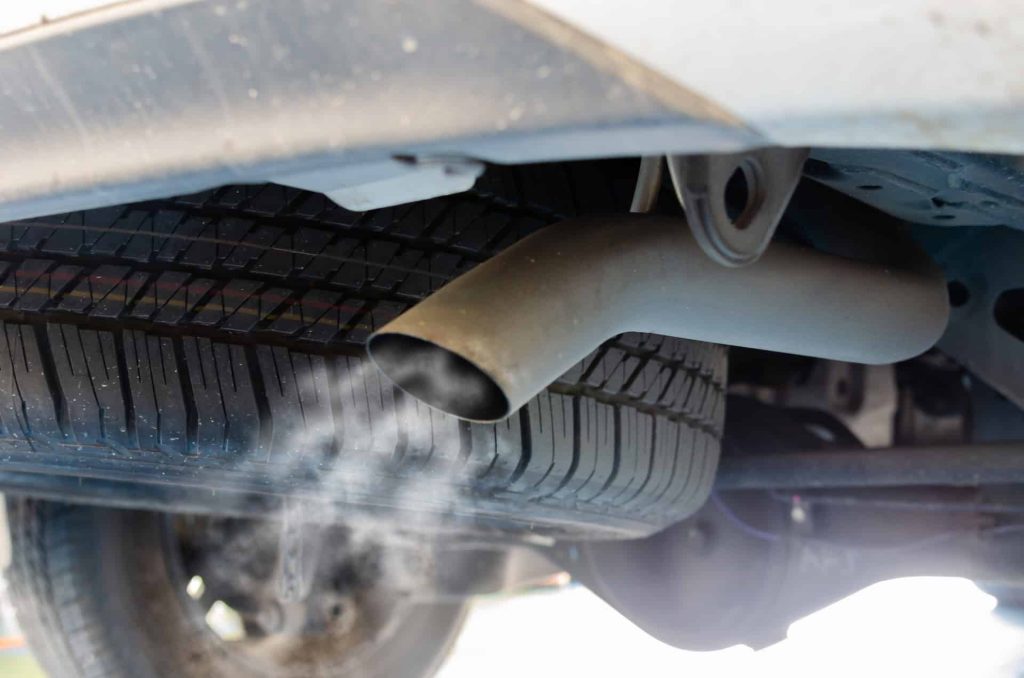
Have you ever wondered what happens to the gases your car produces after you press the accelerator? The answer lies in a crucial part of your vehicle called the exhaust system.
Understanding what an exhaust system is and how it works can help you keep your car running smoothly, save money on repairs, and even protect the environment. You’ll discover exactly what the exhaust system does, why it matters to your car’s performance, and how it affects your everyday driving experience.
Keep reading to unlock the secrets behind this often overlooked but essential component of your car.

Credit: kauaiautorepair.com
Exhaust System Basics
The exhaust system is a key part of a car. It helps remove gases made by the engine.
This system keeps the car running clean and quiet. It also helps the engine work well.
Main Components
The exhaust system has many parts. Each part has a special job to do.
- Exhaust Manifold:Collects gases from the engine cylinders.
- Catalytic Converter:Turns harmful gases into less harmful ones.
- Oxygen Sensors:Check gas levels to help the engine run well.
- Muffler:Reduces noise from the exhaust gases.
- Tailpipe:Sends the gases out of the car.
How It Works
The engine burns fuel and air. This makes hot gases that must leave the car.
The exhaust system moves these gases safely away. It also cleans and quiets them.
- Gases leave the engine through the exhaust manifold.
- The catalytic converter changes bad gases into safer ones.
- Oxygen sensors help the engine adjust fuel use.
- The muffler lowers the noise of the gases.
- The tailpipe releases gases into the air.
Types Of Exhaust Systems
The exhaust system in a car helps remove gases from the engine. It also reduces noise and controls emissions.
There are different types of exhaust systems. Each type has unique features and benefits.
Single Exhaust
A single exhaust system has one pipe to release gases. It is common in many cars. It is simple and less costly to make and repair.
This system works well for normal driving and saves fuel. It also takes less space under the car.
Dual Exhaust
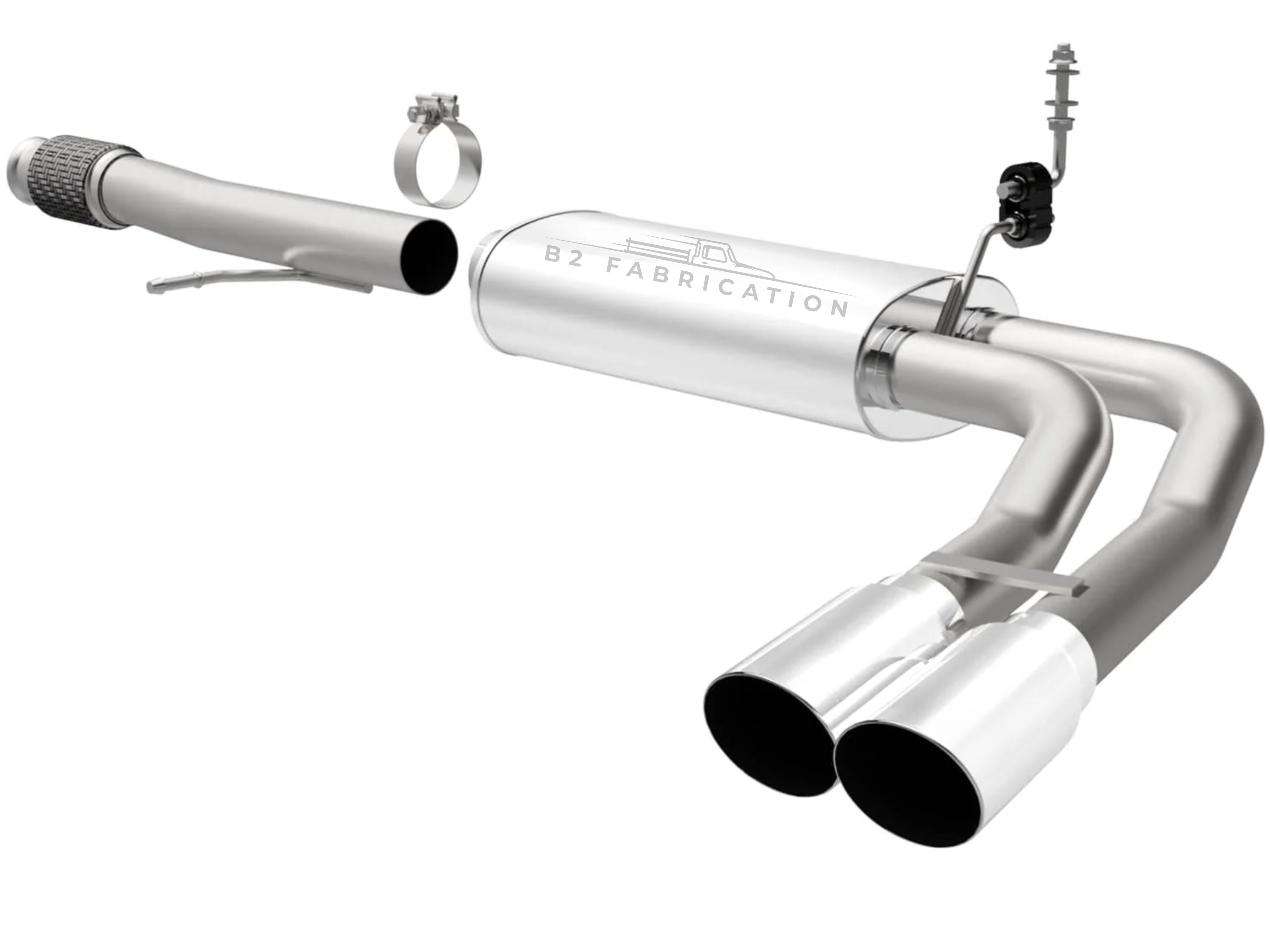
Dual exhaust systems use two pipes to release gases. This helps the engine breathe better and can improve power.
- Improves engine performance
- Reduces back pressure
- Gives the car a sportier sound
- More expensive than single exhaust
Performance Exhaust
Performance exhaust systems are designed for better power and sound. They use larger pipes and special materials.
| Feature | Benefit |
| Larger pipes | Improves gas flow |
| High-quality materials | Lasts longer and resists rust |
| Free-flow design | Boosts engine power |
| Sporty sound | Enhances car’s noise |
Functions Of The Exhaust System
The exhaust system in a car helps remove gases produced during engine operation. It controls harmful emissions, reduces noise, and supports engine efficiency.
Understanding these functions shows how the exhaust system keeps your car safe and running well.
Emission Control
The exhaust system reduces harmful gases released into the air. It uses parts like the catalytic converter to change dangerous gases into less harmful ones.
- Converts carbon monoxide into carbon dioxide
- Reduces nitrogen oxides to nitrogen and oxygen
- Breaks down unburned fuel into water and carbon dioxide
Noise Reduction
The exhaust system lowers engine noise by using a muffler. The muffler has chambers and tubes that reduce sound waves from the engine.
| Part | Function |
| Muffler | Reduces engine noise |
| Resonator | Improves sound quality |
| Exhaust pipe | Channels gases away quietly |
Engine Performance
The exhaust system helps the engine run smoothly. It removes gases quickly so the engine can breathe better.
Key benefits for engine performance include:
- Improved fuel efficiency
- Better power output
- Lower engine temperature
Signs Of Exhaust System Problems
The exhaust system helps remove gases from the engine. It keeps the car safe and running well.
When the exhaust system has problems, your car shows signs. Watch for these signs to fix issues early.
Unusual Noises
Loud or strange sounds can mean a problem in the exhaust system. You might hear:
- A hissing sound from a leak
- A loud rumbling noise when accelerating
- Knocking or banging sounds
Decreased Fuel Efficiency
A broken exhaust system can lower fuel economy. Your car uses more fuel to run.
| Cause | Effect on Fuel Efficiency |
|---|---|
| Clogged catalytic converter | Increases fuel consumption |
| Exhaust leaks | Engine runs inefficiently |
| Faulty oxygen sensors | Poor fuel-air mix |
Visible Damage
Look under your car for rust, cracks, or holes in the exhaust parts. These show damage.
- Rust spots on pipes or muffler
- Broken hangers or loose parts
- Black soot around joints or holes
Maintenance Tips
The exhaust system in a car helps remove harmful gases safely. Keeping it in good shape improves engine performance and lowers pollution.
Regular care of the exhaust system can prevent costly repairs and keep your car running smoothly.
Regular Inspections
Check the exhaust system often for leaks, rust, and damage. Look under the car and listen for unusual noises. These signs show problems early.
Cleaning And Repairs
Keep the exhaust clean from dirt and debris. Use a soft brush or cloth for cleaning parts you can reach. Fix small cracks or holes before they get worse.
- Remove rust with a wire brush
- Tighten loose clamps and bolts
- Replace damaged gaskets
- Use exhaust sealant for small holes
When To Replace Parts
Some parts wear out and need changing. Replace parts if you see these signs to avoid bigger issues.
| Part | Signs to Replace |
| Muffler | Loud noise, rust holes |
| Exhaust Pipe | Cracks, holes, or heavy rust |
| Catalytic Converter | Poor engine performance, check engine light |
| Oxygen Sensors | Low fuel efficiency, engine misfire |

Credit: www.whocanfixmycar.com
Upgrading Your Exhaust System
The exhaust system in a car moves gases from the engine out of the vehicle. Upgrading this system can improve your car’s performance and sound. Many car owners choose to upgrade to get better fuel efficiency and a stronger engine sound.
Upgrading an exhaust system involves replacing parts like the muffler, pipes, or catalytic converter. This can make your car run smoother and look better under the hood.
Benefits Of Upgrades
Upgraded exhaust systems help your car breathe better. This means the engine can release gases faster. Faster gas flow can lead to more power and better fuel use.
Another benefit is the improved sound. A new exhaust system can give your car a deeper, louder noise. Many people like this because it makes their car feel more powerful.
- Increases engine power
- Improves fuel efficiency
- Enhances engine sound
- Reduces exhaust weight
- Can improve car’s look
Popular Modifications
Many car owners change parts of the exhaust system to improve performance. Common upgrades include high-flow mufflers and larger pipes. These parts help exhaust gases exit the engine faster.
Another popular change is a cat-back exhaust system. This replaces the pipe from the catalytic converter back to the muffler. It is easier to install and offers good performance gains.
- High-flow mufflers
- Larger diameter pipes
- Cat-back exhaust systems
- Headers for better gas flow
- Performance catalytic converters
Credit: www.b2fabrication.com
Frequently Asked Questions
What Is The Main Function Of A Car Exhaust System?
The exhaust system removes harmful gases from the engine. It directs fumes away, reduces noise, and controls emissions. This helps the car run efficiently and meet environmental standards.
How Does An Exhaust System Improve Car Performance?
A well-designed exhaust system improves engine efficiency by reducing back pressure. It enhances fuel economy and increases power output. Proper exhaust flow ensures smoother engine operation and better acceleration.
What Are Common Parts Of A Car’s Exhaust System?
Key parts include the exhaust manifold, catalytic converter, muffler, and tailpipe. Each part helps control emissions, reduce noise, and safely expel exhaust gases from the vehicle.
Why Is The Catalytic Converter Important In Exhaust Systems?
The catalytic converter reduces harmful pollutants in exhaust gases. It converts toxic gases into less harmful substances before release. This is crucial for meeting emission regulations and protecting the environment.
Conclusion
A car’s exhaust system keeps the engine running smoothly. It removes harmful gases and lowers noise. This system also helps save fuel and protect the environment. Regular checks can prevent costly repairs later. Knowing how it works helps you care for your car better.
Keep your exhaust system clean and intact. Your car will run safer and last longer. Simple steps make a big difference in performance. Understanding this part keeps driving safe and easy.