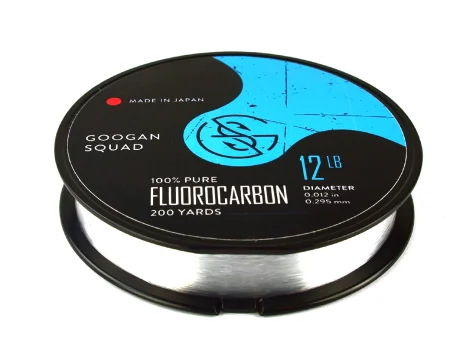
Have you ever wondered what makes your fishing line strong enough to reel in that big catch? Understanding what fishing line is made of can change the way you fish and improve your success on the water.
Whether you’re a beginner or a seasoned angler, knowing the materials behind your line helps you choose the best one for your needs. Keep reading, and you’ll discover the secrets behind fishing lines that could make your next fishing trip your best one yet.
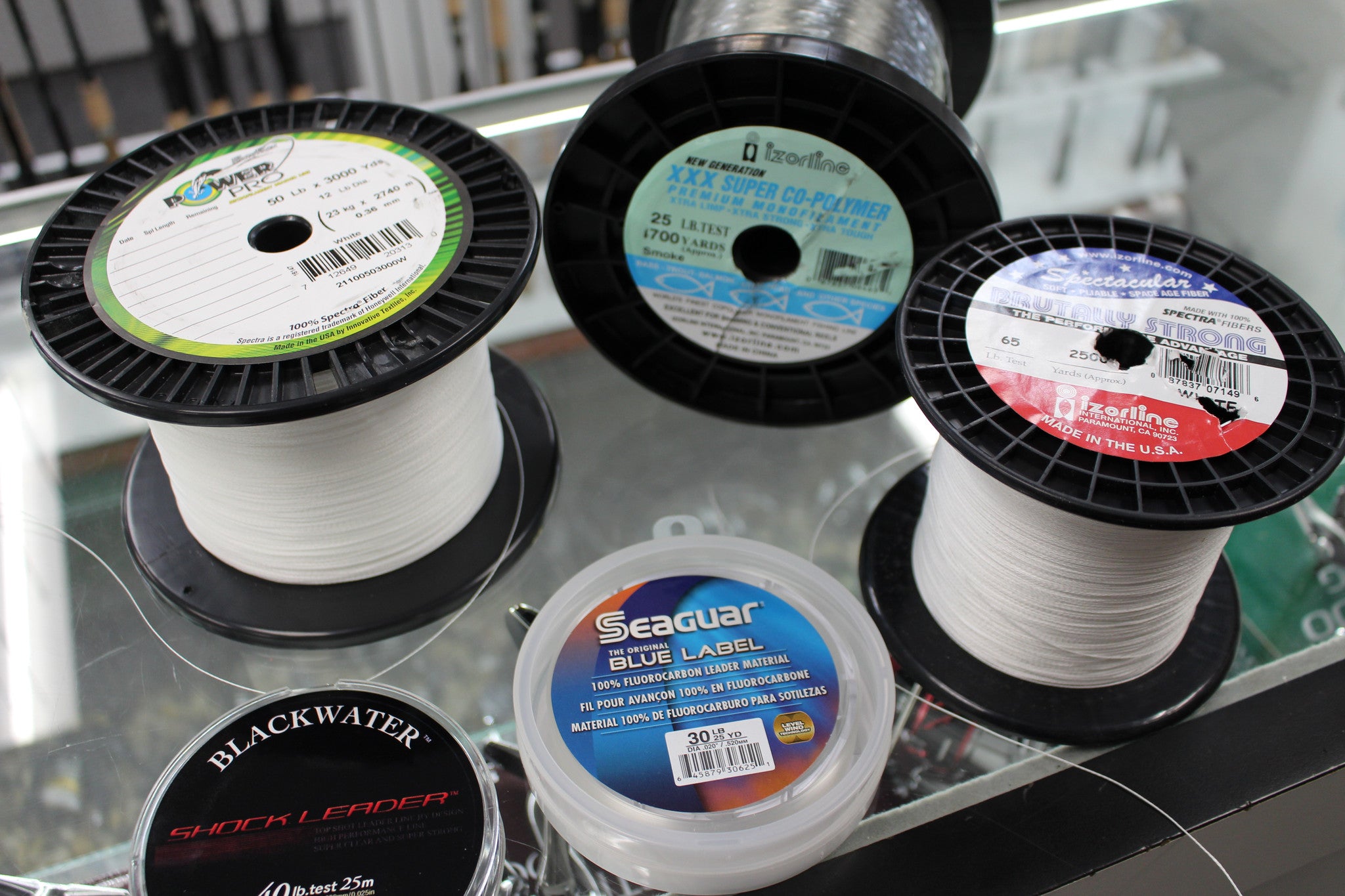
Credit: tackleexpress.com
Types Of Fishing Lines
Fishing lines are made from different materials. These materials affect how strong, stretchy, and visible the line is.
There are three common types of fishing lines used by anglers. Each type has unique features and uses.
Monofilament Lines
Monofilament lines are made from a single strand of nylon. They are flexible and easy to handle.
These lines stretch under pressure, which helps prevent the line from breaking. They are also affordable and come in many colors.
Braided Lines
Braided lines consist of several strands of strong fibers woven together. They are very strong and have little stretch.
These lines are thin but can hold heavy weights. They are visible in water, so anglers often use a leader line with them.
Fluorocarbon Lines
Fluorocarbon lines are made from a special plastic that sinks in water. They are less visible underwater than other lines.
These lines are strong and resistant to damage from sunlight and water. They are often used as leader lines or main lines.
Monofilament Material
Monofilament fishing line is a popular choice for anglers. It is made from a single strand of nylon.
This type of line is known for its versatility and ease of use. Let’s explore its composition, strength, and common uses.
Composition And Features
Monofilament is made of nylon, a strong synthetic material. It is produced by melting and extruding the nylon into a single, continuous strand.
This line is smooth, flexible, and available in various diameters. It is also often transparent or can be dyed in different colors.
- Smooth surface reduces water resistance
- Available in clear or colored options
- Variety of diameters for different fishing needs
Strength And Stretch
Monofilament line is strong and durable. It can handle significant weight, making it suitable for various fishing conditions.
This line has some stretch, which can be beneficial. The stretch helps absorb shocks and prevents the line from breaking when a fish pulls hard.
- High tensile strength
- Stretchable to absorb shocks
- Good knot strength
Common Uses
Monofilament is used in many fishing scenarios. It is suitable for beginners and experienced anglers alike.
It is often used in freshwater and saltwater fishing. The versatility makes it a favorite for many types of fishing techniques.
- Ideal for freshwater fishing
- Used in saltwater environments
- Great for various fishing techniques
Braided Material
Braided fishing lines use many small fibers woven together. These lines are strong and thin.
They are popular for many types of fishing because they offer good control and durability.
Fiber Types Used
Most braided lines use synthetic fibers. These fibers provide strength and flexibility.
- Dyneema: Known for its high strength and low stretch.
- Spectra: Offers excellent durability and sensitivity.
- Polyethylene: Lightweight and resistant to water damage.
Durability And Sensitivity
Braided lines resist abrasion well and last longer than other lines. Their thin diameter helps feel even small bites.
| Feature | Description |
| Durability | High resistance to wear and tear |
| Sensitivity | Very low stretch for better bite detection |
| Diameter | Thinner than monofilament of same strength |
Advantages In Fishing
Using braided lines gives anglers several benefits that improve fishing experience.
- Stronger than other lines of the same diameter.
- Better sensitivity helps detect fish faster.
- Less stretch means better hook sets.
- Thin diameter allows longer casting distance.
- Good for heavy cover and deep water fishing.

Credit: mysterytacklebox.com
Fluorocarbon Material
Fluorocarbon is a popular material used in fishing lines. It is made from a type of plastic called polyvinylidene fluoride.
This material is strong and lasts long. Many anglers choose fluorocarbon for its special qualities.
Chemical Properties
Fluorocarbon has a unique chemical structure. It contains carbon and fluorine atoms bonded tightly.
This bond makes fluorocarbon very stable. It does not react easily with water or sunlight.
Invisible Underwater
Fluorocarbon has a refractive index close to water. This means it blends well in water.
Fish find it hard to see the line. This helps anglers catch more fish without scaring them.
Resistance To Abrasion
Fluorocarbon is tough against rough surfaces. It resists damage from rocks and fish teeth.
This quality makes it perfect for fishing in tough environments. It lasts longer than some other lines.
Specialty Fishing Lines
Specialty fishing lines are designed for specific fishing needs. They offer unique features that standard lines do not have.
These lines use advanced materials to improve strength, flexibility, and sensitivity.
Copolymer Lines
Copolymer lines are made by combining two or more types of polymers. This mix creates a line with better strength and abrasion resistance.
They often feel smoother and cast farther than standard monofilament lines.
Wire Lines
Wire fishing lines are made from thin metal strands twisted together. They are very strong and hard to break.
- Resist sharp teeth of big fish
- Good for deep-sea fishing
- Less stretch, providing better control
- Can be visible underwater
Hybrid Materials
Hybrid fishing lines combine different materials to get the best qualities of each. They balance strength, flexibility, and invisibility.
| Material | Benefit |
| Fluorocarbon | Low visibility underwater |
| Copolymer | Good abrasion resistance |
| Wire Core | High strength and durability |
Material Impact On Performance
Fishing lines come in different materials that affect how they perform. Knowing these materials helps anglers choose the best line for their needs.
The main materials include nylon, fluorocarbon, and braided fibers. Each type changes how the line casts, holds knots, and reacts to water.
Casting Distance
Material affects how far you can cast your line. Some materials slide through the rod guides better and offer less stretch.
- Nylon:Flexible but can cause more friction, limiting casting distance.
- Fluorocarbon:Smoother surface helps improve casting range.
- Braided line:Thin and strong, it casts the farthest among common materials.
Knot Strength
Knot strength depends on material stretch and surface texture. Strong knots reduce line breaks during fishing.
| Material | Knot Strength | Notes |
|---|---|---|
| Nylon | Good | Stretches, which helps knots hold well |
| Fluorocarbon | Moderate | Stiff, knots can slip if not tied properly |
| Braided | High | Very strong but knots need special tying techniques |
Water Absorption
Water absorption affects line weight and sensitivity. Some materials absorb water and get heavier.
Comparison of water absorption by material:
- Nylon:Absorbs water, becomes heavier and weaker over time.
- Fluorocarbon:Absorbs very little water, stays strong and sensitive.
- Braided line:Does not absorb water, maintains performance in wet conditions.
Choosing The Right Material
Fishing line comes in different materials. Choosing the right one helps you catch fish better.
Each type of fishing line works well in certain conditions. Think about where and what you will fish for.
Fishing Environment
The water type and conditions affect which fishing line you should use. Saltwater and freshwater require different lines.
- Monofilament works well in freshwater.
- Fluorocarbon is good for clear water and low visibility.
- Braid is strong and resists abrasion in rocky or heavy cover areas.
Target Species
Different fish need different line strengths and types. Choose line based on the size and behavior of the fish.
| Fish Type | Suggested Line Material | Recommended Strength |
| Small Panfish | Monofilament | 4-8 lb |
| Bass | Braid or Fluorocarbon | 10-20 lb |
| Saltwater Species | Braid or Fluorocarbon | 20-50 lb |
| Trout | Fluorocarbon | 4-8 lb |
Budget Considerations
Fishing lines vary in price. Think about how much you want to spend and what you need from the line.
Here are common materials with their price and durability:
- Monofilament:Low cost, good for beginners, less durable.
- Fluorocarbon:Moderate cost, less visible, more durable.
- Braid:Higher cost, very strong, lasts long.

Credit: kordatackle.com
Frequently Asked Questions
What Materials Are Fishing Lines Typically Made Of?
Fishing lines are mainly made from nylon, fluorocarbon, or braided fibers. Nylon is flexible and affordable. Fluorocarbon is nearly invisible underwater. Braided lines offer high strength and low stretch. Each material suits different fishing needs and conditions for optimal performance.
How Does Nylon Fishing Line Differ From Fluorocarbon?
Nylon lines are softer and more stretchable, ideal for beginners. Fluorocarbon is tougher, less visible, and more abrasion-resistant. Fluorocarbon sinks faster, making it better for deep-water fishing. Both materials have unique strengths depending on fishing style and environment.
Why Choose Braided Fishing Line Over Others?
Braided lines are extremely strong and have minimal stretch. They offer better sensitivity, allowing anglers to detect bites easily. Braided lines are thinner for the same strength, helping in long-distance casting. They are durable and ideal for heavy cover or big fish.
Is Fluorocarbon Fishing Line Invisible Underwater?
Yes, fluorocarbon refracts light like water, making it nearly invisible. This helps avoid spooking fish in clear water. It also resists UV damage and abrasion well. Its invisibility makes fluorocarbon a popular choice for finesse fishing techniques.
Conclusion
Fishing lines come in different materials, each with a special use. Nylon, fluorocarbon, and braided lines serve different fishing needs. Choosing the right line helps catch fish better and enjoy fishing more. Knowing what fishing line is made of makes your choice easier.
Keep this in mind next time you buy fishing gear. Fish smarter, not harder.