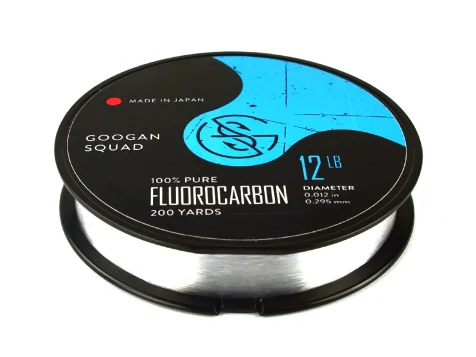
Have you ever stopped to wonder what your fishing line is really made of? Knowing this can change the way you fish and improve your catch.
The materials used in fishing lines affect their strength, flexibility, and even how invisible they are in the water. If you want to choose the right line for your next trip or simply understand more about your gear, this article is for you.
Keep reading to uncover the secrets behind fishing lines and how they can make a difference in your fishing experience.
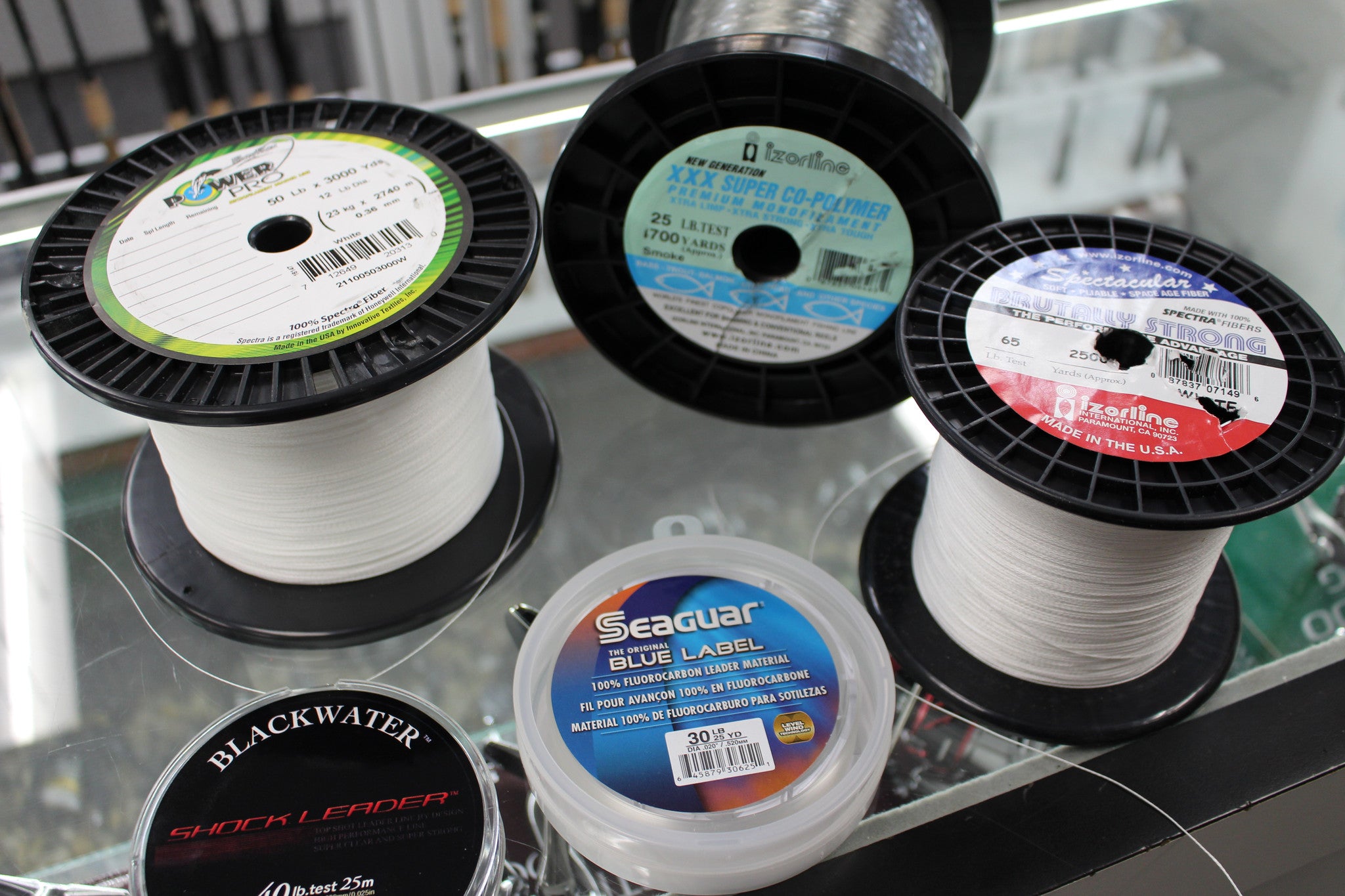
Credit: tackleexpress.com
Types Of Fishing Lines
Fishing lines come in different materials. Each type has unique features and uses. Choosing the right line helps catch more fish.
Here are the common types of fishing lines used by anglers around the world.
Monofilament Lines
Monofilament lines are made from a single strand of nylon. They are flexible and easy to handle. These lines float well and stretch under pressure.
They are good for beginners and work well in many fishing situations.
Braided Lines
Braided lines are made by weaving several fibers together. This makes them very strong and thin. They do not stretch much, giving better sensitivity.
- High strength for its diameter
- Does not stretch
- Good for deep water fishing
- More visible in water
- Lasts longer than monofilament
Fluorocarbon Lines
Fluorocarbon lines are made from a special plastic that sinks in water. They are less visible underwater, making them good for clear water fishing.
| Feature | Fluorocarbon Lines |
|---|---|
| Visibility | Low, almost invisible |
| Water Absorption | Very low |
| Durability | High resistance to abrasion |
| Stretch | Less stretch than monofilament |
| Sink Rate | Sinks faster than other lines |

Credit: kordatackle.com
Monofilament Material Composition
Fishing line made of monofilament is a popular choice for many anglers. It is made from a single strand of material.
This type of line is known for its strength and flexibility. The main material used is nylon, with some additives and coatings.
Nylon And Its Variants
Nylon is the basic material for most monofilament fishing lines. It is strong and stretches well under tension.
There are different types of nylon used to improve line performance. Some variants resist water absorption better or have more strength.
- Standard nylon: strong and flexible
- Copolymer nylon: mixes different nylons for better toughness
- Fluorocarbon blends: added for invisibility in water
Additives And Coatings
Additives are chemicals added to the nylon to improve fishing line features. They can make the line more durable or smoother.
Coatings cover the surface of the line. They reduce friction and protect the line from sun and water damage.
- UV inhibitors to prevent sun damage
- Plasticizers for flexibility
- Slick coatings to reduce friction
- Color additives for visibility or camouflage
Braided Line Fibers
Fishing lines made from braided fibers are strong and thin. They use many small fibers twisted tightly together.
These lines offer good strength with less stretch. They help anglers feel bites better and cast farther.
Spectra
Spectra is a type of fiber used in braided fishing lines. It is made from ultra-high-molecular-weight polyethylene.
This fiber is very strong and light. It resists water and does not stretch much during use.
Dyneema
Dyneema is another strong fiber for braided lines. It is also made from ultra-high-molecular-weight polyethylene.
Dyneema fibers offer high strength and durability. They are resistant to cuts and abrasion in water.
Weaving Techniques
Weaving braids uses many fibers twisted in special patterns. This creates a strong and smooth fishing line.
- Double braid: two sets of fibers woven for extra strength
- Quad braid: four fibers woven for more smoothness and durability
- Flat braid: fibers woven flat to reduce water resistance
Fluorocarbon Properties
Fluorocarbon fishing line is made from a special plastic called polyvinylidene fluoride, or PVDF. This material gives the line unique features that help anglers catch fish more easily.
Its properties make it popular for clear water fishing and situations where strength and invisibility matter. Let’s look at why PVDF is a good choice for fishing lines.
Polyvinylidene Fluoride (pvdf)
PVDF is a type of fluoropolymer known for its toughness and resistance to chemicals. It is a dense material, making fluorocarbon lines nearly invisible underwater. This helps fish not see the line, improving the chances of a catch.
PVDF also resists UV rays and abrasion. This means the line lasts longer and handles rough surfaces better than other materials.
Advantages In Fishing
- High abrasion resistance protects the line from sharp rocks and debris.
- Low stretch improves sensitivity to fish bites.
- Invisible underwater due to its refractive index matching water closely.
- Strong and durable, with good knot strength.
- Resistant to sunlight and chemicals, increasing lifespan.
| Property | Benefit for Fishing |
| Density | Sinks faster, stays near the bottom |
| UV Resistance | Lasts longer in sunlight |
| Abrasion Resistance | Handles rough surfaces without breaking |
| Low Visibility | Harder for fish to see the line |
| Low Stretch | Better bite detection and hook setting |
Specialty Lines And Innovations
Fishing lines have evolved beyond traditional materials. New specialty lines offer unique features to improve fishing experience.
Innovations focus on durability, strength, and environmental impact. Two important types are copolymer lines and biodegradable materials.
Copolymer Lines
Copolymer lines are made by combining two or more polymers. This process creates lines with balanced strength and flexibility.
- They are thinner and stronger than monofilament lines.
- They resist water absorption better, keeping line performance stable.
- Copolymer lines have less stretch, allowing better hook sets.
- They offer good abrasion resistance for rough conditions.
Biodegradable Materials
Biodegradable fishing lines reduce pollution in water bodies. They break down naturally after use, helping protect aquatic life.
| Material | Breakdown Time | Benefit |
| Polylactic Acid (PLA) | 6 months to 2 years | Made from plant starch, compostable |
| Polyhydroxyalkanoates (PHA) | Few months | Produced by bacteria, marine safe |
| Natural Fibers | Weeks to months | Biodegrades quickly, less strength |

Credit: mysterytacklebox.com
Choosing The Right Material
Fishing lines come in different materials. Each type has its strengths and weaknesses.
Choosing the right material helps you catch more fish and enjoy fishing more.
Strength And Durability
Strong fishing lines hold up better against fish and rough water. Durable lines last longer and resist damage.
Nylon lines stretch well and are tough. Fluorocarbon lines resist sunlight and water better. Braided lines have very high strength and little stretch.
- Nylon: Good stretch and strength
- Fluorocarbon: Strong, invisible, and durable
- Braided: Very strong, low stretch
Visibility And Water Conditions
Some fishing lines are easier for fish to see. Others are almost invisible in water. Choose based on water clarity and fish type.
Clear water needs low-visibility lines like fluorocarbon. Murky water lets you use brighter or braided lines that are easier to see.
- Fluorocarbon: Hard to see in clear water
- Nylon: Visible, good for stained water
- Braided: Bright colors, best for deep or dark water
Cost Considerations
Fishing lines vary in price. Cheaper lines work for casual fishing. Expensive lines offer better quality and durability.
Think about how often you fish and your budget before picking a line.
- Nylon: Affordable and common
- Fluorocarbon: Mid-range price, good value
- Braided: Higher cost, lasts longer
Frequently Asked Questions
What Materials Are Used To Make Fishing Lines?
Fishing lines are commonly made from nylon, fluorocarbon, and braided fibers. Nylon offers flexibility and strength. Fluorocarbon is nearly invisible underwater and abrasion-resistant. Braided lines use woven fibers for high strength and low stretch. Each material suits different fishing conditions and techniques.
How Does Nylon Fishing Line Differ From Fluorocarbon?
Nylon fishing line is more elastic and affordable. It floats well and is ideal for beginners. Fluorocarbon is denser, sinks faster, and is nearly invisible underwater. It resists abrasion better, making it suitable for clear water and rocky environments.
Why Choose Braided Fishing Line Over Others?
Braided fishing line is extremely strong and thin. It has low stretch, providing better sensitivity. This line is perfect for heavy cover and deep water fishing. However, it is more visible underwater and can be harder to handle for beginners.
Are Fishing Lines Biodegradable Or Eco-friendly?
Most traditional fishing lines are made from synthetic materials and are not biodegradable. However, eco-friendly alternatives made from biodegradable polymers are emerging. These help reduce environmental impact but may have different durability and performance characteristics.
Conclusion
Fishing line comes in different materials, each with its own use. Nylon, fluorocarbon, and braided lines offer strength and flexibility. Choosing the right line helps catch fish more easily. Understanding what fishing line is made of improves your fishing experience.
Try different types to see what works best for you. Fishing becomes more fun and successful with the right line. Keep practicing, and enjoy every moment by the water.