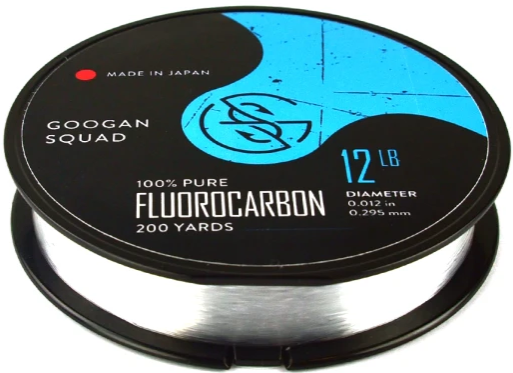
Are you looking to improve your fishing experience and catch more fish? Understanding what fluorocarbon fishing line is can make a big difference.
This type of line offers unique benefits that can boost your success on the water. Whether you’re a beginner or an experienced angler, knowing how fluorocarbon works and why it’s popular can help you choose the right gear. Keep reading to discover how this fishing line can change the way you fish and give you an edge over the competition.
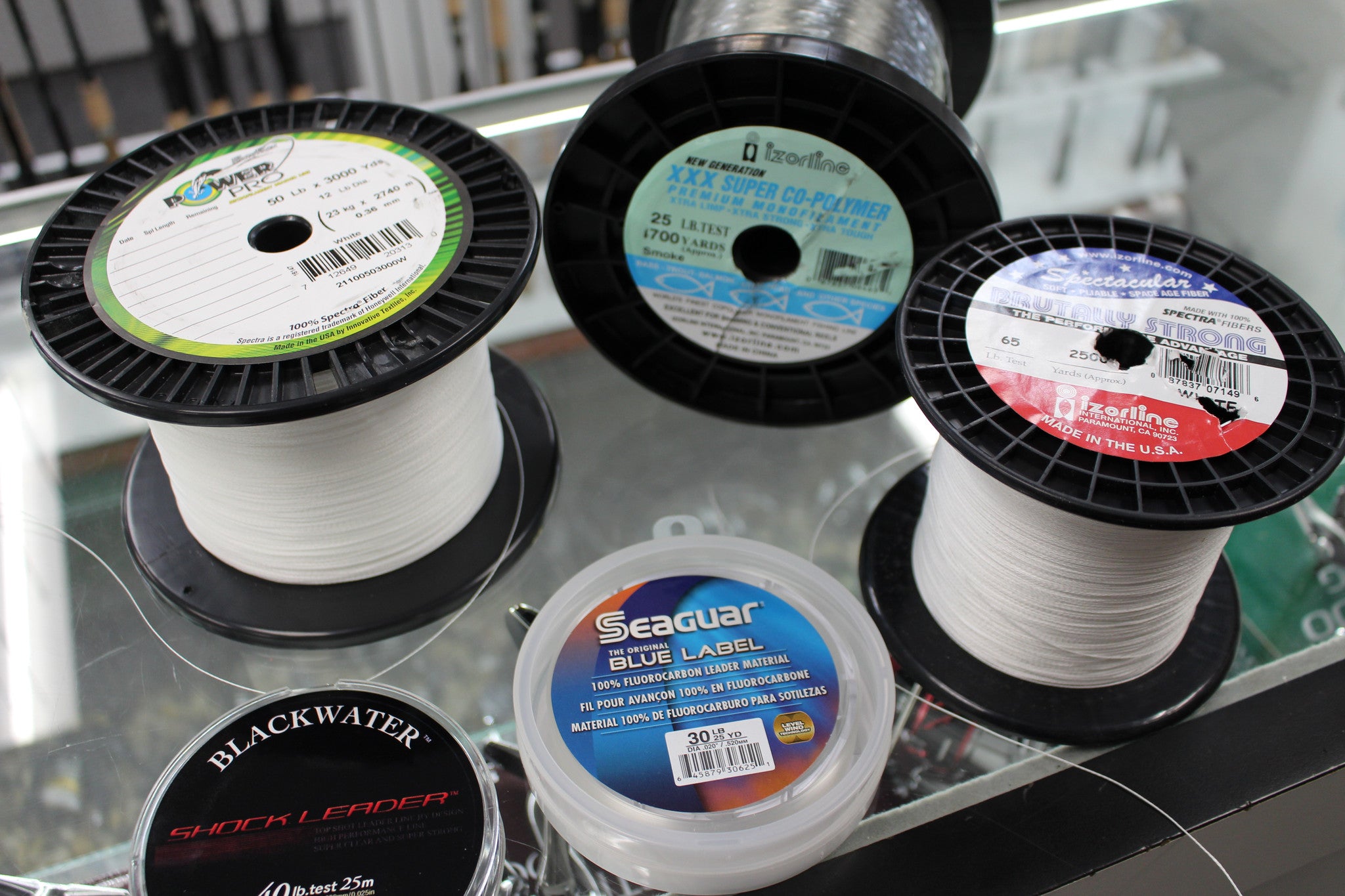
Credit: tackleexpress.com
Fluorocarbon Line Basics
Fluorocarbon fishing line is popular among anglers. It offers unique features for fishing in clear water.
This type of line is made from a special polymer that gives it strength and invisibility underwater.
Material Properties
Fluorocarbon line is made from polyvinylidene fluoride. This material makes the line dense and strong.
- It is resistant to abrasion from rocks and debris.
- The line does not absorb water, so it stays strong when wet.
- It has low stretch, which helps feel bites better.
- Fluorocarbon is nearly invisible underwater due to its refractive index.
How It Differs From Other Lines
| Feature | Fluorocarbon Line | Monofilament Line | Braid Line |
| Visibility Underwater | Very low | Moderate | High |
| Stretch | Low | High | Very low |
| Abrasion Resistance | High | Moderate | Low |
| Water Absorption | None | Yes | None |
| Cost | Higher | Lower | Moderate |

Credit: www.amazon.com
Advantages For Anglers
Fluorocarbon fishing line offers many benefits for anglers. It is a popular choice for many types of fishing.
This line helps improve fishing by being strong, tough, and less visible underwater. These features help anglers catch more fish.
Invisibility Underwater
Fluorocarbon line has a refractive index close to water. This makes it almost invisible to fish when it is underwater.
Fish are less likely to see the line, so they are less scared and more likely to bite.
Abrasion Resistance
This fishing line is very resistant to cuts and nicks. It can handle rough rocks and sharp objects in the water.
Anglers can fish in tough conditions without worrying about the line breaking easily.
- Resists scratches from rocks and debris
- Durable around sharp edges
- Lasts longer during fishing trips
Sensitivity And Strength
Fluorocarbon fishing line is strong but still thin. It lets anglers feel even small bites from fish.
The line’s strength helps catch bigger fish without breaking. It gives anglers better control during fishing.
Common Uses In Fishing
Fluorocarbon fishing line is popular among anglers for its unique features. It is nearly invisible underwater and resists abrasion well.
This line suits many fishing styles and environments. Its uses range from freshwater lakes to deep saltwater fishing.
Freshwater Applications
In freshwater fishing, fluorocarbon lines are great for catching bass, trout, and other species. The low visibility helps avoid spooking fish in clear water.
- Use in clear lakes and streams
- Ideal for fishing around rocks and vegetation
- Works well with lures and live bait
- Offers better sensitivity for detecting bites
Saltwater Applications
Saltwater anglers use fluorocarbon lines because they resist salt damage and abrasion. This line is strong enough for larger fish.
| Fish Type | Common Use | Line Strength |
| Redfish | Shore and boat fishing | 10-20 lb test |
| Snook | Inshore fishing | 15-30 lb test |
| Tuna | Offshore deep sea fishing | 50-80 lb test |
| Snapper | Reef and wreck fishing | 20-40 lb test |
Tying Leaders And Tippets
Fluorocarbon is widely used for leaders and tippets in fly fishing and other methods. It provides a clear, strong connection to the hook or lure.
Benefits of fluorocarbon leaders and tippets:
- Invisible underwater for shy fish
- Resistant to wear from rocks and teeth
- Holds knots tightly without slipping
- Offers high sensitivity for bite detection
Choosing The Right Fluorocarbon Line
Fluorocarbon fishing line offers low visibility underwater and good abrasion resistance. Choosing the right line helps improve your fishing experience.
It is important to know about line diameter, length, and price before making your choice. These factors affect performance and cost.
Line Diameter And Strength
Line diameter affects strength and visibility. Thicker lines are stronger but more visible. Thinner lines are less visible but may break easier.
- Choose a diameter that matches the fish size you target.
- Check the line’s pound test rating for strength.
- Balance strength with invisibility for best results.
Length And Spool Options
Fluorocarbon lines come in different lengths and spool sizes. Pick a spool that fits your fishing reel well.
| Spool Length | Common Use | Benefits |
| 100 yards | Light fishing | Less line to handle, lighter spool |
| 300 yards | General fishing | Good balance of length and weight |
| 600+ yards | Heavy or long casting | More line for long fights and deep water |
Price Considerations
Fluorocarbon line prices vary by brand, length, and quality. More expensive lines often offer better strength and durability.
- Set a budget before buying.
- Compare price per yard for value.
- Do not buy very cheap line to avoid breakage.
Tips For Handling And Maintenance
Fluorocarbon fishing line is strong and nearly invisible underwater. Proper care helps keep it in good shape and lasts longer.
Follow simple tips to store, tie knots, and avoid damage to get the best results from your line.
Proper Storage
Store fluorocarbon line in a cool, dry place away from sunlight. Heat and UV rays can weaken the line over time.
- Keep the line on its spool or in a line holder to avoid tangles.
- Do not store near chemicals like gasoline or insect spray.
- Check the line regularly for signs of wear before storing.
Knot Techniques
Fluorocarbon is stiff and slippery, so using the right knots is important for strong connections.
| Knot | Description |
| Improved Clinch Knot | Easy to tie and holds well with fluorocarbon lines. |
| Palomar Knot | Strong and simple, ideal for hooks and lures. |
| Uni Knot | Versatile and reliable for different fishing setups. |
Avoiding Line Damage
Prevent damage by handling the line carefully and checking for rough spots or cuts before fishing.
- Avoid dragging the line over rocks or sharp edges.
- Do not pull the line too hard against the rod guides.
- Replace the line if you see nicks, cracks, or discoloration.

Credit: seaguar.com
Comparing Fluorocarbon To Other Lines
Fluorocarbon fishing line is popular among anglers. It offers unique features that differ from other lines.
This section compares fluorocarbon with monofilament and braided lines. You will see their strengths and weaknesses.
Monofilament Vs Fluorocarbon
Monofilament is a common fishing line. It is stretchy and easy to handle. Fluorocarbon is less stretchy and more durable.
- Monofilament floats on water; fluorocarbon sinks.
- Fluorocarbon is less visible underwater due to its refractive index.
- Monofilament is cheaper and easier to knot.
- Fluorocarbon resists abrasion better than monofilament.
- Monofilament absorbs water and can weaken over time.
Braided Line Vs Fluorocarbon
Braided line is strong and thin. It does not stretch much. Fluorocarbon offers better invisibility and abrasion resistance.
| Feature | Braided Line | Fluorocarbon |
| Strength | Very high | High |
| Visibility in water | High (visible) | Low (invisible) |
| Stretch | Very low | Low to medium |
| Abrasion resistance | Moderate | High |
| Cost | Moderate to high | High |
Common Myths And Facts
Fluorocarbon fishing line often causes confusion among anglers. Many myths surround its use and properties.
This article clears up common misunderstandings about fluorocarbon line. It focuses on visibility, durability, and cost.
Line Visibility Misconceptions
Some anglers believe fluorocarbon line is invisible underwater. This is only partly true. Fluorocarbon refracts light closely to water, making it less visible than nylon.
Still, it is not completely invisible. Visibility depends on water clarity and light conditions.
Durability Claims
Many people say fluorocarbon is the most durable fishing line. It is strong against abrasion and resists water absorption.
- Fluorocarbon resists damage from rocks and debris better than nylon.
- It does not stretch much, which helps with hook setting.
- It can wear out from sunlight and repeated bending.
Proper care extends its life, but it is not unbreakable.
Cost Effectiveness
| Line Type | Average Price per Yard | Expected Lifespan | Performance Benefits |
|---|---|---|---|
| Fluorocarbon | $0.10 | Medium | Low visibility, abrasion resistance |
| Nylon (Monofilament) | $0.05 | Short | Stretch, easy to handle |
| Braided | $0.08 | Long | High strength, low stretch |
Fluorocarbon costs more than nylon but less than some specialty lines. Its benefits may justify the price for certain fishing styles.
Frequently Asked Questions
What Is Fluorocarbon Fishing Line Made Of?
Fluorocarbon fishing line is made from polyvinylidene fluoride polymer. This material is dense, invisible underwater, and highly resistant to abrasion, making it ideal for fishing.
How Does Fluorocarbon Fishing Line Differ From Nylon?
Fluorocarbon is less visible underwater and more abrasion-resistant than nylon. It also sinks faster and resists UV damage better, offering improved fishing performance.
Why Choose Fluorocarbon Fishing Line For Fishing?
Anglers choose fluorocarbon for its low visibility, durability, and strength. It helps catch wary fish and withstands rough underwater structures, enhancing fishing success.
Is Fluorocarbon Fishing Line Suitable For All Fish Types?
Yes, fluorocarbon works well for various fish species. Its strength and invisibility make it versatile for freshwater and saltwater fishing conditions.
Conclusion
Fluorocarbon fishing line offers many benefits for anglers. It’s durable and nearly invisible underwater. This makes it a favorite for catching fish in clear water. The line sinks quickly, providing great lure control. Anglers appreciate its abrasion resistance, too. It withstands rough environments with ease.
Choosing the right fishing line is essential. Fluorocarbon can enhance your fishing experience. Consider its features and advantages next time you fish. It might just be the line you need. Happy fishing!