Are you tired of losing track of your fuel expenses or worried about fuel theft eating into your budget? Understanding what a Fuel Management System is could be the game-changer you need.
This system is designed to give you full control over your fuel usage, saving you money and time while boosting efficiency. Keep reading to discover how this simple solution can transform the way you manage fuel and protect your resources.
Your next smart move starts here.

Credit: www.youtube.com
Fuel Management System Basics
A fuel management system helps track and control fuel use in vehicles or machines. It saves money and reduces fuel waste.
This system gives accurate data about fuel consumption and fuel levels. It is useful for companies with many vehicles or equipment.
Core Components
A fuel management system has several important parts. Each part works together to monitor fuel.
- Fuel Sensors:Measure the amount of fuel in tanks or vehicles.
- Fuel Dispensers:Control fuel release to vehicles or machines.
- Data Logger:Records fuel use and other key information.
- Software:Processes data and creates reports for users.
- User Interface:Allows users to view and manage fuel data.
How It Works
The fuel management system tracks fuel from storage to use. It monitors fuel levels and usage in real time.
When fuel is used, sensors send data to the system. The software checks this data and alerts users if there are problems.
- Fuel is stored in tanks with sensors to measure levels.
- Fuel dispensers control how much fuel is given to each vehicle.
- Data loggers record the amount of fuel dispensed.
- The software analyzes fuel use and creates reports.
- Users access data through an easy interface to track fuel use.

Credit: blog.fleetx.io
Benefits For Fleet Operations
A Fuel Management System helps fleets track and control fuel use. It makes fleet operations more efficient and cost-effective.
By using this system, companies can save money, improve fuel use, and monitor their vehicles better.
Cost Reduction
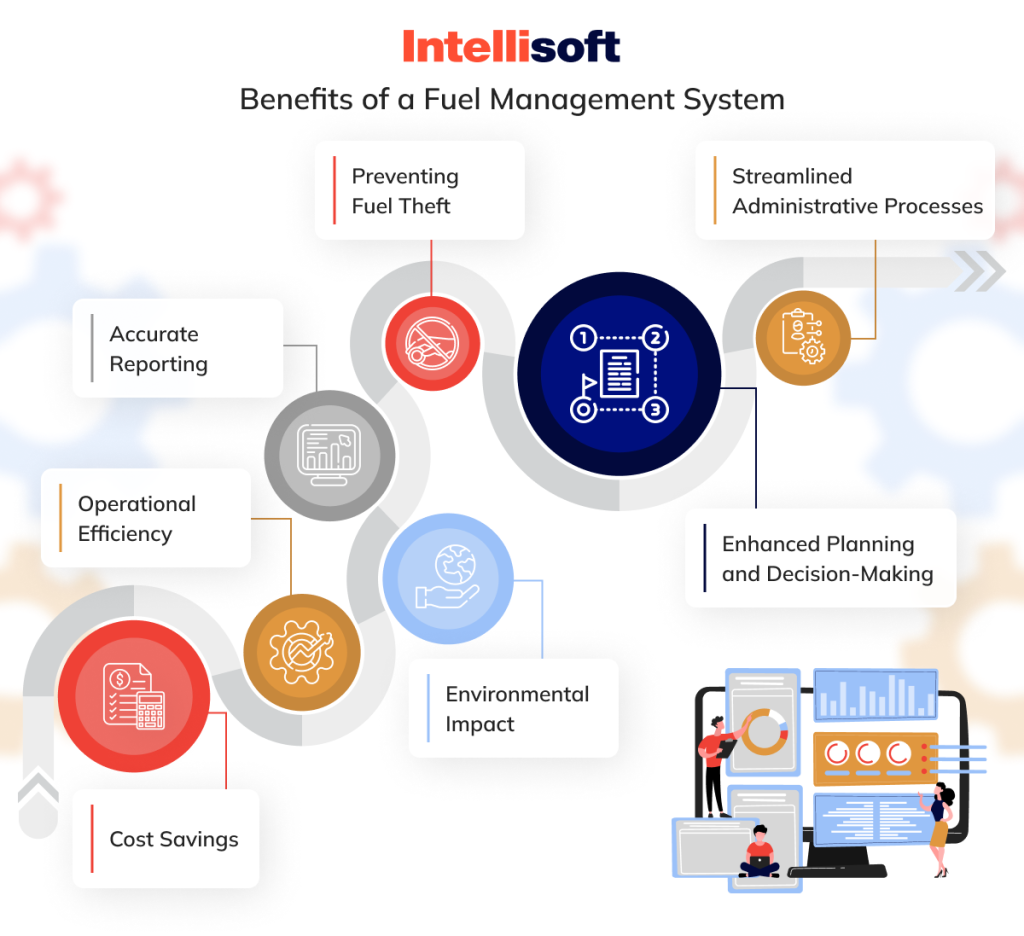
A Fuel Management System lowers fuel costs by reducing waste and theft. It helps fleets buy fuel at better prices.
It also cuts down on unnecessary trips and maintenance costs by tracking fuel use closely.
- Detects fuel theft early
- Reduces fuel waste
- Optimizes fuel purchases
- Decreases extra vehicle trips
Improved Fuel Efficiency
The system tracks how much fuel each vehicle uses. It helps drivers use fuel wisely and avoid waste.
Managers get reports that show which vehicles or routes use more fuel. They can change plans to save fuel.
- Monitors fuel use per vehicle
- Identifies fuel-heavy routes
- Encourages better driving habits
- Supports fuel-saving decisions
Enhanced Vehicle Monitoring
A Fuel Management System gives real-time data on vehicle fuel levels and usage. It helps spot problems early.
Fleet managers can track all vehicles from one place. This improves scheduling and vehicle care.
- Tracks fuel levels live
- Alerts for fuel issues
- Improves vehicle maintenance
- Makes fleet management easier
Key Features To Look For
A fuel management system helps track and control fuel use. It saves money and improves efficiency.
Choosing the right system means finding useful features. These features make managing fuel easier.
Real-time Tracking
Real-time tracking shows fuel use as it happens. You can see fuel levels and consumption instantly.
This helps spot problems quickly. It also improves planning for fuel needs and deliveries.
- Live fuel level monitoring
- Instant alerts for unusual usage
- GPS tracking for fuel location
Automated Reporting
Automated reports save time and reduce errors. The system creates fuel use summaries automatically.
You get easy-to-read reports on fuel costs and consumption. These help make better decisions.
- Daily, weekly, or monthly reports
- Reports on fuel usage by vehicle or site
- Export options for sharing data
Fuel Theft Prevention
Fuel theft is a big problem. Good systems include features to stop it or catch it early.
These features help protect fuel and reduce losses. They alert managers to suspicious activity.
- Access control to limit who can fuel
- Alerts for fuel drops or unusual use
- Tracking fuel use by driver or vehicle
Implementing A Fuel Management System
A fuel management system helps businesses track and control fuel use. It saves money and improves efficiency.
Setting up this system needs careful planning. You must pick the right tools and train your team well.
Choosing The Right Solution
Choose a fuel management system that fits your business size and needs. Look for features like real-time tracking and easy reporting.
Consider the cost and how user-friendly the system is. A simple system can save time and reduce errors.
- Check system features and compatibility
- Compare prices and support services
- Read user reviews and case studies
Integration With Existing Systems
Make sure the fuel management system works with your current software. This helps avoid extra work and data mistakes.
Integration can link fuel data with your accounting or fleet management tools. This gives a full view of your operations.
- Check for compatible data formats
- Use API connections when possible
- Test the system before full use
Training And Support
Train your staff to use the fuel management system. Good training reduces mistakes and improves data accuracy.
Choose a system with strong customer support. Quick help keeps your system running smoothly.
- Provide hands-on training sessions
- Create easy-to-follow guides
- Have a help desk or support contact
Case Studies And Success Stories
Fuel management systems help companies control fuel use and reduce costs. Many businesses share their success stories after using these systems.
These case studies show how fuel management systems work in real life. They highlight savings and improvements in fuel tracking.
Fleet Size Impact
Small fleets see quick benefits from fuel management systems. They reduce fuel theft and waste easily.
Large fleets gain more control and save bigger amounts of money. They track fuel use for many vehicles at once.
- Small fleet: saved 10% on fuel costs in 3 months
- Medium fleet: cut fuel waste by 15% in 6 months
- Large fleet: improved fuel tracking across 200+ vehicles
Industry Examples
Different industries use fuel management systems to suit their needs. Each industry finds unique ways to save fuel and money.
Construction companies track fuel for machines and trucks. Delivery services monitor fuel use for fast, efficient routes.
- Construction: cut fuel waste by 12% using automated tracking
- Delivery: saved time and fuel with route optimization
- Agriculture: monitored tractor fuel to prevent theft
- Public transport: reduced fuel use with better scheduling
Future Trends In Fuel Management
Fuel management systems help track and control fuel use in vehicles and machines. These systems reduce waste and save money. New technology is changing how fuel management works.
Future trends focus on smarter tools and better data. These trends make fuel management more efficient and easier to use.
Iot And Connectivity
The Internet of Things (IoT) links fuel tanks and vehicles to the internet. This lets managers see fuel levels and usage in real time. Connected devices send alerts if fuel is low or if there is a leak.
IoT helps reduce fuel theft and errors. It also allows remote monitoring from any location. This makes fuel management faster and more accurate.
- Real-time fuel tracking
- Remote alerts and notifications
- Automatic fuel level updates
- Better fuel theft prevention
Ai And Predictive Analytics
Artificial intelligence (AI) uses data to predict fuel needs and problems. It helps managers plan fuel purchases to avoid shortages. AI also finds unusual fuel use that may mean leaks or theft.
Predictive analytics improves fuel efficiency by suggesting better routes and schedules. It helps reduce fuel costs and environmental impact.
- Forecasting fuel demand
- Detecting fuel theft or leaks
- Optimizing fuel use with smart routes
- Reducing fuel waste and costs

Credit: www.gofleet.com
Frequently Asked Questions
What Is A Fuel Management System?
A fuel management system tracks fuel usage and controls fuel consumption. It helps businesses reduce fuel costs and prevent theft. It provides real-time data on fuel levels and vehicle performance. This system improves operational efficiency and promotes better resource management.
How Does A Fuel Management System Work?
A fuel management system uses sensors and software to monitor fuel levels. It records fuel dispensed, consumed, and remaining in tanks or vehicles. The system sends alerts on irregularities or theft attempts. It generates reports that help managers optimize fuel use and costs.
Why Use A Fuel Management System In Fleets?
Fuel management systems reduce fuel waste and control expenses. They improve transparency by tracking fuel consumption for each vehicle. This system minimizes theft and unauthorized usage. Fleet managers gain insights to enhance vehicle performance and maintenance schedules.
What Are The Benefits Of Fuel Management Systems?
Fuel management systems boost cost savings by preventing fuel loss. They provide accurate fuel data for better decision-making. These systems enhance accountability and reduce manual monitoring efforts. Businesses experience improved operational efficiency and sustainability.
Conclusion
A fuel management system helps track and control fuel use. It saves money by reducing waste and theft. This system makes fuel handling easier and more efficient. Businesses can keep better records and plan fuel needs well. Using such a system supports environmental care by cutting excess fuel use.
Choosing the right fuel management system improves daily operations. It is a smart step for any company that relies on fuel. Simple, clear, and reliable fuel control benefits everyone involved.