Have you ever wondered what keeps your fuel clean and your engine running smoothly? If you rely on stored fuel for your generator, vehicle, or machinery, you know how quickly fuel can get dirty and cause problems.
That’s where a fuel polishing system comes in. This simple yet powerful solution can save you time, money, and headaches by removing contaminants from your fuel. Curious to find out how it works and why it’s important for your equipment?
Keep reading to discover everything you need to know about fuel polishing systems and how they protect your investment.

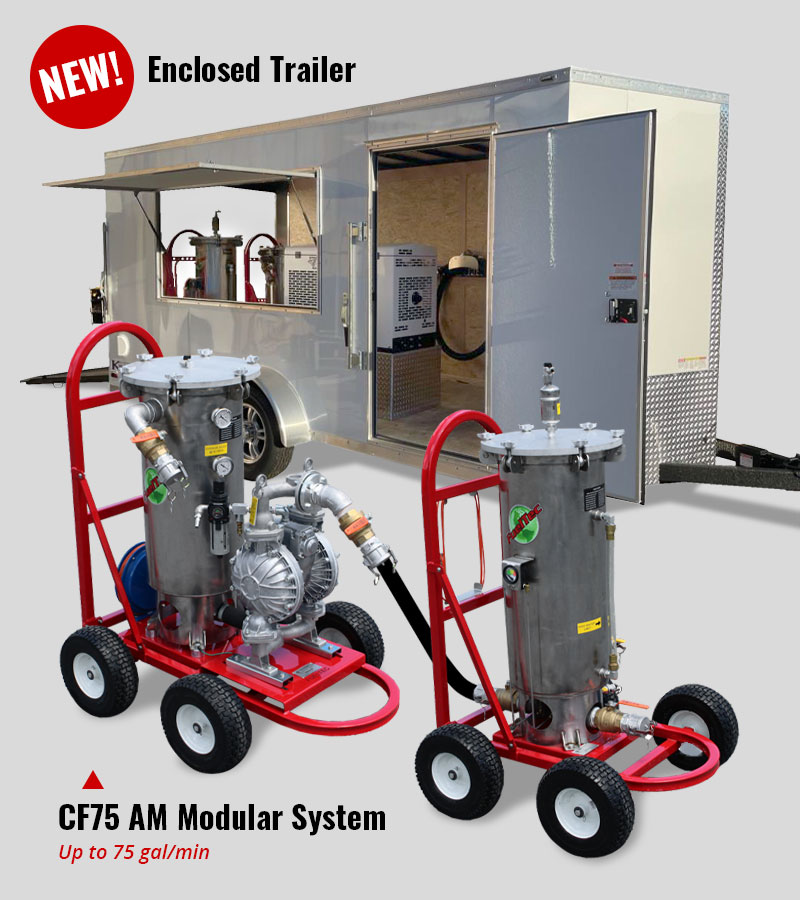
Credit: fueltecsystems.com
Fuel Polishing Basics
Fuel polishing is a process that cleans stored fuel. It removes dirt, water, and other impurities. This helps keep engines running smoothly and prevents damage.
Many industries use fuel polishing to maintain fuel quality. Regular polishing extends fuel life and improves performance.
Purpose Of Fuel Polishing
Fuel polishing removes contaminants that build up in stored fuel. It also restores fuel to a cleaner state. This process helps prevent engine problems and costly repairs.
- Remove water from fuel tanks
- Filter out dirt and debris
- Eliminate microbial growth
- Improve fuel stability and quality
- Extend fuel storage life
Common Fuel Contaminants
Fuel can contain many harmful contaminants. These reduce fuel efficiency and damage engines. Identifying these contaminants helps target the right cleaning method.
| Contaminant | Description | Effects |
| Water | Can enter fuel tanks through condensation or leaks | Causes corrosion and poor combustion |
| Dirt and Sediment | Particles from tank rust or dust | Clogs filters and fuel lines |
| Microbial Growth | Bacteria and fungi growing in fuel | Forms sludge and clogs fuel systems |
| Oxidation Byproducts | Degraded fuel components | Leads to fuel thickening and varnish |
Key Components
A fuel polishing system cleans and maintains stored fuel. It removes water, dirt, and contaminants to keep fuel fresh.
The system has several important parts that work together. Each component plays a key role in fuel cleaning.
Filters And Separators
Filters remove dirt and particles from the fuel. They protect engines from damage caused by debris.
Separators take out water from the fuel. Water can cause rust and poor engine performance.
- Filters trap solid particles and impurities
- Separators remove free and emulsified water
- Both help keep fuel clean and safe
Pumps And Valves
Pumps move the fuel through the system. They ensure continuous flow during the polishing process.
Valves control the flow and direction of fuel. They allow operators to manage the system easily.
- Pumps draw fuel from storage tanks
- Valves open or close to direct fuel flow
- These parts keep the system running smoothly
Monitoring Devices
Monitoring devices check fuel quality and system status. They alert users to any problems.
These devices track pressure, flow rate, and contamination levels. They help maintain fuel cleanliness.
- Pressure gauges measure system pressure
- Flow meters monitor fuel movement
- Contamination sensors detect dirt and water
How Fuel Polishing Works
A fuel polishing system cleans diesel or other stored fuels. It removes dirt, water, and contaminants. This helps keep the fuel in good condition.
The system uses filters and pumps to circulate the fuel. It cleans the fuel without wasting any. This process extends the life of the fuel and the engine.
Fuel Circulation Process
The fuel polishing system pumps fuel from the tank. It moves the fuel through filters and separators. Clean fuel then returns to the tank or engine.
Circulating fuel prevents it from sitting still. This reduces the chance of contamination. It also keeps the fuel fresh and ready to use.
- Fuel is drawn from the storage tank
- It passes through a water separator
- Fuel goes through fine filters
- Clean fuel returns to the tank or engine
Contaminant Removal Techniques
The system removes different contaminants in several ways. Water is separated from the fuel. Dirt and particles are trapped by filters.
Some systems use magnetic filters to catch metal particles. Others may use centrifuges to spin out impurities. Together, these methods keep fuel clean.
- Water separators remove free and emulsified water
- Fine filters trap dirt and rust particles
- Magnetic filters catch metal debris
- Centrifugal separators remove heavy contaminants
Benefits Of Fuel Polishing
Fuel polishing is a process that cleans and restores stored fuel. It removes water, dirt, and contaminants from fuel tanks.
This process helps keep fuel fresh and engines running smoothly. It is important for those who store fuel for long periods.
Improved Engine Performance
Clean fuel burns better and keeps engines running well. Fuel polishing removes particles that can clog filters and injectors.
This cleaning helps engines start easier and run more efficiently. It reduces the chance of engine damage caused by dirty fuel.
- Removes sediments and sludge
- Prevents clogged fuel lines
- Supports smooth engine operation
Extended Fuel Storage Life
Fuel can degrade when stored for a long time. Fuel polishing removes water and microbes that cause fuel to go bad.
This process keeps fuel stable and usable for more time. It helps avoid costly fuel replacement due to spoilage.
- Eliminates water contamination
- Prevents microbial growth
- Keeps fuel fresh longer
Reduced Maintenance Costs
Fuel polishing lowers the chance of engine problems caused by bad fuel. Cleaner fuel means less wear on engine parts.
It reduces the need for repairs and part replacements. This saves money on maintenance and downtime.
- Prevents fuel system damage
- Reduces filter and injector replacements
- Minimizes engine repair costs
Applications Of Fuel Polishing
Fuel polishing is a process that cleans and maintains fuel quality. It removes water, dirt, and microbes from stored fuel. This improves engine performance and extends fuel life.
Many industries use fuel polishing to keep their systems running smoothly. Here are some common applications.
Marine Industry
Ships store large amounts of fuel for long voyages. Fuel polishing removes contaminants that can clog filters and damage engines. It also prevents microbial growth that causes corrosion in fuel tanks.
- Ensures cleaner fuel for engines
- Prevents fuel system blockages
- Reduces engine wear and tear
- Extends storage life of marine fuel
Power Generation
Power plants rely on diesel or other fuels to run generators. Fuel polishing helps maintain fuel quality, reducing downtime and maintenance costs. Clean fuel ensures generators start quickly and run efficiently.
| Benefit | Impact on Power Generation |
| Contaminant Removal | Reduces engine damage |
| Water Separation | Prevents fuel degradation |
| Microbial Control | Stops corrosion in tanks |
| Improved Fuel Stability | Extends fuel storage time |
Backup Fuel Systems
Backup fuel systems must be ready at any time. Fuel polishing keeps backup fuel clean and reliable. This ensures emergency generators and equipment work when needed.
- Prevents fuel contamination over time
- Maintains fuel flow and quality
- Protects backup engines from failure
- Improves overall system reliability

Credit: www.youtube.com
Choosing The Right System
Fuel polishing systems keep fuel clean and safe for use. Picking the right system helps protect your engines and machines.
Consider factors like capacity, fuel type, and automation to find a system that fits your needs.
System Capacity Considerations
Choose a system with the right capacity for your fuel storage size. Too small a system will take longer to clean your fuel.
- Match system flow rate with fuel tank volume
- Consider peak fuel usage periods
- Plan for future fuel storage growth
Compatibility With Fuel Types
Not all fuel polishing systems work with every fuel type. Check if the system supports diesel, biodiesel, or other fuels you use.
| Fuel Type | System Compatibility |
| Diesel | Most systems compatible |
| Biodiesel (B20 and below) | Check for special seals and filters |
| Jet Fuel | Requires specialized system |
| Gasoline | Usually not compatible |
Automation Features
Automation helps run the system with less manual work. It can improve fuel cleaning and monitoring.
- Automatic flow control to match fuel volume
- Real-time fuel condition monitoring
- Scheduled cleaning cycles
- Alerts for maintenance needs
Maintenance Tips
A Fuel Polishing System cleans fuel to keep it fresh and safe. Regular care helps it work well for a long time.
Simple maintenance steps can prevent problems and keep the system running smoothly.
Regular Inspection
Check the Fuel Polishing System often. Look for leaks, cracks, or loose parts. Make sure all connections are tight.
Inspect the system’s pump and hoses for damage or wear. Early checks can stop big problems.
- Look for fuel leaks around filters and pumps
- Check hoses for cracks or hard spots
- Make sure electrical connections are secure
- Listen for unusual noises during operation
Filter Replacement Schedules
Filters catch dirt and water from fuel. Replace them often to keep fuel clean and avoid damage.
Follow the manufacturer’s guide for how often to change filters. If fuel looks cloudy, change filters sooner.
- Replace water separators every 3 to 6 months
- Change fuel filters based on hours of use or fuel volume
- Use quality replacement parts for best results
Troubleshooting Common Issues
If the system stops working well, check these common problems. Fixing them quickly keeps fuel clean.
Watch for low fuel flow, strange noises, or warning lights. These signs show the system needs attention.
- Low fuel flow: check for clogged filters or air in lines
- Unusual noises: inspect pump for wear or damage
- Warning lights: test electrical connections and sensors
- Fuel smell or leaks: tighten fittings and replace damaged parts

Credit: www.filtertechnik.co.uk
Frequently Asked Questions
What Is A Fuel Polishing System?
A fuel polishing system cleans and filters stored fuel. It removes water, sludge, and contaminants. This process improves fuel quality and engine performance.
Why Is Fuel Polishing Important?
Fuel polishing prevents fuel degradation and microbial growth. It extends fuel storage life and reduces engine problems. Regular polishing ensures reliable fuel supply and equipment efficiency.
How Often Should Fuel Be Polished?
Fuel should be polished every 6 to 12 months. Frequency depends on storage conditions and fuel type. Regular checks help maintain optimal fuel quality and prevent damage.
Can Fuel Polishing Save Maintenance Costs?
Yes, fuel polishing reduces engine repairs and downtime. Clean fuel protects fuel systems and extends equipment lifespan. It lowers overall maintenance expenses significantly.
Conclusion
A fuel polishing system keeps fuel clean and safe to use. It removes water, dirt, and microbes from stored fuel. This helps engines run smoothly and last longer. Regular fuel polishing prevents costly repairs and fuel waste. It also improves fuel efficiency and reduces emissions.
Using this system saves time and money in the long run. Clean fuel means reliable performance for machines and vehicles. Choose fuel polishing to protect your fuel investment and equipment. Simple, effective maintenance makes a big difference.