Have you ever wondered how your vehicle powers up and keeps running smoothly? The answer lies in a crucial part called the fuel system.
Understanding what a fuel system is can help you take better care of your car and avoid unexpected breakdowns. You’ll discover how the fuel system works, why it’s important, and simple tips to keep it in top shape. Keep reading to unlock the secrets that keep your engine alive and kicking.
Fuel System Basics
The fuel system supplies fuel to the engine. It helps the engine run smoothly and efficiently.
This system controls how much fuel reaches the engine. It affects engine power and fuel economy.
Core Components
The fuel system has several key parts. Each part plays a role in fuel delivery.
- Fuel Tank:Stores the fuel safely.
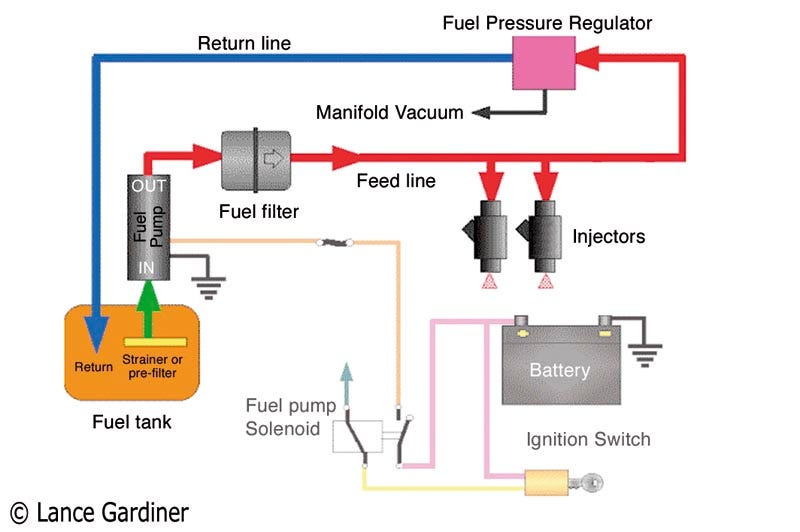
- Fuel Pump:Moves fuel from the tank to the engine.
- Fuel Filter:Cleans the fuel before it reaches the engine.
- Fuel Injectors:Spray fuel into the engine cylinders.
- Carburetor (in older cars):Mixes fuel with air before entering the engine.
Role In Engine Performance
The fuel system controls how much fuel the engine gets. This affects engine power and speed.
Good fuel delivery helps the engine run clean and saves fuel. Poor fuel delivery can cause problems.
- Correct fuel amount improves engine power.
- Clean fuel stops engine damage.
- Efficient fuel use saves fuel and reduces pollution.
Fuel Delivery Process
The fuel delivery process moves fuel from the tank to the engine. It ensures the engine gets the right fuel amount to run well.
This process involves several parts working together to store, pump, and inject fuel. Each part has a special job to keep the engine going.
Fuel Storage
Fuel storage holds the fuel safely before use. It is usually a fuel tank made of metal or plastic.
The tank keeps fuel clean and prevents leaks. It also stops fuel from evaporating into the air.
Fuel Pump Function
The fuel pump moves fuel from the tank to the engine. It creates pressure to push the fuel through the fuel lines.
Most modern cars use electric fuel pumps inside the fuel tank. These pumps work quietly and deliver steady fuel flow.
- Draws fuel from the tank
- Pushes fuel to fuel injectors or carburetor
- Maintains fuel pressure for engine needs
Fuel Injection Vs Carburetion
Fuel injection sends fuel directly into engine cylinders. It uses nozzles controlled by an electronic system.
Carburetion mixes fuel and air before it reaches the engine. It uses mechanical parts to create the mix.
- Fuel Injection:Precise fuel delivery, better fuel use, lower emissions
- Carburetion:Simple design, easier repairs, less fuel control
Types Of Fuel Systems
Fuel systems deliver fuel to an engine for combustion. Different systems control how fuel reaches the engine. Each type has unique parts and ways to work.
This guide explains three common types of fuel systems. These are mechanical fuel systems, electronic fuel injection, and direct injection systems.
Mechanical Fuel Systems
Mechanical fuel systems use physical parts to move fuel. They rely on pumps, carburetors, and valves. These parts work together to mix fuel with air.
- Fuel pump pushes fuel from the tank
- Carburetor mixes fuel and air
- Fuel lines carry the mixture to the engine
- Mechanical valves control the fuel flow
Electronic Fuel Injection
Electronic fuel injection uses sensors and computers. It controls the fuel delivery precisely. This system improves fuel efficiency and lowers emissions.
| Component | Role |
| Fuel Injector | Sprays fuel into the engine |
| ECU (Engine Control Unit) | Controls injector timing and amount |
| Sensors | Measure air, temperature, and engine speed |
| Fuel Pump | Delivers fuel to injectors |
Direct Injection Systems
Direct injection sends fuel straight into the combustion chamber. It allows better control of fuel and air mix. This system increases power and reduces fuel use.
Key benefits of direct injection include:
- Improved engine efficiency
- Lower fuel consumption
- Reduced emissions
- Better engine power
Credit: dsportmag.com
Common Fuel System Parts
The fuel system in a vehicle stores and delivers fuel to the engine. It helps the engine run smoothly and efficiently.
This system has several important parts that work together. Each part has a specific job to keep the fuel flowing.
Fuel Tank
The fuel tank stores gasoline or diesel safely. It holds enough fuel to power the vehicle for many miles.
Fuel tanks are made from metal or plastic. They are designed to prevent leaks and protect the fuel.
Fuel Filter
The fuel filter cleans dirt and rust from the fuel. Clean fuel helps the engine run well and last longer.
Filters need to be changed regularly. A dirty filter can block fuel flow and cause engine problems.
Fuel Injectors
Fuel injectors spray fuel into the engine’s cylinders. They control how much fuel the engine gets at a time.
Good injectors help the engine use fuel efficiently. They improve power and reduce pollution.
Fuel Lines
Fuel lines carry fuel from the tank to the engine. They are made of strong materials to avoid leaks.
Fuel lines must be checked often. Damaged lines can cause fuel spills and safety hazards.
Fuel System Maintenance
The fuel system delivers fuel to your engine for proper operation. Keeping it clean and working well helps your vehicle run smoothly.
Regular maintenance prevents issues like poor fuel efficiency and engine problems. It also extends the life of your car.
Signs Of Wear
You can spot fuel system problems early by watching for these signs. They help you know when to act.
- Engine hesitation or stalling
- Reduced fuel efficiency
- Hard starting or no start
- Fuel smell near the engine
- Check engine light on the dashboard
Cleaning Tips
Cleaning your fuel system removes dirt and deposits that block fuel flow. It helps the engine run better.
- Use a fuel injector cleaner additive with your gas tank.
- Replace the fuel filter regularly as recommended by the manufacturer.
- Keep the fuel tank at least a quarter full to avoid dirt buildup.
- Have a professional clean the fuel injectors if needed.
Replacing Components
Some parts wear out and need replacing to keep the fuel system working well. Early replacement avoids bigger problems.
| Component | Signs It Needs Replacing | Replacement Interval |
| Fuel Filter | Poor acceleration, engine misfire | Every 20,000 to 40,000 miles |
| Fuel Pump | Engine sputters, loss of power | Depends on vehicle, usually 100,000 miles |
| Fuel Injectors | Rough idle, increased fuel use | Clean regularly; replace if damaged |

Credit: www.trucksales.com.au
Fuel System Troubleshooting
The fuel system delivers fuel to the engine so it can run smoothly. Problems in this system can cause poor engine performance or failure to start. Knowing how to find and fix fuel system issues helps keep your vehicle reliable.
This guide covers common problems like leaks, pump failures, and injector troubles. Each section explains signs to watch for and steps to take for repair.
Detecting Fuel Leaks
Fuel leaks are dangerous and waste fuel. They often cause a strong smell of gasoline near the vehicle. Look under the car and around the fuel tank, lines, and injectors for wet spots or stains.
- Check the fuel lines for cracks or holes
- Inspect the fuel tank for dents or rust
- Look around the fuel injectors for drips
- Smell for gasoline odors near the engine area
- Listen for hissing sounds that may show escaping fuel
Diagnosing Fuel Pump Issues
The fuel pump moves fuel from the tank to the engine. If the pump fails, the engine may stall or not start. Test the fuel pump by checking fuel pressure with a gauge. Low pressure means the pump may be weak or faulty.
| Symptom | Possible Cause | Action |
| Engine stalls | Weak fuel pump | Test and replace pump if needed |
| Car won’t start | No fuel pressure | Check fuse and fuel pump relay |
| Engine sputters | Clogged fuel filter | Replace fuel filter |
Addressing Injector Problems
Fuel injectors spray fuel into the engine. Dirty or clogged injectors cause rough idling and poor fuel economy. Clean injectors by using a fuel injector cleaner or removing them for manual cleaning.
- Use a high-quality fuel injector cleaner in the gas tank.
- Remove injectors and soak in cleaner if buildup is heavy.
- Check injector spray pattern for even fuel delivery.
- Replace faulty injectors that do not improve after cleaning.
Advancements In Fuel Systems
Fuel systems supply engines with the right fuel amount. New technology makes these systems more efficient and cleaner.
Advances focus on reducing pollution and saving energy. These changes help vehicles run better and use less fuel.
Hybrid Fuel Technologies
Hybrid fuel systems combine gasoline engines with electric motors. This mix uses less fuel and lowers emissions.
These systems switch between fuel and electric power to save energy. They recharge batteries while driving.
- Improved battery life helps longer electric driving
- Smart controls manage fuel and electric use
- Regenerative braking recovers energy
Alternative Fuels
Alternative fuels include biofuels, hydrogen, and natural gas. They produce less pollution than regular gasoline.
Using these fuels reduces dependence on oil. Many engines now work with these cleaner fuel types.
- Biofuels come from plants and waste
- Hydrogen fuel cells produce only water
- Natural gas burns cleaner than gasoline
Future Trends
Fuel systems will become smarter with sensors and AI. They will adjust fuel use for better efficiency.
Electrification will grow, reducing fuel use in many vehicles. New fuels and system designs will lower emissions further.
- AI controls optimize fuel delivery
- More electric and hybrid vehicles on roads
- New materials improve fuel system durability

Credit: www.trucksales.com.au
Frequently Asked Questions
What Is A Fuel System In Vehicles?
A fuel system stores and supplies fuel to the engine. It ensures proper fuel delivery for efficient combustion and engine performance. Key parts include the fuel tank, pump, filter, and injectors.
How Does A Fuel System Work?
The fuel system pumps fuel from the tank to the engine. It filters impurities and controls fuel flow for optimal engine function and emissions control.
Why Is Fuel System Maintenance Important?
Regular maintenance prevents clogs and leaks. It ensures better fuel efficiency, reduces emissions, and extends engine life by keeping fuel flow clean and consistent.
What Are Common Fuel System Problems?
Common issues include clogged filters, faulty pumps, and injector failures. These problems cause poor engine performance, reduced fuel economy, and starting difficulties.
Conclusion
Understanding the fuel system is key to maintaining your vehicle. It ensures efficient performance and longevity. A well-functioning system delivers fuel smoothly. This helps your engine run effectively. Regular maintenance checks are essential for preventing issues. It can save you from costly repairs later.
Always use the right fuel for your vehicle type. This simple step enhances engine life. Remember, a healthy fuel system means a reliable ride. Keep these points in mind for optimal vehicle care. Your car will thank you for it.