Have you ever tried to connect a new nozzle or sprinkler to your garden hose, only to find it doesn’t fit right? You’re not alone.
The secret lies in understanding what your garden hose thread is called. Knowing this simple detail can save you time, money, and a lot of frustration. You’ll discover exactly what garden hose thread means, why it matters, and how it can make your gardening tasks easier.
Keep reading, and you’ll never struggle with hose fittings again.

Credit: www.wikiwand.com
Common Garden Hose Threads
Garden hoses use specific thread types to connect hoses and fittings. These threads must match for a tight, leak-free seal.
Two common garden hose threads are NH (National Hose) and GHT (Garden Hose Thread). Each has unique features and uses.
Nh Thread Basics
The NH thread stands for National Hose thread. It is used mostly in fire hoses and heavy-duty water hoses.
NH threads are larger and have a different pitch than garden hose threads. They are designed for high pressure and durability.
- Also called NST (National Standard Thread)
- Common in firefighting equipment
- Usually has a 1.5 inch or 2.5 inch diameter
- Coarse thread pitch for strong connection
Ght Thread Features
GHT stands for Garden Hose Thread. It is the most common thread for home garden hoses and accessories.
GHT threads are smaller than NH threads and have a specific thread pitch and diameter to fit standard garden fittings.
- Diameter is ¾ inch
- Thread pitch is 11.5 threads per inch
- Standardized by ANSI B1.20.7
- Designed for low to medium water pressure
- Used in most garden hose connectors, nozzles, and sprinklers
Thread Sizes Explained
Garden hose threads come in different sizes and styles. Knowing these sizes helps you pick the right hose or fitting.
This guide covers the standard diameter options and thread pitch variations for garden hose threads.
Standard Diameter Options
Garden hose threads usually follow two main diameter sizes. These sizes are set to fit most garden hoses and accessories.
- 3/4 inch: This is the most common size for garden hoses in the U.S.
- 5/8 inch: Slightly smaller, often used for light watering tasks.
- 1/2 inch: Rarely used for garden hoses but found in some specialized fittings.
Thread Pitch Variations
Thread pitch means how many threads are on the hose per inch. It affects how tightly the hose connects to fittings.
| Thread Type | Pitch (Threads per Inch) | Use |
|---|---|---|
| NH (National Hose) | 11.5 | Standard for garden hoses in the U.S. |
| BSP (British Standard Pipe) | 14 | Common in Europe and some other countries. |
| GHT (Garden Hose Thread) | 11.5 | Specific to garden hoses, matches NH size. |
Types Of Garden Hose Threads
Garden hose threads are used to connect hoses to spigots and other fittings. Understanding these threads helps in choosing the right hose and attachments.
There are different types of threads, each with its own function. Knowing the differences makes connecting hoses easy.
Male Vs Female Threads
Male threads have ridges on the outside. They fit into female threads, which have ridges on the inside. This creates a secure connection.
Most garden hoses have male threads on one end and female threads on the other. This allows them to connect with other hoses or fixtures.
- Male threads: External ridges
- Female threads: Internal ridges
- Common connection: Male to female
Right-hand Vs Left-hand Threads
Most garden hoses use right-hand threads. You tighten them by turning clockwise. This is the standard for most fittings.
Left-hand threads are rare in garden hoses. They tighten by turning counterclockwise. They are used in special applications.
- Right-hand threads: Turn clockwise to tighten
- Left-hand threads: Turn counterclockwise to tighten
- Standard choice: Right-hand threads
Credit: www.americangrazinglands.com
Regional Thread Standards
Garden hose threads are the types of screw threads used to connect hoses and fittings. These threads differ by region. This means the hose fittings in one region may not fit those in another.
Understanding regional thread standards helps when buying or repairing garden hoses. It ensures you get the right fit and avoid leaks.
North American Threads
In North America, garden hose threads follow a specific standard called GHT. GHT stands for Garden Hose Thread. It is a type of National Hose (NH) thread.
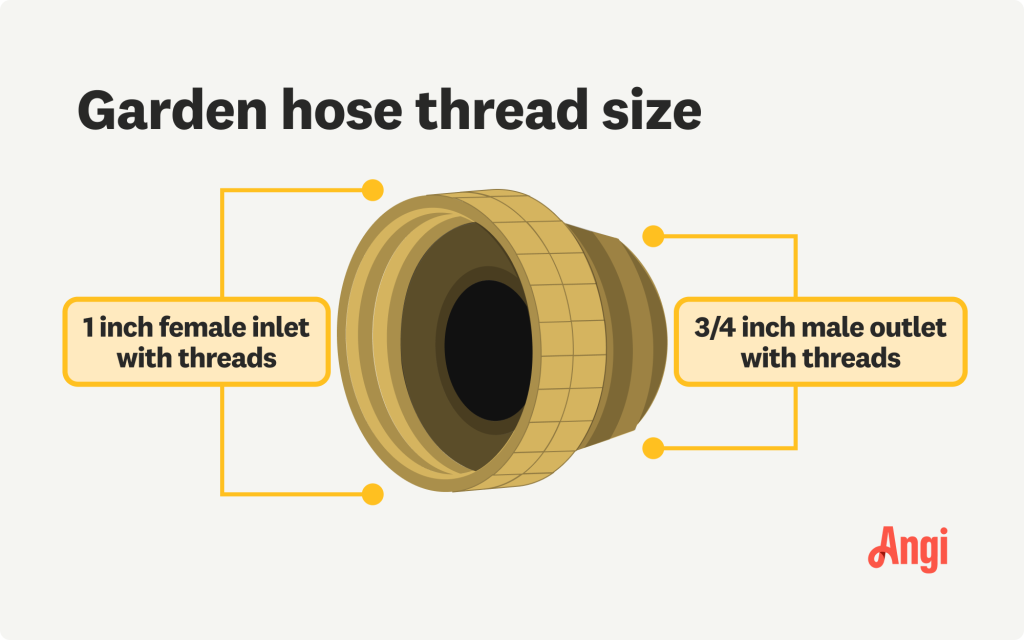
GHT threads have a diameter of 1 inch and a pitch of 11.5 threads per inch. They have a straight thread form, which means they do not taper.
- Called Garden Hose Thread (GHT)
- Diameter: 1 inch
- Thread pitch: 11.5 threads per inch
- Straight (non-tapered) threads
European Thread Types
Europe uses different thread standards for garden hoses. The most common are BSP and metric threads. BSP stands for British Standard Pipe.
BSP threads come in two types: parallel (G) and tapered (R). Metric threads are measured by their diameter in millimeters and thread pitch in millimeters.
| Thread Type | Diameter | Pitch | Thread Form |
|---|---|---|---|
| BSP Parallel (G) | Usually 3/4 inch or 1 inch | Varies | Straight |
| BSP Tapered (R) | Usually 3/4 inch or 1 inch | Varies | Tapered |
| Metric | Measured in millimeters (e.g., 20mm) | Measured in mm (e.g., 1.5mm) | Straight or tapered |
Choosing The Right Thread
Garden hose threads connect your hose to faucets and accessories. Using the correct thread type ensures a secure fit. Wrong threads can cause leaks or damage.
Understanding thread types helps you pick the right hose and fittings. This guide covers how to match threads and avoid cross-threading.
Matching Hose And Fittings
Garden hose threads usually follow two common standards: GHT (Garden Hose Thread) and NPT (National Pipe Thread). GHT is standard for hoses and outdoor faucets, while NPT fits indoor plumbing.
| Thread Type | Use | Thread Direction | Thread Pitch |
|---|---|---|---|
| GHT (Garden Hose Thread) | Garden hoses and outdoor faucets | Right-hand (clockwise) | 11.5 threads per inch |
| NPT (National Pipe Thread) | Indoor plumbing and pipe fittings | Right-hand (clockwise) | Varies, usually tighter |
Always check the thread type on your hose and fittings. Using matching threads prevents leaks and damage.
Avoiding Cross-threading
Cross-threading happens when threads do not align. It can strip threads or cause leaks. Follow these tips to avoid it.
- Inspect threads for dirt or damage before connecting.
- Start threading by hand to feel correct alignment.
- Do not force connections; if it feels stuck, realign.
- Use thread tape if needed to seal and protect threads.
- Tighten fittings gently with a wrench after hand-tightening.
Adapters And Connectors
Garden hoses use different thread types to connect to faucets and accessories. Knowing the correct thread type helps you find the right adapters and connectors. These parts join hoses to tools, sprinklers, or other hoses.
Adapters and connectors come in many shapes and sizes. They let you change thread types or connect hoses with different fittings. This guide covers common thread conversion options and universal connectors.
Thread Conversion Options
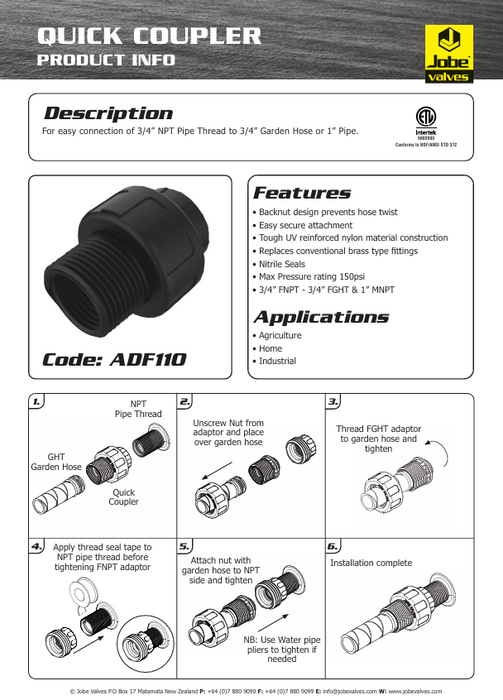
Thread conversion adapters help connect hoses with different thread sizes or types. They screw onto one hose end and provide a new thread type on the other end. These adapters make it easy to use old or foreign hoses and fittings.
- Garden Hose Thread (GHT) to National Pipe Thread (NPT) adapters
- Male to female thread converters
- Brass or plastic adapters for durability and cost
- Adapters for metric to standard thread conversions
Universal Connectors
Universal connectors fit many hose thread types without needing specific adapters. They use flexible seals and adjustable fittings to ensure a tight connection. These connectors simplify hose setup and repair.
| Type | Description | Common Use |
| Quick Connect | Push-fit design for fast hose changes | Gardening and watering tools |
| Swivel Connector | Rotates to prevent hose twisting | Long hose runs and sprinklers |
| Universal Thread Adapter | Fits multiple thread standards | Connecting hoses from different countries |
Maintaining Thread Integrity
Garden hose threads connect your hose to faucets and accessories. Keeping these threads in good shape stops leaks and damage.
Proper care helps the threads last longer and fit tightly. This guide shows ways to protect your garden hose thread.
Preventing Leaks
Leaks often happen when threads get worn or dirty. You can avoid leaks by checking threads regularly and handling them carefully.
- Inspect threads for cracks or damage before use.
- Use rubber washers inside hose fittings to seal gaps.
- Do not overtighten connections to avoid stripping threads.
- Store hoses properly to prevent thread wear from bending.
Cleaning And Lubrication Tips
Cleaning threads removes dirt and rust that harm thread fit. Lubrication keeps threads smooth and easy to connect.
| Cleaning Tips | Lubrication Tips |
| Use a soft brush to clear debris. | Apply silicone-based lubricant on threads. |
| Rinse threads with water to wash off dirt. | Avoid petroleum-based lubricants that can damage rubber washers. |
| Dry threads fully before storing the hose. | Lubricate threads every few months or before heavy use. |

Credit: www.reddit.com
Frequently Asked Questions
What Type Of Thread Is Used On Garden Hoses?
Garden hoses typically use GHT, or Garden Hose Thread. It features a 3/4-inch diameter with 11. 5 threads per inch. GHT is designed for water-tight connections in gardening applications. It differs from other thread types like NPT and BSP.
How Does Garden Hose Thread Differ From Pipe Thread?
Garden hose thread (GHT) is straight and relies on a rubber washer for sealing. Pipe threads, like NPT, are tapered and seal by thread compression. This difference prevents compatibility between garden hoses and standard pipe fittings without adapters.
Can Garden Hose Threads Connect To Other Fittings?
Yes, but adapters are often needed. Garden hose threads are unique and don’t directly fit pipe threads. Adapters convert GHT to NPT or BSP, ensuring proper sealing and compatibility with various plumbing fixtures.
Why Is Garden Hose Thread Standardized?
Standardizing garden hose thread ensures all hoses and fittings are compatible. This uniformity simplifies manufacturing and user experience. Garden Hose Thread (GHT) standard allows easy attachment and replacement of hose accessories globally.
Conclusion
Garden hose threads have a specific name: GHT or Garden Hose Thread. Knowing this helps you choose the right hose and fittings. Using the correct thread stops leaks and saves water. It also makes connecting hoses easier and faster. Now, you can buy hoses without confusion.
Simple knowledge like this helps in everyday gardening tasks. Keep this tip in mind when shopping for garden hoses. It makes your work smoother and your garden happier.