Have you ever struggled to find the right garden hose that fits perfectly with your outdoor faucet or sprinkler? Knowing your garden hose thread size can save you from leaks, wasted water, and endless frustration.
Understanding this simple detail ensures your watering tools connect smoothly and work efficiently. You’ll discover exactly what garden hose thread size means, why it matters to you, and how to find the right fit for your garden needs. Keep reading, and you’ll never face hose fitting problems again!

Credit: www.amazon.ca
Basics Of Garden Hose Threads
Garden hose threads are the screw-like connectors on hoses and faucets. They allow you to attach hoses securely. Understanding these threads helps you pick the right hose fittings.
Different thread types and sizes exist. Knowing these basics avoids leaks and makes your watering tasks easier.
Thread Types Explained
There are two main types of garden hose threads: NH and BSP. NH stands for National Hose, common in the U.S. BSP stands for British Standard Pipe, used in other countries.
- NH (National Hose):Used on most U.S. garden hoses and faucets.
- BSP (British Standard Pipe):Common outside the U.S., especially in Europe and Australia.
- Male and Female Threads:Male threads screw into female threads for a tight connection.
Common Thread Sizes
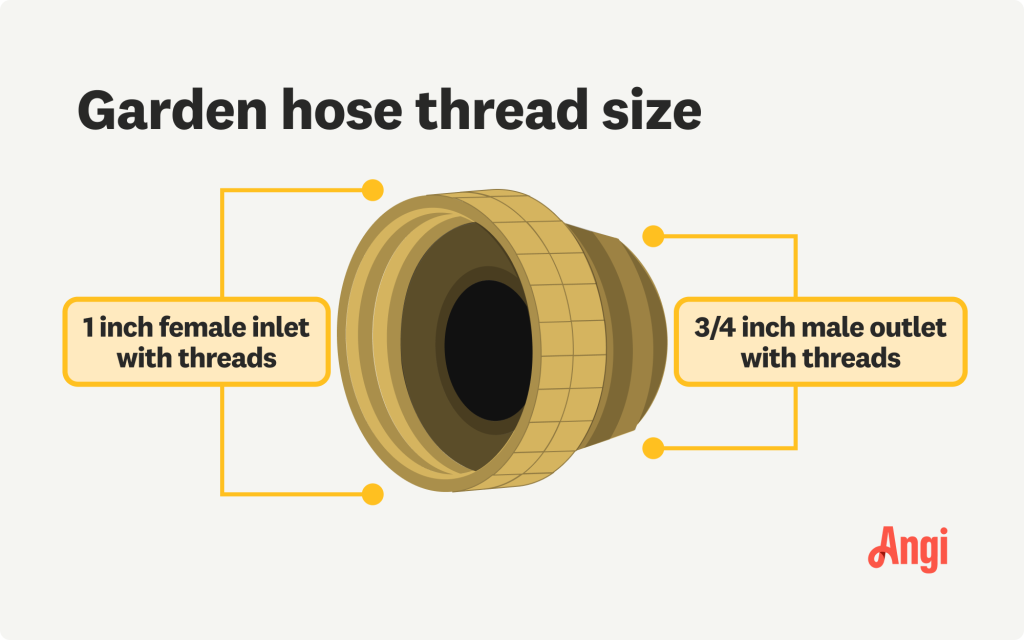
The most common garden hose thread size in the U.S. is 3/4 inch NH. Other sizes exist for special uses. Here is a table showing common thread sizes and their uses.
| Thread Size | Diameter (inches) | Use |
|---|---|---|
| 1/2 inch NH | 0.5 | Small hoses, some drip irrigation |
| 3/4 inch NH | 0.75 | Standard garden hoses and faucets |
| 1 inch NH | 1.0 | Heavy-duty hoses and firefighting |
| 3/4 inch BSP | 0.75 | European garden hoses |

Credit: www.amazon.com
Measuring Garden Hose Threads
Garden hose thread size is important for fitting hoses and accessories. To find the right size, you need to measure the threads correctly.
This guide helps you measure garden hose threads with simple tools and clear steps.
Tools You Need
- Ruler or tape measure
- Caliper for precise measurement (optional)
- Thread pitch gauge (optional)
- Marker or pen
- Magnifying glass (optional)
Having these tools makes it easier to get accurate measurements of your garden hose threads.
Step-by-step Measurement
| Measurement | How to Measure | Why It Matters |
| Diameter | Measure across the threads from outer edge to outer edge. | Shows the size of the hose or fitting. |
| Thread Pitch | Count the number of threads per inch or measure the distance between threads. | Ensures threads will fit together properly. |
| Thread Type | Check if threads are straight or tapered by looking closely or using a gauge. | Prevents leaks and loose connections. |
Start by measuring the outer diameter of the hose threads. Use a ruler or caliper for this.
Next, count how many threads there are per inch or measure the distance between them. This is your thread pitch.
Finally, observe the shape of the threads. Straight threads have the same diameter along the length. Tapered threads get smaller towards the end.
Matching Hose Threads For Compatibility
Garden hoses need the right thread size to connect properly. Matching hose threads helps avoid leaks and damage.
Knowing how to match threads makes it easy to join hoses or attach accessories. This guide explains the basics.
Identifying Male Vs Female Threads
Hose threads come in two types: male and female. Male threads have external ridges, while female threads have internal grooves.
To connect parts, a male thread fits inside a female thread. Both must match in size and thread pattern for a tight fit.
- Male threads are on the outside of the hose end
- Female threads are on the inside of the hose end
- Check the threads before connecting to ensure compatibility
Standard Thread Connections
Most garden hoses use standard thread sizes. The common thread type is called GHT, or Garden Hose Thread.
GHT threads have a diameter of 3/4 inch and a pitch of 11.5 threads per inch. This size fits most hoses and fittings.
| Thread Type | Diameter | Threads Per Inch | Use |
|---|---|---|---|
| GHT (Garden Hose Thread) | 3/4 inch | 11.5 | Standard garden hoses and fittings |
| NPT (National Pipe Thread) | Varies | Varies | Plumbing and some hose adapters |
Popular Garden Hose Thread Standards
Garden hoses connect to different water sources using threaded fittings. These threads come in various sizes and standards. Knowing the right thread size helps you find the correct hose or adapter.
This article explains the popular garden hose thread standards used worldwide. Each standard has unique features and common uses.
Nh Thread (ght)
The NH thread, also called Garden Hose Thread (GHT), is the most common thread for garden hoses in the US. It is a straight thread with a 3/4 inch diameter.
NH threads use a rubber washer to seal the connection. This prevents leaks when the hose is connected to the spigot or nozzle.
- Size: 3/4 inch diameter
- Type: Straight thread
- Sealing: Rubber washer
- Common in: United States and Canada
Npt Thread
NPT stands for National Pipe Thread. It is a tapered thread used for pipes and fittings in plumbing. NPT threads tighten by twisting and create a seal on their own.
This thread is not common for garden hoses but is used in some water supply lines. It has a 3/4 inch size similar to NH thread but uses a different shape.
- Size: 3/4 inch diameter (common for water lines)
- Type: Tapered thread
- Sealing: Thread sealant or tape needed
- Used in: Plumbing and water pipes
Bsp Thread
BSP means British Standard Pipe thread. It is a common thread in Europe and many other countries. BSP threads can be parallel or tapered.
BSP threads often come in 3/4 inch size for garden hoses. The thread angle and pitch differ from NH and NPT threads. Adapters are needed to connect BSP to other types.
- Size: 3/4 inch diameter
- Type: Parallel or tapered thread
- Sealing: Often uses an O-ring or sealant
- Used in: Europe, Asia, Australia
Choosing The Right Hose Thread Size
Understanding garden hose thread size is important for any gardener. Selecting the correct size ensures a proper fit and prevents leaks.
Let’s explore the factors to consider and mistakes to avoid when choosing your garden hose thread size.
Factors To Consider
Several factors can influence the right thread size for your garden hose. These factors help you make the best choice.
- Measure the diameter of the spigot and hose.
- Check the material compatibility of the hose and fittings.
- Consider the water pressure requirements for your tasks.
Avoiding Common Mistakes
Many people make errors when selecting hose thread size. Avoid these mistakes to ensure a smooth gardening experience.
Avoid forcing mismatched threads together. This can damage the hose and fittings.
| Common Mistake | Solution |
| Using wrong thread type | Check hose and spigot specifications |
| Ignoring material differences | Ensure materials are compatible |
| Overlooking pressure ratings | Match pressure to hose capability |
Adapters And Converters
Garden hose thread size can vary depending on the country and the type of hose. This difference can cause problems when connecting hoses and accessories.
Adapters and converters help connect hoses with different thread sizes and types. They make it easy to join hoses and tools without leaks.
When To Use Adapters
Use adapters when your hose threads do not match your tool or faucet threads. Adapters fix this mismatch by changing one thread type to another.
Adapters are also helpful when you want to connect old hoses with new accessories. They save you from buying new equipment.
Types Of Thread Adapters
There are several common types of thread adapters for garden hoses. Each type fits different thread sizes and standards.
- GHT to NPT Adapter:Converts garden hose thread (GHT) to national pipe thread (NPT).
- GHT to BSP Adapter:Connects American garden hoses to British standard pipe threads (BSP).
- Male to Female Adapter:Changes a male thread to a female thread or vice versa.
- Quick Connect Adapter:Allows fast hose connection and disconnection without tools.
Maintaining Hose Thread Integrity
The garden hose thread size is important for a good fit between hose and faucet. Keeping the threads clean and intact helps avoid leaks and damage.
Proper care of hose threads extends the life of your garden hose and keeps water flowing smoothly.
Cleaning Threads
Dirt and debris can build up inside hose threads. This buildup can stop the hose from connecting tightly.
Clean threads regularly using a soft brush or cloth. Avoid harsh tools that can scratch or damage the threads.
- Remove dirt with a soft brush
- Use mild soap and water if needed
- Dry threads completely before use
Preventing Leaks
Leaks often happen when hose threads are worn or damaged. Check threads for cracks or bends before connecting.
Use thread tape or washers to improve the seal. Tighten connections by hand to avoid stripping threads.
- Inspect threads for damage before use
- Apply thread tape for a tighter seal
- Use washers inside hose connectors
- Tighten hoses by hand, not with tools

Credit: www.amazon.in
Frequently Asked Questions
What Is The Standard Garden Hose Thread Size?
The standard garden hose thread size in the U. S. is 3/4 inch GHT (Garden Hose Thread). It has 11. 5 threads per inch. This size fits most garden hose fittings and accessories, ensuring compatibility and leak-free connections.
How To Measure Garden Hose Thread Size?
Measure the outer diameter of the hose thread with a caliper. Count the threads per inch for accuracy. This helps identify the thread size precisely, ensuring you buy the correct hose fittings or connectors.
Are Garden Hose Threads The Same Worldwide?
No, garden hose thread sizes vary by country. The U. S. uses 3/4 inch GHT, while other regions may use different thread standards. Always check local specifications before purchasing hoses or accessories.
Can Garden Hose Thread Sizes Vary By Brand?
Most brands follow the standard 3/4 inch GHT size for compatibility. However, some may offer unique thread designs. Always verify thread size and type before buying hose fittings or connectors.
Conclusion
Knowing the garden hose thread size helps you choose the right hose and accessories. It avoids leaks and loose connections. Most garden hoses use a standard thread size, but checking before buying saves trouble. Correct thread size means better water flow and longer hose life.
Simple steps can make your gardening easier and more efficient. Keep this guide handy when shopping for hoses or parts. Good connections keep your garden healthy and your work stress-free.