Are you wondering what the perfect temperature setting for your air conditioner is? Finding the right balance can save you money, keep you comfortable, and even improve your health.
Setting your AC too low might cool your room fast but spike your energy bills. Too high, and you could feel sticky and restless. You’ll discover the ideal temperature that keeps your space fresh without wasting energy. Keep reading to learn how a simple adjustment can make a big difference for you and your home.
Ideal Ac Temperature
The ideal AC temperatureis usually around 24°C to 26°C (75°F to 78°F). This range keeps the room cool and comfortable without using too much energy. Setting your AC too low can waste electricity and increase bills.
For comfort, adjust the temperature to suit the weather outside and your clothing. Use fans to help air circulation. It makes the room feel cooler without lowering the AC temperature.
- Set the thermostat at 24°C to 26°C for good balance.
- Use ceiling or portable fans to spread the cool air.
- Close curtains or blinds to block direct sunlight.
- Keep doors and windows closed to keep cool air inside.
- Regularly clean or replace AC filters for better airflow.
Credit: gulfshorecooling.com
Factors Affecting Ac Temperature
Room size and layoutaffect how cool the air conditioner can make a space. Larger rooms need a stronger AC or a lower temperature setting to cool well. Open layouts allow air to flow better, helping cool the room evenly. Rooms with many windows may get warmer, so the AC works harder.
Outdoor weather conditionsplay a big role in setting AC temperature. Hotter days make the AC work more to keep the room cool. If the sun shines directly on the room, it heats up faster. Cloudy or cooler days mean the AC can run at a higher temperature and still feel comfortable.
Humidity levelsimpact comfort and AC settings. High humidity makes the air feel hotter. AC units remove moisture from the air, so they may need to run longer in humid weather. Lower humidity means the air feels cooler even if the temperature is a bit higher.
Temperature Settings For Different Rooms
Living areasare best kept between 72°F and 75°F. This range keeps the space comfortable for most activities. It helps save energy and keeps the air fresh. Avoid setting the temperature too low to prevent wasting power.
Bedroomsshould be cooler for better sleep. A setting of 65°F to 70°Fhelps the body relax and rest well. Cooler air supports deep sleep and reduces sweating during the night. Use a fan if needed to spread the cool air.
Home officesneed a balance of comfort and focus. Keep the AC around 70°F to 73°F. This temperature helps stay alert without feeling too cold. It also protects electronic devices from overheating.
Health And Comfort Considerations
Avoiding overcoolinghelps keep the body comfortable and safe. Setting the air conditioner too cold can cause headaches and stiff muscles. It may also increase the risk of colds or respiratory issues. A good temperature keeps the room cool but not freezing. This balance helps people feel fresh without shivering or discomfort.
Managing allergies and air qualityis key for health. Air conditioners can trap dust, pollen, and mold inside filters. Cleaning or changing filters often improves air quality. Using a moderate temperature reduces humidity, which lowers mold growth. Fresh, clean air helps those with allergies breathe easier and stay healthy.
Smart Thermostat Benefits
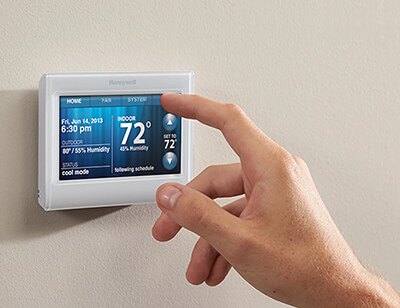
Smart thermostatshelp keep your home comfortable by adjusting the temperature automatically. They learn your daily habits and change settings to save energy. This means less worry about setting the air conditioner at the right temperature.
Remote control featuresallow you to change the temperature from anywhere using your phone. Whether you are at work or on vacation, you can make your home cool before you arrive. This saves time and energy.

Credit: blossomaircon.com
Seasonal Temperature Adjustments
The best temperature in summer is around 78°F (25°C). This helps save energy and keeps rooms cool. Use fans to help circulate air. Close blinds during the day to block sunlight. This keeps your house cooler naturally. Always check your air filter. Clean or replace it regularly for better performance.
As it gets cooler, set the temperature to 68°F (20°C). This keeps your home warm and comfortable. Wear warm clothes to stay cozy. Open curtains during the day for natural warmth from the sun. At night, close them to keep the heat in. Keep the air conditioner clean for best results. A clean unit works better and lasts longer.
Cost Savings With Optimal Temperature
Setting your air conditioner to around 78°F (25-26°C)helps save energy and money. This temperature keeps rooms cool without using too much electricity. Lower temperatures make the AC work harder, raising your bills.
Simple habits also help reduce electricity costs:
- Close windows and doors to keep cool air in.
- Use fans to help circulate air.
- Turn off the AC when no one is home.
Maintaining your AC is key for efficiency. Clean or replace filters every 1-2 months. Dirty filters block airflow and waste energy. Check the outdoor unit for debris and keep it clear. Regular service ensures the system runs smoothly and lasts longer.

Credit: www.healthkart.com
Frequently Asked Questions
What Is The Ideal Temperature For An Air Conditioner?
The ideal AC temperature is typically between 72°F and 78°F. This range balances comfort and energy efficiency, keeping you cool without high power usage. Adjust based on your personal comfort and outdoor conditions.
How Does Temperature Affect Air Conditioner Efficiency?
Higher thermostat settings reduce AC energy use. Each degree above 72°F can save about 3-5% on cooling costs. Lower temperatures force the AC to work harder, increasing energy consumption and wear.
Should I Keep My Air Conditioner Temperature Constant?
Yes, maintaining a steady temperature prevents energy spikes. Frequent changes make the AC work harder, reducing efficiency and lifespan. Set a comfortable temperature and avoid constant adjustments.
What Temperature Saves The Most Energy With Ac?
Setting your AC at 78°F when home saves the most energy. This temperature minimizes power use while keeping the room comfortably cool. Use fans to enhance comfort without lowering AC settings.
Conclusion
Setting the right temperature helps save energy and money. Keep your air conditioner around 24-26°C for comfort. This range cools the room without using too much power. It also protects the environment by reducing waste. Small changes in temperature can make a big difference.
Adjust your AC based on the weather and your needs. Stay cool, save energy, and enjoy a comfortable home all day. Simple steps lead to better results.