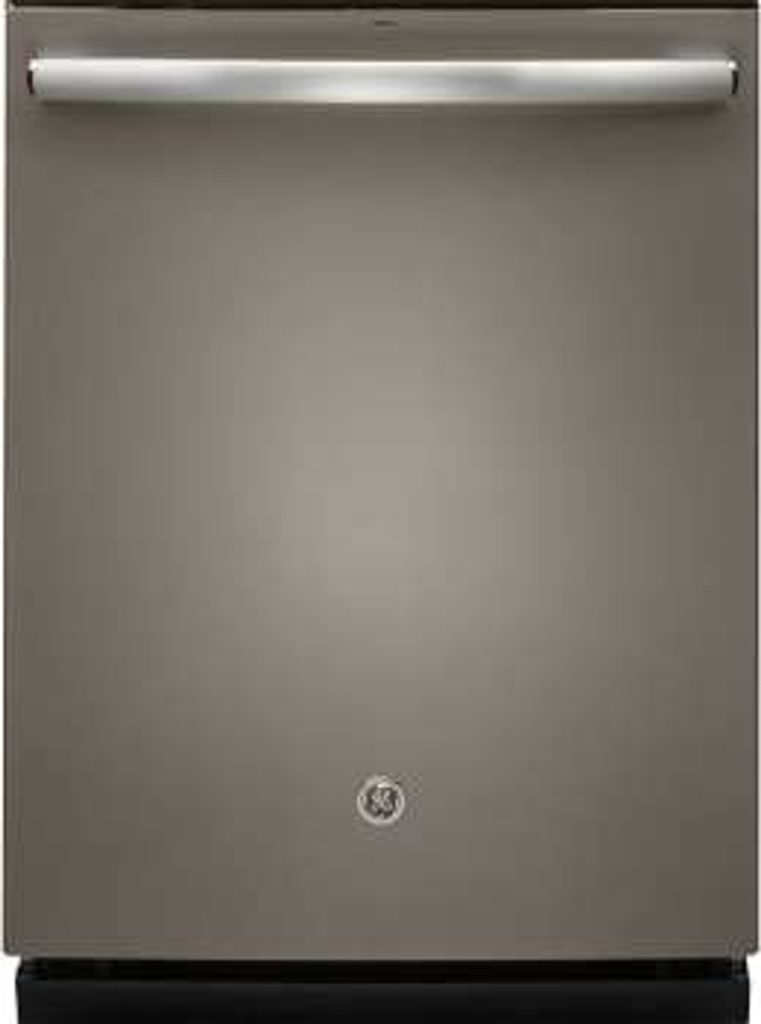
Ever wondered if there’s a way to simplify your dishwashing routine while dealing with stubborn food scraps? Enter the hard food disposer dishwasher, a game-changer for your kitchen.
Imagine never having to rinse every plate meticulously before loading it into the dishwasher. This appliance not only saves you time but also enhances your kitchen’s efficiency. You’re about to discover how this unique feature can transform your dishwashing experience, making it easier and more effective.
Ready to find out how a hard food disposer dishwasher can simplify your life and keep your kitchen cleaner than ever? Let’s dive in and uncover the secrets behind this innovative technology.

Credit: www.shopwesco.com
Hard Food Disposer Dishwasher Basics
A hard food disposer dishwasher combines two kitchen appliances into one. It grinds leftover food while cleaning dishes. This appliance saves time and reduces waste. It helps keep your kitchen clean and hygienic.
How It Works
The disposer uses a motor to grind food scraps into tiny pieces. These pieces wash away with water during the dishwasher cycle. The dishwasher cleans dishes with soap and hot water. Both functions work together to clean dishes and remove food waste efficiently.
Key Components
- Grinding Chamber: Where food waste is broken down.
- Motor: Powers the grinding blades.
- Blades: Chop food into small bits.
- Dishwasher Tub: Holds and sprays water for cleaning dishes.
- Drain System: Removes water and food waste safely.
Types Available
There are several types of hard food disposer dishwashers. Some have built-in disposers under the sink. Others have integrated grinding units inside the dishwasher. Models differ by grinding power, size, and noise level. Choose one that fits your kitchen needs and space.
Installation Process
The installation process of a hard food disposer dishwasher might seem tricky at first, but it’s quite manageable with the right approach. Knowing what tools to have on hand and understanding each step clearly can save you from frustration and extra costs. Let’s break down what you’ll need and how to get your dishwasher up and running smoothly.
Required Tools
- Adjustable wrench – essential for tightening plumbing connections.
- Screwdriver (both flathead and Phillips) – for securing mounting brackets and panels.
- Pipe wrench – handy for loosening or tightening drain pipes.
- Plumber’s putty or silicone sealant – to prevent leaks around connections.
- Bucket and towels – to catch any water spills during disconnection of old equipment.
- Teflon tape – to ensure watertight threaded connections.
Having these tools ready before you start will help you avoid multiple trips to the hardware store and keep the installation process smooth.
Step-by-step Setup
First, turn off the water supply and electricity to the area where you’re working. Safety always comes first.
Next, disconnect your existing plumbing and dishwasher connections carefully. Use a bucket to catch any water left in the pipes.
Attach the mounting bracket of your hard food disposer dishwasher firmly to the sink drain. This ensures stability during operation.
Connect the dishwasher drain hose to the disposer’s inlet. Ensure it’s secured tightly to prevent leaks.
Reconnect the water supply and electrical connections. Double-check all connections are secure before turning everything back on.
Finally, run a test cycle to ensure your installation is leak-free and the disposer works as expected.
Common Challenges
One common issue is misaligning the drain hose. If it’s too tight or kinked, water won’t flow properly, causing backups or leaks.
Another challenge is dealing with old, corroded plumbing fittings. These may require replacement before installing new connections.
Electrical wiring can also be tricky if it doesn’t match your disposer’s requirements exactly. Consulting an electrician might be necessary.
Have you ever started a home project only to realize you missed a small but critical part? Installation often tests patience, but careful prep and attention to detail can save you time and headaches.
Benefits Of Hard Food Disposer Dishwashers
Hard food disposer dishwashers combine two essential kitchen tools into one. They grind food waste and clean dishes efficiently. This combination brings multiple benefits that improve kitchen tasks. Below are some key advantages of using these dishwashers.
Improved Cleaning Efficiency
Food particles are ground into small pieces before washing. This prevents clogs and ensures cleaner dishes. The dishwasher can focus on washing, not removing stuck food. It reduces the need to pre-rinse plates. This saves time and effort.
Environmental Advantages
Grinding food waste reduces the volume sent to landfills. Less waste means lower methane gas emissions. It also supports better waste management systems. Using less water during dishwashing helps conserve resources. This approach is eco-friendly and supports sustainable living.
Convenience In Kitchen
No need to scrape or rinse dishes extensively. Food waste is disposed of immediately while washing. This cuts down on kitchen mess and unpleasant odors. It makes dishwashing faster and less tiring. The process feels smoother and more natural.
Cost Savings
Less water and detergent usage lowers utility bills. Reduced waste disposal fees can save money. Fewer plumbing issues mean less maintenance cost. The dishwasher runs more efficiently over time. These savings add up, benefiting household budgets.
Maintenance Tips
Maintaining your hard food disposer dishwasher ensures it works efficiently for years. Simple care routines prevent build-up and clogs. Regular upkeep reduces repair needs and keeps your kitchen clean.
Regular Cleaning
Clean the disposer and dishwasher regularly to avoid odors and blockages.
- Run cold water and turn on the disposer for 30 seconds after each use.
- Use a mixture of baking soda and vinegar monthly to clear buildup.
- Remove and clean the splash guard to prevent grime.
- Wipe down the exterior with a damp cloth to keep it shiny.
Troubleshooting Issues
Identify common problems early to avoid bigger repairs.
- Listen for strange noises indicating jams or loose parts.
- Check for leaks under the sink regularly.
- Reset the disposer using the button at the bottom if it stops working.
- Clear stuck food particles with a wooden spoon, never your hand.
Extending Lifespan
Proper use and care increase your appliance’s durability.
- Avoid disposing of hard items like bones or fruit pits.
- Run the dishwasher and disposer together to flush waste effectively.
- Use cold water only during operation to solidify grease.
- Schedule professional inspections every year for thorough maintenance.
Comparing Alternatives
Choosing the right appliance for handling your kitchen waste and dirty dishes can be tricky. You want something efficient, easy to use, and that fits your lifestyle. Comparing the main options—traditional dishwashers, standard food disposers, and combination models—helps you make a smart choice.
Traditional Dishwashers
Traditional dishwashers focus solely on cleaning your dishes. They use water jets and detergent to remove food residues but don’t handle solid waste directly. This means you still need to scrape or rinse plates before loading them, which can be time-consuming.
If you often deal with tough, stuck-on food, traditional dishwashers might struggle without a pre-rinse. However, they usually offer more space for larger loads and come with different cycle options to save water and energy.
Standard Food Disposers
Standard food disposers sit under your sink and grind food scraps into tiny pieces that flush away easily. They’re great for reducing landfill waste and preventing clogged drains caused by food leftovers.
But remember, disposers don’t clean dishes—they only handle waste. If you hate scraping plates or want to avoid smelly trash, a disposer can be a real help. Yet, they can’t replace the dishwashing cycle itself.
Combination Models
Combination models merge the best of both worlds by offering grinding and dishwashing functions in one unit. This means you can rinse and dispose of food scraps while your dishes get cleaned automatically.
These models save space and reduce the number of appliances in your kitchen. However, they tend to be pricier and may require more maintenance. Ask yourself if you need this level of convenience or if separate devices work better for your kitchen habits.
Choosing The Right Model
Choosing the right hard food disposer dishwasher can make a big difference in your kitchen’s efficiency and your daily routine. It’s not just about picking the most powerful or the cheapest model. You need to balance several factors to find one that truly fits your household’s needs.
Capacity Considerations
Think about how much food waste your household generates. A small family might do well with a compact model, while larger families need a bigger capacity to avoid frequent emptying. Don’t overlook the size of your sink and available space under the counter, as some units require more room than others.
Have you noticed how often your current disposer fills up? That’s a good indicator of whether you need a larger capacity. Also, if you entertain often or cook big meals, a higher capacity model can save you time and hassle.
Power And Noise Levels
Power affects how well the disposer breaks down tough food scraps. Models with higher horsepower can handle harder waste like bones and fibrous vegetables more easily. However, more power often means more noise, which can be annoying in open-plan homes.
Look for disposers with sound insulation or anti-vibration features if noise bothers you. Some brands offer quieter models without sacrificing power. Ask yourself how important a quiet kitchen is during your busiest cooking times.
Price Range
Hard food disposer dishwashers come in a wide price range. Basic models are affordable but might lack durability or advanced features. On the other hand, premium models offer better build quality, quieter operation, and longer warranties but come at a higher cost.
Set a budget but be flexible if a slightly more expensive model offers better long-term value. Sometimes spending a bit more upfront can save you money on repairs or replacements later. What features are worth paying extra for in your daily kitchen use?
User Experiences
User experiences reveal real insights about hard food disposer dishwashers. They share practical benefits and challenges. This feedback helps understand everyday use and performance. Users also offer useful tips for better results. Exploring these views gives a clear picture of what to expect.
Positive Feedback
- Many users appreciate the convenience of built-in food disposal.
- The dishwasher saves time by reducing pre-washing effort.
- Users mention cleaner dishes with less leftover food.
- Noise levels are often described as low or acceptable.
- Energy and water savings are common benefits shared.
Common Complaints
- Some users report occasional clogging or slow drainage.
- Maintenance can be tricky without clear instructions.
- A few users find the initial cost higher than standard models.
- Noise can be louder in certain kitchen setups.
- Parts replacement may be costly or hard to find.
Tips From Users
- Run hot water before starting the dishwasher to prevent clogs.
- Clean filters regularly to maintain performance.
- Avoid putting large bones or fibrous food into the disposer.
- Use the disposer function only when necessary to save energy.
- Read the manual carefully to understand all features.
Credit: www.airportappliance.com

Credit: www.us-appliance.com
Frequently Asked Questions
What Is A Hard Food Disposer Dishwasher?
A hard food disposer dishwasher combines a garbage disposal with a dishwasher. It grinds food waste while washing dishes. This system reduces clogs and improves kitchen cleanliness. It offers efficient waste management and dishwashing in one appliance.
How Does A Hard Food Disposer Dishwasher Work?
It grinds leftover food particles during dishwashing cycles. The disposer breaks down hard food waste into small pieces. Water flow pushes waste through plumbing easily. This prevents drain blockages and keeps the dishwasher running smoothly.
What Are The Benefits Of A Disposer Dishwasher?
It prevents clogged drains by disposing of food waste effectively. It reduces kitchen odors and saves cleaning time. This appliance improves hygiene and ensures better dishwasher performance. It is an eco-friendly and convenient kitchen solution.
Can All Dishwashers Have A Hard Food Disposer?
No, only specific dishwasher models support hard food disposers. Installation requires compatible plumbing and electrical connections. Check product specifications before purchasing to ensure compatibility. Professional installation is recommended for optimal performance.
Conclusion
A hard food disposer dishwasher helps clean tough food scraps easily. It saves time and keeps your kitchen tidy. This appliance works well for busy households. It prevents clogged drains and reduces waste. Using one makes dishwashing simpler and faster.
Choose a model that fits your needs and budget. Enjoy cleaner dishes with less effort every day. This tool can make a big difference in your kitchen routine. Simple, useful, and efficient—worth considering for any home.