Are you looking for a smart and efficient way to heat and cool your home? A heat pump split system might be exactly what you need.
This technology can help you save money on energy bills while keeping your space comfortable all year round. But what is a heat pump split system, and how does it work? You’ll discover everything you need to know to make an informed choice for your home.
Keep reading to find out how this system can transform your comfort and lower your energy costs.
Heat Pump Split System Basics
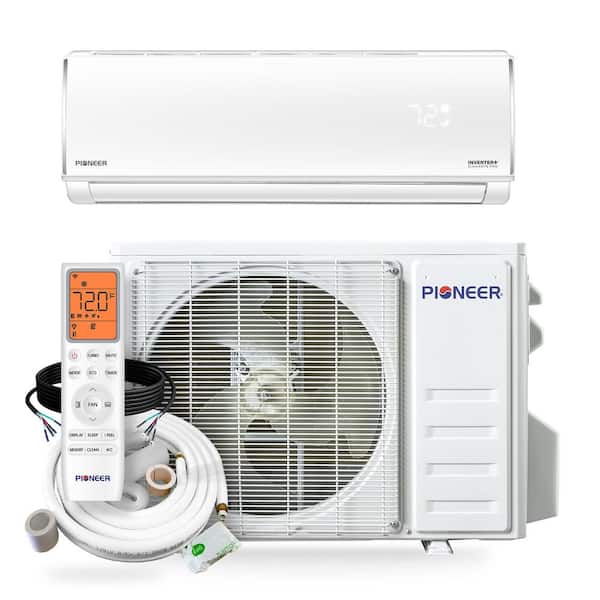
A heat pump split system moves heat between indoors and outdoors. It can warm or cool a home efficiently. This system uses two main units connected by pipes.
These systems are popular for saving energy and providing comfortable temperatures year-round. They work well in many climates.
Definition And Components
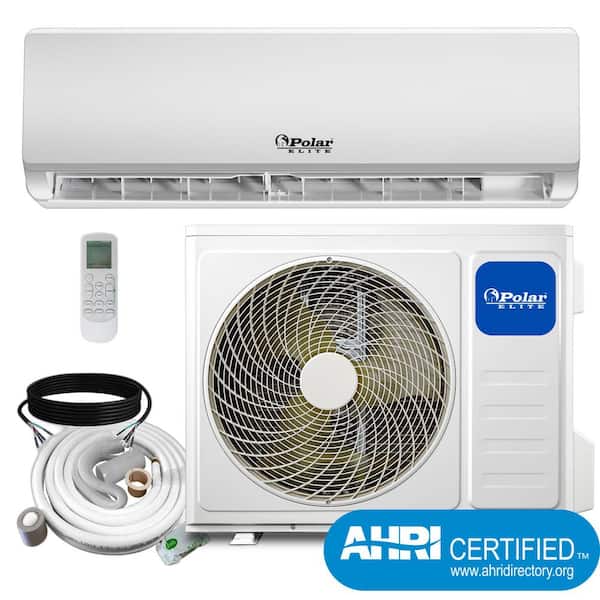
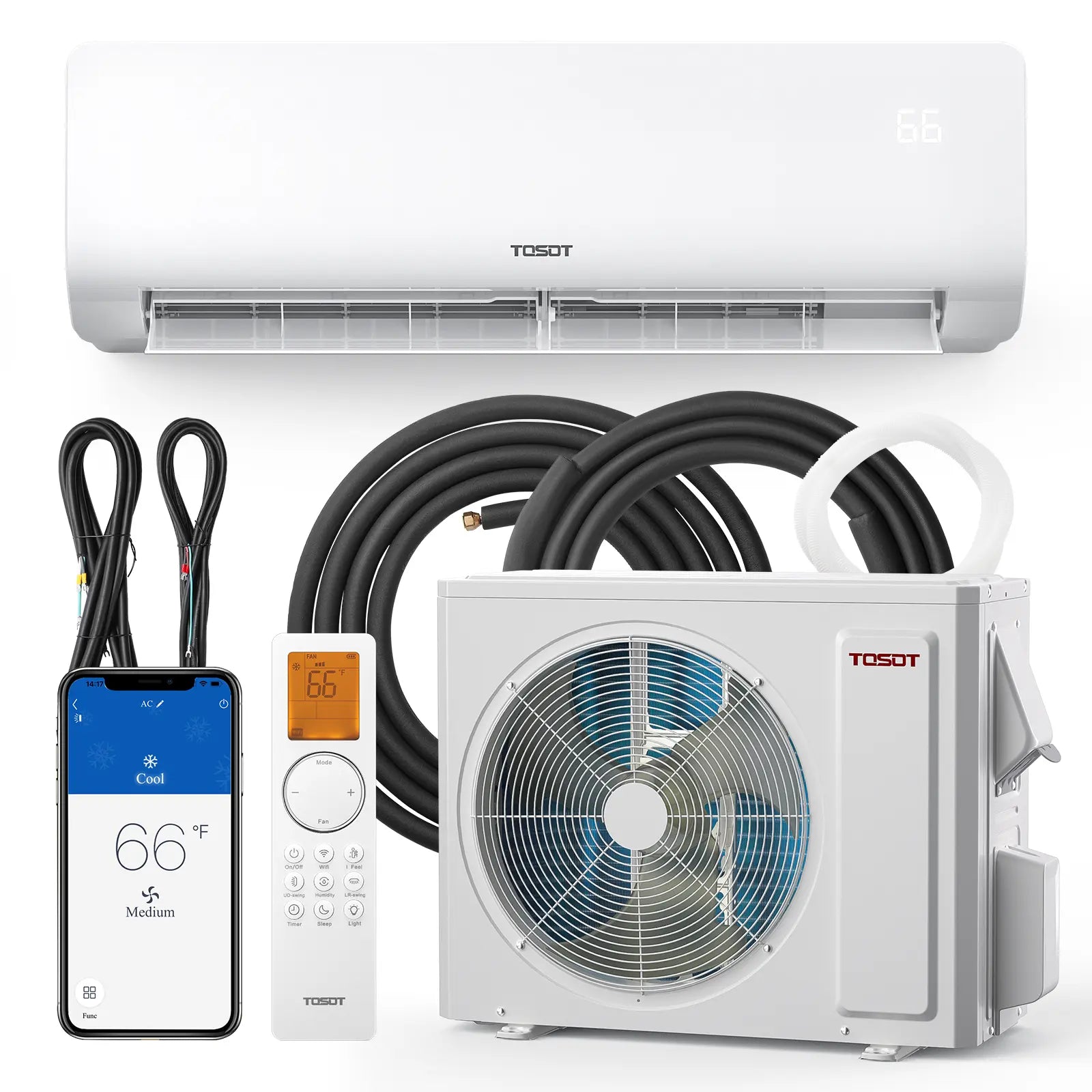
A heat pump split system has two parts: an indoor unit and an outdoor unit. The indoor unit is inside the house, and the outdoor unit sits outside.
- Indoor Unit:Contains the evaporator coil and air handler.
- Outdoor Unit:Houses the compressor and condenser coil.
- Refrigerant Lines:Connect the indoor and outdoor units to carry refrigerant.
- Thermostat:Controls the system to keep desired temperatures.
How It Works
The heat pump moves heat by changing refrigerant from liquid to gas and back. It extracts heat from the air outside and brings it inside to warm the home.
| Mode | Process |
| Heating | Refrigerant absorbs heat outside, compresses it, then releases heat inside. |
| Cooling | Refrigerant absorbs heat inside, compresses it, then releases heat outside. |
Credit: www.homedepot.com
Types Of Heat Pump Split Systems
Heat pump split systems come in different types. Each type uses a unique way to heat and cool your home.
Knowing these types helps you choose the right system for your needs. Let’s look at the main types of heat pump split systems.
Air Source Split Systems
Air source split systems take heat from the outside air. They move this heat inside to warm your home.
In summer, they work in reverse. They remove heat from inside and send it outside to cool your home.
- Easy to install and maintain
- Works well in mild climates
- Can lose efficiency in very cold weather
Ground Source Split Systems
Ground source split systems use the earth as a heat source. Pipes are buried underground to capture heat.
These systems are very efficient because the ground stays at a steady temperature year-round.
- Works well in all climates
- Higher installation cost
- Long lifespan and low operating cost
Hybrid Systems
Hybrid systems combine a heat pump with a gas furnace. They switch between the two for best efficiency.
These systems save energy by using the heat pump in mild weather and the furnace when it is very cold.
- Offers reliable heating in cold climates
- Reduces fuel consumption
- More complex system to install
Installation Process
Installing a heat pump split system requires careful planning and precise work. The process ensures the system works efficiently and lasts a long time.
This guide covers the main parts of the installation process, from checking the site to choosing between professional and DIY installation.
Site Assessment
Site assessment checks the best location for the heat pump units. It looks at space, airflow, and electrical access.
- Measure available outdoor and indoor space
- Check wall strength for mounting the indoor unit
- Ensure good airflow around outdoor unit
- Locate power supply and wiring routes
- Identify any obstacles or noise concerns
Installation Steps
The installation process follows a series of steps to connect both units and set up the system.
- Mount the indoor unit on a secure wall bracket
- Place the outdoor unit on a firm base or bracket
- Run refrigerant lines and electrical cables between units
- Connect drainage pipes to remove condensation
- Vacuum the refrigerant lines to remove air and moisture
- Charge the system with refrigerant
- Test the system for leaks and proper operation
- Program the thermostat and controls
Professional Vs. Diy Installation
Choosing between professional and DIY installation affects safety and system performance. Professionals bring skills and tools. DIY can save money but carries risks.
| Factor | Professional Installation | DIY Installation |
|---|---|---|
| Experience | Trained and certified technicians | Limited or no experience |
| Tools | Specialized equipment for refrigerant and electrical work | Basic household tools only |
| Safety | Follows all safety codes and regulations | Risk of injury or system damage |
| Warranty | Usually includes warranty coverage | May void manufacturer warranty |
| Time | Faster and more efficient | May take much longer |

Credit: homeoutletdirect.com
Efficiency And Performance
A heat pump split system is a popular choice for heating and cooling homes. It moves heat from one place to another to keep rooms comfortable.
Understanding its efficiency and performance helps you know how well it saves energy and works in different weather.
Energy Efficiency Ratings
Energy efficiency ratings show how much heat a system uses compared to the energy it consumes. Higher ratings mean better efficiency.
Common ratings include SEER for cooling and HSPF for heating. These numbers help compare different heat pump models.
- SEER (Seasonal Energy Efficiency Ratio) measures cooling efficiency.
- HSPF (Heating Seasonal Performance Factor) measures heating efficiency.
- Higher SEER and HSPF values mean lower energy bills.
Factors Affecting Efficiency
Several things affect how efficient a heat pump split system works. Proper installation is very important for good performance.
Other factors include system size, maintenance, and the quality of insulation in the home.
- Correct system size matches the home’s heating and cooling needs.
- Regular maintenance keeps parts clean and working well.
- Good home insulation reduces heat loss and gain.
- Thermostat settings impact how often the system runs.
Performance In Different Climates
Heat pump split systems work best in mild climates. They can cool and heat efficiently without using much extra energy.
In very cold areas, the system may need backup heating to keep the home warm. Some models have features to improve cold-weather performance.
- Mild climates allow the heat pump to run efficiently year-round.
- Cold climates may require supplemental heating.
- Some heat pumps use advanced technology for low-temperature operation.
- Humidity levels also affect system performance and comfort.
Cost And Savings
A heat pump split system can offer a smart way to heat and cool your home. Understanding the cost and savings helps you decide if it fits your budget and needs.
Let’s look at the initial cost, long-term savings, and any government help you might get.
Initial Investment
The upfront cost includes buying the system and professional installation. Prices vary based on system size and brand.
- System cost ranges from $3,000 to $7,000
- Installation fees usually run between $1,000 and $3,000
- Additional parts or upgrades may add to the cost
Long-term Savings
Heat pump split systems use less electricity than traditional heating and cooling. This reduces your energy bills over time.
| Year | Average Energy Savings |
| 1 | $300 |
| 5 | $1,500 |
| 10 | $3,000 |
Government Incentives
Many governments offer rebates or tax credits to lower your cost. These incentives can make heat pump split systems more affordable.
- Rebates up to $1,000 or more
- Tax credits reduce your yearly tax bill
- Some programs offer low-interest financing
Maintenance And Care
Heat pump split systems need regular care to work well. Proper maintenance keeps them efficient and saves money.
Cleaning and checking parts help avoid big repairs. It also makes the system last longer.
Routine Maintenance Tasks
Check filters monthly and clean or replace them if dirty. Dirty filters block airflow and reduce efficiency.
Clean the outdoor unit by removing leaves and dirt. Make sure nothing blocks the airflow around it.
- Replace or clean air filters every 1-3 months
- Clear debris around outdoor unit
- Inspect electrical connections for damage
- Check refrigerant levels yearly
- Clean evaporator and condenser coils
Troubleshooting Common Issues
If your system does not heat or cool well, check the thermostat settings first. Make sure it is set correctly.
Listen for unusual noises like rattling or buzzing. These sounds can show mechanical problems or loose parts.
- Thermostat set too low or high
- Clogged or dirty filters
- Blocked outdoor unit airflow
- Frozen coils due to low refrigerant
- Faulty electrical connections
Extending System Lifespan
Keep your heat pump split system clean and serviced regularly. Proper care helps it last many years.
Schedule professional checkups once a year. Experts find small problems before they become big.
- Clean or replace filters regularly
- Keep the outdoor unit free from debris
- Check and clean coils yearly
- Have a professional inspect the system annually
- Use the system as recommended by the manufacturer
Environmental Impact
A heat pump split system moves heat from one place to another. It uses less energy than traditional heating or cooling systems. This makes it better for the environment.
By using electricity efficiently, heat pump split systems help reduce pollution and conserve resources.
Carbon Footprint Reduction
Heat pump split systems produce less carbon dioxide. They need less energy to heat or cool a space. This means fewer greenhouse gases are released.
Using a heat pump lowers your home’s carbon footprint. It helps fight climate change by cutting harmful emissions.
- Uses electricity efficiently
- Reduces fossil fuel use
- Lowers greenhouse gas emissions
Sustainable Energy Use
Heat pump split systems use renewable energy sources like air or ground heat. They do not burn fuel to create heat. This makes them a sustainable choice.
These systems work well with solar or wind power. This helps lower reliance on non-renewable energy and protects natural resources.
- Uses natural heat from the environment
- Can be powered by renewable electricity
- Supports energy conservation efforts
Choosing The Right System
Choosing a heat pump split system is important for comfort and savings.
It is good to know what to look for before buying one.
Factors To Consider
Size and capacity must match the room size for best results.
- Energy efficiency rating to save electricity costs
- Noise level for quieter operation
- Installation space and location requirements
- Climate suitability for heating and cooling needs
- Maintenance needs and filter types
Consulting With Experts
Experts can help select the right system based on your needs.
| Expert Type | How They Help |
| HVAC Technician | Measures home and suggests proper unit size |
| Electrician | Checks wiring and power compatibility |
| Installer | Recommends system placement and setup |
Credit: tosotdirect.com
Frequently Asked Questions
What Is A Heat Pump Split System?
A heat pump split system is an HVAC setup with two main units. One is installed inside, and the other outside. It provides both heating and cooling efficiently, using less energy than traditional systems.
How Does A Heat Pump Split System Work?
It transfers heat between indoor and outdoor units. During winter, it extracts heat from outside air to warm indoors. In summer, it removes indoor heat to cool your home effectively.
What Are The Benefits Of Heat Pump Split Systems?
They save energy, reduce utility bills, and provide year-round comfort. These systems are quieter, easier to install, and more environmentally friendly than conventional heating or cooling options.
Are Heat Pump Split Systems Suitable For All Climates?
They work best in mild to moderate climates. In extremely cold areas, their efficiency may drop, but modern models still perform well with supplemental heating options.
Conclusion
A heat pump split system offers efficient heating and cooling. It uses less energy than traditional systems. This saves money on electricity bills. The system works quietly and keeps your home comfortable. Installation is flexible and fits many spaces. Maintenance is simple and does not take much time.
Choosing this system supports a greener environment. Overall, it provides reliable comfort throughout the year. Consider it a smart choice for your home’s climate needs.