Have you ever wondered how your home can stay fresh and comfortable without wasting energy? A Heat Recovery Ventilation (HRV) system might be the answer you’re looking for.
This clever technology helps bring fresh air into your space while saving energy by capturing heat from the air you’re already using. If you want to improve your indoor air quality and reduce your energy bills, understanding how an HRV system works is key.
Keep reading to discover how this smart system can make your home healthier and more efficient.
Basics Of Heat Recovery Ventilation
A Heat Recovery Ventilation (HRV) system helps to bring fresh air into buildings. It removes stale air while saving energy.
This system keeps indoor air clean and reduces heating or cooling costs. It works well in tight, well-insulated homes.
Core Components
An HRV system has a few main parts that work together to exchange air efficiently. Each part has a special role.
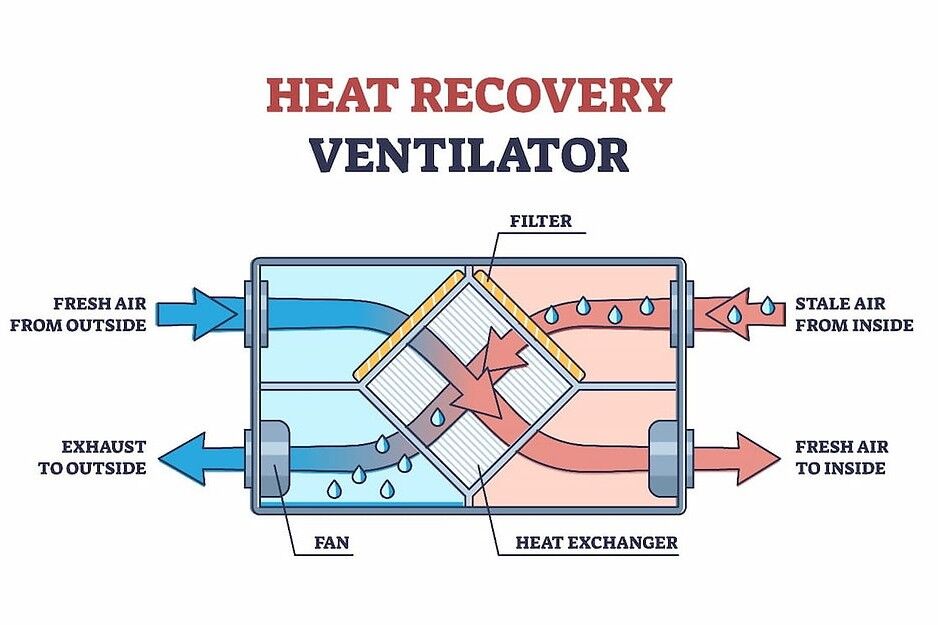
- Heat Exchanger:Transfers heat between outgoing and incoming air without mixing them.
- Fans:Move fresh air inside and push stale air outside.
- Filters:Clean the incoming air by removing dust and pollen.
- Ductwork:Channels air through the system to different rooms.
How It Works
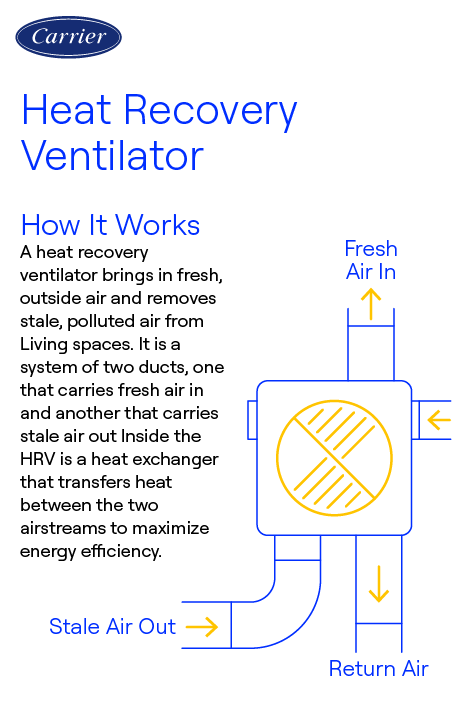
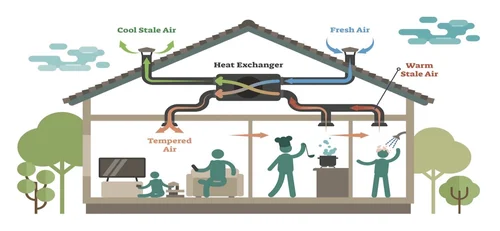
The HRV system pulls stale air from inside the house and fresh air from outside. These airflows pass through the heat exchanger.
The heat exchanger transfers heat from the warm outgoing air to the cold incoming air. This warms the fresh air without mixing the two.
- Stale indoor air flows out through one duct.
- Fresh outdoor air flows in through another duct.
- Heat passes between the two air streams inside the heat exchanger.
- Fresh air enters the home at a comfortable temperature.
- Stale air leaves the home, carrying moisture and pollutants.
Energy Saving Benefits
A Heat Recovery Ventilation (HRV) system helps save energy in homes and buildings. It recycles heat from the air leaving the space and uses it to warm fresh air coming in.
This process reduces the need to use extra energy for heating or cooling. It keeps indoor air fresh without wasting heat or cool air.
Reducing Heating And Cooling Costs
HRV systems lower heating and cooling bills by reusing heat. They transfer warmth from the outgoing air to the incoming air during cold months.
In warm months, the system helps remove heat from incoming air, easing the work of air conditioners. This leads to less energy use and lower costs.
- Less need for heaters in winter
- Reduced use of air conditioners in summer
- Stable indoor temperature with less energy
- Energy savings add up over time
Improving Indoor Air Quality
HRV systems bring fresh air inside while removing stale air. This improves indoor air quality without losing heat or coolness.
They reduce humidity, odors, and indoor pollutants. Better air quality helps people breathe easier and feel healthier.
- Fresh air supply all day
- Less moisture buildup and mold risk
- Removes dust and allergens
- Creates a cleaner, healthier home
Types Of Heat Recovery Systems
Heat recovery ventilation systems improve indoor air quality by exchanging stale air with fresh air. They save energy by recovering heat from the outgoing air.
There are different types of heat recovery systems. Each type works in a unique way to balance air flow and heat exchange.
Balanced Ventilation
Balanced ventilation systems bring fresh air in and remove stale air out in equal amounts. They use two fans to keep air pressure steady inside.
These systems have a heat exchanger that transfers heat from the outgoing air to the incoming air. This helps keep the indoor temperature stable.
- Equal intake and exhaust airflow
- Heat exchanger transfers heat between air streams
- Maintains indoor air pressure balance
- Improves energy efficiency
Exhaust Ventilation
Exhaust ventilation systems remove stale air from inside a building. They use a fan to push air out through vents or ducts.
Fresh air enters passively through openings like windows or vents. This system is simple but may lose some heat during air exchange.
- Uses fan to exhaust indoor air
- Fresh air enters through passive vents
- Simple design with fewer parts
- Less heat recovery than balanced systems
Supply Ventilation
Supply ventilation systems bring fresh air into the building using a fan. They push clean air through ducts or vents inside.
Stale air leaves through passive vents or leaks. This system can filter and condition incoming air before it enters the home.
- Uses fan to supply fresh air
- Exhaust air leaves passively
- Can filter and condition incoming air
- May create positive indoor pressure
Credit: www.carrier.com
Choosing The Right System
Choosing a heat recovery ventilation system means thinking about your home and needs. The right system helps keep fresh air inside while saving energy.
You must pick a system that fits your space and works well with your lifestyle.
Factors To Consider
Look at the following before buying a system. These factors affect how well it works and how much it costs.
- Type of ventilation: balanced, exhaust, or supply
- Energy efficiency ratings and certifications
- Noise levels during operation
- Maintenance needs and filter replacement
- Compatibility with your current heating or cooling system
Sizing And Capacity
Correct sizing means the system can handle the air volume in your home. Too big or too small causes problems.
| Home Size (sq ft) | Recommended Airflow (CFM) | System Capacity |
| Up to 1,000 | 50-75 | Small |
| 1,000-2,000 | 75-150 | Medium |
| 2,000-3,000 | 150-225 | Large |
| 3,000+ | 225+ | Extra Large |
Installation Tips
Installing a heat recovery ventilation system helps improve air quality and save energy. Proper setup is key for the system to work well.
Use these tips to place and install the system correctly. Avoid common problems that can reduce its efficiency.
Placement And Setup
Choose a spot with easy access for maintenance. The system should connect to main living areas for best airflow.
Keep the unit away from heat sources and moisture. Proper sealing of ducts prevents air leaks and energy loss.
- Install near exterior walls for easy venting
- Ensure space for filters and cleaning
- Seal all duct joints tightly
- Avoid placing near bathrooms or kitchens to reduce moisture issues
Common Challenges
Some problems may happen during or after installation. Poor placement can cause noise and reduce airflow.
Filters can clog if not cleaned regularly. Incorrect duct design may lower system performance.
- Noisy operation due to loose parts
- Moisture buildup causing mold
- Low airflow from blocked ducts
- High energy use from leaks or poor sealing

Credit: en.wikipedia.org
Maintenance And Troubleshooting
A Heat Recovery Ventilation (HRV) system helps keep air fresh while saving energy. Proper care keeps it running well. Troubleshooting fixes common problems early.
Regular checks prevent damage and keep air quality high. This guide covers routine care and how to spot issues fast.
Routine Care
Routine care includes cleaning and inspecting parts. This keeps the system efficient and extends its life.
- Clean or replace filters every 3 to 6 months
- Wipe down vents and grilles to remove dust
- Check the heat exchanger for dirt build-up
- Ensure the drain pan is clear and draining properly
- Inspect and clean the fan blades for dust or debris
- Check seals and insulation for damage
Identifying Issues
Knowing common issues helps you act fast. Watch for unusual sounds, smells, or poor airflow.
| Problem | Possible Cause | Action |
| Weak airflow | Dirty filters or blocked vents | Clean or replace filters and check vents |
| Strange noise | Loose fan or debris in system | Tighten parts and remove debris |
| Bad odor | Mold or bacteria in system | Clean system and replace filters |
| Water leaks | Clogged drain or damaged pan | Clear drain and inspect pan for damage |
| System not turning on | Power issues or faulty controls | Check power supply and reset controls |
Cost And Savings Analysis
A heat recovery ventilation system helps improve air quality and save energy. Understanding the costs and savings is important before choosing one.
This analysis covers the initial investment and long-term savings you can expect from this system.
Initial Investment
The initial cost includes buying the system and installation. Prices vary based on size and brand. Installation needs a professional for best results.
- System purchase: $1,000 to $3,000
- Installation fees: $500 to $2,000
- Additional ductwork or modifications
- Optional controls and sensors
Long-term Savings
Heat recovery ventilation reduces heating and cooling costs. It recycles energy from outgoing air to warm or cool incoming air.
| Year | Energy Savings | Maintenance Cost | Net Savings |
|---|---|---|---|
| 1 | $300 | $50 | $250 |
| 5 | $1,500 | $250 | $1,250 |
| 10 | $3,000 | $500 | $2,500 |
Future Trends In Ventilation
Heat recovery ventilation systems help keep air fresh and save energy. New trends focus on making these systems smarter and greener.
These changes improve indoor air quality and reduce energy costs. Let’s look at two key areas shaping the future of ventilation.
Smart Technology Integration
Smart technology allows ventilation systems to adjust automatically. Sensors can detect air quality, humidity, and temperature to optimize airflow.
- Real-time air quality monitoring
- Automated fan speed control
- Remote system management via apps
- Energy use tracking and reporting
Sustainable Innovations
New materials and designs make ventilation systems eco-friendly. These innovations reduce waste and lower carbon footprints.
| Innovation | Benefit |
| Low-energy fans | Less electricity use |
| Recycled filters | Reduces landfill waste |
| Solar-powered units | Uses renewable energy |
| Advanced heat exchangers | Better heat recovery |
Credit: www.ehprenewables.com
Frequently Asked Questions
What Is A Heat Recovery Ventilation System?
A Heat Recovery Ventilation (HRV) system is a mechanical ventilation system. It improves indoor air quality by exchanging stale indoor air with fresh outdoor air. The system conserves energy by transferring heat between incoming and outgoing air streams. This process enhances energy efficiency and maintains a comfortable indoor environment.
How Does A Heat Recovery Ventilation System Work?
HRV systems work by exchanging heat between indoor and outdoor air. They use heat exchangers to transfer warmth from outgoing stale air to incoming fresh air. This process reduces the energy needed to heat or cool incoming air, improving energy efficiency and maintaining indoor comfort.
Why Is Hrv Important For Homes?
HRV systems improve indoor air quality and reduce energy costs. They provide fresh air without losing indoor heat, enhancing energy efficiency. By preventing moisture build-up and stale air, HRV systems contribute to a healthier living environment, making them essential for modern homes.
Can Hrv Systems Save Energy Costs?
Yes, HRV systems can save energy costs. They minimize energy loss by transferring heat between outgoing and incoming air. This reduces the need for additional heating or cooling, leading to lower energy bills. HRV systems are an energy-efficient solution for maintaining indoor comfort.
Conclusion
A heat recovery ventilation system helps keep your home fresh and healthy. It moves stale air outside and brings fresh air in. At the same time, it saves energy by reusing heat. This system can lower heating and cooling costs.
It also reduces humidity and prevents mold. Installing one improves air quality and comfort. A small change with big benefits for your home. Consider this system for better indoor air all year. Simple, smart, and good for your living space.