Are you looking for a heating solution that keeps your home warm and cozy without the noise and dryness of traditional systems? A hydronic heating system might be exactly what you need.
Imagine a quiet, efficient way to spread heat evenly throughout your rooms, giving you comfort that feels natural and soothing. You’ll discover what a hydronic heating system is, how it works, and why it could be the perfect fit for your home.
Keep reading to find out how this smart heating method can change the way you experience warmth.
How Hydronic Heating Works
Hydronic heating uses hot water to warm a building. Water moves through pipes to spread heat evenly.
This system feels comfortable and uses less energy than some other heating types.
Basic Components
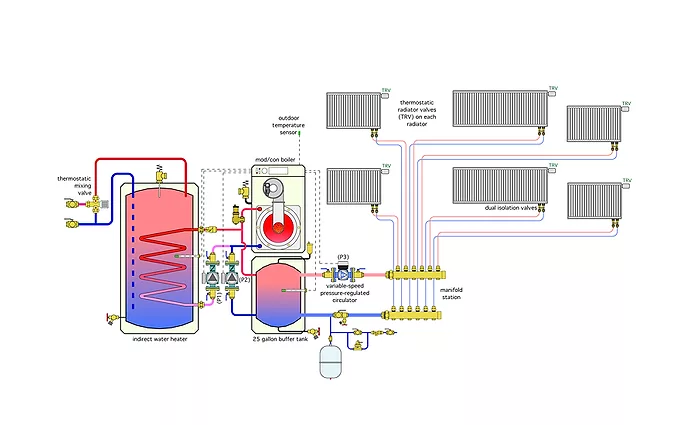
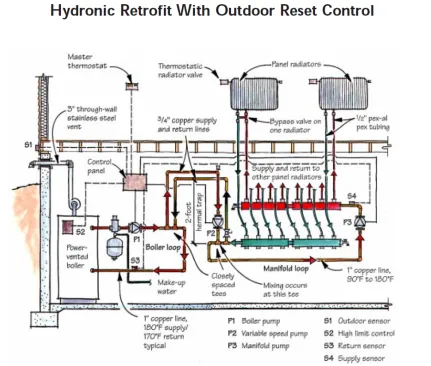
Hydronic heating has a few main parts. These parts work together to heat your space.
- Boiler: Heats the water
- Pipes: Carry hot water to rooms
- Radiators or baseboards: Release heat into rooms
- Thermostat: Controls the temperature
- Pump: Moves water through the system
Heat Transfer Process
The boiler heats water to a set temperature. The pump pushes hot water through pipes.
Water flows to radiators or baseboards. These parts send heat into the air of each room.
As water cools, it returns to the boiler to warm again. This cycle keeps your space warm.
Types Of Hydronic Systems
There are different hydronic systems depending on how water flows and how heat spreads.
- One-pipe system: Water flows through one pipe to all heaters
- Two-pipe system: Separate pipes carry water to and from heaters
- Radiant floor heating: Hot water warms the floor surface
- Baseboard heating: Hot water heats metal baseboards along walls
Benefits Of Hydronic Heating
Hydronic heating uses hot water to warm your home. It moves heat through pipes to radiators or floors.
This system offers many benefits over other heating methods. It saves energy, improves comfort, and controls heat well.
Energy Efficiency
Hydronic heating uses less energy than traditional forced-air systems. Water carries heat better than air, so it needs less power.
- Lower energy bills
- Less heat lost in pipes
- Can work with renewable energy sources
Comfort And Air Quality
This system heats rooms evenly without blowing air. It reduces dust and allergens, improving indoor air quality.
| Feature | Benefit |
| Even Heat | No cold spots in rooms |
| No Blowing Air | Less dust and allergens |
| Quiet Operation | More peaceful home |
Zoning Capabilities
Hydronic systems can heat different areas separately. You control each zone with its own thermostat.
- Save energy by heating only used rooms
- Adjust temperature for each space
- Increase comfort for all family members
Types Of Hydronic Heating Systems
Hydronic heating uses hot water to warm buildings. The water moves through pipes and warms the space.
There are different types of hydronic heating systems. Each uses heat in a unique way to warm your home.
Radiant Floor Heating
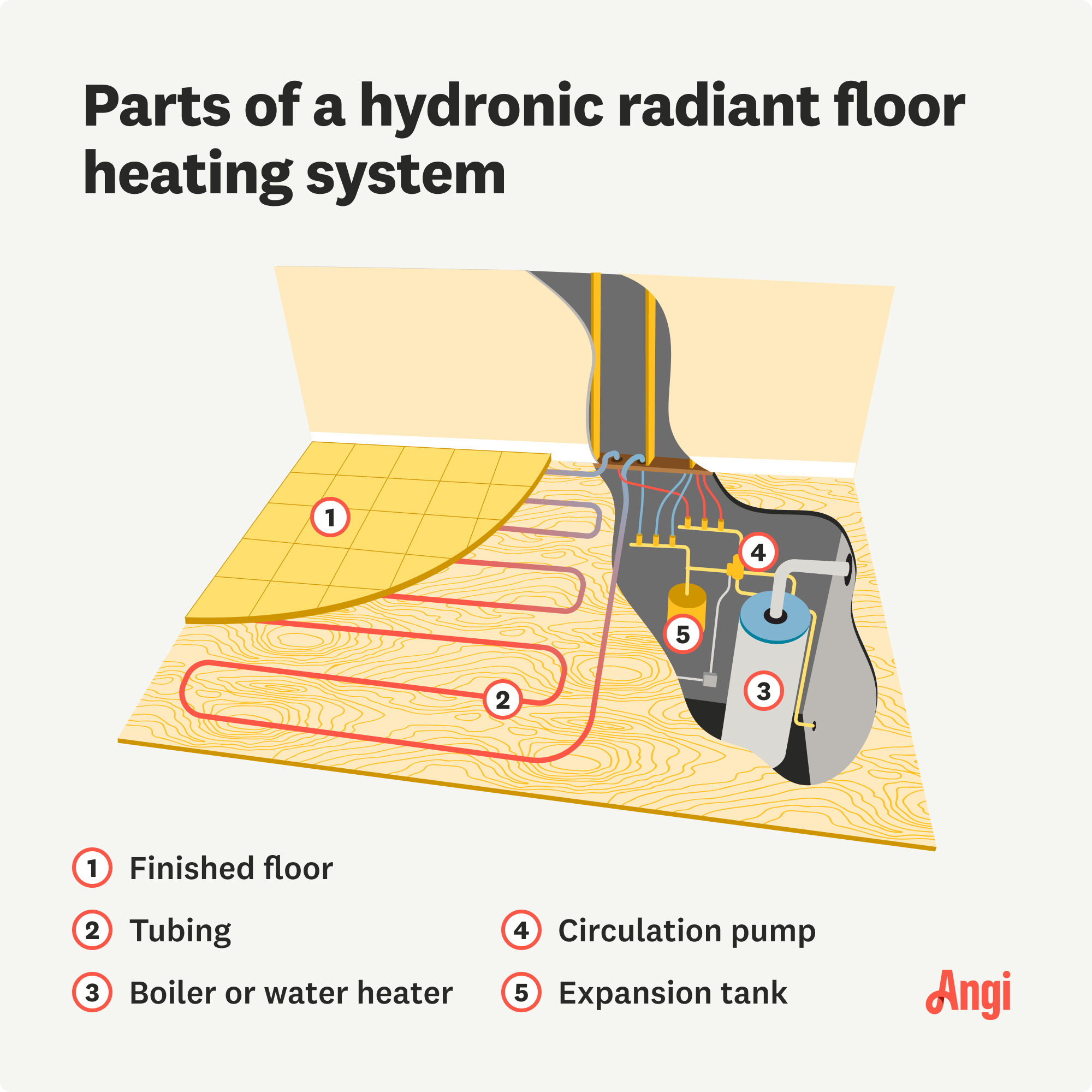
Radiant floor heating warms the floor surface by running hot water through tubes under the floor. The heat rises evenly and warms the room.
This system feels comfortable because it heats from the ground up. It is quiet and does not blow air.
- Uses tubing under floors
- Provides even heat
- Works well with tile and wood floors
- Energy efficient and quiet
Baseboard Heaters
Baseboard heaters are long, narrow units placed along walls near the floor. Hot water flows through pipes inside the baseboard to warm the air.
They heat rooms by warming the air near the floor, which then rises to heat the whole space. Baseboards are easy to install and control.
- Installed along baseboards
- Heats air near the floor
- Simple to operate
- Good for room-by-room heating
Radiators And Convectors
Radiators and convectors use hot water to heat metal surfaces. The heat then moves into the room by radiation and convection.
Radiators are often larger and heat by direct radiation. Convectors are smaller and heat air as it moves over fins.
- Radiators heat by radiation
- Convectors heat by air movement
- Both use hot water pipes
- Common in older and newer homes
Credit: www.jlconline.com
Energy Sources For Hydronic Systems
Hydronic heating systems use water or another liquid to carry heat. The energy source heats the liquid, which then warms your space. Various energy sources can power these systems.
Choosing the right energy source depends on cost, availability, and environmental impact. Below are common energy sources used in hydronic heating.
Boilers And Heat Pumps
Boilers burn fuel to heat water directly. Heat pumps move heat from outside air or the ground into the water. Both are common in hydronic systems.
Boilers work well in cold climates. Heat pumps use less energy but work best in milder areas.
Solar Integration
Solar energy can heat water for hydronic systems. Solar panels capture sunlight to warm the liquid. This reduces the need for other fuels.
- Solar thermal collectors
- Storage tanks for hot water
- Backup heating for cloudy days
Fuel Options
| Fuel Type | Description | Common Use |
| Natural Gas | Clean-burning fossil fuel | Widely used in boilers |
| Propane | Stored in tanks, portable | Rural or off-grid homes |
| Electricity | Used in heat pumps and electric boilers | Areas with clean power grids |
| Oil | Traditional fuel, more pollutants | Older systems in some regions |
| Biomass | Burns wood pellets or chips | Eco-friendly alternative |
Installation And Maintenance Tips
Hydronic heating systems use hot water to warm your home. Proper setup and care keep them running well. This guide helps with key installation and upkeep points.
Follow these tips to avoid common problems and extend your system’s life. Good planning and regular checks make a big difference.
System Design Considerations
Plan your hydronic heating system carefully. Size the boiler to match your space. Use quality pipes and fittings to prevent leaks.
- Choose the right boiler capacity
- Use insulated pipes to save energy
- Include a pressure relief valve for safety
- Design zones for better temperature control
- Install an expansion tank to manage water volume changes
Regular Maintenance Tasks
Keep your system in top shape with regular care. Check water pressure and bleed air from the system. Clean the boiler to remove buildup.
| Task | Frequency | Reason |
| Check pressure gauge | Monthly | Ensure correct pressure |
| Bleed radiators | Every 3 months | Remove trapped air |
| Inspect pipes for leaks | Monthly | Prevent water damage |
| Clean boiler | Yearly | Improve efficiency |
| Test safety valves | Yearly | Ensure system safety |
Troubleshooting Common Issues
Some problems happen often. Low heat can mean air in the pipes or low pressure. Strange noises may signal trapped air or pump issues.
- Bleed the radiators to release air
- Check and adjust system pressure
- Inspect the pump for proper operation
- Look for leaks in pipes and fittings
- Replace faulty valves or thermostats

Credit: www.pmmag.com
Cost And Efficiency Comparison
Hydronic heating systems use hot water to warm buildings. They are known for comfort and efficiency. Understanding their costs helps in making smart choices.
This guide compares the main costs and efficiency factors of hydronic heating systems. It covers initial investment, operating costs, and long-term savings.
Initial Investment
Installing a hydronic heating system usually costs more than electric or forced-air systems. This includes boilers, pipes, and radiators. The complexity of installation can raise expenses.
- Boiler units vary in price depending on size and fuel type.
- Labor costs can be higher due to plumbing needs.
- Material costs include pipes and heat emitters.
Operating Costs
Hydronic systems often run on gas, oil, or electricity. Their efficiency lowers fuel use, reducing monthly bills. Maintenance is generally simple but necessary.
| Fuel Type | Average Cost per Year | Efficiency Rate |
| Natural Gas | $600 – $900 | 85% – 95% |
| Electric | $800 – $1,200 | 90% – 98% |
| Oil | $1,000 – $1,500 | 80% – 90% |
Long-term Savings
Hydronic heating systems save money over time. They provide even heat and use less energy. This lowers utility bills and extends system life.
- Reduced energy consumption by up to 30%
- Lower repair costs due to durable components
- Improved home comfort with steady heat
- Increase in property value
Environmental Impact
Hydronic heating systems use water to carry heat through pipes. This method is energy efficient and can lower environmental harm.
Understanding the environmental impact helps us see the benefits of hydronic heating for the planet.
Carbon Footprint Reduction
Hydronic heating systems produce less carbon dioxide than traditional heating. They use energy more efficiently, which cuts emissions.
Lower carbon emissions help reduce air pollution and slow climate change.
Sustainable Energy Use
Hydronic systems work well with renewable energy sources like solar or geothermal power. This reduces reliance on fossil fuels.
Using sustainable energy keeps natural resources safe for future generations.
- Solar water heaters can warm the water for hydronic systems
- Geothermal heat pumps provide a steady, green energy source
- Electric boilers can use green electricity
Recycling And Disposal
Hydronic heating parts like pipes and boilers can often be recycled. Proper disposal reduces waste in landfills.
Choosing recyclable materials lowers environmental damage when systems are replaced or repaired.
Credit: www.angi.com
Frequently Asked Questions
What Is A Hydronic Heating System?
A hydronic heating system uses water to transfer heat. It circulates warm water through pipes and radiators to heat spaces efficiently. This method provides consistent, comfortable warmth and saves energy compared to forced-air systems.
How Does Hydronic Heating Work?
Hydronic heating works by heating water in a boiler. The warm water flows through pipes to radiators or underfloor tubing. Heat radiates into rooms, providing even, quiet, and efficient warmth throughout the building.
What Are The Benefits Of Hydronic Heating?
Hydronic heating offers energy efficiency, quiet operation, and even heat distribution. It reduces dust and allergens compared to forced air. It also allows for zoning, giving individual room temperature control.
Is Hydronic Heating System Energy Efficient?
Yes, hydronic heating systems are energy efficient. They use less energy by transferring heat through water, which holds and distributes heat better than air. This results in lower utility bills and reduced environmental impact.
Conclusion
Hydronic heating systems use warm water to heat spaces efficiently. They provide steady, even warmth without dry air. These systems save energy and reduce heating costs. Installation can fit many home types and sizes. Maintenance is simple and often lasts many years.
Choosing hydronic heating means comfort and savings combined. Consider this option for a cozy home all winter. Simple, reliable, and effective heating solution.