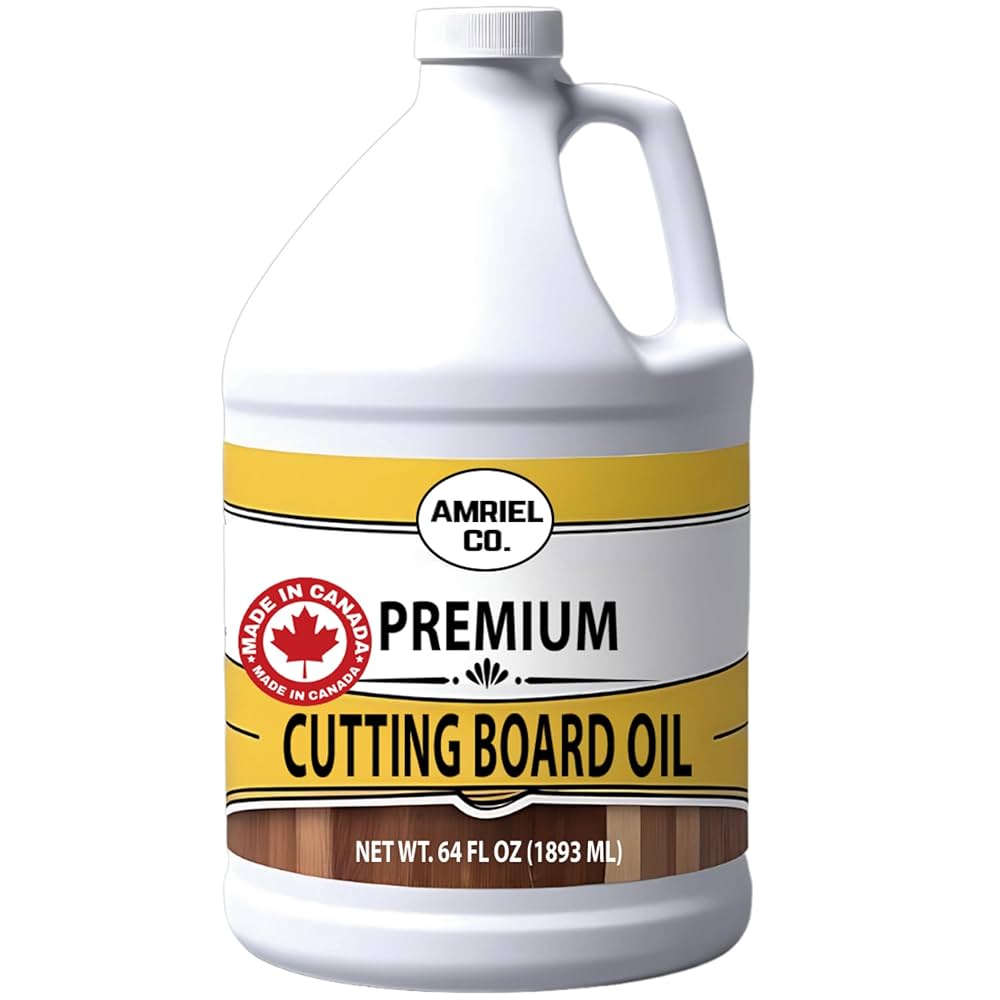
Have you ever wondered what exactly goes into the oil you use on your cutting board? If you want to keep your board looking fresh and lasting longer, understanding what’s inside cutting board oil is key.
Knowing the ingredients can help you choose the right product that protects your wood and keeps it safe for food prep. You’ll discover what cutting board oil really is, why it matters for your kitchen, and how it works to maintain your cutting board’s quality.
Keep reading to learn the simple secrets behind that little bottle and make your cutting board care easier than ever.
Credit: strictlysinks.store
Purpose Of Cutting Board Oil
Cutting board oil helps keep wooden boards in good shape. It stops water and food from soaking into the wood.
Using oil on cutting boards makes them last longer and look better. It also keeps the wood from breaking or bending.
Protecting Wood Surfaces
Cutting board oil forms a thin layer on the wood. This layer keeps water and food particles out. It stops stains and bacteria from growing.
Enhancing Appearance
Oiling a cutting board brings out the wood’s natural color and shine. It makes the board look fresh and clean.
- Restores dull wood
- Highlights wood grain
- Gives a smooth finish
Preventing Cracks And Warping
Wood can dry out and crack without oil. Cutting board oil keeps the wood moist and flexible. This stops warping and splitting.
| Benefit | Effect on Wood |
| Moisture retention | Prevents drying and cracking |
| Flexibility | Stops warping and bending |
| Durability | Makes the board last longer |
Common Oils Used
Cutting board oil helps protect and maintain wooden boards. It prevents cracking and keeps the wood smooth. Different oils work well for this purpose.
Some oils are natural, while others are synthetic or specially refined. Choosing the right oil is important for safety and effectiveness.
Mineral Oil
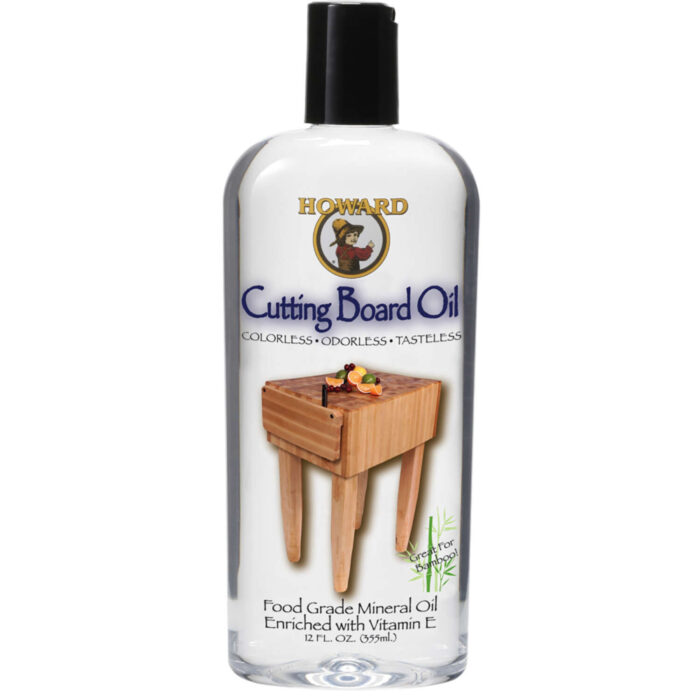
Mineral oil is a popular choice for cutting boards. It is odorless, tasteless, and safe for food contact. This oil soaks into the wood and creates a protective barrier. It does not go rancid like some plant oils.
This oil is usually refined to be food-grade. It is easy to apply and helps keep boards looking new.
Food-grade Oils
Food-grade oils are safe to use on surfaces that touch food. These oils come from plants or minerals and meet safety standards.
- Mineral oil (refined for food use)
- Coconut oil (fractionated and purified)
- Walnut oil (natural and dries well)
- Beeswax mixed with oil for extra protection
Using food-grade oils ensures no harmful chemicals reach your food. Always check the label for safety information.
Natural Oils Vs Synthetic Options
| Type | Source | Pros | Cons |
| Natural Oils | Plants or Animals | Safe, biodegradable | Can go rancid, short shelf life |
| Synthetic Oils | Refined Minerals | Stable, long shelf life | May contain additives, less eco-friendly |
Natural oils add a nice finish but may spoil. Synthetic oils last longer and protect well. Choose based on your needs and preferences.
Additional Ingredients
Cutting board oil often contains extra ingredients. These help protect and care for the wood.
These additions make the oil more effective and pleasant to use.
Beeswax For Sealant
Beeswax forms a protective layer on the cutting board’s surface. It seals the wood and stops water from soaking in. This keeps the board strong and less likely to crack.
Vitamin E As Preservative
Vitamin E helps keep the oil fresh for longer. It stops the oil from going bad or smelling rancid. This makes the cutting board oil last longer after opening.
Essential Oils For Scent And Antibacterial Properties
Essential oils add a nice smell to the cutting board oil. They also help fight bacteria on the wood. Some common essential oils used are:
- Tea tree oil
- Lavender oil
- Lemon oil
| Essential Oil | Main Benefit |
| Tea Tree | Antibacterial |
| Lavender | Calming scent and antibacterial |
| Lemon | Fresh scent and antibacterial |

Credit: kingsfleet.ca
Safety And Food-grade Standards
Cutting board oil helps protect and maintain wood surfaces. It is important that this oil is safe to use with food. Food-grade standards ensure the oil does not harm your health.
Using the right ingredients keeps your cutting board clean and safe. Many oils meet strict safety rules to make sure they are safe for kitchen use.
Fda-approved Ingredients
The Food and Drug Administration (FDA) approves certain ingredients for use in cutting board oils. These ingredients are safe if they touch food. The FDA checks that these oils do not cause harm.
Common FDA-approved oils include mineral oil and some plant oils. They do not go bad or turn rancid quickly. This keeps your cutting board safe for food preparation.
- Mineral oil: a clear, odorless oil
- Food-grade plant oils like walnut or coconut oil
- Natural waxes that add protection
Non-toxic And Edible Components
Cutting board oil must be non-toxic. This means it should not cause illness if ingested in small amounts. Edible oils are safe because they come from natural food sources.
Using oils with edible components helps avoid chemical risks. These oils keep your cutting board healthy and free from harmful substances.
- Non-toxic oils do not contain harmful chemicals
- Edible oils come from plants or minerals safe for food contact
- They protect wood without leaving dangerous residues
How Ingredients Impact Performance
Cutting board oil helps protect wood by soaking into its surface. The type of oil and other ingredients affect how well it works. Understanding these ingredients can guide you in choosing the best oil for your board.
The main ingredients in cutting board oil include natural oils and sometimes additives. Each ingredient changes how the oil absorbs, protects, and maintains the wood.
Absorption Rates
Absorption rate means how fast and deeply the oil soaks into the wood. Natural oils like mineral oil absorb quickly and reach deep into the wood pores. Oils with larger molecules may sit more on the surface.
- Fast absorption helps wood stay nourished longer.
- Slow absorption can leave a sticky surface.
- Some oils penetrate better in dense or oily woods.
- Mixing oils can balance absorption and protection.
Durability And Maintenance
The ingredients determine how long the oil lasts and how often you must reapply it. Pure mineral oil needs frequent reapplication. Oils mixed with beeswax or carnauba wax create a tougher layer on top.
| Ingredient | Effect on Durability | Maintenance Frequency |
| Mineral Oil | Penetrates deeply, low surface protection | Every few weeks |
| Beeswax | Forms protective surface layer | Every 1-2 months |
| Carnauba Wax | Harder surface finish, more durable | Every 2-3 months |
| Blend of Oils and Waxes | Balanced absorption and surface protection | Monthly or as needed |
Water Resistance
Water resistance depends on how well the oil repels moisture. Oils alone soak in but do not stop water from sitting on the surface. Adding waxes improves water resistance by creating a barrier.
Common ingredients and their water resistance:
- Mineral Oil:Low water resistance, absorbs water quickly.
- Beeswax:Medium water resistance, repels moisture on surface.
- Carnauba Wax:High water resistance, creates strong moisture barrier.
- Blended Oils and Waxes:Best water resistance, balances penetration and surface protection.

Credit: www.amazon.com.au
Frequently Asked Questions
What Is Cutting Board Oil Made Of?
Cutting board oil is typically made from food-grade mineral oil. This oil is clear and odorless, making it safe for kitchen use. Some cutting board oils also contain natural ingredients like beeswax or essential oils for added protection and fragrance.
Why Use Oil On Cutting Boards?
Oiling cutting boards helps to maintain their condition and longevity. It prevents the wood from drying out, cracking, or absorbing odors. Regular oiling also enhances the board’s appearance and provides a protective barrier against moisture and bacteria.
How Often Should I Oil My Cutting Board?
You should oil your cutting board once a month or when it looks dry. Regular oiling ensures the board remains in good condition and prolongs its lifespan. Always clean and dry the board before applying oil for the best results.
Is Mineral Oil Safe For Food Contact?
Yes, food-grade mineral oil is safe for food contact. It is widely used for maintaining wooden kitchenware. This oil is non-toxic, odorless, and tasteless, making it perfect for cutting boards. Always ensure the mineral oil is labeled as food-grade before use.
Conclusion
Cutting board oil keeps wood strong and safe for food. It stops cracks and absorbs moisture well. Natural oils like mineral oil work best. Avoid oils that can go bad or smell bad. Regular oiling keeps your board clean and smooth.
It helps your cutting board last longer. A well-oiled board looks nicer too. Caring for your cutting board is simple and smart. Use the right oil to protect your wood daily. Your kitchen tools will thank you.