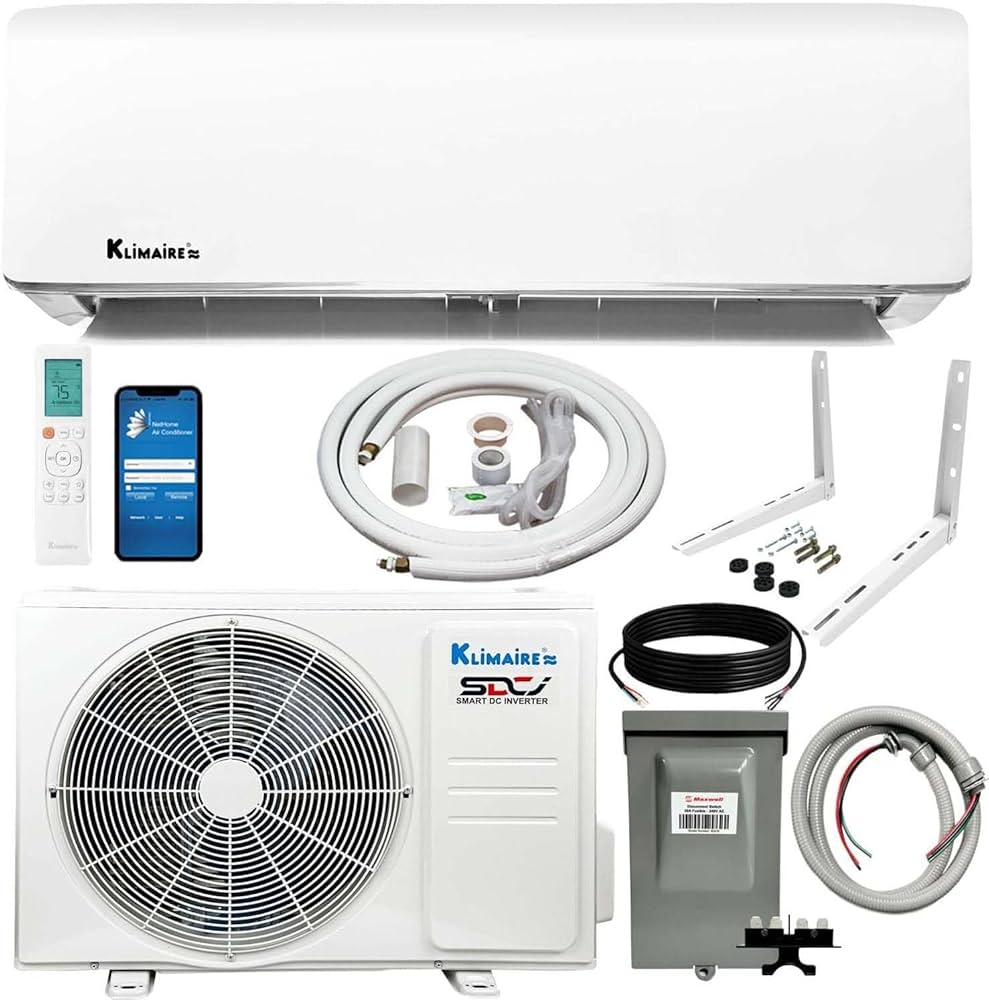
Are you tired of high electricity bills and uneven cooling in your home? Understanding what an inverter air conditioner is could change the way you experience comfort.
This technology not only saves energy but also keeps the temperature just right, without constant stops and starts. If you want to make your living space cooler and your wallet happier, keep reading to discover how an inverter air conditioner works and why it might be the perfect fit for your needs.

Credit: www.ebay.ca
Inverter Ac Basics
An inverter air conditioner uses advanced technology to control its compressor motor speed. This helps keep the room temperature steady and saves energy.
Inverter ACs adjust cooling power smoothly instead of turning the compressor on and off. This makes them more efficient and quiet than traditional AC units.
How Inverter Technology Works
The inverter AC changes the speed of the compressor motor to match the cooling needs. It slows down or speeds up to keep the temperature steady.
- The compressor runs at variable speeds.
- It reduces energy use by avoiding full stops and starts.
- The air conditioner cools the room evenly.
- It lowers noise by running smoothly.
- Temperature stays more stable without big swings.
Difference Between Inverter And Non-inverter Ac
| Feature | Inverter AC | Non-Inverter AC |
| Compressor Speed | Variable speed | Fixed speed |
| Energy Efficiency | High | Lower |
| Noise Level | Low | Higher |
| Temperature Control | Stable | Fluctuating |
| Cost | Higher upfront | Lower upfront |
Inverter ACs use less power and keep rooms cooler without big changes in temperature. Non-inverter ACs turn on and off to cool, which uses more energy.
Components Of Inverter Ac
An inverter air conditioner has special parts that help it work efficiently and quietly.
- Compressor:Changes speed to control cooling power.
- Inverter Circuit:Controls the compressor motor speed.
- Expansion Valve:Regulates refrigerant flow to cool air.
- Evaporator and Condenser Coils:Absorb and release heat.
- Thermostat:Measures room temperature to adjust cooling.
Energy Efficiency Benefits
An inverter air conditioner adjusts its cooling power to the room’s needs. It uses less energy than traditional AC units.
This technology helps save electricity and keeps the room comfortable all the time.
Reduced Power Consumption
Inverter air conditioners change compressor speed to use only the power needed. They avoid turning on and off often.
This steady operation lowers electricity use and reduces power spikes that waste energy.
Consistent Temperature Control
These air conditioners keep the temperature steady by adjusting cooling smoothly. The room stays at a comfortable level.
This prevents big temperature swings and helps the unit run efficiently without extra effort.
Long-term Cost Savings
Using less energy means lower electricity bills over time. Inverter ACs cost less to run every month.
The steady operation also reduces wear and tear, helping the unit last longer and lowering repair costs.
Environmental Impact
Inverter air conditioners help reduce energy use. They adjust their power to cool rooms efficiently. This lowers pollution from power plants.
Using less electricity means less harm to the environment. These air conditioners also use safer chemicals to cool the air.
Lower Carbon Footprint
Inverter air conditioners use less energy than regular models. They run at different speeds to save power. This cuts down on carbon dioxide emissions.
Lower carbon emissions help slow climate change. Using these air conditioners reduces the damage caused by fossil fuels.
- Adjust compressor speed to save electricity
- Run only as much as needed
- Reduce greenhouse gas release
Use Of Eco-friendly Refrigerants
Inverter air conditioners often use refrigerants that harm the environment less. These chemicals have lower global warming potential.
Eco-friendly refrigerants reduce damage to the ozone layer. They help keep the air cleaner and safer for people and animals.
- Use refrigerants with low global warming potential
- Reduce ozone layer depletion
- Follow strict environmental safety rules

Credit: www.amazon.ca
Choosing The Right Inverter Ac
Inverter air conditioners use advanced technology to save energy. They adjust their speed to cool your room efficiently.
Choosing the right inverter AC depends on several factors. This guide will help you pick the best one for your needs.
Capacity And Room Size
It is important to match the AC capacity with your room size. A small AC in a large room will not cool well. A large AC in a small room wastes energy.
| Room Size (sq ft) | Recommended AC Capacity (Tons) |
| 100-150 | 0.75 |
| 150-250 | 1.0 |
| 250-350 | 1.5 |
| 350-450 | 2.0 |
| 450-550 | 2.5 |
Energy Star Ratings
Energy Star ratings show how energy efficient an AC is. Higher ratings mean lower electricity bills. Look for models with a good star rating.
- Check the star label on the AC
- Choose at least 3-star rating or higher
- Higher stars save more energy
- Energy-efficient models help the environment
Additional Features To Consider
Extra features can improve comfort and ease of use. Some features also help save more energy or clean the air better.
- Sleep mode for quiet and efficient cooling
- Air purifiers to reduce dust and allergens
- Remote control for easy operation
- Timer settings to save electricity
- Dehumidifier function for humid climates
Maintenance Tips
Maintaining your inverter air conditioner helps it run efficiently. It also extends the unit’s life.
Regular care keeps the air clean and reduces energy use. Follow these tips to keep your AC in good shape.
Regular Filter Cleaning
Clean the air filters every two weeks. Dirty filters block airflow and reduce cooling power.
- Turn off the AC before removing filters
- Use a vacuum or wash with water to clean filters
- Let filters dry fully before reinstalling
- Replace filters if they are torn or damaged
Professional Servicing
Have a technician service your AC at least once a year. They check parts you cannot reach and refill refrigerant.
| Service Task | Purpose |
| Check refrigerant levels | Ensure efficient cooling |
| Inspect electrical connections | Prevent malfunctions |
| Clean coils and fans | Improve airflow |
| Test thermostat | Maintain proper temperature |
Optimizing Performance
Keep your inverter AC running well by following simple habits. These help save energy and reduce wear.
- Keep doors and windows closed while the AC runs
- Set the temperature to a comfortable but not too low level
- Use curtains or blinds to block direct sunlight
- Clear obstacles around the outdoor unit for good airflow
Common Myths About Inverter Acs
Inverter air conditioners are popular for saving energy and keeping homes cool. Many people have questions about how they work and their costs. Some ideas about inverter ACs are not true.
This article clears up common myths about inverter air conditioners. We focus on cost, noise, and durability. Learning the facts helps you make better decisions.
Cost Misconceptions
Many believe inverter ACs cost too much to buy and run. It is true they have a higher price than regular ACs. But they save money over time by using less electricity.
- Inverter ACs adjust compressor speed to use power wisely.
- This reduces energy bills compared to non-inverter models.
- Lower energy use means less environmental impact.
- Higher upfront cost pays off with savings on electricity.
Noise Levels
Some people think inverter ACs are noisy because they run for longer times. In fact, they work quietly because the compressor runs at variable speeds. This reduces loud starts and stops.
| Feature | Inverter AC | Regular AC |
| Compressor Speed | Variable | On/Off |
| Noise Level | Low | High |
| Operation Time | Longer but steady | Short bursts |
Durability Concerns
Some users worry that inverter ACs break down more often. The truth is they last longer because the compressor faces less stress. The smooth operation means fewer repairs.
Key durability points:
- Variable compressor speed reduces wear and tear.
- Less on/off cycling means fewer mechanical problems.
- Many brands provide good warranties on inverter ACs.

Credit: www.amazon.ca
Frequently Asked Questions
What Is An Inverter Air Conditioner?
An inverter air conditioner adjusts compressor speed to control temperature. It saves energy and provides consistent cooling compared to traditional ACs.
How Does An Inverter Ac Save Electricity?
Inverter ACs use variable compressor speeds, reducing power consumption. They avoid frequent on/off cycles, leading to lower electricity bills and efficient cooling.
Is Inverter Ac Better Than Non-inverter Ac?
Yes, inverter ACs offer better energy efficiency, quieter operation, and precise temperature control. They are more cost-effective in the long run.
Can Inverter Air Conditioners Maintain Stable Room Temperature?
Yes, inverter ACs continuously regulate compressor speed. This ensures steady and comfortable room temperature without sudden fluctuations.
Conclusion
An inverter air conditioner is a smart choice for energy efficiency. It adjusts the cooling speed based on room temperature. This saves electricity and reduces bills. It also provides consistent comfort without frequent on-off cycles. Noise levels are lower, enhancing peace at home.
Inverter models often last longer, offering better value over time. They are a good investment for those wanting reliable cooling. Understanding these benefits makes choosing an air conditioner easier. Consider your needs and budget for the best decision. Enjoy a cooler, more efficient home environment.