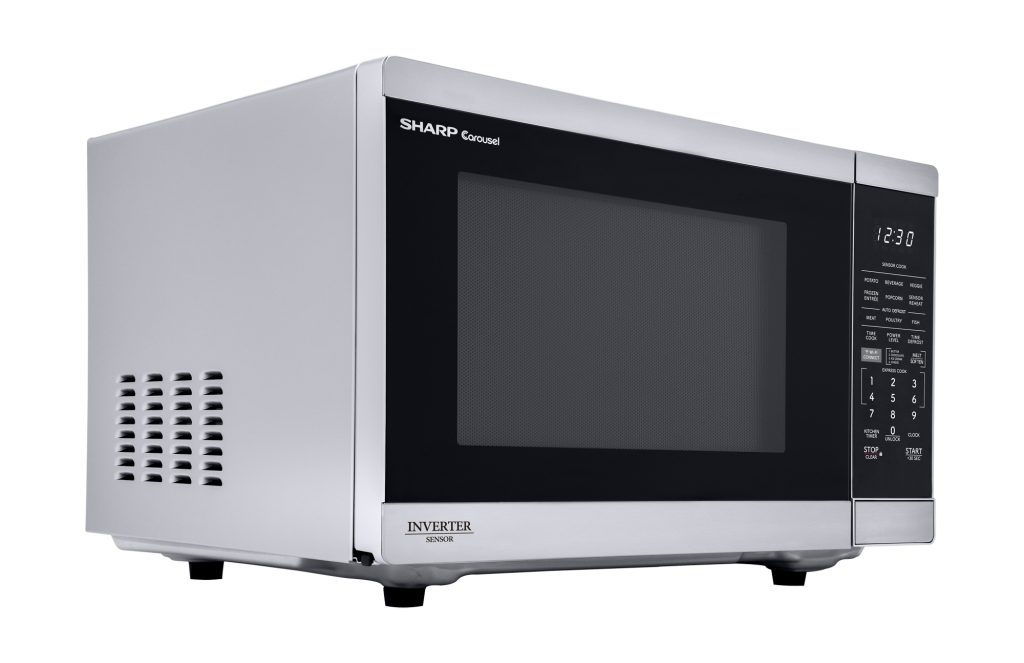
Have you ever wondered why some microwave ovens heat your food more evenly and quickly than others? The secret often lies in inverter technology.
If you want your meals to be cooked just right—without cold spots or overcooked edges—understanding this technology can make a big difference. You’ll discover what inverter technology is, how it works, and why it could be the game-changer your kitchen needs.
Keep reading to find out how to get better cooking results every time you use your microwave.

Credit: shop.panasonic.com
Inverter Technology Basics
Inverter technology in microwave ovens is a game-changer. It allows for precise control over cooking power, making your meals more consistent and evenly cooked. Unlike traditional microwaves that cycle power on and off, inverter technology provides a steady stream of energy.
How Inverter Technology Works
Inverter technology maintains a continuous power level, unlike traditional microwaves that switch between high and zero power. This consistency ensures your food is cooked evenly. Think about reheating leftovers: no more cold spots or overcooked edges.
In simple terms, it adjusts the power level more finely, allowing you to simmer and cook delicate foods without burning. This is particularly handy when you’re defrosting; the food thaws without beginning to cook, retaining its original texture.
Difference Between Inverter And Traditional Microwaves
Traditional microwaves operate by turning the magnetron on and off, leading to uneven cooking. This method can result in hot and cold spots in your food. On the other hand, inverter technology provides a consistent power flow, ensuring even cooking throughout.
Imagine making a delicate sauce or melting chocolate perfectly without burning. An inverter microwave gives you the flexibility to cook such items gently and uniformly. It’s like having a chef’s precision at your fingertips.
Have you ever struggled with unevenly heated leftovers? An inverter microwave could be your solution, offering consistency with every use. Isn’t it time you considered the upgrade?
Advantages Of Inverter Microwaves
Inverter microwaves offer several clear advantages over traditional models. They use advanced technology to control power levels more accurately. This leads to better cooking results and improved energy use. Here are some key benefits of inverter microwaves.
Precise Temperature Control
Inverter technology adjusts power continuously during cooking. It avoids sudden stops and starts. This allows the microwave to maintain a steady temperature. Foods cook evenly without overcooking edges or undercooked centers. Precise control helps with delicate tasks like melting chocolate or softening butter.
Even Cooking And Defrosting
Traditional microwaves use full power then pause to regulate heat. Inverter microwaves deliver consistent, lower power levels. This ensures food heats thoroughly and evenly. Defrosting is gentler and prevents partially cooked spots. Meals come out better cooked and ready to eat faster.
Energy Efficiency Benefits
Inverter microwaves use energy more wisely. They avoid wasting power by adjusting output smoothly. This reduces electricity consumption during cooking. The efficient use of energy saves money on bills. It also makes inverter microwaves more environmentally friendly.
Applications In Everyday Cooking
Inverter technology changes how microwave ovens deliver power, allowing more precise control over cooking. This precision makes everyday cooking tasks easier and results in better food quality. You may notice your meals taste fresher and textures are more consistent, thanks to this technology.
Cooking Delicate Foods
Delicate foods like fish or custards require gentle heating to avoid overcooking. Inverter microwaves provide steady, low power levels that help maintain moisture and texture. Have you ever had rubbery fish from a microwave? With inverter technology, that is less likely to happen.
You can cook eggs or melt chocolate evenly without burning. The consistent power lets you handle sensitive dishes with confidence. This means fewer mistakes and less food waste in your kitchen.
Defrosting Frozen Items
Defrosting with traditional microwaves often begins cooking the edges while the center remains frozen. Inverter technology prevents this by delivering a constant, low power level that thaws food evenly. This helps preserve the natural texture and flavor of meat, poultry, or bread.
Have you ever tried to cut into a half-thawed chicken breast only to find some parts still icy? Inverter microwaves reduce that problem, saving you time and frustration. It makes meal prep smoother and more reliable.
Reheating Without Overcooking
Reheating leftovers can be tricky because some spots get too hot while others stay cold. Inverter microwaves heat food uniformly, so your meal stays moist and tastes fresh. You won’t have to deal with dry edges or cold centers anymore.
Think about reheating pizza or pasta—using inverter technology keeps the crust crispy and the sauce warm without drying it out. Wouldn’t that improve your leftover experience?
Credit: www.walmart.com
Choosing The Right Inverter Microwave
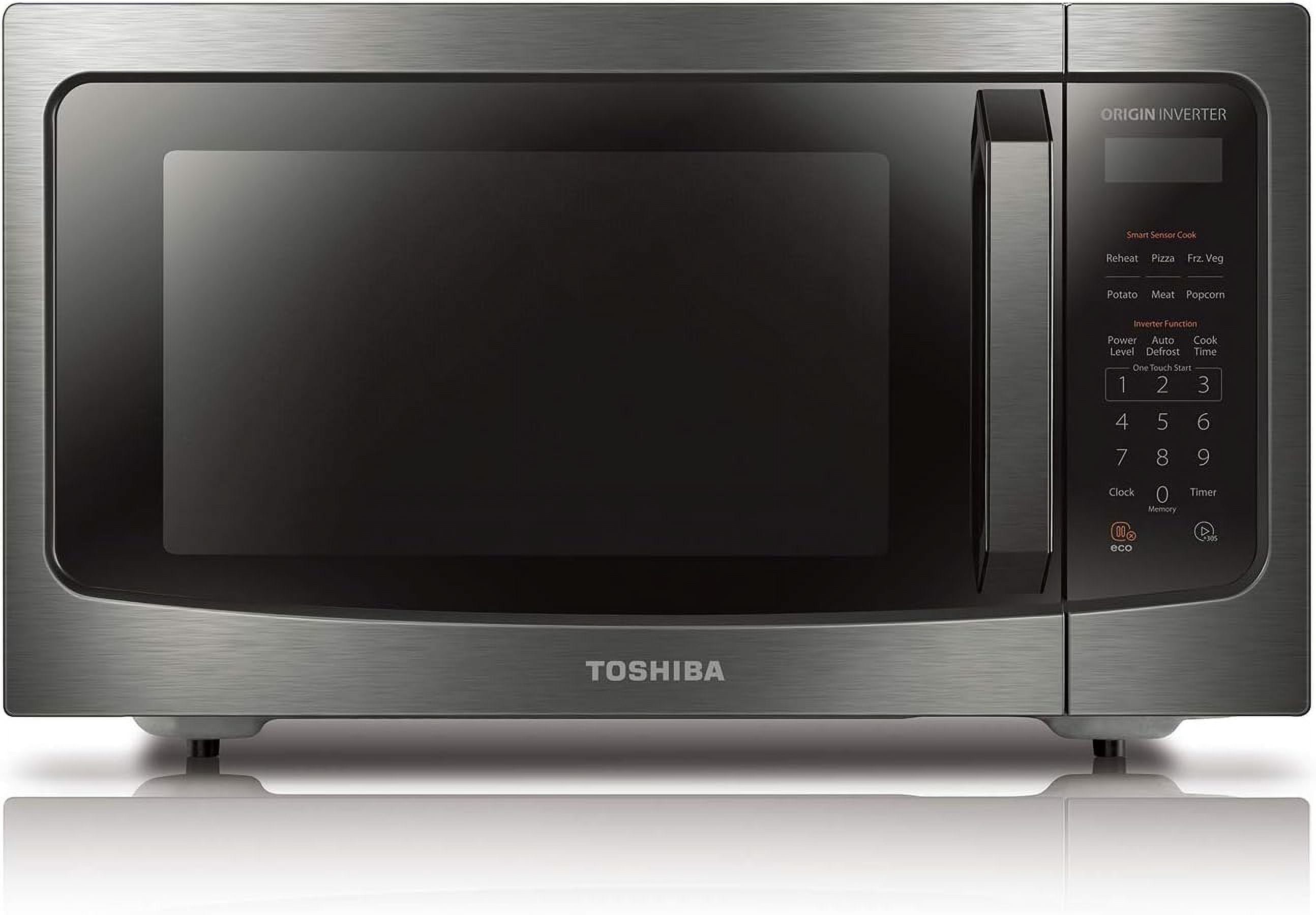
Choosing the right inverter microwave can improve your cooking experience. Inverter technology offers even heating and precise power control. This makes meals cook faster and taste better. Consider key features, brands, and your budget before buying.
Key Features To Look For
- Variable power settings for precise cooking
- Compact size that fits your kitchen space
- Easy-to-use control panel with clear display
- Sensor cooking to adjust time and power automatically
- Child lock for safety
- Quick start function for convenience
- Easy-to-clean interior surface
Popular Brands And Models
- Panasonic: Known for reliable inverter microwaves
- LG: Offers models with smart sensor cooking
- Samsung: Features modern designs and user-friendly controls
- Sharp: Focuses on durability and performance
- Breville: Combines inverter tech with sleek style
Budget Considerations
Inverter microwaves range from affordable to premium prices. Basic models cost less but may lack advanced features. Mid-range options balance price and functionality well. Premium models offer extra settings and larger capacity. Decide how often you will use it. Choose a microwave that fits your kitchen budget.
Maintenance And Troubleshooting
Maintaining an inverter microwave oven is key to keeping it working well. Troubleshooting minor issues early can avoid costly repairs. Understanding common problems helps users fix them quickly or know when to seek help.
Common Issues With Inverter Microwaves
- Microwave does not heat food properly or uneven heating occurs.
- Display panel shows error codes or stops responding.
- Turntable stops rotating during cooking cycles.
- Microwave makes unusual noises or humming sounds.
- Door latch fails to close or open smoothly.
- Power cuts off suddenly during operation.
Most problems relate to power supply, door safety switches, or inverter circuits. Simple resets can solve some errors. Persistent issues require professional service.
Tips To Extend Appliance Life
- Keep the interior clean to prevent food buildup.
- Use microwave-safe containers and avoid metal objects inside.
- Don’t run the microwave empty; it may damage the inverter.
- Check door seals and hinges regularly for wear.
- Avoid slamming the door to protect the latch mechanism.
- Unplug the microwave during storms or power surges.
- Schedule regular professional inspections for internal parts.
Proper care ensures your inverter microwave lasts longer and performs well. Small habits make a big difference in durability and safety.

Credit: www.youtube.com
Frequently Asked Questions
What Is Inverter Technology In Microwave Ovens?
Inverter technology allows precise power control in microwaves. It ensures consistent heating by adjusting energy levels smoothly. This leads to evenly cooked food without overcooking edges or undercooking centers. It improves cooking efficiency and saves energy compared to traditional microwaves.
How Does Inverter Technology Improve Cooking Quality?
It provides steady, consistent heat at varying power levels. This prevents overheating and uneven cooking. Foods cook more evenly, preserving texture and flavor. It also enables gentle defrosting without partially cooking food. Overall, it enhances cooking precision and results.
Are Inverter Microwaves More Energy-efficient?
Yes, inverter microwaves use energy more efficiently. They adjust power output precisely rather than cycling on/off. This reduces wasted energy and shortens cooking times. Consequently, inverter microwaves consume less electricity than conventional models. This benefits both your utility bill and the environment.
Can Inverter Technology Defrost Food Better?
Absolutely, inverter microwaves defrost food gently and evenly. The precise power control prevents cooking edges while thawing centers. This reduces food quality loss and bacteria risk. It offers safer, more effective defrosting compared to traditional microwaves.
Conclusion
Inverter technology changes how microwaves cook food. It offers steady power, so meals heat evenly. This means no cold spots or overcooked edges. Using this tech saves energy and cooks faster. It also helps keep food texture better. Choosing a microwave with inverter tech makes cooking simpler and more reliable.
Consider this feature when buying a new microwave oven. It brings real benefits to everyday kitchen use. Simple, smart, and efficient — that’s inverter technology in microwaves.