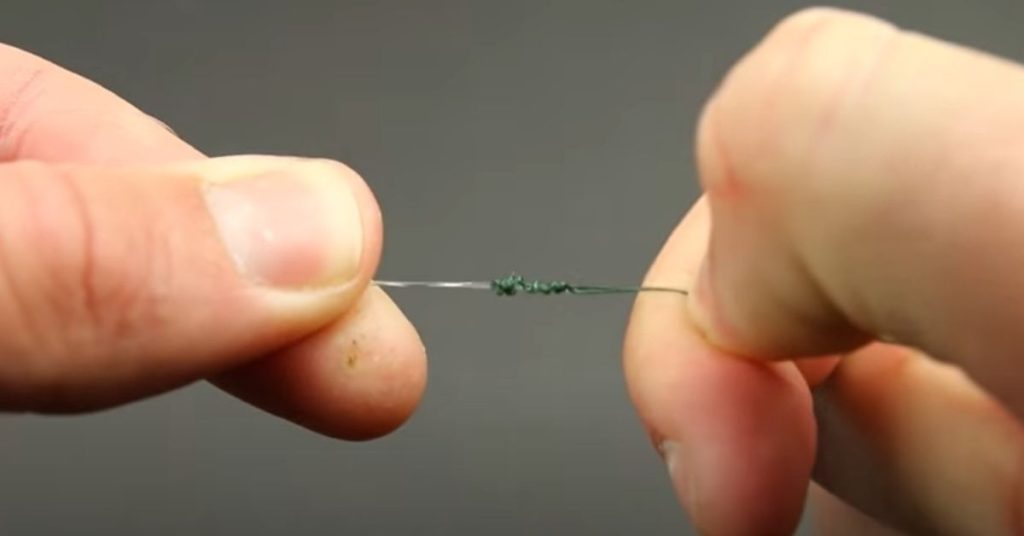
If you love fishing, you’ve probably heard about a leader line but might not be sure what it really is or why it matters. Understanding what a leader line is can make a big difference in your fishing success.
It helps you catch more fish, protect your main line, and handle tricky situations like sharp teeth or rough water. You’ll discover exactly what a leader line is, why you need one, and how to choose the right type for your fishing style.
Keep reading to unlock tips that can take your fishing game to the next level.

Credit: mysterytacklebox.com
Leader Line Basics
Leader lines are an important part of fishing gear. They connect the main fishing line to the hook or lure.
Using the right leader line helps catch fish more easily and protects your line from damage.
Purpose Of Leader Lines
Leader lines serve several key purposes in fishing. They reduce line visibility near the bait to avoid spooking fish.
Leaders also protect the main line from sharp teeth, rough surfaces, and strong fish pulling hard.
Types Of Leader Materials
Leaders come in different materials. Each type has its own uses and benefits depending on fishing conditions.
- Monofilament:Flexible and easy to handle. Good for most fishing situations.
- Fluorocarbon:Nearly invisible underwater. Better for clear water fishing.
- Wire:Strong and bite-resistant. Best for fish with sharp teeth.
Leader Line Length And Strength
The length and strength of a leader line depend on the fishing style and target fish.
| Leader Length | Use | Strength (lbs) |
|---|---|---|
| 6-12 inches | General fishing, close presentation | 8-20 |
| 12-24 inches | Clear water, shy fish | 10-30 |
| 24-36 inches | Big fish, rough conditions | 20-50+ |
Choosing The Right Leader Line
Choosing the right leader line is essential for successful fishing. It connects your main line to the hook or lure, impacting your catch. Understanding how to select it can improve your fishing experience.
Different conditions require different leader lines. Consider factors like fish species, water clarity, and abrasion. Let’s explore how to match the leader line to your fishing needs.
Matching Leader To Fishing Conditions
Fishing conditions vary based on location and weather. Choose a leader line that suits the environment. Thinner leaders are ideal for calm waters, while thicker ones handle rough conditions.
- Calm water: Use a thinner leader for subtle presentations.
- Rough water: Opt for a thicker leader for strength.
- Heavy cover: Select abrasion-resistant leaders.
Selecting Leader For Different Fish Species
Different fish species have unique behaviors and habitats. Choose a leader line that matches the fish you target. Stronger lines are needed for larger fish, while lighter lines suit smaller species.
| Fish Species | Recommended Leader |
| Bass | Medium strength |
| Trout | Lightweight |
| Salmon | Heavy-duty |
Considering Water Clarity And Abrasion
Water clarity affects fish visibility. Clear waters need invisible leaders, while murky waters allow for visible lines. Abrasion resistance is key in rocky areas to prevent line breakage.
Tying Leader Lines
Leader lines connect your main fishing line to the hook or lure. They protect your line from sharp teeth and rough surfaces.
Tying leader lines correctly helps keep your rig strong and reliable. Using the right knot is key for success on the water.
Popular Knots For Leader Lines
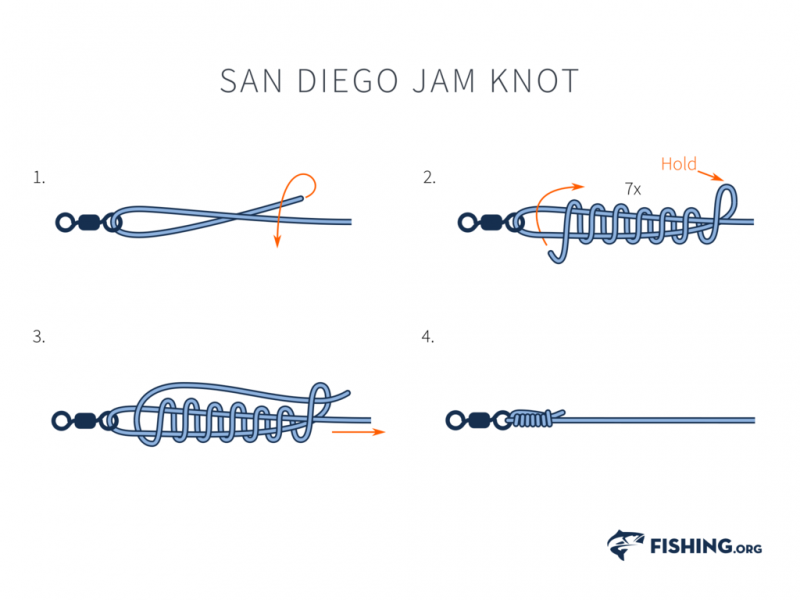
Some knots work better for leader lines because they hold tight and do not slip. Common knots include the Palomar knot, the Blood knot, and the Uni knot.
- Palomar Knot: Simple and strong for braided lines.
- Blood Knot: Great for joining two lines of similar thickness.
- Uni Knot: Versatile and easy to tie in many situations.
Step-by-step Knot Instructions
| Knot | Steps |
| Palomar Knot |
|
| Blood Knot |
|
| Uni Knot |
|
Tips For Secure Connections
- Moisten knots before tightening to reduce friction.
- Pull knots slowly and firmly for best strength.
- Trim tag ends close to the knot to avoid snags.
- Practice knots until you tie them quickly and neatly.
- Check knots regularly during fishing to avoid failure.

Credit: www.ebay.com
Leader Line Maintenance
Leader lines are important parts of fishing gear. They help protect your main fishing line and improve fishing success. Keeping leader lines in good shape is important for fishing safety and performance.
Regular maintenance of leader lines can prevent breakage and lost fish. This guide explains how to inspect, replace, and store leader lines properly.
Inspecting For Wear And Damage
Check your leader lines often for any signs of damage. Look for cuts, nicks, or frays that can weaken the line. Also, watch for discoloration or stiffness that shows aging.
Inspect knots and connections carefully. Weak spots are common near knots. Small damage can cause the line to break under pressure.
- Look for frayed or broken fibers
- Check for cuts or abrasions
- Test flexibility and softness
- Examine knots for slipping or damage
Replacing Leader Lines
Replace leader lines if you see serious damage. Do not wait for the line to break during fishing. Fresh leader lines keep your setup strong and reliable.
Choose the right leader line strength and type for your fishing needs. Cut off the old leader and tie a new one securely to your main line and hook.
- Remove damaged leader line completely
- Use proper knots like the improved clinch knot
- Match leader strength to fish size
- Test the knot before fishing
Storing Leader Lines Properly
Store leader lines in a cool, dry place away from sunlight. Heat and UV rays weaken the line over time. Proper storage keeps the line flexible and strong.
Use spools or line organizers to prevent tangles. Avoid sharp bends or kinks that can cause weak spots in the leader line.
- Keep lines out of direct sunlight
- Store in a cool, dry area
- Use spools or line holders
- Avoid tight bends or knots during storage
Advanced Leader Line Techniques
Leader lines are key parts of a fishing setup. They connect your main line to the hook or lure. Using the right leader line helps catch fish more often.
This guide explains some advanced leader line tips. These tips improve strength, invisibility, and shock resistance. You will learn about fluorocarbon and monofilament leaders, shock leaders, and setups for different fishing styles.
Using Fluorocarbon Vs Monofilament Leaders
Fluorocarbon leaders are nearly invisible underwater. They resist abrasion well. Monofilament leaders stretch more and are easier to knot. Each type works best in different conditions.
| Leader Type | Visibility | Stretch | Abrasion Resistance | Best Use |
| Fluorocarbon | Low | Low | High | Clear water, sharp rocks |
| Monofilament | Medium | High | Medium | Murky water, general use |
Adding Shock Leaders
Shock leaders protect your main line from sudden pulls. They absorb the force when a big fish strikes. Adding a shock leader can stop line breakage and lost fish.
- Choose a shock leader with higher strength than your main line.
- Use heavier, thicker material for shock leaders.
- Attach shock leaders with strong knots like the Albright knot.
- Keep the shock leader length between 2 to 4 feet for balance.
Leader Line Setup For Different Fishing Styles
Different fishing styles need different leader setups. The right setup improves hook sets and reduces line damage. Adjust leader length and type based on your target fish and water conditions.
| Fishing Style | Leader Type | Leader Length | Notes |
| Fly Fishing | Fluorocarbon | 9-12 feet | Invisible and stiff leaders help fly presentation. |
| Saltwater Casting | Monofilament + Shock Leader | 3-6 feet | Shock leader handles strong fish pulls. |
| Freshwater Spinning | Fluorocarbon | 1-3 feet | Short leader to keep lure action natural. |
| Bass Fishing | Monofilament | 2-4 feet | Stretch helps absorb sudden strikes. |
Common Mistakes To Avoid
Choosing the right leader line for fishing is important. Many anglers make simple mistakes that hurt their chances to catch fish.
Here are some common errors to watch out for. Avoiding these will improve your fishing experience.
Using Incorrect Leader Strength
Picking a leader line that is too weak can cause it to break easily. A line that is too strong may scare fish away.
- Match the leader strength to the fish species you want to catch.
- Consider the water conditions; clear water may require lighter lines.
- Check the leader’s pound test before fishing.
Ignoring Leader Line Visibility
A visible leader line can scare fish. It is important to select a line with low visibility in water.
| Leader Material | Visibility Level |
| Fluorocarbon | Low |
| Monofilament | Medium |
| Steel Wire | High |
Poor Knot Tying Practices
Knots that are tied poorly can slip or break. This causes lost fish and wasted gear.
Tips for better knots:
- Wet the line before tightening the knot.
- Use knots suitable for your leader type, like Palomar or Uni knots.
- Trim excess tag ends close to the knot.
- Practice knots to make them strong and neat.
Boosting Your Catch With Leader Lines
A leader line is a short piece of fishing line placed between the main line and the lure or hook. It helps improve your fishing setup and increases your chances of catching fish.
Using a leader line can protect your main line and make your lure look more natural in the water. This simple tool is important for many anglers.
Enhancing Lure Presentation
A leader line lets your lure move more freely and naturally in the water. Fish are more likely to bite when the lure looks real.
The leader line also hides the main line better, making the lure less visible to fish. This makes your fishing setup more effective.
- Allows natural lure movement
- Makes the lure less visible
- Helps mimic real prey
Reducing Line Breakage
Leader lines are stronger or more abrasion-resistant than the main line. They protect the main line from sharp teeth and rough surfaces.
This reduces the chance of breaking your line during a fight with a fish. Using a leader line helps keep your gear intact.
- Protects against sharp teeth
- Resists damage from rocks and debris
- Prevents losing fish due to line breakage
Increasing Hook-up Rates
A leader line can help you get better hook sets by reducing stretch and increasing sensitivity. This means you feel bites sooner and react faster.
It also keeps the hook in the right position for better penetration. This increases the chance of catching the fish after it bites.
- Improves bite detection
- Keeps hook steady and sharp
- Helps secure fish after hooking
Credit: medium.com
Frequently Asked Questions
What Is A Leader Line In Fishing?
A leader line is a short, strong line attached between the main fishing line and the hook. It improves bait presentation and prevents fish from seeing the thicker main line.
Why Use A Leader Line For Fishing?
Using a leader line reduces line visibility, increases abrasion resistance, and helps prevent fish from breaking the main line. It also improves hook setting and bait control.
What Materials Are Best For Leader Lines?
Common materials include fluorocarbon, monofilament, and wire. Fluorocarbon is nearly invisible underwater, monofilament is flexible, and wire is ideal for toothy fish.
How Long Should A Fishing Leader Line Be?
Leader line length varies, typically between 12 to 36 inches. The length depends on fishing conditions, target species, and water clarity.
Conclusion
Leader line helps keep your bait away from the main fishing line. It reduces tangles and improves your catch chances. Using the right leader line adds strength and hides the line better. It suits many fishing styles and water types.
Try different leader lines to find what works best for you. Fishing becomes easier and more fun with the right setup. Remember, a leader line is a simple tool that makes a big difference. Give it a try next time you go fishing.