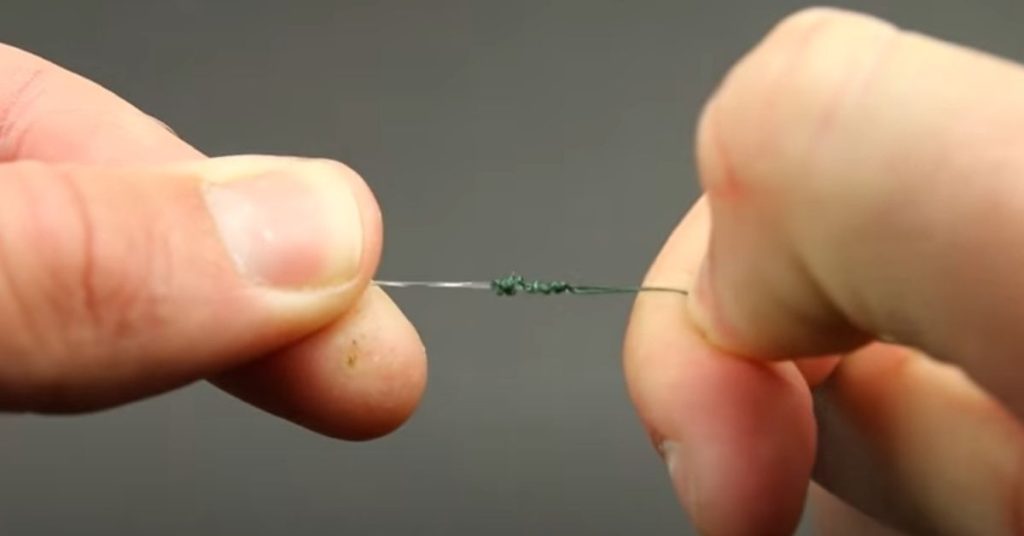
When you’re out fishing, every detail matters. One small piece of your gear can make a big difference in how many fish you catch.
That piece is called the leader line. But what exactly is a leader line in fishing, and why should you care about it? If you want to improve your fishing game and land more fish, understanding this simple yet powerful tool is key.
Keep reading, and you’ll discover how the leader line can change your experience on the water.
Leader Line Basics
The leader line is an important part of fishing gear. It connects the main fishing line to the hook or lure. The leader helps protect the line and improves fishing success.
Understanding the leader line helps anglers choose the right setup for different fishing conditions and fish types.
Purpose Of Leader Line
The leader line serves several key purposes in fishing. It prevents the main line from breaking and hides the line from fish. It also helps with casting and bait presentation.
- Protects the main fishing line from sharp teeth or rough surfaces
- Reduces visibility in water to avoid scaring fish
- Improves bait or lure movement in the water
- Absorbs shocks when a fish strikes or pulls
Types Of Leader Line
There are different types of leader lines. Each type fits certain fishing needs. Choosing the right type helps catch more fish and protect the gear.
| Type | Use | Strength |
| Fluorocarbon | Clear water, low visibility | Strong and abrasion resistant |
| Monofilament | General use, flexible | Moderate strength and stretch |
| Wire | Fishing for toothy fish like pike | Very strong, bite resistant |
Materials Used
Leader lines come in various materials. Each material has unique features that suit different fishing styles and fish types.
- Fluorocarbon: Nearly invisible underwater and tough
- Monofilament: Soft, stretchy, easy to handle
- Wire: Metal strands for sharp-toothed fish
- Braided: Strong and thin, but more visible
Choosing The Right Leader Line
A leader line is a strong section of line tied between your main fishing line and the hook or lure. It helps protect your line from damage and improves your catch rate.
Picking the right leader line is important. It depends on the type of fish, water conditions, and your fishing style.
Matching Leader To Fishing Style
Different fishing styles need different leader lines. For example, fly fishing needs thin, invisible leaders. Saltwater fishing needs tougher lines to handle big fish.
Match your leader line to how you fish. This helps you catch fish without losing them or breaking your line.
Strength And Diameter Considerations
Choose a leader line strong enough to hold your target fish. The strength is often called “pound test.” Higher pound test means stronger line.
Thinner leader lines are less visible to fish but may break easier. Thicker lines last longer but can scare fish away.
- Use thicker leaders for big, strong fish.
- Use thinner leaders for shy or small fish.
- Balance strength and visibility for best results.
Abrasion Resistance
Abrasion resistance means how well the leader line can resist damage from rocks, weeds, or fish teeth. It helps prevent line breaks.
Choose a leader line with good abrasion resistance if you fish in rough areas or with toothy fish. Fluorocarbon lines often have high abrasion resistance.
- Use abrasion-resistant leaders in rocky or weedy waters.
- Choose strong abrasion resistance for fish with sharp teeth.
- Replace leader lines often to avoid unnoticed damage.
Attaching Leader Line
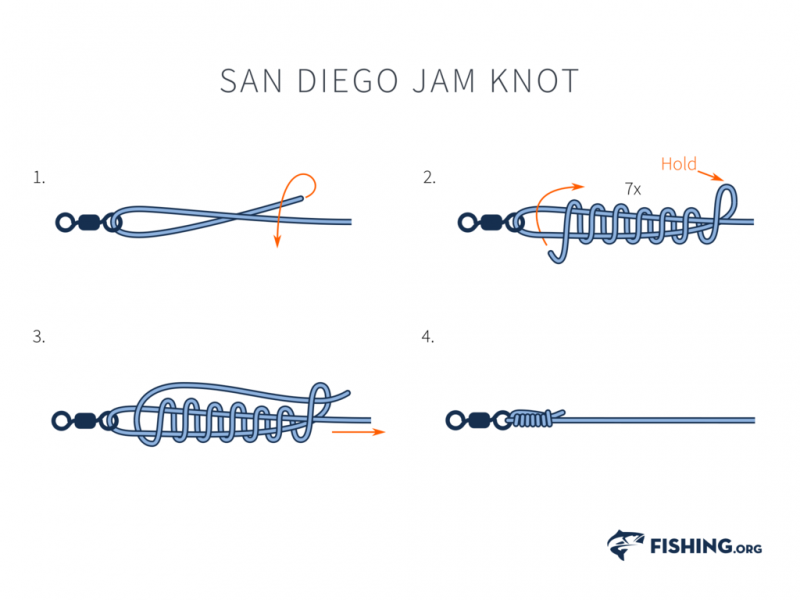
Leader lines are short, strong lines used in fishing. They connect the main line to the hook or lure. Attaching them properly helps catch fish and avoid losing gear.
Using the right knots and connection methods is key. This guide explains common knots and how to connect leader lines to main lines and hooks.
Common Knots For Leader Line
Knots must be strong and reliable to hold the leader line. Some knots work better for certain lines or fish types. Learning these knots improves your fishing success.
- Improved Clinch Knot: Easy and strong for attaching hooks.
- Palomar Knot: Very strong and simple to tie.
- Uni Knot: Versatile for tying lines together.
- Surgeon’s Knot: Good for joining two lines.
Connecting Leader To Main Line
Connecting the leader to the main line securely is important. This connection must not slip or weaken under tension.
Many anglers use knots designed for joining two lines. Some knots work better with similar or different line types.
- Double Uni Knot: Joins lines of different diameters well.
- Blood Knot: Smooth and strong connection for similar lines.
- Albright Knot: Good for connecting braided to monofilament lines.
Securing Hooks And Lures
Hooks and lures attach to the end of the leader line. The knot must keep them secure during casting and fighting fish.
Choose knots that keep the hook or lure in place without slipping or twisting the line.
- Improved Clinch Knot: Common for hooks and lures.
- Palomar Knot: Strong and easy to tie on hooks.
- Loop Knot: Allows lures to move freely for better action.

Credit: mysterytacklebox.com
Leader Line Length And Thickness
Leader lines are important in fishing to connect the main line to the hook or lure. Choosing the right length and thickness improves your chance to catch fish.
This guide explains how to adjust leader line length for water clarity and select thickness based on the target species.
Adjusting Length For Water Clarity
Clear water needs longer leader lines to avoid spooking fish. Murky water allows shorter leaders because fish rely less on sight.
- In clear water, use 4 to 6 feet leader length.
- In slightly stained water, 3 to 4 feet works well.
- In muddy or very murky water, 1 to 2 feet is enough.
- Longer leaders help keep the lure away from the main line.
- Short leaders increase strength and control in heavy cover.
Thickness For Target Species
Leader thickness affects strength and visibility. Choose thickness based on the fish size and their biting habits.
| Target Species | Recommended Thickness (lb test) | Reason |
| Small Panfish | 4–6 | Thin line reduces visibility and is strong enough |
| Trout and Bass | 6–10 | Balances strength and invisibility in clear water |
| Walleye and Pike | 10–20 | Thicker line resists sharp teeth and strong pulls |
| Saltwater Game Fish | 20+ | Heavy line needed for tough and large fish |
Care And Maintenance
Leader lines are key for better fishing. Keeping them in good shape helps catch more fish. Care and maintenance extend their life and performance.
Simple checks and proper storage keep your leader lines ready for the next trip.
Inspecting For Damage
Look closely at your leader line before each use. Check for cuts, frays, or weak spots. These can cause the line to break during fishing.
- Run your fingers along the line to feel for rough areas
- Look for discoloration which may signal wear
- Check knots for tightness and damage
- Replace if you find any weak or damaged spots
Replacing Leader Line
Change your leader line regularly to avoid losing fish. Use the right type and strength for your fishing style. Cutting old lines cleanly helps in tying new ones.
| Reason to Replace | Action |
| Visible cuts or frays | Remove and tie a new leader line |
| Line feels weak or thin | Replace with a stronger leader |
| After heavy use or big catch | Check and replace if needed |
Storage Tips
Store your leader line properly to keep it strong and ready. Avoid heat and sunlight that can weaken the line over time.
- Keep leader lines in a cool, dry place
- Use a spool or holder to prevent tangles
- Avoid folding or sharp bends
- Check stored lines before use

Credit: www.reddit.com
Tips For Success With Leader Line
Leader lines play a key role in fishing. They connect your main line to the hook or lure.
Choosing and using the right leader line can improve your catch rate. It helps reduce fish spooking and improves casting.
Reducing Visibility To Fish
Use leader lines made of clear or low-visibility materials like fluorocarbon. These blend well underwater.
- Match leader strength to the fish species.
- Keep leader length moderate to avoid extra visibility.
- Avoid knots that create bulk and scare fish.
Improving Casting Performance
A smooth leader line helps your lure fly farther and more accurately.
| Tip | Reason |
| Use tapered leaders | Reduces air resistance and tangles |
| Check for knots or damage | Prevents line breakage during cast |
| Choose flexible materials | Improves line flow through guides |
Handling Tough Conditions
Fishing in rough water or around rocks needs stronger leader lines.
Consider these points for tough fishing spots:
- Use abrasion-resistant leaders to avoid cuts.
- Increase leader strength slightly for bigger fish.
- Rinse your leader with fresh water after saltwater use.
Credit: medium.com
Frequently Asked Questions
What Is A Leader Line In Fishing?
A leader line in fishing is a strong, durable line attached to the main fishing line. It helps prevent fish from seeing the main line and provides abrasion resistance. This is especially useful when fishing in rocky or debris-filled waters.
Why Use A Leader Line For Fishing?
Using a leader line offers several benefits, including reduced visibility to fish and increased abrasion resistance. It also helps prevent line breakage when fighting aggressive fish. This results in more successful catches and a better fishing experience.
How To Choose The Right Leader Line?
Choosing the right leader line depends on the type of fish and water conditions. Consider factors like visibility, strength, and flexibility. Match the leader line’s strength to the main line’s strength for optimal performance.
What Materials Are Leader Lines Made From?
Leader lines are typically made from fluorocarbon or monofilament. Fluorocarbon is less visible in water and more abrasion-resistant. Monofilament is more flexible and easier to handle. Choose based on your fishing conditions and target species.
Conclusion
Leader line in fishing helps protect your main line from sharp teeth. It adds strength and prevents breakage during tough fights. Using leader line improves your chances of catching fish. It also keeps your bait or lure looking natural. Choosing the right leader line depends on the fish type and water conditions.
Simple and strong, leader lines make fishing easier. Try adding one on your next trip for better results. Fishing becomes more fun and less frustrating with a good leader line.