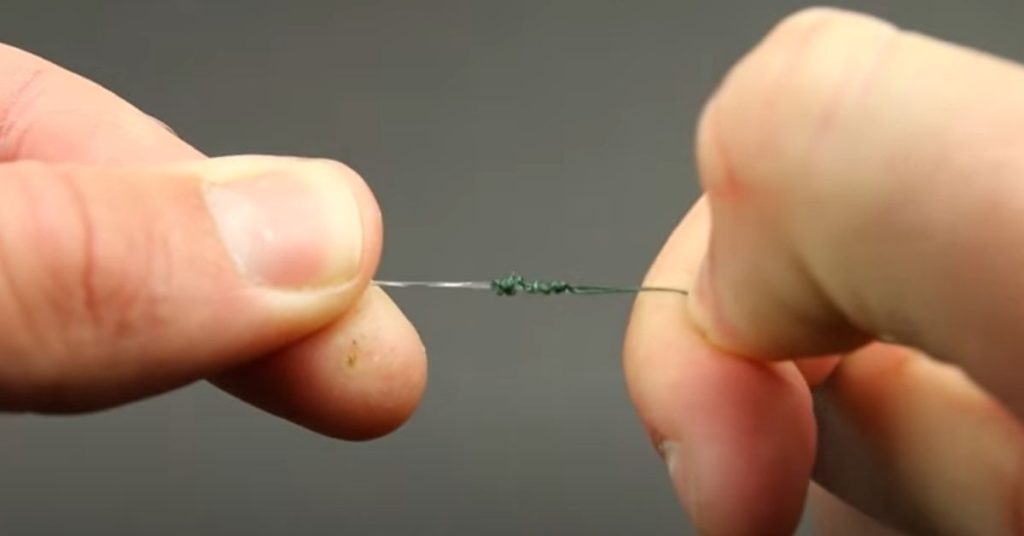
If you’ve ever felt frustrated watching your fishing line snap just as you reel in a big catch, understanding what a leader line is could change your entire fishing game. You might think it’s just another piece of gear, but a leader line plays a crucial role in keeping your catch secure and improving your chances of success.
You’ll discover exactly what a leader line is, why it matters, and how using the right one can make your fishing trips more rewarding. Ready to take your fishing skills up a notch? Keep reading to learn the secrets behind this simple yet powerful tool.
Leader Line Basics
A leader line is a short length of fishing line attached to the main line. It helps connect the main line to the hook or lure. Anglers use leader lines to improve fishing success and protect their gear.
Leader lines come in different types and materials. Understanding their purpose and features can help you choose the right one for your fishing needs.
Purpose Of A Leader Line
Leader lines serve several key functions in fishing. They protect the main line from damage and help present the bait naturally to fish. They also reduce line visibility and resist fish teeth or rough surfaces.
- Protect the main line from sharp objects or fish teeth
- Reduce line visibility in the water
- Improve bait or lure presentation
- Absorb sudden pulls to prevent line breakage
- Allow easier knot tying for hooks and lures
Types Of Leader Lines
There are several types of leader lines. Each type suits different fishing conditions and species. Choosing the right type helps increase your chances of catching fish.
- Monofilament leaders: Flexible and easy to handle
- Fluorocarbon leaders: Nearly invisible underwater
- Wire leaders: Strong and bite-resistant
- Copolymer leaders: Blend of strength and flexibility
Common Materials Used
| Material | Strength | Visibility | Best Use |
|---|---|---|---|
| Monofilament | Medium | Moderate | General fishing |
| Fluorocarbon | High | Low (near invisible) | Clear water, wary fish |
| Wire | Very high | High | Sharp-toothed fish |
| Copolymer | Medium to high | Moderate | Versatile conditions |
Credit: medium.com
Choosing The Right Leader Line
A leader line is crucial in fishing. It connects your main line to the hook or lure. Choosing the right leader line is important for a successful fishing trip.
The leader line should be strong enough for the fish you are targeting. It also needs to be suitable for the water conditions and appropriate in length.
Matching Leader Strength To Fish Size
Choose a leader line based on the size of the fish. Bigger fish need stronger leader lines.
- Small fish: 2-6 pound test line
- Medium fish: 7-15 pound test line
- Large fish: 16-30 pound test line
Considering Water Conditions
Water conditions affect your choice of leader line. Clear water needs a different line than murky water.
- Clear water: Use fluorocarbon lines for invisibility
- Murky water: Use monofilament lines for visibility
- Saltwater: Use abrasion-resistant lines
Leader Length Guidelines
Leader length varies based on fishing style. It also depends on the clarity of the water.
- Clear water: Longer leaders, around 4-6 feet
- Murky water: Shorter leaders, around 2-4 feet
- Fly fishing: Leaders can be up to 9 feet
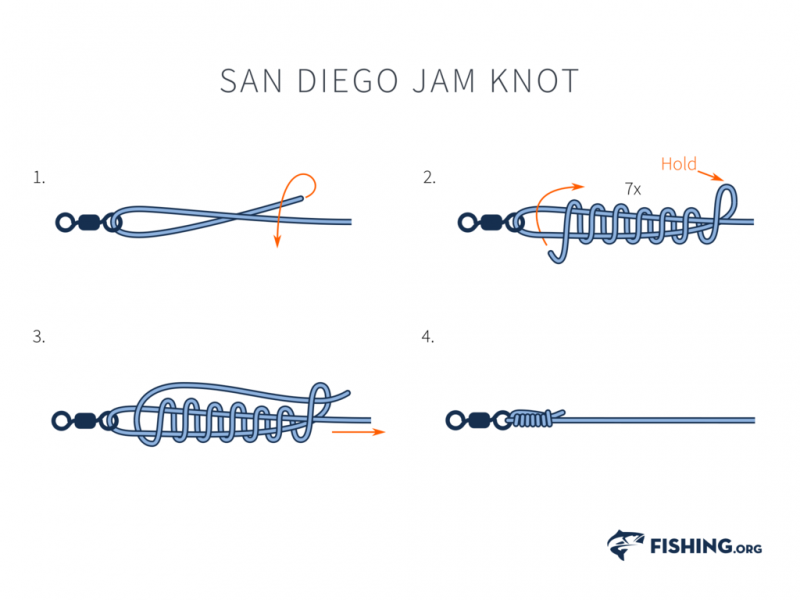
Tying Leader Lines
Leader lines connect your fishing line to the hook or lure. They help keep your line strong and hidden from fish. Learning to tie leader lines well makes fishing easier and more successful.
Different knots work best for different types of leader lines. Knowing how to tie these knots step-by-step helps create strong connections that hold under pressure.
Popular Knots For Leader Lines
Some knots are common for tying leader lines. The Palomar knot, Blood knot, and Uni knot are favorites. Each knot has a special use depending on the fishing setup.
- Palomar Knot:Easy and strong, good for braided lines.
- Blood Knot:Joins two lines smoothly, ideal for fluorocarbon leaders.
- Uni Knot:Versatile and reliable for many line types.
Step-by-step Knot Instructions
| Knot | Steps |
| Palomar Knot |
|
| Blood Knot |
|
| Uni Knot |
|
Tips For Stronger Connections
Strong leader knots last longer and hold better. Use these tips for the best results.
- Wet the knot before tightening to reduce friction.
- Pull knots slowly and firmly for a tight hold.
- Trim tag ends close but not too short to avoid slipping.
- Practice tying knots to improve speed and strength.
- Check knots often and retie if needed.

Credit: www.reddit.com
Leader Line Maintenance
Leader lines help protect your main fishing line and improve your catch. Taking care of them keeps fishing easy and safe.
Proper maintenance helps your leader line last longer and work better in the water.
Inspecting For Damage
Check your leader line often for cuts, nicks, or weak spots. These damages can cause the line to break when you catch a fish.
- Look for frayed or thin areas along the line
- Check knots for tightness and wear
- Test the line by pulling it gently to feel for weak spots
- Remove any dirt or salt that can wear down the line
When To Replace Your Leader
Replace your leader line if it shows serious damage or after long use. Old leader lines lose strength and can snap easily.
| Condition | Action |
| Visible cuts or tears | Replace immediately |
| Line feels thin or weak | Replace soon |
| After heavy fishing session | Inspect and replace if needed |
| Leader older than 6 months | Consider replacement |
Storage Tips
Store leader lines properly to keep them strong and ready. Bad storage can cause tangles and damage.
- Keep leader lines in a cool, dry place
- Use a line spool or small container to avoid tangles
- Avoid direct sunlight which weakens the line
- Label spools with line type and length for easy use
- Check stored lines before each fishing trip
Advanced Leader Techniques
Leader lines are important for fishing. They connect your main line to the hook or lure. Advanced techniques help improve fishing success.
Using the right leader line makes your setup stronger, less visible, or more flexible. This guide covers useful leader line methods.
Using Fluorocarbon Leaders
Fluorocarbon leaders are clear and hard to see underwater. Fish find them less visible than other lines. This helps catch shy fish.
Fluorocarbon is also tough and sinks fast. It works well for clear water or deep fishing. It resists abrasion from rocks and teeth.
- Use fluorocarbon for trout or bass fishing
- Choose leader length based on water clarity
- Tie strong knots like the Palomar knot
- Replace leaders often to keep strength
Double Leaders And Shock Leaders
Double leaders use two leader lines joined together. This adds extra strength or flexibility. It can reduce fish seeing the line.
Shock leaders are thick and strong lines. They absorb the force when casting heavy lures. This prevents the main line from breaking.
- Double leaders help when fishing with heavy lures
- Shock leaders protect against sudden pulls
- Use shock leaders for big fish or rough spots
- Attach shock leader to main line with a strong knot
Leader Line For Different Fishing Styles
Different fishing styles need different leaders. Fly fishing uses thin, invisible leaders. Saltwater fishing needs tough, thick leaders.
Freshwater fishing often uses lighter leaders for small fish. Heavy leaders suit big fish like pike or catfish. Match leader choice to your fishing style.
- Fly fishing: use tapered, clear fluorocarbon leaders
- Saltwater: use strong, abrasion-resistant leaders
- Freshwater: choose leader strength based on fish size
- Use longer leaders for clear water, shorter for murky water
Common Mistakes To Avoid
The leader line is an important part of fishing gear. Using it wrongly can hurt your fishing success.
Here are some common mistakes to watch out for. Fixing them will help you catch more fish.
Overusing Leader Thickness
Many anglers think thicker leaders are stronger. But too thick a leader can scare fish away.
It also reduces the natural movement of the bait or lure. Use the right thickness for the fish type.
- Choose leader thickness based on fish size.
- Avoid using the thickest leader by default.
- Check local fishing advice for leader recommendations.
Ignoring Knot Strength
The knot joins your leader to the main line. A weak knot can break easily, causing lost fish.
| Knot Type | Strength Level | Ease of Tying |
| Improved Clinch Knot | High | Easy |
| Double Uni Knot | Very High | Moderate |
| Palomar Knot | High | Easy |
| Surgical Knot | Moderate | Easy |
Practice tying strong knots. Check knots before fishing to avoid surprises.
Neglecting Leader Line Care
Fishing gear needs care. Leaders can weaken from sun, salt, and rough handling.
- Rinse leader lines with fresh water after use.
- Store leaders away from direct sunlight.
- Replace leaders regularly, especially after catching big fish.
- Check for any nicks or damage before fishing.
Good care keeps leader lines strong and ready for your next fishing trip.

Credit: mysterytacklebox.com
Frequently Asked Questions
What Is A Leader Line In Fishing?
A leader line is a short, strong line attached between the main fishing line and the hook. It improves bait presentation and reduces fish visibility, increasing catch chances.
Why Use A Leader Line In Fishing?
Leader lines protect the main line from sharp teeth, rough surfaces, and abrasion. They also help prevent line breakage during fishing.
What Materials Are Leader Lines Made From?
Leader lines are commonly made from fluorocarbon, monofilament, or wire. Each material offers different strength, flexibility, and invisibility underwater.
How Long Should A Fishing Leader Line Be?
Leader line length varies between 1 to 4 feet. The length depends on fishing conditions, target species, and water clarity.
Conclusion
Leader lines help protect your main fishing line from damage. They make your fishing setup stronger and more reliable. Using the right leader line improves your chances of catching fish. It also helps avoid line breaks during fights. Remember to choose the right length and strength for your needs.
Leader lines are simple but important tools for anglers. Try adding one to your fishing gear next time. It can make a noticeable difference in your fishing experience.