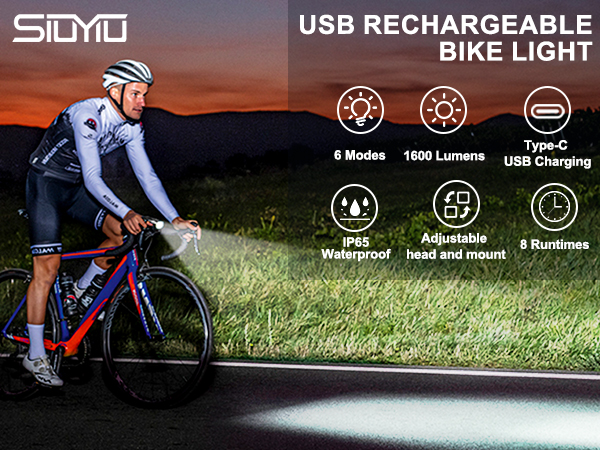
Have you ever wondered why having the right light for your road bike is so important? Whether you ride early in the morning, late at night, or during gloomy weather, your bike’s light can make all the difference.
It’s not just about seeing the road ahead—it’s about being seen by others and staying safe. You’ll discover exactly what a light for a road bike is, how it works, and why choosing the right one can change the way you ride.
Keep reading to make sure your next ride is safer and brighter.
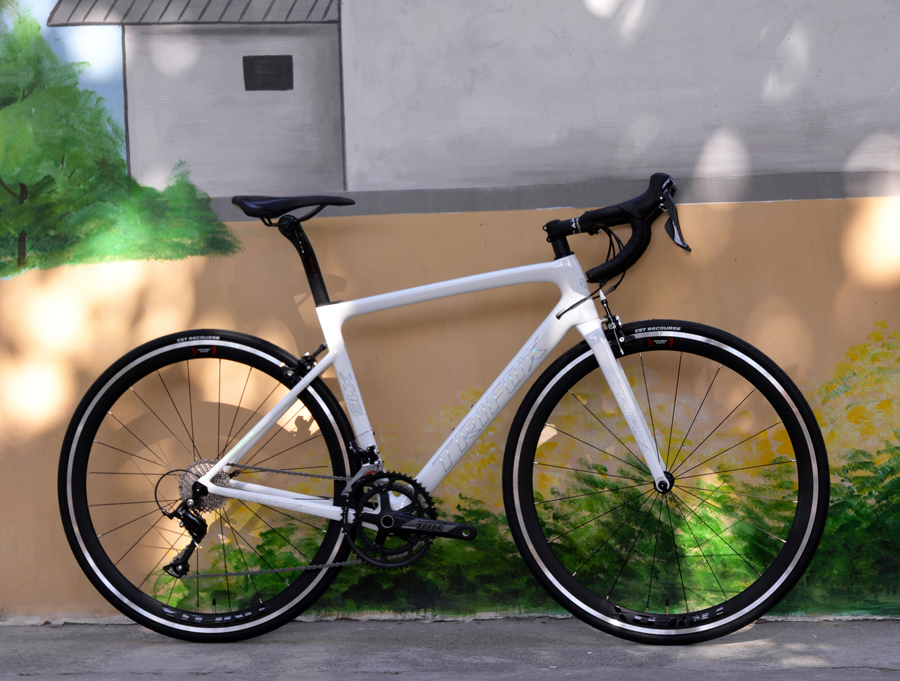
Credit: www.trifoxbike.com
Types Of Road Bike Lights
Road bike lights help you see and be seen while riding. They improve safety in low light and at night.
There are different types of lights for different parts of your bike and gear. Each type has its purpose.
Front Lights
Front lights show the road ahead. They help you avoid obstacles and let others see you.
Most front lights use LEDs for bright, long-lasting light. They can have different brightness levels.
- Steady beam lights for clear vision
- Flashing lights to increase visibility
- Rechargeable or battery-powered options
Rear Lights
Rear lights make you visible from behind. They warn drivers and other riders of your presence.
Rear lights often have red LEDs and flashing modes. This helps catch attention on dark roads.
- Solid red lights for constant visibility
- Flashing red lights for better alert
- Clip-on or seat post mounting options
Helmet And Wheel Lights
Helmet and wheel lights add extra safety by increasing side visibility. They make your movements clearer.
Helmet lights point where you look. Wheel lights create bright patterns when riding at night.
- Helmet lights for focused front light
- Wheel lights that attach to spokes
- Use to improve visibility from all angles

Credit: www.amazon.ca
Brightness And Beam Patterns
A road bike light helps you see and be seen. Knowing about brightness and beam patterns is key.
Let’s explore how lumens affect visibility and the differences between focused and wide beams.
Lumens And Visibility
Lumens measure the total light output. More lumens mean a brighter light.
- 100-200 lumens: Good for city riding
- 200-500 lumens: Suitable for suburban roads
- 500+ lumens: Best for dark, rural areas
Focused Vs. Wide Beams
Beam patterns affect how light is spread. Focused beams are narrow and go further.
Consider the road type and conditions when selecting your bike light.
Power Sources And Battery Life
Road bike lights need power to work well. The power source affects how long lights last. Battery life is important for safety and convenience.
Choosing the right battery helps you ride longer and see better. There are two main types of batteries for bike lights.
Rechargeable Batteries
Rechargeable batteries are built into many bike lights. You can charge them with USB cables many times. They save money over time and reduce waste.
These batteries usually last several hours on a full charge. Battery life depends on light brightness and usage time.
- Common types: lithium-ion and lithium-polymer
- Charging time: 2 to 5 hours
- Battery life: 3 to 10 hours per charge
Disposable Batteries
Disposable batteries use single-use cells like AA or AAA. They are easy to replace but can cost more over time. They work well for occasional riders.
Battery life varies depending on the type and brand. Some disposable batteries last longer than others.
- Common types: alkaline and lithium disposable batteries
- Battery life: 10 to 20 hours depending on use
- Convenient for quick battery swaps
Charging Tips
Charge your rechargeable bike light before every ride. This keeps the light bright and reliable. Avoid letting the battery drain completely often.
Use the charger or cable that comes with your light. Charging in a cool, dry place helps the battery last longer.
- Charge regularly for best performance
- Do not overcharge to protect battery health
- Store lights with partial charge if unused for long
Mounting And Positioning
Choosing the right place to mount a light on your road bike is key for safety. Proper positioning helps you see and be seen better during rides.
This guide covers common mounting spots and tips to keep your light steady and visible.
Handlebar Placement
Mounting your light on the handlebar is popular. It gives a clear path for the beam and keeps the light steady.
- Place the light in the center of the handlebar for balance.
- Make sure it does not block your view of the road or bike computer.
- Use adjustable mounts to change the angle of the light beam.
- Check that the light stays secure on rough roads.
Seat Post And Helmet Mounts
Lights can also attach to the seat post or helmet. Each spot has benefits and limits.
| Mount Type | Pros | Cons |
| Seat Post | Good rear visibility, out of the way | Beam may be blocked by rider’s body |
| Helmet | Follows head movement, lights where you look | Can be heavy, needs frequent charging |
Legal Requirements And Standards
Road bike lights are important for safety and visibility. Laws require certain lights to be on bikes at night or in low light. These rules help prevent accidents.
Standards set minimum quality and brightness for bike lights. Following these standards keeps riders safe and legal on the road.
Regional Regulations
Different countries have specific rules about bike lights. These rules cover color, brightness, and placement of lights.
- In the United States, front white lights and rear red lights are required after dark.
- In the European Union, bikes must have a white front light, a red rear light, and reflectors.
- Australia requires steady or flashing white front lights and red rear lights for night riding.
- Japan mandates white front lights and red rear lights for visibility in low light.
Check local laws before riding to ensure your bike lights meet all rules.
Safety Certifications
Bike lights often carry safety certifications. These show the lights meet quality and performance tests.
- CE Marking shows compliance with European safety standards.
- ANSI certification means the light meets American safety and brightness levels.
- StVZO approval indicates the light is legal for German roads.
- IP ratings tell how well the light resists water and dust.
Look for these marks when buying lights to ensure they are safe and legal.

Credit: www.ravemen.com
Enhancing Safety With Lights
Road bike lights help riders stay safe by making them visible. They alert others about your presence on the road.
Using the right lights can reduce accidents and improve your confidence while riding.
Daytime Visibility
Lights are not just for night riding. Daytime lights increase your visibility to drivers and pedestrians.
- Use bright white front lights during the day.
- Choose flashing modes to catch attention quickly.
- Wear reflective clothing to improve visibility.
- Check that your lights have fresh batteries or are fully charged.
Night Riding Tips
Riding at night requires proper lighting to see and be seen clearly.
| Light Type | Recommended Use | Brightness (Lumens) |
| Front White Light | Illuminates path, alerts drivers | 200-600 |
| Rear Red Light | Warns vehicles from behind | 50-200 |
| Helmet Light | Improves side visibility | 100-300 |
Choosing The Right Light For Your Ride
Lights are important for road bike safety. They help you see and be seen.
Picking the right light depends on your riding style and place.
Commuting
For daily commuting, bright front and rear lights are best. They keep you visible to cars.
Choose lights that are easy to mount and have long battery life.
- Front light with 200+ lumens
- Red rear light with flashing mode
- Rechargeable batteries for convenience
Long-distance Rides
Long rides need powerful lights to see far ahead. This helps avoid obstacles early.
Lights should be lightweight and have multiple brightness settings.
- Front light with 500+ lumens
- Adjustable brightness levels
- Extra batteries or power bank support
Urban Vs. Rural Riding
Urban areas have streetlights, so lower light levels work well. Use steady lights to be clear.
Rural roads are darker. You need strong lights to see and be seen from far away.
- Urban: steady front and rear lights, 200-300 lumens
- Rural: bright front light, 500+ lumens, flashing rear light
- Consider light weight for both types
Frequently Asked Questions
What Is A Road Bike Light Used For?
A road bike light improves visibility for riders during low light or night rides. It also alerts drivers and pedestrians to your presence. Using a light enhances safety and helps you follow traffic laws in many regions.
How Do Road Bike Lights Work?
Road bike lights use batteries or rechargeable power sources to emit bright LEDs. These LEDs provide steady or flashing light modes. The light spreads ahead, illuminating the road and increasing the rider’s visibility to others.
What Types Of Lights Are Best For Road Bikes?
Front white lights and rear red lights are essential for road bikes. Brightness levels vary, but 200-600 lumens are common for front lights. Rear lights typically use flashing modes to attract attention effectively.
Are Rechargeable Lights Better Than Battery-powered Ones?
Rechargeable lights save money and reduce waste over time. They can be charged via USB and offer consistent brightness. Battery-powered lights are convenient but may require frequent replacement, making rechargeables more eco-friendly.
Conclusion
A good road bike light keeps you safe and seen on the road. Bright lights help drivers notice you, especially at night or in bad weather. Choose a light that fits your bike and riding style. Always check your batteries or charge before riding.
Safety is simple with the right light. Ride smart, ride safe.