Have you ever wondered what happens when milk is exposed to freezing temperatures? Understanding milk’s freezing point isn’t just a scientific curiosity; it’s a key factor for anyone interested in food science, dairy processing, or even just storing milk at home.
When you unlock the secrets behind milk’s freezing point, you gain insights that can improve product quality, extend shelf life, and even enhance flavor. Imagine knowing the exact conditions that keep your milk fresh and delicious for longer periods. Stay with us as we delve into the fascinating world of milk’s freezing point, and discover why this knowledge is more relevant to your everyday life than you might think.

Credit: mariebiancuzzo.com
Basics Of Milk Freezing Point
Understanding the basics of milk freezing point helps in dairy quality control. It reveals key properties of milk and checks its purity. This knowledge supports farmers, processors, and consumers alike. Milk freezing point is a key indicator in many dairy processes.
Definition And Importance
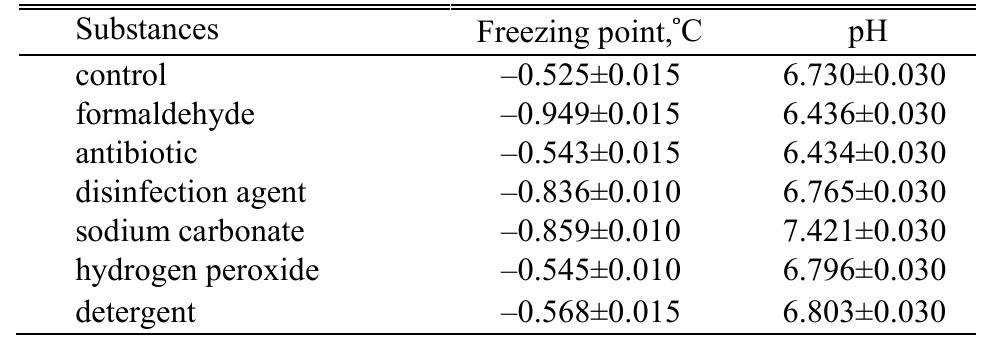
The milk freezing point is the temperature at which milk turns solid. Pure milk freezes slightly below 0°C due to its natural components. It usually freezes around -0.54°C to -0.56°C. Any change in this point can indicate added water or impurities.
Checking the freezing point helps detect milk adulteration. It ensures milk quality and safety for consumers. It also supports fair trading in the dairy industry. Monitoring this point helps maintain product consistency.
How Freezing Point Is Measured
The freezing point of milk is measured using special instruments. One common tool is the cryoscope, which cools the milk sample carefully. The temperature where ice crystals first appear is recorded.
Lab tests follow strict procedures for accuracy. Samples must be fresh and well mixed before testing. The process takes only a few minutes but gives reliable results.
Results help identify any abnormal changes in milk composition. This method is widely used in dairy labs around the world.

Credit: www.worldwidesurgical.com
Factors Affecting Milk Freezing Point
The freezing point of milk is not a fixed value; it changes depending on various factors. Understanding these factors can help you monitor milk quality and detect any adulteration. Let’s look closely at what influences the freezing point of milk and why it matters to you.
Milk Composition Variations
The makeup of milk—its fat, protein, lactose, and mineral content—directly affects its freezing point. Higher lactose levels tend to lower the freezing point, while increased fat content can raise it slightly.
If you’ve noticed milk from different sources freezing differently, it’s likely due to these composition changes. Even small shifts in milk components can change the freezing point enough to matter for quality control.
Impact Of Cow Health And Diet
Your cow’s health and what it eats influence the milk’s freezing point more than you might expect. Sick cows or those on poor diets often produce milk with altered chemical balance, affecting freezing behavior.
Have you checked if the cow’s feed is consistent? A change in diet can cause noticeable shifts in milk’s properties, including freezing point. Keeping cows healthy and well-fed is key to stable milk quality.
Seasonal And Environmental Influences
Milk freezing point can also shift with the seasons and environment. Temperature, humidity, and daylight hours affect cow metabolism and milk composition, leading to seasonal variations in freezing point.
Think about how milk from summer may freeze at a different temperature than winter milk. These environmental factors can surprise you if you’re not tracking them closely.
Applications Of Milk Freezing Point
The freezing point of milk is a key measure used in many areas of dairy production and processing. It helps ensure milk quality and safety. This property has several important applications that protect both consumers and producers.
Understanding the freezing point of milk aids in detecting changes and issues quickly. These applications support dairy businesses by maintaining product standards and meeting legal rules.
Detection Of Adulteration
Milk freezing point helps identify if water or other substances are added to milk. Pure milk has a specific freezing point range. If the freezing point is higher, it may indicate dilution.
This test is quick and reliable. It helps protect buyers from low-quality or tampered milk. Farmers and processors use it to ensure product honesty.
Quality Control In Dairy Industry
Dairy plants use freezing point measurements to check milk quality continuously. It shows if milk composition is normal or has been altered.
Maintaining the right freezing point ensures products like cheese and yogurt develop correctly. It helps avoid production problems and keeps taste and texture consistent.
Regulatory Standards And Compliance
Many countries have laws that require testing milk freezing points. This ensures milk sold meets safety and purity standards.
Testing supports compliance with these regulations. It helps dairy companies avoid fines and legal issues by proving milk quality.
Methods To Test Milk Freezing Point
Testing the freezing point of milk helps detect water addition and ensures quality. Various methods exist for measuring this important property. These methods provide accurate results for farmers, dairy labs, and quality controllers.
The choice of method depends on the setting and required precision. Some tools work in labs while others suit field checks. Understanding these methods aids in proper milk assessment.
Cryoscope Technology
Cryoscope devices measure milk freezing point by cooling samples. They detect the exact temperature when milk starts to freeze. This precise method identifies diluted milk quickly.
Cryoscopes are common in dairy labs for fast and reliable results. They use small milk samples and give digital readings. Regular use helps maintain milk quality.
Laboratory Techniques
Laboratory methods include using specialized instruments and chemical tests. Freezing point osmometry is a popular lab technique. It measures the osmotic concentration to find freezing point.
These tests require trained personnel and controlled conditions. They provide detailed analysis beyond freezing point alone. Labs can also check milk composition and contaminants.
Field Testing Tools
Field tools offer quick checks without complex setups. Portable freezing point meters are easy to carry and use on farms. They help farmers monitor milk quality before delivery.
Simple test kits may use temperature strips or manual methods. Although less precise, they provide useful estimates. Field tests support fast decision-making in milk handling.
Common Myths And Misconceptions
Many people have heard about the freezing point of milk but carry common misunderstandings about what it actually means. These myths can lead to wrong assumptions about milk quality, freshness, and processing effects. Let’s clear up some of the confusion and help you understand the real facts behind milk’s freezing point.
Freezing Point And Milk Freshness
One popular myth is that milk freezes at 0°C like water. In reality, milk freezes slightly below 0°C, typically around -0.54°C. This lower freezing point is due to the natural dissolved solids in milk, such as lactose and minerals.
People often think that milk with a lower freezing point is fresher, but that’s not true. The freezing point stays fairly consistent regardless of how fresh the milk is. If the freezing point varies significantly, it might indicate adulteration, like added water, rather than freshness.
Effects Of Pasteurization
Many assume pasteurization changes the freezing point of milk. Pasteurization heats milk to kill harmful bacteria, but it doesn’t affect the freezing point significantly. The freezing point depends on milk’s composition, not the heat treatment.
You might notice a change in taste or smell after pasteurization, which can confuse people about its effects on freezing point. Remember, pasteurization improves safety and shelf life but leaves the freezing point almost unchanged.
Relationship With Milk Fat Content
Some believe that milk with higher fat content freezes at a much lower temperature. While fat does influence some physical properties of milk, it does not drastically alter the freezing point. The freezing point mainly depends on the amount of dissolved solids, not fat.
Skim milk and whole milk have nearly the same freezing point. So, if you’re checking freezing point to assess milk quality, don’t assume fat content plays a major role. Focus more on solids like lactose and minerals.

Credit: www.researchgate.net
Frequently Asked Questions
What Is The Freezing Point Of Milk?
Milk’s freezing point is typically around -0. 54°C (31. 03°F). It varies slightly due to milk’s natural components and quality.
Why Does Milk Freeze Below 0°c?
Milk freezes below 0°C due to dissolved solids like lactose and minerals. These lower the freezing point compared to pure water.
How Is Milk Freezing Point Used In Dairy Industry?
The freezing point helps detect milk adulteration and water addition. It ensures milk quality and authenticity in dairy processing.
Can Milk Freezing Point Indicate Milk Freshness?
Yes, a stable freezing point suggests fresh milk. Changes may indicate spoilage or contamination affecting milk quality.
Conclusion
Milk’s freezing point tells us about its purity and quality. It helps detect added water or impurities. Knowing this point keeps milk safe and fresh. Farmers and scientists use it to check milk every day. Understanding milk’s freezing point protects consumers and producers alike.
It’s a simple test with big benefits. Milk’s quality matters to everyone who drinks it. So, pay attention to this small but important detail.