Ever cast your line into the water, eagerly anticipating that exhilarating tug, only to wonder if your fishing gear is up to the challenge? If you’re nodding your head, you’re not alone.
Whether you’re a seasoned angler or just dipping your toes into the fishing world, understanding your gear is crucial. That’s where the magic of mono fishing line comes into play. But what exactly is mono fishing line, and why should it matter to you?
This versatile piece of equipment could be the game-changer that transforms your fishing experience. Get ready to uncover the secrets behind mono fishing line, and discover why it just might become your new best friend on your next fishing adventure.

Credit: www.amazon.ca
Mono Fishing Line Basics
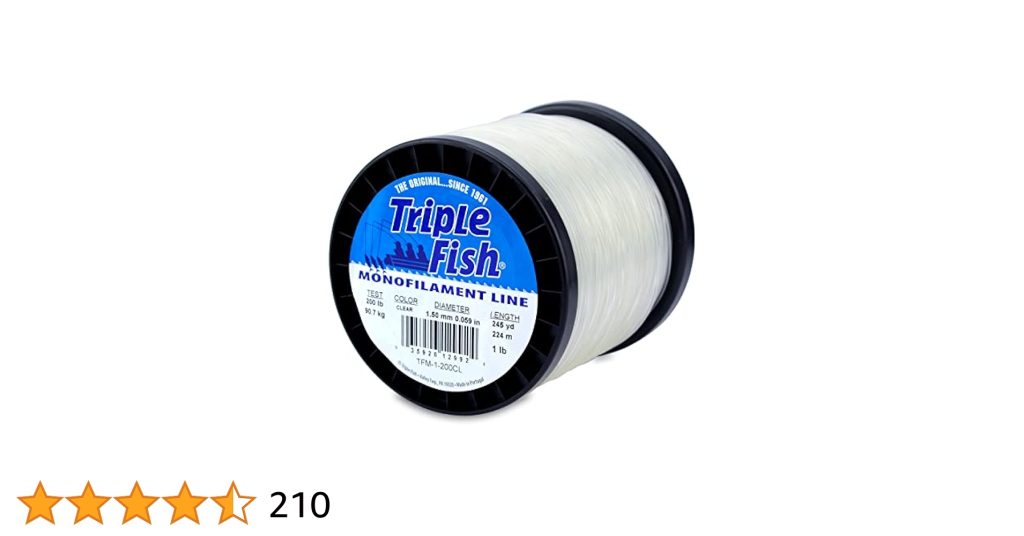
Mono fishing line is a popular type of fishing line used by many anglers. It is known for its simplicity and reliability in different fishing conditions.
This line is easy to handle and works well for beginners and experienced fishers alike. It is made to be strong and flexible.
Material And Composition
Mono fishing line is made from a single type of material called nylon. This makes it different from other lines that use multiple fibers.
Nylon gives the line stretch and strength. It also makes the line resistant to water and sunlight damage.
How Mono Line Works
Mono line stretches when a fish pulls on it. This stretch helps absorb shocks during fishing.
The line is smooth and easy to cast. It moves well through fishing rod guides and water.
- Stretches to prevent breaking
- Good knot strength
- Resists water absorption
- Easy to handle and cast
Common Uses
Mono fishing line is useful for many types of fishing. It works well in fresh and saltwater environments.
It is often used for beginners, general fishing, and when fishing for species that require strong, stretchable line.
- Freshwater fishing for bass and trout
- Saltwater fishing for smaller species
- General purpose fishing line
- Use with spinning and baitcasting reels
Advantages Of Mono Line
Mono fishing line is a popular choice for many anglers. It offers several benefits that make it reliable and easy to use. Understanding its advantages helps in picking the right line for your fishing needs.
This type of line is made from a single strand of nylon, which gives it unique properties. Below are key advantages of mono line that anglers appreciate.
Strength And Durability
Mono line is strong and can handle heavy loads. It resists abrasion well, which means it lasts longer even when dragged over rough surfaces.
- High tensile strength for tough fishing conditions
- Good resistance to cuts and nicks
- Durable under sunlight and water exposure
Flexibility And Stretch
Mono line stretches under pressure. This stretch absorbs shocks from sudden fish movements. It makes fighting big fish easier and reduces line breakage.
| Feature | Benefit |
| Elasticity | Reduces snapping during a fight |
| Flexibility | Easy to tie knots and manage |
| Shock absorption | Protects rod and reel from damage |
Cost-effectiveness
Mono line is affordable and widely available. It offers good value for anglers on a budget without sacrificing performance.
Reasons mono line is cost-effective:
- Lower price compared to braided or fluorocarbon lines
- Lasts long with proper care
- Works well for many fishing styles
Disadvantages Of Mono Line
Mono fishing line is popular but has some drawbacks. Knowing these helps you choose the right line.
This section explains the main disadvantages of mono line in fishing.
Visibility In Water
Mono line is more visible in water than some other lines. Fish can see it easily, making them cautious.
Clear or low-visibility lines are better for fishing in clear water or when fish are shy.
Sensitivity Issues
Mono line stretches more than other types. This stretch reduces your feeling of bites or strikes.
Less sensitivity means it is harder to detect light bites or small fish activity.
Wear And Tear
Mono line wears out faster than braided or fluorocarbon lines. It can get damaged from rough surfaces.
Repeated use weakens the line, increasing the chance of breaks during fishing.

Credit: mustad-fishing.com
Comparing Mono With Other Lines
Mono fishing line is one of the most common types of fishing lines. It is made from a single strand of nylon. Many anglers choose mono for its balance of strength and stretch.
Other popular fishing lines include braided and fluorocarbon lines. Each type has different features that affect fishing performance. Comparing them helps you pick the right line for your needs.
Mono Vs Braided Line
Mono line stretches more than braided line. This stretch helps absorb shocks from big fish. Braided line has almost no stretch, so it feels more sensitive.
Braided line is stronger than mono of the same thickness. It lasts longer and resists cuts better. Mono is easier to handle and knots well, making it good for beginners.
- Mono stretches, braided does not
- Braided is stronger and thinner
- Mono knots easier than braided
- Braided lasts longer in rough conditions
- Mono is easier to cast smoothly
Mono Vs Fluorocarbon Line
Fluorocarbon line is nearly invisible underwater. Mono line is more visible but often cheaper. Fluorocarbon sinks faster, which helps in deep fishing.
Mono line stretches more than fluorocarbon, which gives some shock absorption. Fluorocarbon is stiffer and resists abrasion better. Mono is easier to tie and handle.
- Fluorocarbon is less visible underwater
- Mono stretches more than fluorocarbon
- Fluorocarbon sinks faster
- Mono is softer and easier to knot
- Fluorocarbon resists abrasion better
Choosing The Right Mono Line
Mono fishing line is a popular choice for many anglers. It is easy to use and works well in many fishing situations.
Picking the right mono line helps improve your fishing success. Consider the size, length, and color before buying.
Line Diameter And Strength
The line diameter affects how strong your fishing line is. Thicker lines hold more weight but may be less flexible.
Choose a strength that matches the fish you want to catch. Stronger lines are good for big fish, while thinner lines suit small fish.
- Thicker line = higher strength and durability
- Thinner line = less visible and more flexible
- Match line strength to fish size and type
Line Length And Spool Size
Mono lines come in different lengths and spool sizes. Longer lines let you cast farther and fish deeper waters.
Choose a spool size that fits your fishing reel. Too much line can cause tangles, while too little limits your casting distance.
- Longer line is good for big lakes and rivers
- Shorter line suits small ponds or streams
- Check your reel capacity before buying spools
Color Options
Mono fishing lines come in many colors. Clear lines are less visible underwater and work in clear water.
Colored lines help you see the line above water. Pick colors based on water conditions and fishing style.
- Clear or green lines blend in water well
- Bright colors help track your line
- Choose color based on water clarity and light
Tips For Using Mono Line
Mono fishing line is popular for its strength and stretch. It works well for many fishing styles. Using it correctly helps you catch more fish.
Learning how to tie knots, store, and maintain your mono line keeps it strong and ready. Follow these simple tips for best results.
Knot Tying Techniques
Tying the right knots keeps your line from slipping or breaking. Mono line is smooth, so use knots that hold well.
- Use the Palomar knot for strong, easy tying.
- Try the Improved Clinch knot for smaller hooks.
- Always wet the knot before tightening to avoid friction damage.
- Pull the knot tight slowly and check for any weak spots.
Proper Storage
Storing mono line properly stops it from getting weak or tangled. Keep it dry and away from sunlight.
| Storage Tip | Why It Helps |
| Keep in a cool, dark place | Prevents UV damage and heat weakening |
| Use a sealed plastic container | Stops moisture and dust buildup |
| Do not leave on reels for months | Avoids line memory and deforming |
| Check line condition before use | Ensures strength and safety |
Maintenance And Replacement
Regular maintenance keeps mono line in good shape. Replace it if you see damage or old age signs.
- Inspect line for nicks, cuts, and frays after each fishing trip.
- Rinse with fresh water to remove dirt and salt.
- Let line dry fully before storing to prevent mold.
- Replace line yearly or sooner if damaged.
Top Mono Fishing Line Brands
Mono fishing line is a popular choice for many anglers. It is strong, flexible, and easy to handle. Choosing the right brand can improve your fishing experience.
There are many brands that offer quality mono lines. Some focus on beginner needs, while others provide high performance for serious anglers.
Popular Brands Overview
Top brands make mono lines that differ in strength, stretch, and durability. These brands have built trust over years of use.
- Stren: Known for smooth casting and good strength
- Berkley: Offers reliable lines with good abrasion resistance
- SpiderWire: Focuses on strong and thin lines
- Penn: Popular for tough saltwater fishing lines
- Seaguar: Known for smooth finish and low memory
Best Lines For Beginners
Beginners need lines that are easy to use and forgiving. These lines should not tangle or break easily.
Brands that offer good beginner lines include:
- Stren Original: Affordable and smooth for easy casting
- Berkley Trilene XL: Strong and flexible for many conditions
- SpiderWire Stealth: Thin but easy to handle
High-performance Lines
High-performance mono lines offer extra strength and less stretch. They help anglers catch bigger fish with better control.
These brands provide top lines for serious fishing:
- Seaguar InvizX: Clear and strong with low memory
- Penn Monofilament: Durable with high abrasion resistance
- Berkley Big Game: Heavy duty for large fish

Credit: mysterytacklebox.com
Frequently Asked Questions
What Is Mono Fishing Line Made Of?
Mono fishing line is made from a single strand of nylon. It offers flexibility, strength, and abrasion resistance. Its smooth texture helps in easy casting and less visibility underwater, making it popular among anglers.
How Strong Is Mono Fishing Line?
Mono fishing line strength varies by thickness and brand. It provides good tensile strength suitable for most freshwater and light saltwater fishing. It can handle sudden fish strikes and is durable under various fishing conditions.
Why Choose Mono Fishing Line Over Braided?
Mono is cheaper and stretches more than braided line. Its stretch absorbs shocks, reducing fish hook pull-outs. Mono is also less visible underwater and easier to handle for beginners, making it a versatile choice for many anglers.
Does Mono Fishing Line Float Or Sink?
Mono fishing line generally sinks slowly in water. Its density is slightly higher than water, which helps it submerge but not as fast as fluorocarbon lines. This makes it suitable for surface and mid-depth fishing techniques.
Conclusion
Mono fishing line offers strength and flexibility for many fishing needs. It is easy to handle and works well for beginners. This line is smooth and less visible underwater, helping catch more fish. It resists knots and stretches slightly, which helps absorb shocks.
Choosing the right mono line can improve your fishing experience. Simple, reliable, and affordable—mono line remains a top choice for anglers. Try it on your next trip and see the difference yourself.