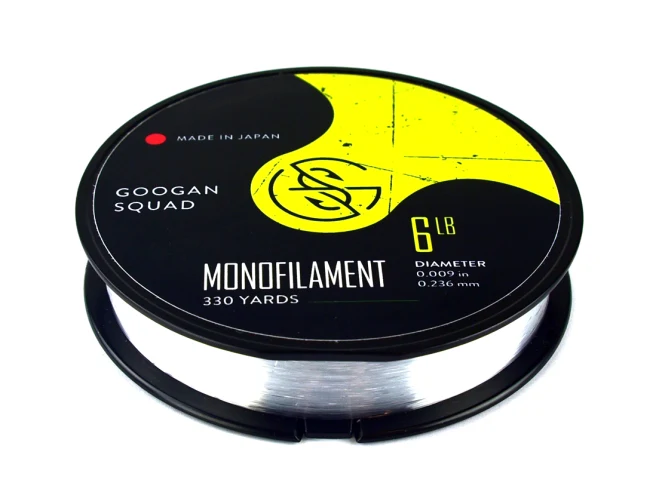
Are you curious about what makes mono fishing line a go-to choice for many anglers? Whether you’re just starting out or looking to improve your fishing gear, understanding mono fishing line can change the way you fish.
This simple yet powerful tool affects your cast, your catch, and your overall experience on the water. Keep reading, and you’ll discover why mono fishing line might be exactly what your tackle box needs.
Mono Fishing Line Basics
Mono fishing line is a popular type of fishing line made from a single strand. It is widely used by anglers for its strength and flexibility.
This line is easy to handle and works well for many fishing situations. It offers good knot strength and stretch.
Material And Composition
Mono fishing line is made from nylon, a strong and flexible plastic. Nylon gives the line its smooth texture and durability.
The line is created by melting nylon pellets and shaping them into a single strand. This process makes the line uniform and strong.
- Nylon is resistant to abrasion and wear
- It can stretch under pressure without breaking
- The line is usually clear or slightly tinted
How Mono Line Works
Mono fishing line works by stretching to absorb the force from a fish. This stretch helps prevent the line from breaking.
The line’s smooth surface reduces friction when casting and helps it move easily through guides on the rod.
- Stretch provides shock absorption
- Smooth texture improves casting distance
- Strong knot holding capability

Credit: www.amazon.com
Advantages Of Mono Line
Mono fishing line is popular among anglers for many reasons. It offers several benefits that make it a preferred choice.
Let’s explore the advantages of using mono line for your fishing needs.
Stretch And Shock Absorption
Mono line is known for its stretchability. This feature helps in absorbing shocks when a fish bites or struggles.
- Reduces the chance of line breakage.
- Helps keep the hook secure in the fish’s mouth.
- Offers a smoother fishing experience.
Cost-effectiveness
Mono line is generally cheaper compared to other types of fishing lines. This makes it accessible for many anglers.
| Type | Average Cost |
| Mono Line | $5 – $20 |
| Braid Line | $15 – $40 |
| Fluoro Line | $10 – $35 |
Ease Of Use
Mono line is easy to handle and knot. This makes it a good option for beginners and seasoned anglers alike.
Limitations Of Mono Line
Mono fishing line is popular among anglers. It is easy to use and affordable.
Still, it has some limits that affect fishing performance. Knowing these helps choose the right line.
Visibility In Water
Mono line is more visible in water than other lines. Fish can see it easily.
This visibility may scare fish away. It reduces the chance of a bite in clear water.
- Clear water shows mono line well
- Fish may avoid visible lines
- Not ideal for shy or wary fish
Durability Concerns
Mono line can weaken with use. Sunlight and water cause damage over time.
It can stretch or break under heavy strain. This limits its use for big fish.
- Sunlight reduces strength
- Line can wear from friction
- Less strong than some braided lines
Sensitivity Issues
Mono line stretches more than other lines. This lowers sensitivity to fish bites.
Anglers may miss subtle bites. The line absorbs some of the fish’s movement.
- Stretches under tension
- Less feel for light bites
- Harder to detect small fish activity
Choosing The Right Mono Line
Mono fishing line is a popular choice for many anglers. It is easy to handle and works well in different fishing conditions. Picking the right mono line can improve your fishing experience.
Consider a few key factors before choosing your mono line. These include line diameter, strength, test weight ratings, and color options. Each factor affects how your line performs on the water.
Line Diameter And Strength
The diameter of the mono line affects its strength and how far you can cast. Thicker lines are stronger but less smooth on the reel. Thinner lines cast farther but may break more easily.
- Thicker diameter: better for heavy fish and rough conditions
- Thinner diameter: good for light tackle and clear water
- Stronger lines resist breaking under pressure
- Match diameter with your rod and reel for best performance
Test Weight Ratings
Test weight rating shows how much weight the line can hold before breaking. It is usually measured in pounds. Choose a test weight that fits the fish you want to catch.
| Test Weight (lbs) | Best For |
| 2-6 | Small fish like panfish and trout |
| 8-12 | Medium fish like bass and walleye |
| 14-20 | Larger fish like catfish and pike |
| 25+ | Big game fish and heavy cover fishing |
Color And Visibility Options
Mono lines come in different colors. The color affects how visible the line is to fish and to you. Choose the color that fits your fishing style and water type.
- Clear or low-visibility lines work well in clear water.
- Bright colors help you see the line above water.
- Green or blue lines blend in with water for stealth fishing.
- Choose color based on light and water conditions.
Comparing Mono With Other Lines
Monofilament fishing line is a popular choice among anglers. It is made from a single strand of nylon. Many fishers like it for its stretch and ease of use.
There are other types of fishing lines like fluorocarbon and braided lines. Each type has its strengths and weaknesses. Let’s compare mono with these lines.
Mono Vs. Fluorocarbon
Monofilament is softer and more stretchy than fluorocarbon. This stretch helps absorb shocks when a fish pulls hard. Fluorocarbon is harder and less visible underwater.
Fluorocarbon sinks faster than mono because it is denser. Mono floats or stays near the surface. Mono is easier to knot and cheaper than fluorocarbon.
- Mono stretches more, good for shock absorption
- Fluorocarbon is less visible in water
- Fluorocarbon sinks, mono floats
- Mono knots easily and costs less
Mono Vs. Braided Line
Braided line has little to no stretch compared to mono. This gives better sensitivity for feeling bites. Mono stretches more, which can help with big fish fights.
Braid is stronger at the same diameter than mono. It also lasts longer and resists abrasion well. Mono is easier to handle and less visible in clear water.
- Braid has no stretch, gives better bite feel
- Mono stretches, helps absorb fish shocks
- Braid is stronger and more durable
- Mono is easier to use and less visible

Credit: www.amazon.com
Mono Line Care And Maintenance
Mono fishing line is popular for its strength and stretch. Taking care of it helps keep it strong and reliable. Proper maintenance makes your fishing experience better.
Simple habits like correct storage and knot tying keep the line in good shape. Knowing when to replace it also saves you from losing fish or gear.
Storage Tips
Store mono line in a cool, dry place away from sunlight. Heat and UV rays can weaken the line. Keep it in its original spool or a sealed container.
- Avoid leaving line in direct sunlight for long periods.
- Keep line away from sharp objects that may cut it.
- Store line at room temperature to avoid damage from heat or cold.
- Use a line holder or spool to prevent tangling.
Knot Tying Techniques
Tying the right knots keeps mono line strong and secure. Use knots that do not slip or weaken the line. Practice these simple knots for better fishing.
- Use the Palomar knot for strong, easy tying.
- Try the Improved Clinch knot for attaching hooks and lures.
- The Trilene knot works well for most fishing needs.
- Always moisten the line before tightening knots to reduce friction.
- Trim excess line close to the knot for a neat finish.
When To Replace Mono Line
Replace mono line if it shows signs of wear. Old or damaged line can break easily and cause lost catches. Check your line often for safety.
| Signs of Wear | Why Replace |
| Discoloration or fading | Sun damage weakens the line |
| Fraying or nicks | Line can break under tension |
| Loss of stretch | Less shock absorption when fish strikes |
| Line older than 1 year | Material degrades over time |
Best Uses For Mono Line
Mono fishing line is a popular choice among anglers. It is made from a single strand of nylon, making it strong and flexible.
This type of line works well in many fishing situations. Its stretch and durability make it useful for both beginners and experienced fishers.
Freshwater Fishing
Mono line is excellent for freshwater fishing. It works well in lakes, rivers, and ponds. The line’s stretch helps absorb shocks from fish movements.
It is also good for casting because it slides smoothly through the rod guides. Mono line is easy to handle for most fish types found in fresh water.
Saltwater Applications
Mono line can be used in saltwater fishing, but it needs regular care. Saltwater can weaken the line if it is not rinsed after use.
Mono line works well for inshore fishing and lighter saltwater species. It resists abrasion from rocks and shells better than some other lines.
- Good for casting near reefs and shorelines
- Handles saltwater fish like snapper and trout
- Needs rinsing after saltwater use
Ideal Fishing Techniques
Mono line suits several fishing methods. Its stretch helps when fighting fish that make sudden runs or jumps.
It works well for techniques that need smooth casts and soft presentations. Mono line is good for bait fishing, trolling, and bottom fishing.
- Bait fishing with live or cut bait
- Trolling at moderate speeds
- Bottom fishing near structures
- Casting lures with smooth action

Credit: mustad-fishing.com
Frequently Asked Questions
What Is Mono Fishing Line Used For?
Mono fishing line is used for general fishing due to its strength and flexibility. It’s ideal for beginners and various fishing conditions.
How Strong Is Mono Fishing Line?
Mono fishing line offers good strength and abrasion resistance. Its strength depends on the line’s diameter and material quality.
Is Mono Fishing Line Good For Beginners?
Yes, mono fishing line is beginner-friendly. It’s easy to handle, knots well, and works in many fishing situations.
How Does Mono Fishing Line Compare To Braided Line?
Mono is less visible underwater and more stretchable. Braided line is stronger and thinner but more visible in water.
Conclusion
Mono fishing line offers strength and stretch for better fishing control. It is clear and smooth, making it less visible to fish. Many anglers trust it for its reliability and ease of use. Choosing the right line depends on your fishing style and needs.
Mono line remains a popular choice for beginners and experts alike. Simple, strong, and dependable—mono fishing line helps you enjoy fishing more. Give it a try on your next trip and see the difference.