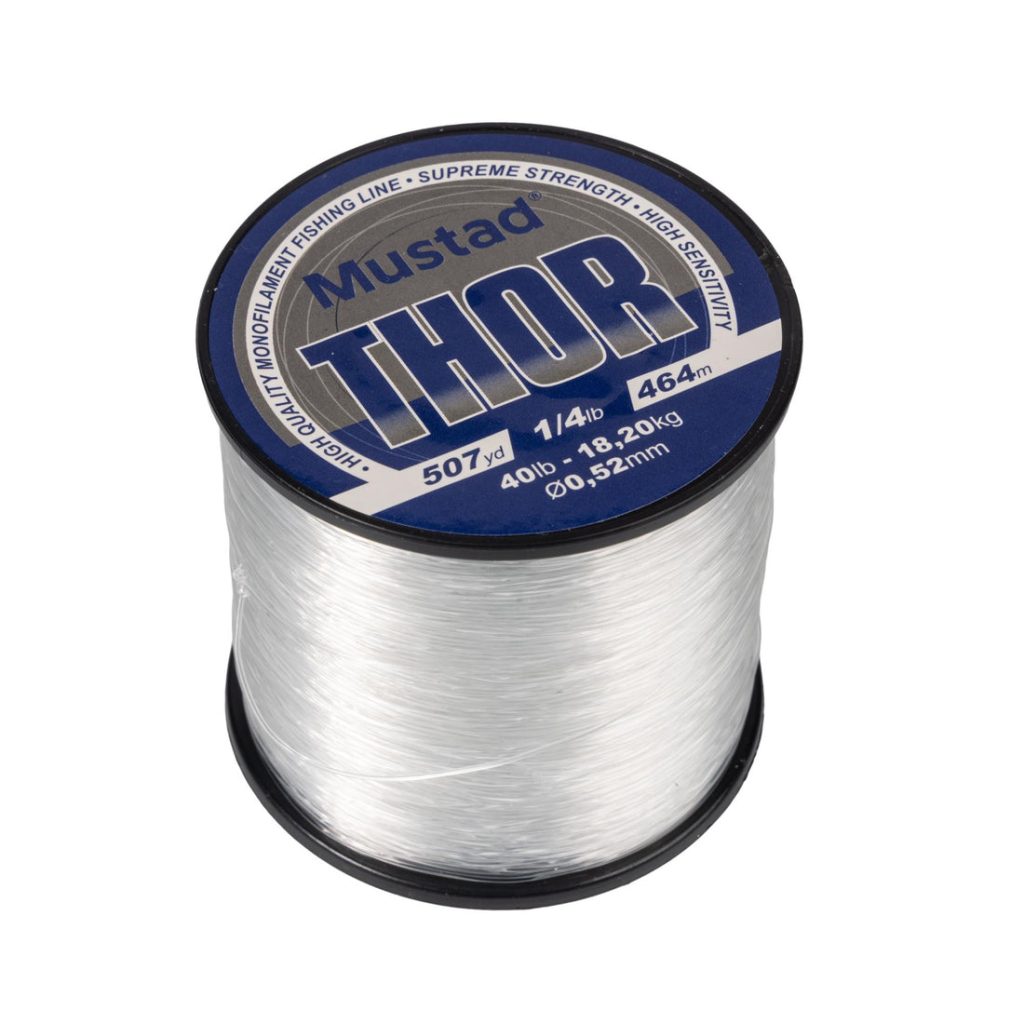
If you’re serious about fishing, understanding your gear can make all the difference. One key piece you should know about is monofilament fishing line.
It’s one of the most popular choices among anglers, but what exactly makes it special? How does it affect your fishing experience? By the end of this article, you’ll know everything you need to choose the right line for your next catch.
Keep reading, and you’ll discover how monofilament fishing line can improve your skills and increase your chances of success.
Monofilament Line Basics
Monofilament fishing line is a popular choice for many anglers. It is a single, continuous strand of material used to catch fish.
This type of line is known for its flexibility, strength, and ease of use. Many beginners and experts prefer it for different fishing conditions.
Material Composition
Monofilament line is made mainly from nylon. Nylon is a strong, lightweight plastic that stretches under tension.
The nylon used can vary in quality, affecting the line’s strength and durability. Sometimes additives are included to improve color or resistance to sunlight.
How It’s Made
The nylon is melted into a liquid form and pushed through a small hole called a die. This process creates a long, thin strand of line.
After shaping, the line cools and hardens. It then passes through machines that stretch and wind it onto spools for sale.
Common Uses
Monofilament line works well for many fishing styles. It suits both freshwater and saltwater fishing.
- Good for casting because it is flexible and easy to handle
- Used in spinning reels and baitcasting reels
- Ideal for beginners due to its forgiving stretch
- Works well for fish that need a gentle hook set
- Affordable and widely available for everyday fishing

Credit: www.amazon.com
Advantages Of Monofilament
Monofilament fishing line is popular among anglers. It offers several benefits that make fishing easier and more enjoyable.
Understanding these advantages can help you choose the right line for your fishing needs.
Flexibility And Stretch
Monofilament is flexible, which helps in casting and handling. It stretches under pressure, absorbing shocks from fighting fish.
- Better handling for beginners
- Reduces chances of line breakage
- Improves casting distance
Cost-effectiveness
Monofilament is affordable. It is a budget-friendly option for both new and experienced anglers.
| Line Type | Average Cost |
| Monofilament | $5 – $10 |
| Braided | $15 – $25 |
| Fluorocarbon | $20 – $30 |
Knot Strength
Knot strength is crucial in fishing. Monofilament holds knots well, ensuring your tackle stays secure.
Drawbacks To Consider
Monofilament fishing line is popular but it has some drawbacks. These can affect your fishing experience.
Understanding these issues helps you choose the right line for your needs.
Line Memory Issues
Monofilament line tends to develop memory over time. This means it keeps the shape of the spool.
Memory can cause loops and tangles. These make casting harder and can lead to line breaks.
Durability Concerns
Monofilament is less resistant to abrasion than other lines. It can wear out quickly on rough surfaces.
Sunlight and water chemicals also weaken the line over time. This reduces its strength and reliability.
Sensitivity Limitations
Monofilament is thicker and less sensitive than other lines. It is harder to feel bites and underwater movements.
This limits its use in situations where detecting light bites is important.
Comparing Fishing Lines
Fishing lines come in different types. Monofilament, fluorocarbon, and braided lines are the most common. Each has unique features and uses.
Choosing the right line helps you catch more fish. It also makes fishing easier and more fun.
Monofilament Vs Fluorocarbon
Monofilament line is soft and stretchy. Fluorocarbon is harder and less visible underwater. Both float differently and have different strengths.
Fluorocarbon sinks faster and resists abrasion better. Monofilament is cheaper and easier to handle. Each suits different fishing styles.
- Monofilament stretches more, good for beginners.
- Fluorocarbon is nearly invisible, great for clear water.
- Monofilament floats; fluorocarbon sinks.
- Fluorocarbon lasts longer against rough surfaces.
Monofilament Vs Braided
Monofilament is round and smooth. Braided line has no stretch and is very strong. Braided lines are thinner but tougher than monofilament.
Braided line feels rough and can cut fingers. Monofilament is softer and easier to knot. Each has a place in fishing depending on your needs.
- Monofilament stretches to absorb shocks.
- Braided line has little stretch for better hook sets.
- Braided line lasts longer and resists cuts.
- Monofilament is easier to tie knots with.
Best Uses For Each Type
Each fishing line type works best in certain conditions. Knowing where to use them helps catch fish easier.
| Fishing Line | Best Uses |
| Monofilament | Good for beginners, topwater lures, and fresh water fishing. |
| Fluorocarbon | Clear water fishing, deep water, and abrasion resistance needed. |
| Braided | Heavy cover fishing, long casts, and strong fish like bass or pike. |
Choosing The Right Monofilament
Monofilament fishing line is a popular choice for many anglers. It is easy to handle and works well for various fishing conditions.
Picking the right monofilament line depends on a few key features. These include strength, thickness, and color.
Breaking Strength
Breaking strength is the maximum weight the line can hold before it breaks. It is measured in pounds.
Choose a line with a breaking strength that matches the fish you want to catch. Stronger fish need higher breaking strength.
Diameter And Visibility
The diameter of monofilament affects how visible it is in the water. Thinner lines are less visible to fish.
Thinner lines offer less resistance and help with casting. Thicker lines are more durable but easier for fish to see.
- Thin diameter: less visible, better for clear water
- Thick diameter: more durable, good for heavy cover
- Balance visibility and strength for your fishing spot
Color Options
Monofilament lines come in many colors. Each color has a use depending on water and light conditions.
Clear or green lines blend well in clear water. Bright colors help you see the line above water.
- Clear: good for clear water and sunny days
- Green: blends well in freshwater
- Blue or gray: works in deep or saltwater
- Bright colors: easy to see above water
Tips For Using Monofilament
Monofilament fishing line is popular because it is flexible and easy to use. It works well for many fishing types.
To get the best results, you should know how to store and care for it. Using the right knots and replacing the line are also important.
Storage And Care
Keep your monofilament line in a cool, dry place. Avoid storing it where the sun shines directly on it.
Sunlight and heat can weaken the line and cause it to lose strength. Always rewind the line neatly on your reel after use.
- Store line away from direct sunlight
- Keep line dry and cool
- Rewind line carefully to avoid tangles
- Check line for damage before storing
Knots That Work Best
Using the right knots helps prevent your line from slipping or breaking. Monofilament works well with many common fishing knots.
Some knots hold better on monofilament because the line is smooth and stretchy. Practice tying these knots for strong connections.
- Improved Clinch Knot – strong and easy to tie
- Palomar Knot – good for hooks and lures
- Uni Knot – versatile and reliable
- Double Surgeon’s Knot – good for joining lines
Replacing Your Line
Replace your monofilament line regularly. Old line can weaken and cause you to lose fish.
Check your line for nicks, discoloration, or stiffness. Replace it if you see any signs of damage or after heavy use.
- Inspect line before every fishing trip
- Replace line every few months if used often
- Remove old line completely before adding new
- Spool new line evenly and tightly on reel
Popular Brands And Products
Monofilament fishing line is a top choice for many anglers. It is easy to handle and works well in different fishing situations.
Many brands offer monofilament lines in various strengths and qualities. This guide looks at popular brands and their products.
Top Rated Monofilament Lines
Some brands stand out for their quality and reliability. These lines offer good strength, low memory, and smooth casting.
- Seaguar Red Label:Known for its high strength and abrasion resistance.
- Stren Original:Offers great knot strength and smooth performance.
- Berkley Trilene XL:Popular for its durability and ease of use.
Budget-friendly Options
Affordable monofilament lines can still give good results. These options fit well for casual fishing and beginners.
| Brand | Product | Strength Range (lbs) | Price Range |
| Wild River | Monofilament Line | 4-20 | Low |
| Cadence | Clear Mono | 6-14 | Low |
| Piscifun | Phantom | 8-30 | Low to Medium |
Specialty Lines For Specific Fish
Certain monofilament lines suit specific fish types. These lines have special features for better control and strength.
- Fluorocarbon Coated Lines:Good for clear water and wary fish like trout.
- High-Visibility Lines:Help track fish bites in low light or deep water.
- Heavy-Duty Lines:Designed for big fish like catfish or pike with strong abrasion resistance.

Credit: mysterytacklebox.com

Credit: www.amazon.com
Frequently Asked Questions
What Is Monofilament Fishing Line Made Of?
Monofilament fishing line is made from a single strand of nylon polymer. This material provides flexibility, strength, and durability, making it popular for various fishing conditions.
How Does Monofilament Fishing Line Perform Underwater?
Monofilament line is slightly buoyant and offers good knot strength. It stretches under load, absorbing shocks, which helps prevent line breakage during fishing.
What Are The Main Advantages Of Monofilament Line?
Monofilament is affordable, easy to handle, and versatile. It resists abrasion well and is ideal for beginners and casual anglers due to its forgiving nature.
When Should I Choose Monofilament Over Other Lines?
Choose monofilament for freshwater fishing, topwater lures, or when line stretch is beneficial. It works well in low light and for general-purpose fishing.
Conclusion
Monofilament fishing line offers good strength and flexibility for anglers. It is easy to handle and works well in many fishing situations. This type of line stretches slightly, helping absorb sudden pulls from fish. It also blends well with water, making it less visible.
Choosing the right monofilament line depends on your fishing needs. Understanding its features helps you fish smarter and enjoy your time outdoors. Give monofilament line a try for simple and effective fishing.