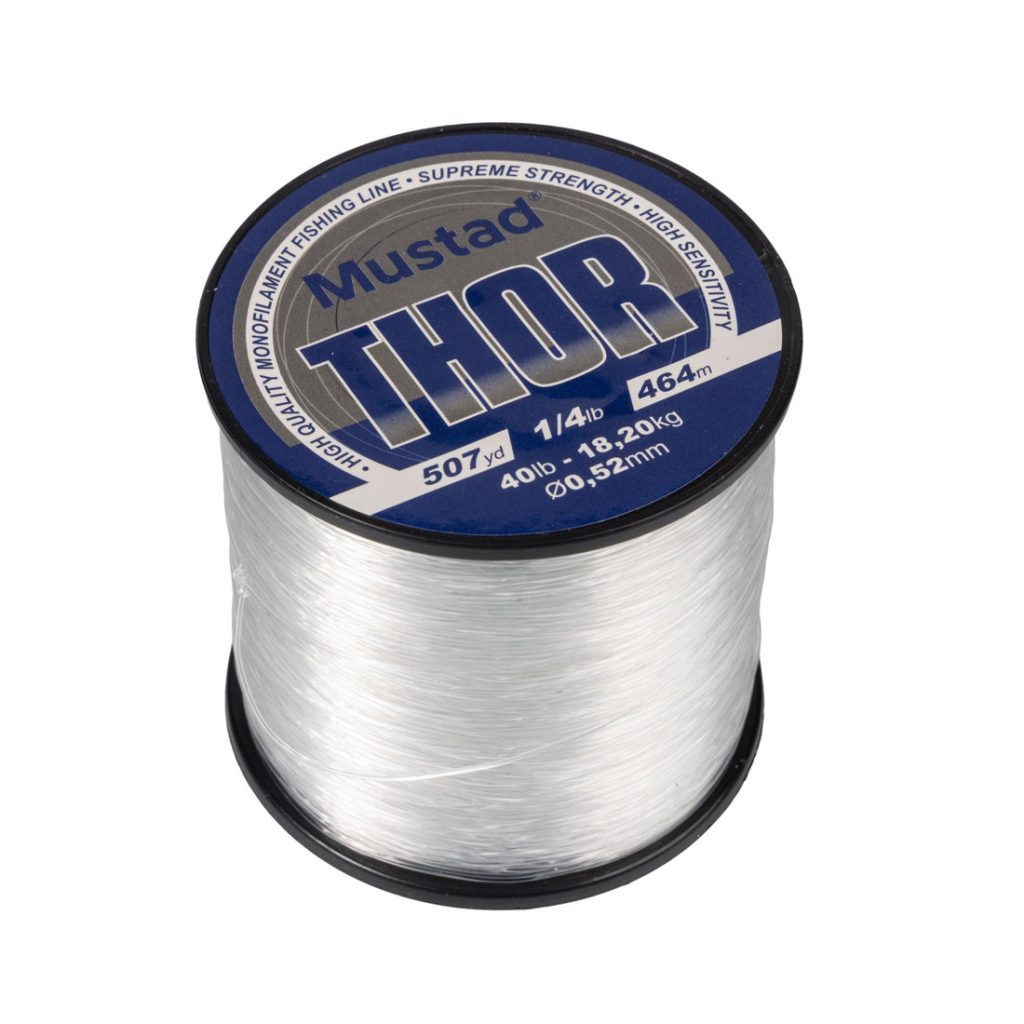
If you’re serious about fishing, understanding your gear can make all the difference. One key item you’ll come across is monofilament fishing line.
But what exactly is it, and why do so many anglers prefer it? This simple-looking line hides some powerful features that can improve your fishing experience. Keep reading, and you’ll discover how monofilament line works, its benefits, and how it can help you catch more fish on your next trip.
Your fishing game is about to get a serious upgrade.
Monofilament Basics
Monofilament fishing line is a single strand of material used for fishing. It is popular for its strength and flexibility.
This type of fishing line is easy to handle and works well in many fishing situations. It is a common choice for beginners and experts.
Material Composition
Monofilament fishing line is made from one type of plastic called nylon. Nylon is strong and stretches under pressure.
The nylon material helps the line resist water and sun damage. It also makes the line smooth and easy to cast.
Manufacturing Process
The nylon is melted and pushed through a small hole to form a thin thread. This process is called extrusion.
After extrusion, the line cools down and stretches to improve strength. Then it is spooled onto reels for sale.
Common Uses
Monofilament line is used in many types of fishing like freshwater and saltwater fishing. It works well for most fish species.
- Good for casting and spinning reels
- Useful for beginners learning to fish
- Works well with many fishing lures and baits
- Offers some stretch to absorb fish bites
- Affordable and widely available

Credit: mysterytacklebox.com
Advantages Of Monofilament
Monofilament fishing line is a popular choice among anglers. It offers several benefits that make fishing easier and more enjoyable.
This type of line is made from a single strand of nylon. Its unique properties give it distinct advantages over other lines.
Flexibility And Stretch
Monofilament line is very flexible, which helps it bend and twist without breaking. It can stretch under pressure, absorbing shocks well.
This stretch reduces the chance of the line snapping when a fish pulls hard. It also helps keep the hook set firmly in the fish’s mouth.
- Absorbs sudden pulls
- Reduces line breakage
- Makes casting smoother
Cost-effectiveness
Monofilament fishing line is usually cheaper than other types like braided or fluorocarbon lines. This makes it a good choice for beginners.
Its low price allows anglers to buy more line or replace it often without spending a lot of money.
- Affordable for most budgets
- Good for practice and learning
- Easy to replace when worn out
Ease Of Use
Monofilament is easy to handle because it is soft and smooth. It knots well and holds tight without slipping.
Its clear appearance also helps it blend in with water, making fish less likely to see the line.
- Simple to tie strong knots
- Soft texture for easy casting
- Low visibility in water
Drawbacks To Consider
Monofilament fishing line is popular for many reasons. It is affordable and easy to use. Still, there are some drawbacks to know before choosing it.
This section explains key downsides like UV sensitivity, memory and line twist, and abrasion resistance. Understanding these helps you pick the best line for your fishing needs.
Uv Sensitivity
Monofilament line breaks down over time when exposed to sunlight. UV rays weaken the line, making it less strong and more likely to snap. This means you should store the line away from direct sunlight.
Memory And Line Twist
Monofilament has high memory. This means it keeps the shape of the spool. It can cause line twist, tangles, and loops, which frustrate many anglers.
- Line twist reduces casting distance.
- Tangles slow down fishing.
- Loops can cause line breaks under tension.
Abrasion Resistance
Monofilament is less resistant to abrasion than other lines. It can wear down quickly when rubbing against rocks, logs, or sharp objects.
| Type of Line | Abrasion Resistance |
|---|---|
| Monofilament | Low |
| Fluorocarbon | High |
| Braid | Very High |
Choosing The Right Monofilament
Monofilament fishing line is popular for many anglers. Picking the right one can improve your fishing experience. This guide helps you understand key factors.
You will learn about line strength, diameter, visibility, and color options. Each factor affects your fishing success.
Line Strength And Test
Line strength shows how much weight the line can hold before breaking. It is measured in pounds, called the test weight. Choose a test weight that matches your target fish size.
- Light test (2-6 lb) works for small fish like trout.
- Medium test (8-14 lb) fits most freshwater fishing.
- Heavy test (20+ lb) is best for big fish and saltwater.
Diameter And Visibility
Diameter affects the line’s thickness and visibility in water. Thinner lines are less visible but have lower strength. Thicker lines last longer and resist abrasion better.
| Diameter (inches) | Visibility | Strength |
|---|---|---|
| 0.008 – 0.012 | Low (hard to see) | Light |
| 0.013 – 0.018 | Medium | Medium |
| 0.019 and up | High (easier to see) | Heavy |
Color Options
Monofilament lines come in many colors. Color choice depends on water clarity and fishing conditions. Some colors blend with water, others are easier to see.
- Clear or green for clear water and low visibility.
- Blue or gray for open water fishing.
- Bright colors like yellow for easy line tracking above water.
Monofilament Vs Other Lines
Monofilament fishing line is a popular choice for many anglers. It is made from a single strand of nylon, which makes it stretchy and easy to handle.
Other fishing lines include fluorocarbon and braided lines. Each type has its own strengths and weaknesses. Understanding these differences helps you pick the right line for fishing.
Comparison With Fluorocarbon
Fluorocarbon line is made from a special plastic that sinks faster than monofilament. It is less visible underwater, which helps catch shy fish.
Monofilament is more stretchy than fluorocarbon. This stretch helps absorb shocks from fish pulling hard. Fluorocarbon is stiffer and less stretchy, so it can break easier under strong force.
- Monofilament floats; fluorocarbon sinks
- Fluorocarbon is harder to see underwater
- Monofilament stretches more than fluorocarbon
- Fluorocarbon resists abrasion better
Comparison With Braided Line
Braided line is made from many small fibers woven together. It is very strong and has almost no stretch. This helps with better control over fish.
Monofilament is thicker than braided line of the same strength. It is easier to knot and less visible in water. Braided line is thinner but can be more visible to fish.
- Braided line is stronger and thinner
- Monofilament has more stretch than braided
- Monofilament knots easier than braided
- Braided line lasts longer against wear

Credit: www.amazon.com
Tips For Using Monofilament
Monofilament fishing line is popular for its flexibility and strength. It works well for many fishing situations.
Using monofilament correctly helps you catch more fish and keep your gear in good shape.
Knot Tying Techniques
Tying strong knots with monofilament is important to avoid losing fish. Some knots hold better with this line type.
Use knots that keep the line tight and do not slip easily.
- Palomar Knot: Easy and very strong for monofilament.
- Improved Clinch Knot: Common and reliable for many situations.
- Uni Knot: Versatile and good for different line types.
Storage And Maintenance
Keep monofilament line stored in a cool, dark place. Sunlight and heat can weaken the line over time.
Check the line often for signs of wear like cracks or frays. Replace it if you see damage.
- Store spools in sealed containers to avoid dust and moisture.
- Do not leave line exposed to direct sunlight for long periods.
- Untangle knots gently to prevent weakening the line.
Best Practices On The Water
Use the right monofilament line strength for your target fish. Too light or too heavy line can cause problems.
Cast smoothly and avoid sudden jerks. This helps prevent line breaks and tangles.
- Keep your line clean by rinsing it with fresh water after fishing.
- Check knots before every cast to ensure they are secure.
- Replace your line regularly to maintain good performance.
Popular Monofilament Brands
Monofilament fishing line is a common choice for many anglers. It offers good strength and stretch, which helps in fighting fish. Several brands make reliable monofilament lines for different skill levels.
This guide highlights popular monofilament brands for both beginners and experienced anglers. Each brand offers unique qualities suited to various fishing needs.
Top Picks For Beginners
Beginners need fishing lines that are easy to handle and forgiving. These brands provide quality lines with good knot strength and smooth casting.
- Stren Original: Known for its strong knot performance and abrasion resistance.
- Berkley Trilene XL: Offers great casting distance and low memory.
- SpiderWire Stealth: Smooth and clear, good for freshwater fishing.
- Penn Monofilament: Durable and affordable, ideal for beginners.
Options For Experienced Anglers
Experienced anglers often look for specific features in monofilament lines. These brands focus on high strength, sensitivity, and low stretch.
| Brand | Key Features | Best Use |
|---|---|---|
| Sunline Shooter | High strength, low memory, abrasion resistant | Saltwater and heavy cover fishing |
| Seaguar InvizX | Fluorocarbon coating, clear, smooth | Clear water, finesse techniques |
| Sufix Elite | Strong knot strength, durable | Versatile freshwater and saltwater use |
| Maxima Ultragreen | Good visibility, high abrasion resistance | General purpose fishing |

Credit: www.amazon.com
Frequently Asked Questions
What Is Monofilament Fishing Line Made Of?
Monofilament fishing line is made of a single strand of nylon. It is known for its flexibility and stretch. This makes it easy to handle and cast. It is a popular choice among anglers due to its versatility and affordability.
Why Choose Monofilament Fishing Line?
Monofilament line is affordable and versatile for various fishing techniques. It offers excellent knot strength and shock absorption. Its flexibility makes it easy to cast and manage. Its stretchability helps in reducing the chances of line breaks.
How Durable Is Monofilament Fishing Line?
Monofilament fishing line is durable but can degrade over time with exposure. Sunlight and water can weaken its strength and flexibility. Regularly check for signs of wear and replace as needed. Proper storage away from sunlight extends its lifespan.
How Does Monofilament Line Affect Casting?
Monofilament line offers smooth casting due to its flexibility. Its stretchability allows for better shock absorption during casting. The line’s ease of handling makes it suitable for beginners. It helps reduce tangles and backlash during casting.
Conclusion
Monofilament fishing line offers great strength and flexibility for anglers. It is easy to handle and works well in many fishing situations. This line type resists knots and stretches under pressure, helping catch more fish. Clear and smooth, it blends well with water, making fish less wary.
Choosing monofilament helps beginners and pros alike enjoy fishing more. Simple, reliable, and affordable—monofilament remains a top choice in fishing gear. Try it to see how it fits your fishing style and needs.